10 Ways to Support Elderly Parents Living Alone
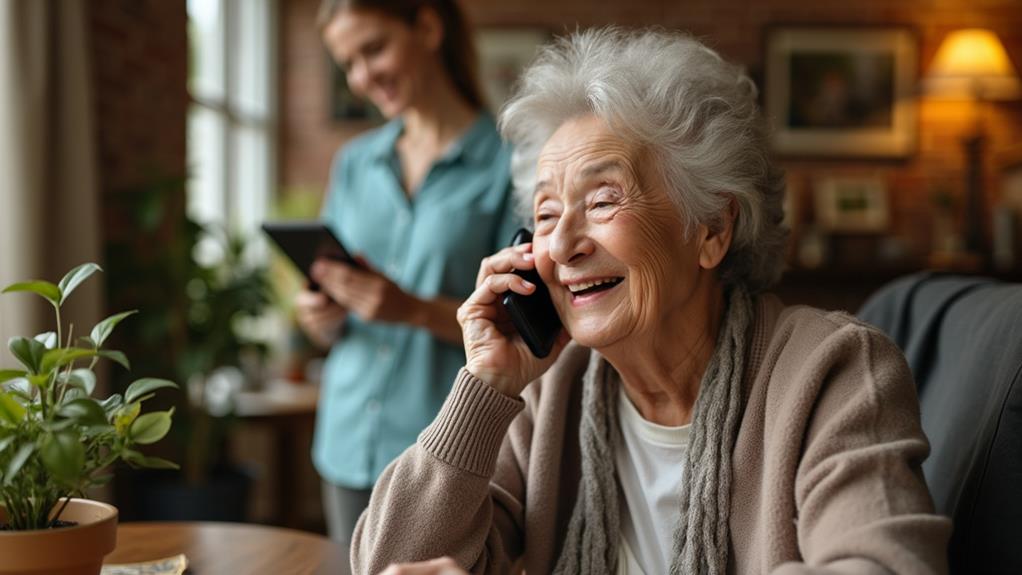
Supporting elderly parents living alone requires you to improve their home safety with modifications like grab bars and enhance lighting. Use technology for communication and emergency alerts. Schedule regular check-ins to monitor their well-being and combat isolation. Arrange transportation solutions and organize their finances to guarantee stability. Encourage social engagement through community activities and provide support for daily living tasks. Make certain they have access to nutritious meals and hydration. Build a caregiver network involving family, friends, and local resources. If you investigate further, you'll find supplementary tips to keep them happy and healthy.
Ensure Home Safety
Guaranteeing home safety for elderly parents living alone is vital, as approximately 30% of seniors experience falls, often due to hazards like loose rugs and poor lighting. To mitigate these risks, you should start by evaluating their living environment for potential dangers. Simple home modifications can make a substantial difference. For instance, installing grab bars in high-risk areas like bathrooms can significantly reduce the likelihood of falls, which are a leading cause of injury among older adults.
Another important step is improving the general lighting in the home. Verify that all areas, especially staircases and hallways, are well-lit to prevent accidents. Regular check-ins, regardless of whether through phone calls or visits, help monitor your parents' well-being and confirm their home remains a safe space.
Life alert systems are another invaluable tool for enhancing home safety. These systems provide immediate assistance in emergencies, offering peace of mind for both you and your elderly parents. Furthermore, consider engaging community resources. Local elder services often provide support in conducting home safety evaluations and making necessary modifications. By taking these steps, you can greatly improve the safety and security of your aging parents living alone.
Utilize Technology
Staying connected and maintaining independence can be challenging for elderly parents living alone, but integrating technology into their daily lives can make a significant difference. By using smartphones and tablets, your parents can stay in touch with family and friends, reducing feelings of loneliness and social isolation. Video calling platforms offer regular face-to-face interactions, providing emotional support and allowing you to monitor their well-being more effectively.
Smart home devices, such as voice-activated assistants, can help your parents manage daily tasks. These devices can set reminders for medications or appointments, making it easier for them to stay organized and independent. Additionally, emergency response systems, including wearable devices with fall detection, guarantee that help is just a button press away in case of an emergency, offering both you and your parents peace of mind.
Online grocery delivery services simplify meal planning and guarantee your parents have access to nutritious food without needing to leave their home. This service eliminates the stress of transportation and shopping, making their daily routines more manageable. Embracing these technological solutions can greatly improve the quality of life for your elderly parents living alone.
Schedule Regular Check-Ins

Regular check-ins play an important role in supporting elderly parents living alone. By scheduling regular check-ins, you can help combat the social isolation faced by many elderly parents, which is linked to health risks like cardiovascular disease and depression. Consistent communication provides much-needed emotional support and allows you to identify any emerging health or safety concerns early on.
You can improve the quality and frequency of these check-ins by utilizing technology such as video calls or messaging apps. This fosters a sense of connection and engagement, making your elderly parents feel valued and less isolated. Establishing a routine for your check-ins, regardless of whether they are daily or weekly, guarantees that your parents maintain a sense of routine, vital for their mental well-being.
Involving other family members or friends in the check-in schedule can create a robust network of support. This not only reduces the burden on one individual but also guarantees that your parents receive consistent attention and care. Furthermore, discussing social activities during these check-ins can encourage them to stay active and socially engaged, further reducing health risks associated with living alone.
Provide Transportation Solutions
Mobility is a crucial element in maintaining the quality of life for elderly parents living alone. To support their independent living, you need to investigate different transportation solutions. Many older adults don't drive, so consider public transit systems, which often offer reduced fares for seniors. While cost-effective, these services can be challenging to navigate, so provide assistance when needed.
Paratransit services are another excellent option. These door-to-door transportation services cater specifically to individuals with disabilities or mobility issues, ensuring your parents can get to medical appointments and social activities safely. Check with local transit authorities to see if your area offers paratransit services.
Volunteer driver programs are also significant. Local community groups or senior centers often organize these, connecting seniors with trained volunteers who can drive them to important appointments and errands. This personal touch can make a world of difference.
Don't overlook rideshare apps like Uber and Lyft, which now offer senior-friendly options. These services often feature drivers trained to assist elderly passengers, providing an extra layer of support. By leveraging these transportation solutions, you can help your elderly parents maintain their independence and quality of life.
Organize Finances
Managing finances is a crucial aspect of supporting elderly parents living alone, especially given the financial vulnerability many seniors face. With about 22 million Americans over the age of 60 facing financial challenges, it's important to help your aging parents with effective financial planning. Start by utilizing free or low-cost resources available through banks, employers, or nonprofits like AARP. These services can help them manage their fixed incomes efficiently.
Regularly review and adjust their budget to cope with rising health care costs and other expenses. This adjustment will guarantee they can maintain their independence without financial strain. Consider engaging a financial advisor for personalized assistance. A professional can help develop a sustainable financial plan, alleviating stress related to money management.
Organization is also key; keep financial documents accessible and well-organized. Implement a system for tracking bills, income sources, and crucial expenses. This system can prevent missed payments and avoid financial mismanagement. By taking these steps, you can help secure your parents' financial stability, allowing them to live comfortably and independently.
Monitor Health and Medications
After organizing finances, it's important to focus on monitoring health and medications for elderly parents living alone. Regular medication management is fundamental, as many older adults take at least one prescription medication, and failing to manage these properly can lead to severe health risks. Implementing medication reminders or using pill organizers can greatly enhance adherence, helping your parents take their medications correctly and consistently.
Health monitoring tools are invaluable for tracking critical health metrics. Devices like blood pressure monitors or glucose meters can help you and your parents stay on top of their health, preventing complications. Routine check-ins by family members or caregivers are also essential. These check-ins can help assess changes in health status and detect potential issues early, fostering a proactive approach to healthcare management.
Moreover, utilizing telehealth services can make a world of difference. Telehealth allows for regular consultations with healthcare providers without the need for frequent in-person visits, making it easier for elderly parents to manage their health.
Here are some practical steps to help:
- Use medication reminders or pill organizers
- Incorporate health monitoring tools
- Schedule routine check-ins and use telehealth services
Encourage Social Engagement
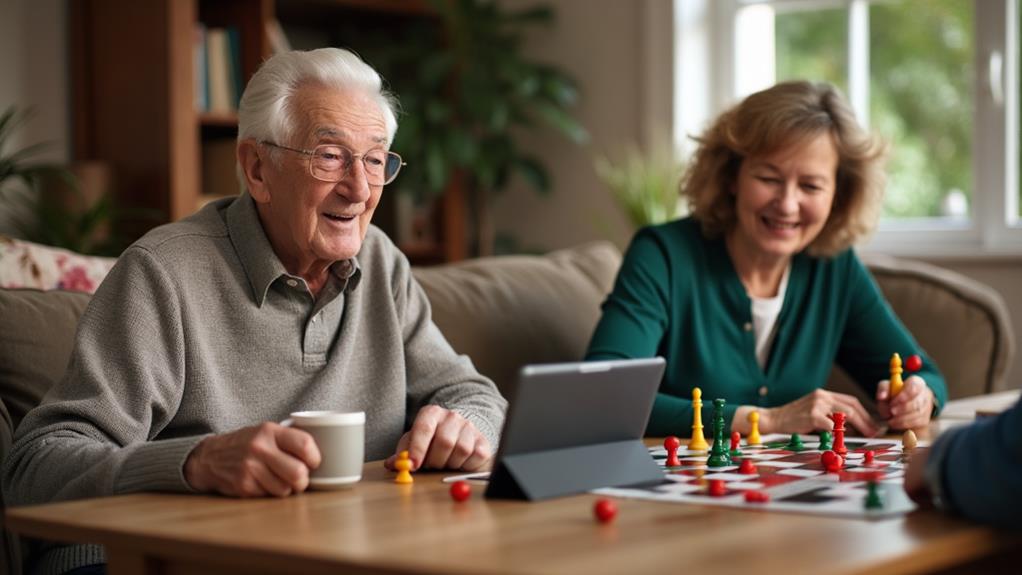
Given the importance of social engagement for the elderly, a lack of it can lead to severe consequences, such as loneliness and its associated health risks—comparable to smoking 15 cigarettes daily. To help your elderly parents avoid this, encourage them to participate in community activities. Senior centers offer a range of options, from educational classes to fitness programs, providing opportunities for them to interact and foster a sense of belonging.
You can also help reduce their feelings of isolation by making certain they regularly connect with friends and family. Regardless of whether through technology or in-person visits, these interactions offer vital social support. Programs like Meals on Wheels not only deliver nutritious meals but also provide regular social contact, helping combat loneliness.
Encouraging your elderly parents to join local clubs, volunteer, or participate in group outings can greatly improve their social engagement. These activities strengthen community ties and provide a network of support. By promoting active participation in these different forms of social engagement, you can help guarantee that your elderly parents maintain a better quality of life, reducing the risk of loneliness and its detrimental health effects.
Assist With Daily Living Activities
While encouraging social engagement is fundamental, guaranteeing your elderly parents can manage their daily living activities is likewise significant. To support them, consider integrating assistive devices like grab bars and mobility aids in their home. These tools help them perform Activities of Daily Living (ADLs) such as bathing, dressing, and eating, promoting independence and reducing fall risks.
Professional home care can be a game-changer. Hiring an occupational therapist or a home health aide can provide personalized support and training, making daily tasks safer and more manageable. Regularly check in on your parents to verify they're managing well and feeling supported.
Meal preparation assistance is also important. Organize grocery shopping and cooking to help them maintain proper nutrition, which is crucial for managing chronic conditions and preventing malnutrition.
Here are some practical tips to assist your elderly parents:
- Install Assistive Devices: Grab bars, shower chairs, and mobility aids can improve safety.
- Engage Professional Help: Occupational therapists and home health aides offer valuable training and support.
- Offer Meal Preparation Assistance: Help with grocery shopping and meal planning to guarantee they eat healthily.
Offer Nutritional Support

Ensuring your elderly parents receive proper nutritional support is vital for their overall health and well-being. Approximately 50% of older adults at home require nutritional intervention to prevent malnutrition. You can start by exploring programs like Meals on Wheels, which not only provide nutritious meals but also offer much-needed social interaction.
Focus on incorporating healthy food options into their diet, including lean meats, fruits, vegetables, whole grains, and dairy. These components are fundamental for managing chronic conditions common in older adults. Hydration is particularly significant; dehydration can lead to serious health issues. As a caregiver, encourage your parents to drink fluids regularly throughout the day.
Professional guidance from healthcare providers can be incredibly beneficial. They can assist in meal preparation and grocery shopping, ensuring your parents have access to the right foods. By taking these steps, you reduce the risk of malnutrition and promote a healthier lifestyle for your elderly parents. Regularly check in on their eating habits and make adjustments as needed, ensuring they continue to receive the nutritional intervention they require. Your involvement can make a substantial difference in their general quality of life.
Establish Caregiver Networks
How can you guarantee your senior parents receive the best care while living alone? Establishing a caregiver network is crucial for guaranteeing your older loved one gets the support and companionship they need. Start by involving trusted family members, friends, and neighbors in creating a caregiving team. This collaboration helps share responsibilities and guarantees regular check-ins, reducing feelings of isolation.
To build a robust caregiver network, tap into resources within your local area. Area Agencies on Aging (AAAs) and senior centers can connect you with community programs offering social engagement and caregiver support services. These organizations provide valuable information and assistance tailored to your parent's needs.
Here are some practical steps:
- Leverage Technology: Use telehealth services and communication apps to coordinate care and maintain regular contact.
- Adult Day Centers: These centers offer structured activities and social interaction, giving primary caregivers a much-needed break.
- Community Programs: Engage with local support services to access companionship and vital care resources.
Creating a caregiver network guarantees your senior parents have a thorough support system. By utilizing local resources and technology, you can improve their quality of life and provide them with the companionship they deserve.