5 Key Differences Between Doxylamine and Diphenhydramine

When comparing doxylamine and diphenhydramine, recognizing their distinct characteristics is crucial for informed decision-making. Doxylamine's longer half-life makes it effective for maintaining sleep throughout the night, while diphenhydramine offers a quicker onset for immediate allergy relief. The dosage recommendations also differ, with doxylamine typically at 25 mg and diphenhydramine at 50 mg. Evaluating their side effects and patient-specific risks is essential as well. Understanding these factors can significantly influence your choice between the two medications.
Pharmacological Effects
When comparing the pharmacological effects of doxylamine and diphenhydramine, it is important to consider their half-lives and potencies. Doxylamine has a longer half-life of approximately 10 hours, which can lead to increased next-day drowsiness. In contrast, diphenhydramine has a half-life ranging from 3 to 9 hours, generally resulting in less next-day drowsiness.
In terms of dosage, doxylamine is typically administered at 25 mg for sleep due to its greater potency compared to diphenhydramine, which is usually taken at 50 mg for similar sedative effects. Both medications are effective for inducing sleep, but they belong to different classifications: diphenhydramine is an antihistamine and anticholinergic antiemetic, while doxylamine is categorized under miscellaneous anxiolytics, sedatives, and hypnotics.
Diphenhydramine is often preferred for its quicker onset and reduced next-day drowsiness, making it effective for allergy relief as well. On the other hand, doxylamine is commonly included in over-the-counter cough and cold medications, enhancing its sedative properties in nighttime formulations. Understanding these differences helps in selecting the appropriate medication based on specific needs for sleep and allergy relief.
Indications and Uses
Understanding the pharmacological effects of doxylamine and diphenhydramine is crucial for identifying their specific indications and uses.
Doxylamine is primarily marketed as a nighttime sleep aid and is commonly found in over-the-counter (OTC) medications for cough and cold. Its sedative properties make it particularly effective for treating insomnia. However, due to its longer half-life, doxylamine can cause significant next-day drowsiness. Additionally, doxylamine is prescribed under the brand name Bonjesta to manage nausea and vomiting during pregnancy, highlighting its versatility beyond sleep aid.
Diphenhydramine serves multiple purposes. It is FDA-approved for allergy relief, addressing symptoms like sneezing, runny nose, and itching. It is also effective for treating motion sickness and, like doxylamine, is used as a nighttime sleep aid for short-term management of insomnia. Unlike doxylamine, diphenhydramine's shorter half-life usually results in less next-day drowsiness.
Key points to remember:
- Doxylamine: Effective nighttime sleep aid, also found in OTC cough and cold medications, and prescribed for nausea and vomiting during pregnancy.
- Diphenhydramine: FDA-approved for allergy relief and motion sickness, also used as a sleep aid.
- Both: Indicated for short-term management of insomnia.
Understanding these distinctions helps in choosing the right medication based on specific needs.
Dosing Guidelines
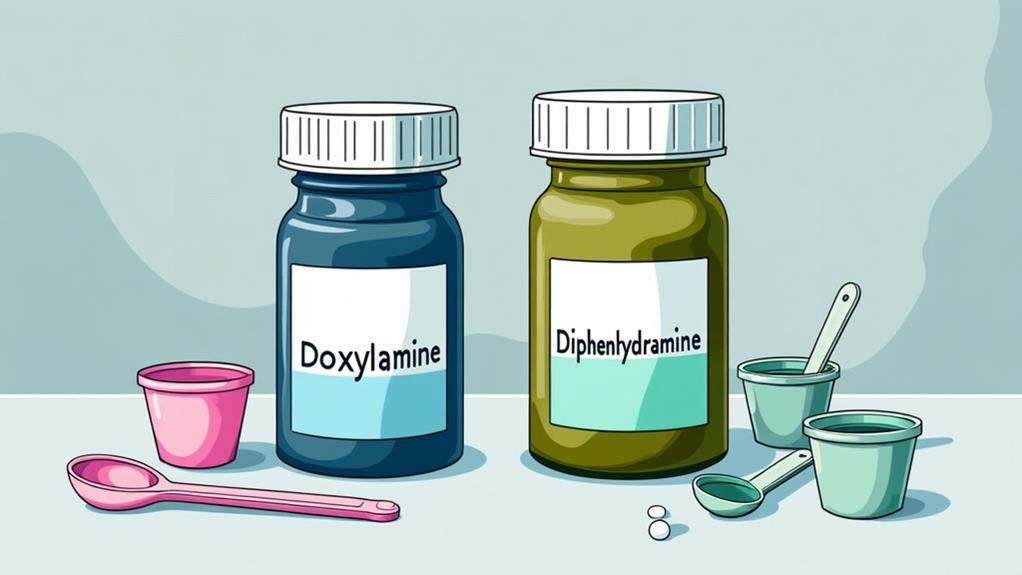
Navigating the dosing guidelines for doxylamine and diphenhydramine is essential for ensuring their safe and effective use. For adults and children aged 12 and over, the standard dose of doxylamine is 25 mg, taken approximately 30 minutes before bedtime. For the same age group, the typical dose of diphenhydramine for sleep is 50 mg, also administered 30 minutes before sleep.
Doxylamine is usually prescribed in lower doses compared to diphenhydramine due to its longer half-life of about 10 hours, whereas diphenhydramine's half-life ranges from 3 to 9 hours. This extended duration makes doxylamine more effective for maintaining sleep throughout the night.
Both medications are generally not recommended for children under 12 years without pediatric consultation. Additionally, individuals over 65 years should use these medications with caution due to increased sensitivity to their sedative effects.
Dosing recommendations can vary based on individual circumstances, so always consult a healthcare provider for personalized advice. By following these guidelines, you can use doxylamine and diphenhydramine safely and effectively to address sleep-related issues.
Side Effects and Risks
Both doxylamine and diphenhydramine have side effects and risks that you should be aware of. Common side effects include drowsiness, dizziness, and dry mouth. Due to its longer half-life, doxylamine is more likely to cause next-day drowsiness, which can be particularly problematic for older adults. This next-day drowsiness can persist for up to 15 hours, increasing the risk of falls and accidents. In contrast, diphenhydramine's effects typically last between 3 to 9 hours.
Chronic use of either medication can lead to tolerance and dependency, potentially worsening insomnia or causing withdrawal symptoms upon discontinuation. It is crucial to consult a healthcare provider if you have specific health conditions such as asthma, glaucoma, or heart disease, as these medications could exacerbate these conditions.
In summary, consider the following:
- Next-Day Drowsiness: More pronounced with doxylamine, especially in older adults.
- Chronic Use: Can lead to tolerance, dependency, and worsened insomnia.
- Contraindications: Both medications should be avoided in children under 12 and adults over 65 without medical guidance.
Always discuss with a healthcare provider to ensure these medications are safe for you, given your health conditions and other medications you might be taking.
Cost and Accessibility

When comparing the cost and accessibility of doxylamine and diphenhydramine, both options are budget-friendly and readily available. Generic versions of these medications are particularly affordable. The cost per unit for generic diphenhydramine is approximately $0.95, while generic doxylamine is even lower at about $0.61 per unit. For a package of 12 tablets (25 mg) of diphenhydramine, you might spend around $11.37, while a 16-tablet (25 mg) package of doxylamine is about $9.82.
Both doxylamine and diphenhydramine are accessible over-the-counter at many pharmacies, ensuring you can easily find them when needed. They come in different dosage forms, including oral tablets and liquids, giving you flexibility in how you take them. Discounts through GoodRx can lead to significant savings, with generic doxylamine prices starting as low as $4.86 and diphenhydramine prices beginning at $0.68 at select pharmacies.
The affordability of these medications makes them a viable option for those without insurance coverage. Overall, regardless of whether you choose diphenhydramine or doxylamine, you'll benefit from their cost-effectiveness and widespread availability.