A Beginner's Guide to Wheatgrass: Health Benefits and Uses
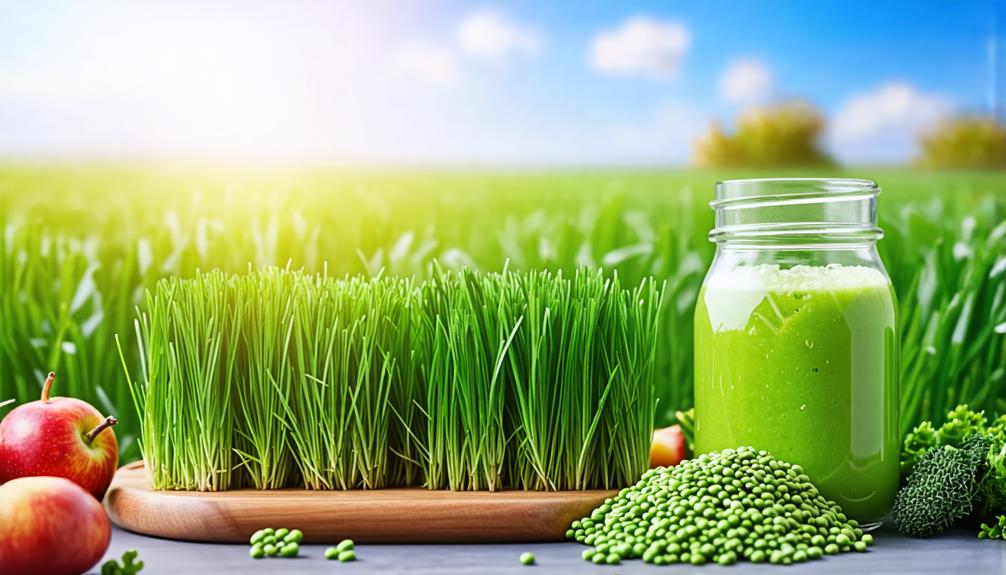
Curious about wheatgrass and its surge in popularity among health enthusiasts? This young shoot of the wheat plant isn't just a trend; it's rich in chlorophyll, vitamins, and essential minerals that offer substantial health benefits. If you're aiming to boost your immune system or support digestive health, wheatgrass could be the natural solution you need. But how do you start incorporating it into your diet, and what should you be mindful of? Let's explore the world of wheatgrass and discover its potential to enhance your well-being.
What Is Wheatgrass?
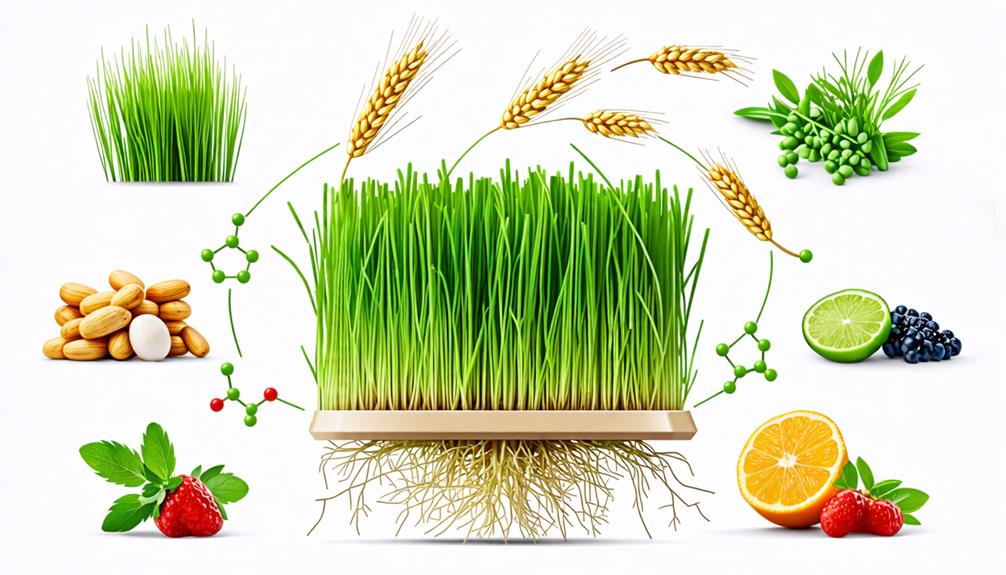
Wheatgrass, the young green shoot of the wheat plant, is typically harvested 7-10 days after sprouting and is renowned for its rich nutritional profile. This superfood is packed with crucial nutrients that can greatly enhance your health. One of its most notable components is chlorophyll, which makes up about 70% of wheatgrass and gives it its vibrant green color. Chlorophyll is believed to have powerful detoxifying properties, helping to cleanse your body of harmful toxins.
Wheatgrass is available in various forms, including fresh juice, powder, and tablets, making it easy to incorporate into your daily routine. Its health benefits are extensive. Beyond detoxification, wheatgrass is known for its antioxidant, antibacterial, and anti-inflammatory properties, which can support overall wellness. It contains a wide range of vitamins such as A, C, E, and K, along with essential minerals like iron, calcium, and magnesium. By adding wheatgrass to your diet, you're providing your body with a natural, nutrient-dense enhancement that can help you feel more vibrant and healthy.
Nutritional Profile
Wheatgrass boasts an impressive nutritional profile, loaded with essential vitamins and minerals. Whether you're sipping wheatgrass juice or adding it to smoothies, you're getting a potent dose of nutrients. Rich in vitamins A, C, E, and K, as well as several B vitamins, wheatgrass supports multiple bodily functions. A 100ml serving of wheatgrass juice contains approximately 17 calories, making it a low-calorie option for boosting your health.
Wheatgrass is a notable source of iron, offering around 0.6mg per 100ml, which is vital for maintaining healthy blood and energy levels. Its high chlorophyll content, which constitutes about 70% of its composition, aids in detoxification and provides antioxidant properties. Additionally, wheatgrass contains 92 out of the 108 essential minerals, enhancing its nutritional value.
Here's a quick overview of its key nutrients:
| Nutrient | Amount per 100ml |
|---|---|
| Calories | 17 |
| Iron | 0.6mg |
| Chlorophyll | 70% composition |
| Vitamin C | High levels |
| Key Amino Acids | Abundant |
Incorporating wheatgrass into your diet ensures you receive a comprehensive range of nutrients, contributing to overall wellness.
Health Benefits
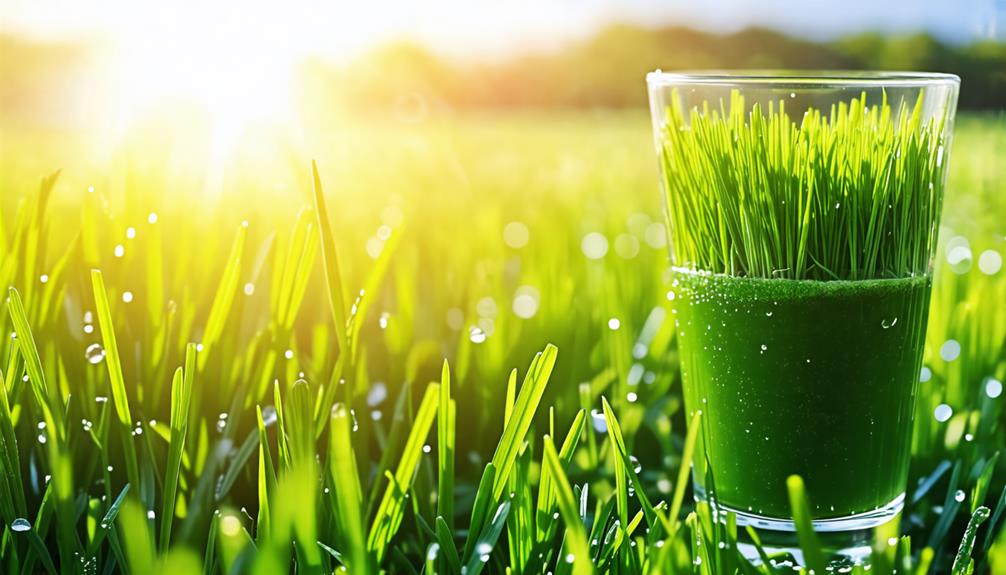
Incorporating wheatgrass into your diet can boost your immune system due to its rich chlorophyll content. Its high levels of antioxidants, including vitamins C and E, help mitigate oxidative stress and inflammation. Additionally, the dietary fiber in wheatgrass promotes digestive health by aiding regular bowel movements.
Boosts Immune Function
Wheatgrass significantly enhances immune function by boosting immune cell activity and reducing oxidative stress. When you consume wheatgrass juice, you're providing your immune system with numerous health benefits. Rich in chlorophyll, wheatgrass supports the health of your blood cells, facilitating better oxygen transport and strengthening your immune responses. The antioxidants in wheatgrass, such as vitamin C and flavonoids, are crucial for neutralizing oxidative stress, which is essential for maintaining a strong immune system.
Oligosaccharides in wheatgrass stimulate monocytes, a type of immune cell, enhancing your body's resilience against infections. This stimulation helps your immune system function more efficiently, reducing susceptibility to common illnesses. Additionally, wheatgrass juice's nutrient profile supports individuals undergoing treatments like chemotherapy by improving overall immune function.
Regular consumption of wheatgrass can also help regulate blood sugar levels, indirectly supporting immune health by lowering the risk of diabetes-related complications. By incorporating wheatgrass into your diet, you're not only bolstering your immune system but also embracing a natural method to improve your overall health. It's a simple yet powerful supplement to your wellness routine.
Reduces Oxidative Stress
Consuming wheatgrass can significantly reduce oxidative stress due to its high antioxidant content, enhancing overall cellular health and immune function. Wheatgrass juice contains a potent mix of antioxidants, including vitamins C and E, which work to neutralize free radicals that cause cellular damage.
Chlorophyll, abundant in wheatgrass, also combats oxidative stress by reducing oxidative damage. This supports cellular health and lowers the risk of chronic diseases associated with oxidative stress.
Flavonoids in wheatgrass contribute significantly to its antioxidant properties, reducing inflammation and oxidative damage. Incorporating just 100ml of wheatgrass juice into your daily routine can boost your antioxidant intake.
Regular wheatgrass consumption has been linked to decreased markers of oxidative stress, making it a valuable addition to any diet focused on reducing oxidative damage and maintaining overall health.
Supports Digestive Health
Incorporating wheatgrass into your diet can significantly enhance your digestive health. Wheatgrass juice, rich in dietary fiber, promotes regular bowel movements, ensuring smooth digestive system function. Its high chlorophyll content aids in detoxifying the digestive system, fostering a healthy gut microbiome and contributing to overall gut health.
Regular consumption of wheatgrass juice can alleviate symptoms associated with gastrointestinal disorders such as ulcerative colitis. The presence of essential enzymes helps break down food more efficiently, enhancing nutrient absorption in the digestive tract. This means your body can extract more nutrients from the food you consume, improving your overall health.
Wheatgrass is also effective in relieving common digestive issues like bloating and constipation. By incorporating it into your daily routine, you may notice a significant reduction in these uncomfortable symptoms. While the health benefits of wheatgrass extend beyond digestive health, its impact on the digestive system is particularly noteworthy.
Potential Side Effects
While generally safe for most people, consuming wheatgrass can occasionally lead to side effects such as nausea, headaches, and digestive discomfort, especially if introduced too quickly into your diet. Some individuals may also experience allergic reactions, which can manifest as rashes, stomach upset, or additional headaches. If you have known allergies to wheat or grass, exercise particular caution.
Other potential side effects include lightheadedness and mild fatigue, particularly when starting with larger doses. To minimize these risks, begin with small servings (around 1-2 ounces) and gradually increase the amount as your body adjusts.
Raw wheatgrass carries a risk of bacterial contamination, which is particularly concerning for pregnant individuals and those with weakened immune systems. To mitigate this risk, ensure you source your wheatgrass from reputable suppliers and prepare it properly.
Although wheatgrass itself is gluten-free, there is a risk of cross-contamination. If you have gluten sensitivities, it is crucial to choose certified gluten-free products to avoid adverse reactions.
How to Consume

When it comes to consuming wheatgrass, you have several convenient options. You can choose fresh juice or shots, mix powdered supplements into your drinks, or add it to recipes like smoothies and soups. If you dislike the taste, tablets offer a suitable alternative.
Juice and Shots
To enjoy the health benefits of wheatgrass, you can consume it as fresh juice or convenient shots. Fresh wheatgrass juice, often served in 1 to 2-ounce portions, is rich in essential nutrients. For optimal nutrient extraction, a masticating juicer is recommended as it effectively captures vital vitamins and enzymes from the grass.
If the taste of pure wheatgrass juice is too strong, mixing it with fruit juices or coconut water can make it more palatable. Alternatively, wheatgrass shots, typically around 1 ounce, offer a quick and concentrated dose of this superfood. These shots are particularly popular among health enthusiasts for their convenience and nutritional value.
Here's a quick comparison to help you decide how to incorporate wheatgrass into your routine:
| Method | Description |
|---|---|
| Wheatgrass Juice | Fresh juice mixed with fruits or coconut water for better taste |
| Wheatgrass Shots | Quick and concentrated 1-ounce servings |
| Masticating Juicer | Best tool for extracting optimal nutrients |
| Health Benefits | Increases energy, improves digestion, and supports detoxification |
Whether you choose fresh juice or wheatgrass shots, integrating this superfood into your diet is a simple step towards better health.
Powdered Supplements
If fresh juice or shots aren't your preference, wheatgrass powder offers a versatile alternative for boosting your nutrient intake. Available in most health food stores, wheatgrass powder is an excellent way to incorporate its nutritional benefits into your balanced diet. Here's how you can easily add wheatgrass to your daily routine:
- Smoothies and Juices: Add 1-2 teaspoons of wheatgrass powder to your favorite smoothies or juices for a quick nutrient boost.
- Water: Mix wheatgrass powder into a glass of water. While it may not be the most flavorful option, it's simple and effective.
- Salad Dressings and Dips: Enhance your meals by adding wheatgrass powder to salad dressings or dips, providing a green boost without overpowering the taste.
- Soups: Stir wheatgrass powder into hot or cold soups to enrich them with its health benefits.
Start with small amounts to assess your tolerance before gradually increasing the dosage. To maximize the benefits, consume wheatgrass powder shortly after mixing, as prolonged exposure to air can degrade some of its nutritional properties. For convenience and diverse nutrient intake, wheatgrass powder is a simple and effective choice.
Incorporating Into Recipes
You can easily elevate your meals by adding wheatgrass to various recipes for a nutritious boost. Start your day with an energizing smoothie by blending 1-2 oz of fresh wheatgrass juice or a teaspoon of powdered wheatgrass with fruits like bananas or berries. This not only enhances the drink's vibrant green color but also significantly increases its nutritional value.
For a zesty twist on your salads, incorporate wheatgrass juice or powder into a dressing made with olive oil, vinegar, and herbs. This simple addition amplifies the health benefits of your greens. If you enjoy refreshing beverages, try mixing wheatgrass juice with coconut water or fruit juice. This combination creates a hydrating, nutrient-packed drink suitable for any time of day.
Incorporating wheatgrass into dips like hummus or guacamole is another excellent way to enjoy its benefits. Mix the powder with chickpeas or avocados to enhance both flavor and nutrition. For a subtle boost in soups, stir in a teaspoon of powdered wheatgrass just before serving. This method retains its nutritional benefits without overpowering the dish's flavor, making it a versatile addition to your culinary repertoire.
Growing Wheatgrass at Home
Growing wheatgrass at home is a straightforward and rewarding process that begins with organic wheat seeds. Start by filling a shallow tray with an inch of moist soil, then evenly scatter the seeds across the surface. Keep the soil consistently moist, and place the tray in a sunny spot or under grow lights to ensure the grass receives at least 12 hours of light daily for optimal growth.
Steps to Grow Wheatgrass:
- Prepare the Tray: Fill a shallow tray with an inch of moist soil.
- Sow the Seeds: Evenly scatter organic wheat seeds over the soil.
- Maintain Moisture: Keep the soil moist but not waterlogged.
- Ensure Adequate Light: Place the tray in a sunny spot or under grow lights for at least 12 hours a day.
In about 7-10 days, your wheatgrass should reach a height of 6-8 inches, indicating it is ready to harvest. Cut the grass just above the soil line to preserve its nutrients and flavor. Freshly harvested wheatgrass can be stored in the refrigerator for up to one week, retaining its freshness and nutritional value. Enjoy your homegrown, nutrient-rich wheatgrass in smoothies, juices, or as a supplement to your daily diet!
Research and Studies
Extensive research highlights wheatgrass's potential health benefits, including its ability to lower cholesterol and regulate blood sugar levels. Animal studies have demonstrated that consuming wheatgrass can reduce LDL cholesterol levels, which is beneficial for heart health. For individuals managing type 2 diabetes, research on diabetic rats suggests that wheatgrass juice may help regulate blood sugar levels, making it a valuable addition to the diet.
In cancer research, early studies indicate that wheatgrass might slow the growth of certain cancer cells, particularly in the mouth and colon. While these findings are promising, further research is needed to confirm its efficacy. Additionally, wheatgrass has shown potential in alleviating some side effects of chemotherapy, such as nausea, which could enhance the quality of life for cancer patients undergoing treatment.
Moreover, wheatgrass is being studied for its neuroprotective properties. Preliminary findings suggest it could support cognitive function and reduce long-term inflammation, making it an intriguing option for those looking to bolster brain health.
Tips for Beginners
When starting with wheatgrass, begin with small doses like 1-2 oz per day to gauge your body's tolerance. Wheatgrass juice is packed with enzymes, phytonutrients, and chlorophyll, all of which offer significant health benefits and support detoxification. As you get used to it, you can gradually increase the amount you consume.
Here are some tips to help you get started:
- Choose Organic Wheatgrass: Always opt for organic wheatgrass to avoid potential contaminants and ensure you're getting a high-quality product.
- Monitor Your Body's Reactions: Pay attention to how your body responds. Some people might experience mild side effects such as nausea or headaches initially.
- Diversify Your Consumption Methods: Incorporate wheatgrass into smoothies, soups, or salad dressings. This helps you enjoy its benefits without being overwhelmed by its earthy taste.
- Fresh is Best: For maximum nutritional benefits, consume fresh wheatgrass juice. It's richer in enzymes and phytonutrients, which are vital for detoxification and immune support.
Related posts