Austin’s Health Culture: Fitness, Outdoor Activity, and Care
You'll find Austin's health culture stands out through its strong outdoor lifestyle, access to fitness spaces, and a community that prioritizes movement. While exact statistics vary by source, Austin consistently ranks among the more active and health-conscious major U.S. cities, supported by extensive trails, public parks, and a growing wellness industry. The city’s combination of outdoor recreation, boutique fitness studios, and preventive health awareness shapes how residents approach daily life.
Why Austin Ranks Among Active Cities in America
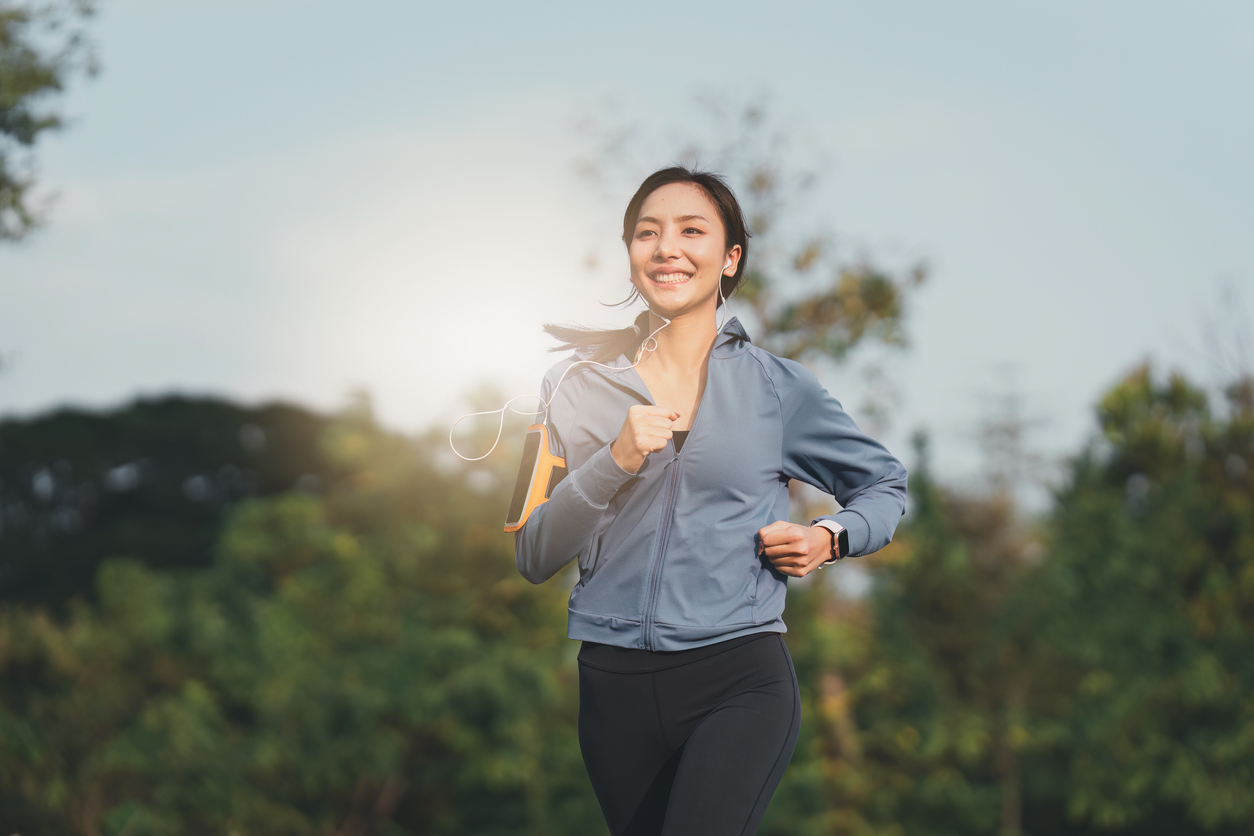
Austin’s reputation as an active city comes from a mix of accessible infrastructure, year-round outdoor weather, and a culture that values movement. You’ll find a wide range of gyms, studios, and outdoor spaces across the metro area, making it easy to stay active regardless of your fitness level. Community workout initiatives—from running clubs to free yoga sessions in parks—are common, and many residents incorporate exercise into their routines rather than treating it as a separate activity. While rankings vary depending on methodology, Austin frequently appears in lists of cities with high physical activity participation and outdoor engagement.
Austin's Outdoor Fitness Culture: Lady Bird Lake and Beyond
View this post on Instagram
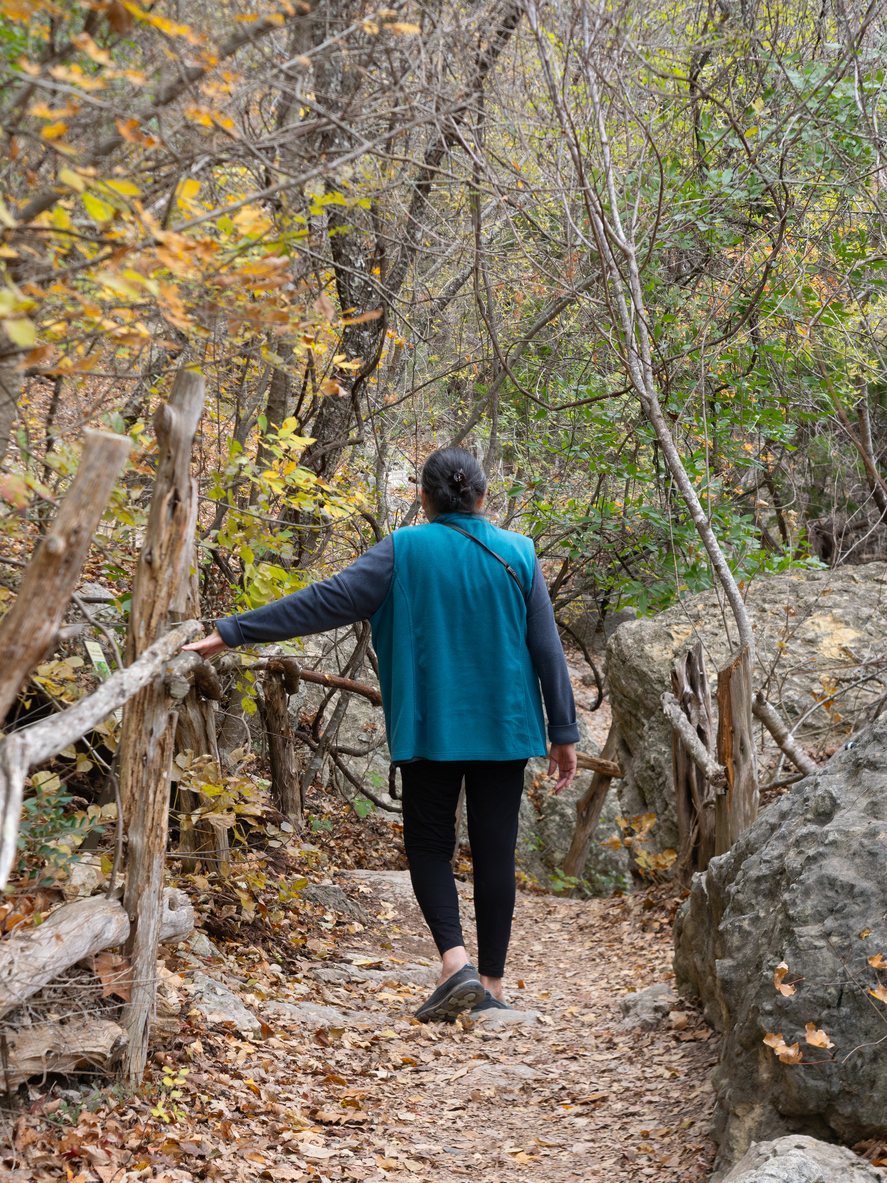
At the center of Austin’s outdoor fitness scene is Lady Bird Lake and the Ann and Roy Butler Hike-and-Bike Trail, a roughly 10-mile loop used daily by walkers, runners, and cyclists. The trail connects key parts of the city and offers easy access to water activities like kayaking and paddleboarding. Zilker Metropolitan Park adds to this ecosystem with open green space, sports fields, and access to Barton Springs Pool, a popular spot for swimming year-round. Other areas like Walnut Creek Metropolitan Park and the Barton Creek Greenbelt provide more rugged terrain for hiking and trail running. These spaces are free or low-cost to access, which makes outdoor fitness one of the most defining features of Austin’s health culture.
Neighborhood Fitness Hubs Across Austin
Austin’s fitness scene varies by neighborhood, with each area offering a distinct mix of studios, outdoor spaces, and wellness services.
- Downtown & Central Austin: Home to Lady Bird Lake, high-end gyms, boutique studios, and group classes. Ideal for runners, cyclists, and professionals fitting workouts into busy schedules.
- East Austin: Known for creative, community-driven studios, outdoor classes, and hybrid fitness spaces that blend social and wellness experiences.
- South Austin (Zilker, South Lamar): A hub for yoga studios, outdoor workouts, and trail access, with easy connections to Barton Springs and the Greenbelt.
- North Austin & Domain Area: Features large gyms, sports complexes, and newer fitness centers, often with more space and parking convenience.
This geographic spread allows residents to choose between urban convenience and nature-focused fitness environments.
Gym Access and Fitness Options Across the City
View this post on Instagram
Austin offers a broad mix of big-box gyms, boutique studios, and specialty fitness spaces. National chains like Life Time, Gold’s Gym, and Planet Fitness operate alongside local concepts focused on yoga, Pilates, strength training, and high-intensity interval workouts. Boutique studios—such as Orangetheory Fitness, Barry’s, and local yoga collectives—have expanded across neighborhoods, reflecting demand for more personalized fitness experiences. While gym-to-resident ratios fluctuate depending on how facilities are counted, most neighborhoods provide multiple accessible options within a short drive.
Fitness Studios, Trainers, and Wellness Brands in Austin
View this post on Instagram
Austin’s fitness landscape includes a mix of national brands and locally rooted studios that reflect the city’s diverse approach to wellness. You’ll find high-intensity group training at Orangetheory Fitness and Barry’s, while yoga-focused spaces like Black Swan Yoga and Practice Yoga Austin offer donation-based and traditional classes. For strength and performance, Castle Hill Fitness combines gym access with personal training and recovery services, while Onnit Gym emphasizes unconventional training methods using kettlebells, steel maces, and functional movement systems. Boutique Pilates and low-impact strength studios like Studio Lagree Austin and Heat Bootcamp cater to those seeking structured, instructor-led workouts. Independent trainers and smaller studios across the city often specialize in mobility, endurance training, and holistic wellness, making it easy to find programs tailored to specific goals.
Austin's Health Trends Compared to National Averages
Austin generally performs better than national averages in several health indicators, including lower obesity rates and higher levels of physical activity. These outcomes are often linked to the city’s strong outdoor culture and emphasis on active living. Public health efforts, access to fresh food, and community wellness programs also contribute to these trends. While exact figures vary across studies, Austin is regularly recognized for above-average fitness participation and preventive health awareness compared to many large U.S. cities.
How Austin's Tech Industry Influences Wellness Trends
Austin’s growing tech sector has contributed to the expansion of premium fitness studios, wellness services, and health-focused amenities. Many companies offer wellness benefits, gym stipends, or flexible schedules that allow employees to integrate fitness into their routines. This environment has helped support a market for specialized fitness programs, recovery services, and health technology, including app-based training, wearable integration, and performance tracking.
Fitness Technology and Modern Training Approaches
Modern gyms and studios in Austin increasingly incorporate technology-driven training tools. You’ll find classes and facilities using:
- Heart rate monitoring systems for performance tracking
- App-based scheduling and coaching platforms
- Smart fitness equipment with guided workouts
- Virtual and hybrid training programs
These tools reflect a broader shift toward data-informed fitness and personalized training experiences, especially in boutique and higher-end facilities.
Recovery and Wellness Services in Austin
Recovery has become a central part of Austin’s fitness culture, with a growing number of facilities offering services designed to improve performance and prevent injury. You’ll find options such as:
- Infrared saunas and cold plunge pools at studios like Revival Texas and Kuya Wellness
- Cryotherapy and IV therapy services at wellness clinics across Downtown and South Austin
- Physical therapy and mobility training at clinics like Airrosti and Texas Physical Therapy Specialists
- Massage and sports recovery services integrated into gyms and boutique studios
These services support active lifestyles by helping reduce soreness, improve circulation, and maintain long-term physical health.
Health Benefits of Austin's Active Lifestyle
Living in Austin supports a lifestyle that encourages consistent movement and outdoor activity. Residents benefit from:
- Accessible green spaces that make exercise convenient
- Year-round opportunities for outdoor workouts
- Strong community engagement in fitness activities
- Lower barriers to entry for recreational exercise
Regular participation in these activities contributes to improved cardiovascular health, stress reduction, and overall well-being, reinforcing the city’s reputation as a health-focused environment.
Conclusion
Austin’s health culture is built on a foundation of outdoor access, diverse fitness options, and a community-driven approach to wellness. Whether you’re running along Lady Bird Lake, joining a local fitness class, or exploring neighborhood trails, the city makes it easy to stay active. This combination of environment and lifestyle continues to shape Austin as one of the more health-conscious urban centers in the United States.