Best Sensory Tools for Alzheimer’s Patients

When selecting sensory tools for Alzheimer's patients, it's crucial to focus on items that engage all five senses: touch, sound, sight, smell, and taste. Consider options like fidget toys, textured blankets, music boxes, and scented oils. These tools not only reduce anxiety and improve mood but also help trigger reminiscence through familiar stimuli. Personalizing these tools based on an individual's preferences and history is vital for maximum effectiveness.
To ensure safety and proper engagement, prioritize non-toxic materials, avoid small parts that could pose choking hazards, and choose items that are easy to clean and maintain. Additionally, regularly assess the patient's response to these tools and adjust as needed to ensure continued benefit.
Understanding Sensory Tools

Sensory tools for Alzheimer's patients are specifically designed to engage the senses—touch, sound, sight, smell, and taste—in ways that foster comfort and interaction. Items such as fidget toys, textured blankets, music boxes, and scented oils can evoke memories and reduce anxiety. Research indicates that sensory stimulation can improve mood and cognitive function, offering therapeutic benefits throughout different stages of the disease.
Personalization is key to the effectiveness of these sensory tools. By tailoring items to reflect an individual's preferences and past interests, their emotional impact and overall effectiveness can be enhanced. For instance, a music box playing a favorite tune from the patient's youth can evoke positive memories and feelings.
Safety is another important consideration. Ensure that sensory items are made from non-toxic materials and are easy to handle. This minimizes potential hazards and guarantees a safe and beneficial experience for the user.
Tactile Stimulation Items
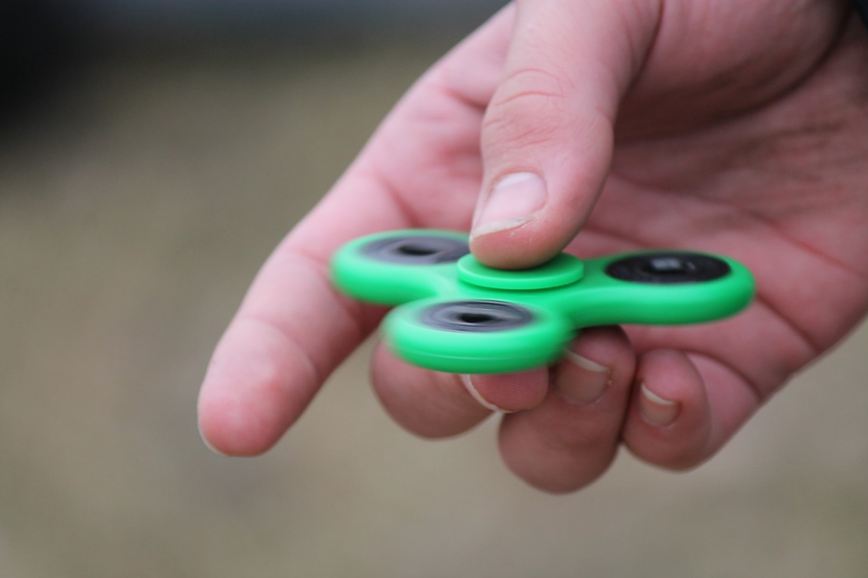
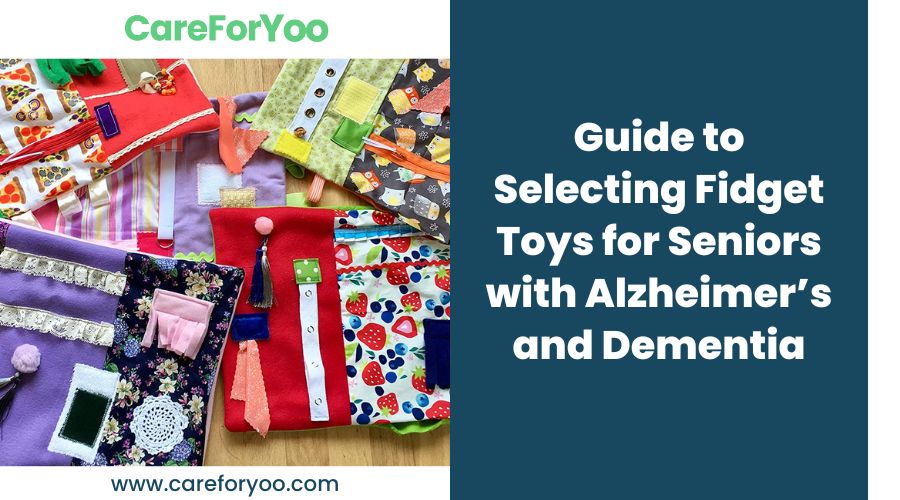
Tactile stimulation items play a crucial role in engaging Alzheimer's patients and alleviating anxiety. Tools like fidget toys and sensory blankets offer diverse textures and colors, enhancing sensory stimulation and encouraging manual interaction, which is vital for maintaining cognitive function.
These items, such as dementia fidget toys, also facilitate non-verbal expression, particularly beneficial for individuals with communication challenges. By enabling them to express their needs and emotions more effectively, these tools promote independence and reduce frustration or agitation.
Regular use of tactile stimulation items can improve mood and emotional well-being. They also support reminiscence by providing comfort through familiar sensations, which can be soothing for Alzheimer's patients. Incorporating these items into daily routines can help your loved one feel more relaxed and engaged, ultimately improving their quality of life. The right tactile tools can significantly aid in managing Alzheimer's and dementia symptoms.
Auditory Engagement Tools

Auditory engagement tools like music boxes, sound machines, and audiobooks are more than just soothing devices; they are vital aids for Alzheimer's patients struggling with anxiety and agitation. These tools can significantly reduce stress by creating a familiar and comforting auditory environment. Listening to music is not only enjoyable but also evokes memories and enhances cognitive function, making it a potent form of therapy for Alzheimer's patients.
Audiobooks offer another beneficial option. They enable patients to enjoy stories and narratives, stimulating their imagination and fostering reminiscence, which can improve their overall mood. Sound machines that produce calming sounds like nature sounds or white noise help create a soothing atmosphere, promoting relaxation and better sleep.
Personalizing these auditory engagement tools can lead to even more meaningful interactions. Selecting music based on the individual's past preferences can evoke emotional responses and make the experience more engaging. Here is a quick comparison:
| Tool | Benefit |
|---|---|
| Music Boxes | Memory evocation, improved cognitive function |
| Sound Machines | Relaxation, enhanced sleep quality |
| Audiobooks | Stimulated imagination, mood improvement |
| Personalized Music | Emotional connection, memory recall |
| Nature Sounds | Calming atmosphere, reduced anxiety |
Utilizing these auditory engagement tools can provide emotional and cognitive uplift for Alzheimer's patients, making their daily lives more manageable and fulfilling.
Visual Stimulation Aids
Visual stimulation aids play a vital role in engaging Alzheimer's patients by offering cognitive and emotional benefits. Tools such as digital photo frames and colorful light projectors display familiar images that evoke cherished memories and feelings of comfort, helping anchor patients in their personal history.
Art supplies, including coloring books and textured materials, encourage creative expression and can effectively alleviate anxiety and agitation, common in dementia care. Engaging in art allows patients to express themselves and experience a sense of accomplishment and joy.
Research indicates that visual stimuli can enhance cognitive function by encouraging the formation of new neural pathways. The use of vibrant colors and dynamic visuals captures attention and promotes positive emotional responses, improving mood and overall well-being. This, in turn, enhances their quality of life.
Incorporating visual stimulation aids into daily routines can also facilitate social interactions and conversations. When patients share their creations or discuss displayed images, it fosters a sense of community and connection. Overall, these tools are invaluable in creating a more engaging and supportive environment for Alzheimer's patients.
Olfactory and Gustatory Gifts

When selecting olfactory and gustatory gifts for Alzheimer's patients, consider aromatherapy and familiar snacks to provide comfort and stimulate memories. Scented oils and recognizable fragrances can reduce anxiety and elevate mood, while flavored teas or favorite snacks can evoke reminiscence and encourage social interaction. Tailor these gifts to the individual's preferences to enhance emotional well-being and create a sense of stability.
Aromatherapy for Memory Stimulation
Aromatherapy plays a significant role in evoking positive memories and emotional responses in individuals with Alzheimer's, as certain scents are closely linked to memory recall and well-being. Utilizing essential oils can help reduce anxiety and improve mood for those experiencing dementia-related agitation. Essential oils like lavender and rosemary are particularly effective, offering a calming effect that can be extremely beneficial.
Incorporating familiar scents, such as those associated with favorite foods or cherished past experiences, can stimulate reminiscence and enhance sensory engagement. You can use essential oils in a diffuser or apply them to personal items to create a soothing environment. This not only promotes relaxation but also activates brain areas associated with memory and emotion, potentially enhancing cognitive function.
Here's a quick guide to some essential oils and their benefits:
| Essential Oil | Benefit | Application Method |
|---|---|---|
| Lavender | Reduces anxiety, improves mood | Diffuser, pillow spray |
| Rosemary | Improves cognitive function, boosts memory | Diffuser, personal items |
| Lemon | Uplifting, reduces stress | Diffuser, room spray |
These essential oils can be integrated seamlessly into daily routines, providing a natural and effective way to support mental and emotional well-being.
Familiar Snacks for Comfort
Familiar snacks, with their nostalgic value, offer a dual sensory experience—both olfactory and gustatory—that can be particularly comforting for Alzheimer's patients. Recognizable tastes and smells help create a sense of normalcy and connection to past experiences, providing emotional and sensory comfort.
Offering favorite foods, such as childhood treats or cherished family recipes, can significantly stimulate appetite and engagement during meal times. Foods with distinct scents, like freshly baked cookies or brewed coffee, often trigger reminiscence and emotional responses, which can elevate mood and create a comforting environment. Additionally, incorporating familiar snacks that align with individual preferences can promote social interaction, as sharing food frequently encourages conversation and bonding, fostering a sense of community among caregivers and patients.
Consider these benefits of familiar snacks for emotional engagement and sensory stimulation:
- Evoking cherished memories: Childhood treats and family recipes can bring back happy times.
- Stimulating appetite: Recognizable and favorite foods can make meal times more appealing.
- Triggering reminiscence: Distinct scents can elevate mood and improve emotional well-being.
- Encouraging social interaction: Sharing snacks often leads to bonding and conversation.
- Alleviating anxiety: Varied textures and flavors can help reduce agitation and provide comfort.
Thoughtful use of familiar snacks can greatly enhance the quality of life for Alzheimer's patients.
Benefits of Sensory Stimulation
Sensory stimulation provides numerous benefits for Alzheimer's patients, significantly enhancing their overall well-being. Engaging in sensory activities can help improve mood and emotional health, reducing anxiety and agitation while promoting comfort and relaxation. Introducing items such as textured fabrics, scented lotions, or familiar music can create a calming environment and reduce restlessness.
One notable benefit is the ability of sensory experiences to trigger memories and facilitate reminiscence. Familiar smells, sounds, or textures can evoke past experiences, offering comfort and a sense of connection. This can be particularly soothing for Alzheimer's patients, allowing them to access joyful and familiar memories.
Moreover, regular sensory stimulation can enhance cognitive function. By encouraging the formation of new neural pathways and maintaining existing ones, these activities help keep the mind active. This not only supports emotional expression but also fosters social interactions, contributing to overall well-being. Essentially, sensory tools can significantly improve the quality of life for individuals with Alzheimer's, making their daily experiences more meaningful and engaging.
Selecting the Right Tools
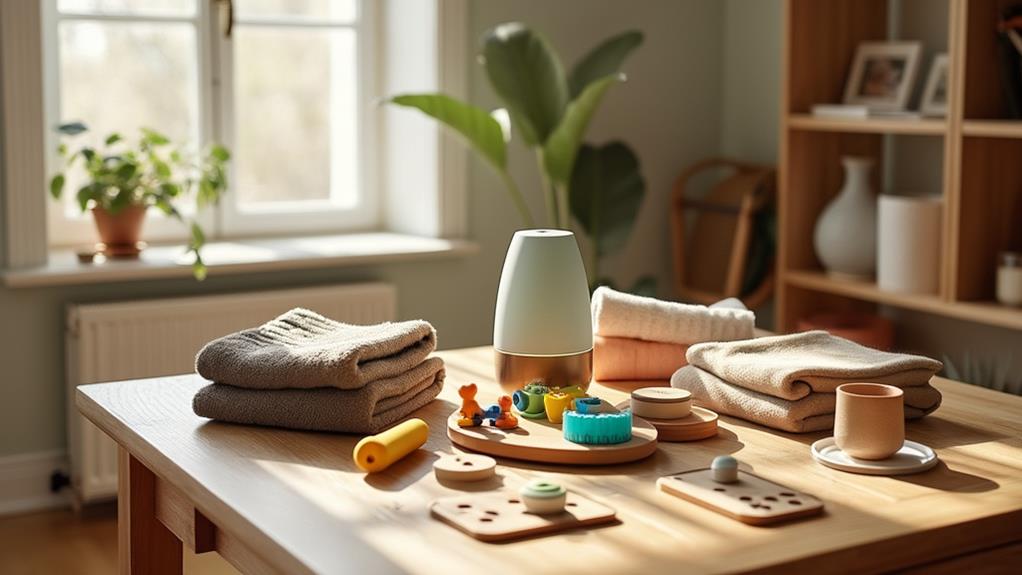
When selecting sensory tools for Alzheimer's patients, prioritize understanding their unique needs and personal history to ensure meaningful engagement. Personalize each item based on their past hobbies and favorite activities to enhance enjoyment. Always prioritize safety by choosing non-toxic and easy-to-handle tools.
Understanding Sensory Needs
Selecting the appropriate sensory tools for individuals with Alzheimer's begins with understanding their unique sensory needs. Alzheimer's patients experience a variety of sensory changes that influence their comfort and preferences. Recognizing these needs is crucial for choosing effective tools.
To guide your selection, consider the following aspects:
- Tactile Stimulation: Items such as fidget toys and sensory blankets are particularly beneficial for late-stage patients. These items provide comfort through diverse textures.
- Auditory Engagement: Tools like music boxes and sound machines can evoke cherished memories and reduce anxiety, thereby enhancing emotional well-being.
- Visual Stimulation: Devices such as digital photo frames and colorful light projectors help maintain cognitive function by encouraging reminiscence and providing familiar visuals.
- Personalization: Customizing sensory tools to reflect the individual's former hobbies or passions makes the engagement more meaningful and fosters a connection to past experiences.
- Stage-Specific Needs: Sensory needs vary depending on the stage of dementia. It is important to choose tools that align with the current abilities and preferences of the individual.
Personalizing Sensory Gifts
Personalizing sensory gifts for Alzheimer's patients involves understanding their unique sensory needs and preferences. Begin by exploring their personal history to uncover past hobbies, favorite activities, and cherished memories. This information will guide you in selecting sensory activities that hold significant meaning for them.
For those in late-stage dementia, tactile stimulation items such as textured puzzles or fidget toys can provide comfort and engagement. These tools cater to their need for physical interaction, offering a soothing sensory activity that aligns with their cognitive abilities.
Auditory engagement is another powerful approach. Music boxes or audiobooks featuring familiar tunes or stories can evoke emotions and memories, especially for individuals with a strong connection to certain sounds from their past.
Olfactory gifts, like scented oils or favorite snacks, can also be impactful. Scents associated with significant life events or loved ones can trigger nostalgic memories and enhance emotional well-being.
Regularly assess the effectiveness of these sensory gifts. Adjusting your approach based on their responses ensures continued engagement and comfort. This personalized strategy helps provide meaningful and resonant sensory experiences for Alzheimer's patients.
Ensuring Safety First
Before selecting sensory tools for Alzheimer's patients, it's essential to prioritize their safety. Ensuring a secure and comforting environment for your loved ones begins with choosing the right tools.
First, confirm that all sensory items are made from non-toxic materials and are free from small parts that could pose choking hazards, especially for patients with late-stage dementia who may explore objects by mouth. Opt for items that are easy to grip and manipulate, catering to elderly users with varying motor skills. Additionally, selecting machine-washable or easy-to-clean products helps maintain hygiene in care settings where these tools are frequently used.
Choose sensory tools specifically designed for late-stage dementia patients to ensure appropriate levels of engagement without causing overwhelm. Regularly assess the safety and effectiveness of the selected tools through caregiver feedback and patient responses to ensure they remain beneficial and enjoyable.
Consider these key points:
- Non-toxic materials: Ensures safety.
- No small parts: Prevents choking hazards.
- Easy to grip: Enhances usability.
- Machine-washable: Simplifies hygiene maintenance.
- Appropriate engagement: Tailored for late-stage dementia patients.
Caregiver Strategies and Tips
Caring for Alzheimer's patients requires thoughtful strategies to ensure they feel comfortable and engaged. In care facilities, integrating sensory activities into daily routines is essential. Consistency helps patients establish familiarity, which can be comforting. Using a fidget toy to keep their hands busy can provide a sense of calm and focus. However, monitor individual responses to these sensory items, as reactions can vary. Adjusting the level of stimulation ensures they aren't overwhelmed.
Using sensory items as conversation starters is another effective strategy. This can enhance social interaction between caregivers and patients, fostering better communication and connection. Simple items like textured fabrics or scented oils can trigger memories and stimulate dialogue, making the experience more meaningful.
Training staff on the effective use of sensory tools is crucial. Proper training ensures these tools are optimized during therapy sessions and daily care activities. Collaborating with families to select sensory items based on the patient's personal history and preferences can lead to more meaningful engagement. This personalized approach enhances emotional well-being and makes the care provided even more impactful. By incorporating these strategies, caregivers can create a supportive and engaging environment for Alzheimer's patients.
Related posts