DFW's Best Memory Cafés and Resources for Dementia Support
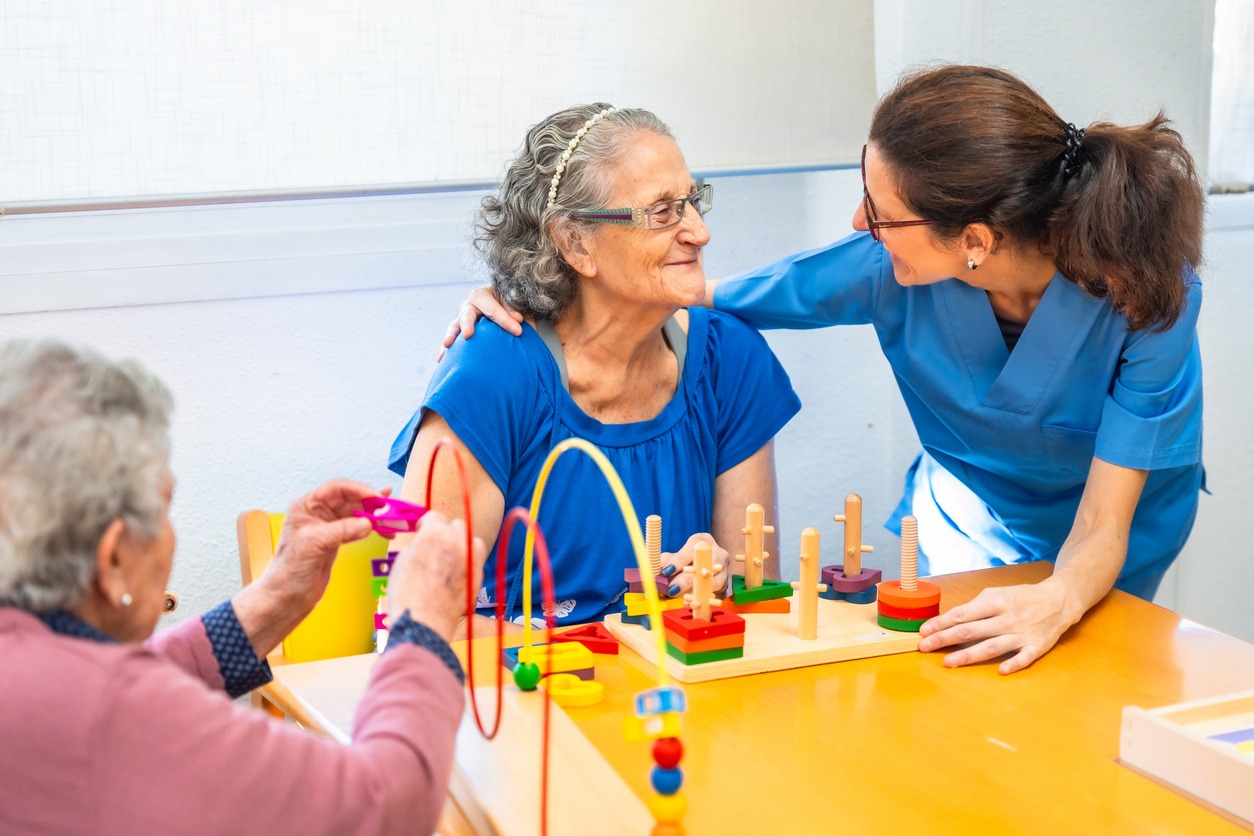
The Dallas-Fort Worth area offers several memory cafés supported by the Alzheimer's Association, with locations in Plano, Frisco, McKinney, and Dallas. You'll find specialized programs at the Meadows Museum and Dallas Museum of Art that engage those with dementia through art and music therapy.
Additional support comes from Dementia Friendly Dallas, The Senior Source's Dementia Live® program, and various transportation and meal services. Exploring these resources can transform your caregiving journey while enhancing your loved one's quality of life.
Understanding Dementia: Types, Symptoms, and Progression
When a loved one begins to show signs of cognitive decline, understanding dementia becomes essential for providing appropriate care and support. Dementia isn't a single disease but an umbrella term covering several progressive brain disorders, with Alzheimer's being the most common form.
While memory loss often appears first, dementia affects more than just recall. You'll notice your loved one struggling with thinking, problem-solving, language, and even visual perception. Daily tasks that were once routine may become challenging as the condition progresses.
It's important to identify which type of dementia you're dealing with—Alzheimer's, vascular, Lewy body, or frontotemporal—as each follows a different path and may require specific approaches. As cognitive abilities decline, your loved one will gradually need increasing levels of care and support.
Memory Cafés Across the Dallas-Fort Worth Metroplex
View this post on Instagram
The Dallas-Fort Worth metroplex offers a growing network of Memory Cafés, where individuals with dementia and their caregivers can gather in a safe, stigma-free environment. These welcoming gatherings offer meaningful connection through structured activities, light refreshments, and shared experiences. Preston Hollow Memory Café, held at the Dallas Public Library (5626 Royal Lane), meets on the 1st and 3rd Mondays of each month from 10:00 to 11:30 AM. It features games, conversation, and social time for both caregivers and individuals with dementia. Another popular site, the 5th Street Café and Care Partner Support Group, hosted by Dementia Friendly Fort Worth, provides a warm setting that combines caregiver support meetings with brain-engagement activities, gentle movement, and lunch for guests with memory loss. These programs are supported by Dementia Friendly Dallas and the Alzheimer’s Association Dallas and Northeast Texas Chapter, which also promote pop-up Memory Cafés throughout Plano, Frisco, McKinney, and other regional hubs. Together, they create vital social spaces that enhance quality of life while reducing isolation for both caregivers and care recipients. Understanding the world through the eyes of someone with dementia can transform how you provide care and support. The Senior Source offers an innovative program called Dementia Live®, simulating the cognitive and sensory challenges faced by those with memory loss. During this immersive experience, you'll gain firsthand insights into the daily struggles of dementia patients, fostering genuine empathy and patience. Whether you're a family caregiver or healthcare professional, this training equips you with more effective care techniques. The Alzheimer’s Association endorses programs like Dementia Live® to improve awareness and reduce stigma. Participating in this simulation helps caregivers understand behavioral shifts and respond with compassionate communication. Despite cognitive challenges, individuals with dementia can still experience joy and enrichment through Dallas-Fort Worth’s cultural institutions. The Dallas Museum of Art’s “Meaningful Moments” provides curated gallery tours for Alzheimer's patients and care partners, enhancing connection through art. At the Meadows Museum, Connections fosters creativity and interaction with art for those in early dementia stages. The Dallas Public Library offers intergenerational storytelling programs where seniors with dementia share life stories with children in a supportive setting. Meanwhile, the Dallas Park and Recreation Department runs adaptive fitness programs that focus on gentle movement and social inclusion. With CareYaya, trained student caregivers can accompany loved ones to these cultural programs for a more personalized experience. Caregiving for a loved one with dementia can be overwhelming without access to reliable support systems. The North Central Texas Area Agency on Aging provides help through caregiver education, respite care, and case management services. Support groups funded by the Alzheimer's Disease Programs Initiative (ADPI) are available across counties including Erath, Hood, Parker, and Rockwall. These groups offer emotional relief and practical advice. For daily assistance, Meals on Wheels North Central Texas ensures nutritional needs are met, while STAR Transit and DART Paratransit provide dependable transportation to medical and social appointments. As dementia progresses, many families consider transitioning to specialized memory care communities. The Dallas-Fort Worth metroplex features numerous residential options offering secure, therapeutic environments. When evaluating facilities, consider their staff’s memory care training, resident engagement programs, security features, and cost structures. Top-rated centers emphasize routines, structured activities, and family involvement. Facilities such as Autumn Leaves, Silverado, and The Reserve at North Dallas are recognized for excellence in dementia care. These communities offer peace of mind for families and a higher quality of life for residents. Managing the financial burden of dementia care can be complex, but several resources can help families navigate costs. The Alzheimer’s Association Helpline (800-272-3900) offers guidance on accessing Medicaid, VA benefits, and long-term care insurance. In Texas, the Medicaid for the Elderly and People with Disabilities (MEPD) program helps cover long-term care for those who qualify. VA Aid and Attendance benefits are available to eligible veterans and their spouses to offset caregiving costs. The Area Agency on Aging and Long-Term Care Ombudsman Program can assist in evaluating insurance coverage, appealing denials, and understanding payment options to ensure continuous, high-quality care. As dementia limits independence, services for transportation and nutrition become vital. In DFW, organizations like STAR Transit and DART Mobility Management offer door-to-door services tailored to those with cognitive impairments. Meals on Wheels programs, such as those in North Central Texas, Palo Pinto, and Erath County, provide home-delivered meals and community dining options. These services reduce isolation and ensure basic needs are consistently met. Many local senior centers also provide combined services—transportation to meals, social activities, and health appointments—all essential to helping seniors age in place with dignity. Engaging activities play a critical role in maintaining cognitive function and emotional wellbeing for those with dementia. Programs like art therapy at the Dallas Museum of Art and gardening at the Dallas Arboretum offer sensory enrichment. Reminiscence therapy at Dallas Heritage Village connects seniors with their past through tactile and visual stimuli. Physical programs offered by Dallas Park and Recreation incorporate gentle exercise into routine care. Intergenerational activities at libraries and schools allow for meaningful interaction, enhancing mood and cognitive flexibility. These therapeutic programs help preserve identity while fostering social bonds. Caring for a loved one with dementia is less daunting when you're part of a supportive community. Organizations like the Alzheimer’s Association North Central Texas Chapter provide workshops, counseling, and online support groups. Dementia Friendly Dallas trains businesses and public agencies to better serve memory-impaired residents, creating a safer, more inclusive environment. Dallas County Area Agency on Aging acts as a central hub for accessing caregiving resources, financial aid, and wellness programs. By building a network with healthcare providers, nonprofits, and local government, you'll gain both emotional resilience and practical tools to navigate your loved one’s care with confidence.The Senior Source Dementia Live® Training Experience
Cultural Engagement Programs for Dementia Patients
Essential Caregiver Support Services in North Texas
Specialized Memory Care Facilities in DFW
Navigating Financial Assistance for Dementia Care
Transportation and Meal Services for Those with Memory Loss
Therapeutic Activities That Enhance Quality of Life
Building a Community-Based Support Network for Families
Related posts