February Activities for Seniors: Beat the Winter Blues With These Ideas
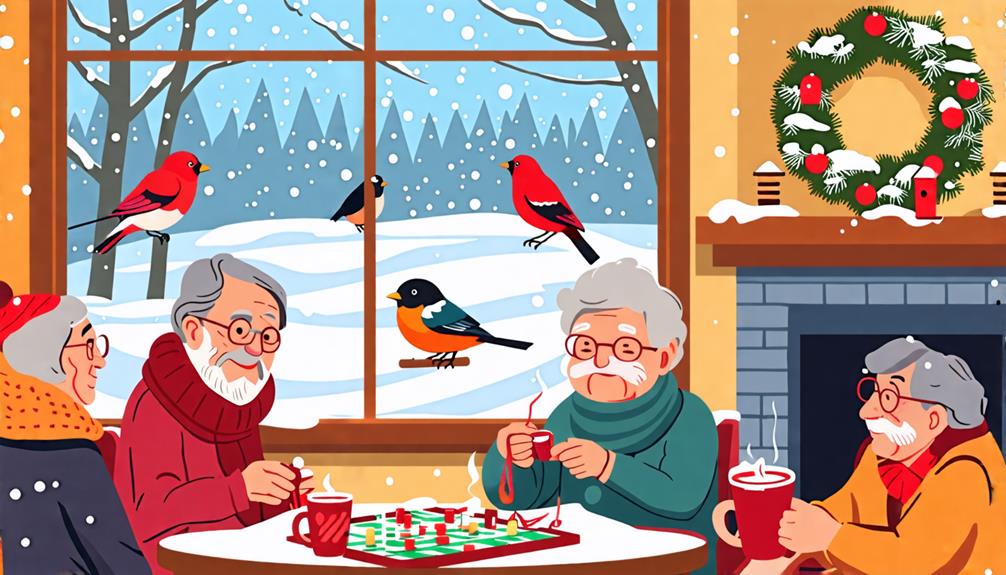
When February's chill sets in, it's essential to find activities that keep you engaged and uplifted. A mix of physical exercise, social interaction, and creative pursuits can significantly brighten your mood. Consider starting your day with a gentle yoga session, followed by a cozy afternoon crafting or trying out a new recipe. Engaging in meaningful conversations during community game nights or family visits can also make a world of difference. Curious about other ways to enhance your well-being this winter? Let's explore how you can make the most of this season.
Crafting
February's cold weather makes it the perfect time to engage in crafting hobbies that offer both creativity and warmth. Crafting isn't just a fun way to pass the time; it allows you to make something unique and satisfying. Whether you're an experienced crafter or just starting out, there are plenty of resources available to help you explore new projects.
Online platforms like Masterclass and Skillshare offer a variety of courses to guide you through different crafting techniques. If you prefer learning at your own pace, YouTube tutorials and crafting books provide easy access to step-by-step instructions.
One popular crafting activity is baking. Making sourdough bread or cookies not only fills your home with delightful aromas but also creates opportunities for social gatherings or family bonding. Another option is cooking ethnic meals, which allows you to explore different cultures while enjoying the process of meal preparation. For those who love a challenge, learning specific skills like French baking techniques—such as making croissants—can be particularly rewarding.
Educational Opportunities
Exploring educational opportunities can enrich your life and keep your mind sharp. Whether you're looking to learn something new or deepen existing skills, numerous options are available to keep you engaged and mentally active.
Consider the following opportunities:
- Local college classes: Many colleges offer free or reduced-rate courses specifically designed for seniors, allowing you to engage in lifelong learning affordably.
- Community center programs: Local community centers often provide various hobby classes, such as computer skills and pottery, which help you develop new skills and foster social interaction.
- Museum and gallery visits: Educational outings to museums and galleries offer enriching experiences in art and history, perfect for expanding your knowledge and sparking curiosity.
Continuous learning is crucial for mental wellness, helping to combat feelings of isolation and promoting cognitive health. Embrace these educational opportunities to stay sharp and connected with your community.
Focus on Wellness
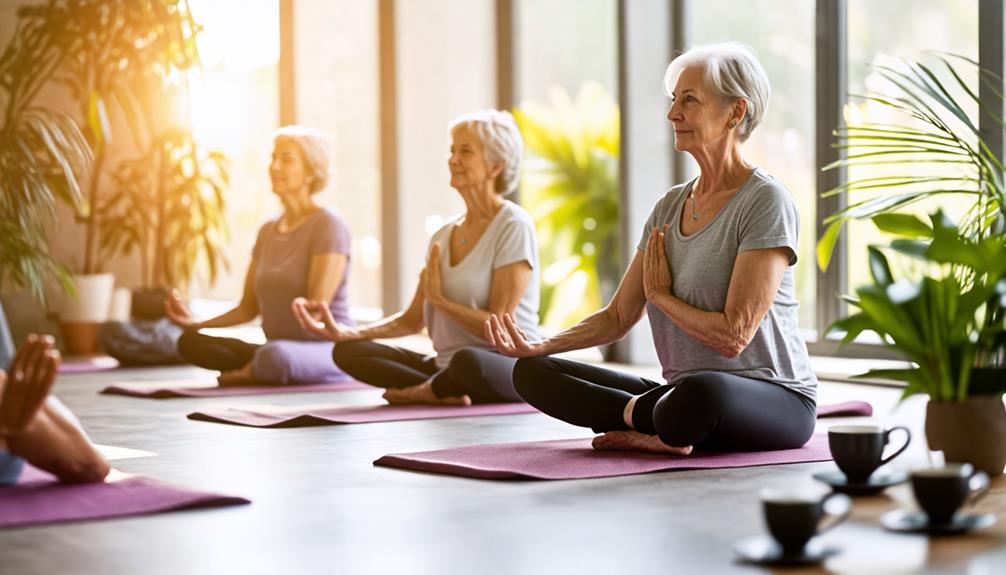
To enhance your well-being this February, begin with mindfulness and meditation using apps like Calm. Engage in physical activities such as yoga or joining a walking group to boost both mental and physical health. Treat yourself to a DIY spa day with homemade bath salts and candles for ultimate relaxation.
Meditation and Relaxation Practices
Integrating meditation and relaxation techniques into your daily routine can significantly enhance your mental well-being and alleviate stress. Dedicating time each day to these practices fosters a sense of calm and focus, aiding in more effective management of life's challenges. Tools like Calm and Insight Timer can guide you through meditation, simplifying the initiation or enhancement of your practice. Additionally, activities such as tai chi not only improve physical flexibility but also contribute to mental clarity and relaxation.
Here are some ideas to enrich your relaxation routine:
- Meditation Apps: Use apps like Calm and Insight Timer to guide your meditation sessions.
- Tai Chi Classes: Enroll in a local tai chi class to boost both physical and mental wellness.
- Mindfulness Exercises: Engage in deep breathing and mindfulness exercises to reduce anxiety.
Engaging Physical Activities
Regular physical activity is essential for enhancing both mental and physical wellness, especially during winter. Activities like yoga, tai chi, and water aerobics can significantly elevate mood and energy levels, serving as effective antidepressants. This is particularly beneficial for those experiencing Seasonal Affective Disorder (SAD), as regular exercise alleviates its symptoms and promotes overall well-being.
Joining an indoor walking group allows you to stay active without enduring the cold. The social interaction and consistent movement can significantly improve your mood during gloomy days. Aerobic exercises are especially effective in stabilizing mood, making them an excellent choice for combating the winter blues.
If you prefer staying at home, consider incorporating low-impact exercises such as stretching or resistance training into your routine. These activities not only reduce fall risk but also enhance overall physical health. Establishing a consistent exercise regimen keeps you motivated and engaged, ensuring a healthier lifestyle throughout the winter. So, don't let the cold weather hold you back—stay active and beat those winter blues!
DIY Spa Days
After staying active, treat yourself to a DIY spa day to foster relaxation and self-care right at home. Creating a soothing environment can do wonders for your mental wellness, especially during the winter months. Combat those winter blues by indulging in simple yet effective spa treatments that you can easily prepare.
Setting up your DIY spa day can be incredibly rewarding and straightforward. Here are some ideas to get you started:
- Homemade Bath Salts: Combine Epsom salt with your favorite essential oils like lavender or eucalyptus. This can help relieve muscle tension and promote relaxation.
- Calming Candles: Light some scented candles to create a peaceful atmosphere. Scents such as lavender or eucalyptus are particularly good for stress relief.
- Facials: Use natural ingredients like honey and oatmeal to create facial masks. These can improve skin health and make you feel pampered.
Understanding Winter Blues
Seasonal Affective Disorder (SAD) can make winter months particularly challenging, especially for seniors. Affecting about 5% of the U.S. population, SAD manifests with symptoms like fatigue, depression, and social withdrawal. Women are more frequently diagnosed with SAD, constituting about 60% of cases. Symptoms typically emerge in late fall and subside in the spring.
The primary cause of SAD is reduced sunlight exposure during the winter, which lowers serotonin levels, a neurotransmitter essential for mood regulation. Reduced serotonin can lead to feelings of sadness and lethargy. Fortunately, there are effective strategies to combat this condition. Experts recommend 15-30 minutes of daily sunlight exposure to enhance mood and stimulate Vitamin D production, crucial for mental health.
Light therapy is another proven method to alleviate SAD symptoms. Using a 10,000-lux light box daily can significantly improve mood by mimicking natural sunlight and boosting serotonin levels. Understanding these factors helps explain the winter blues and equips you to address them effectively.
Coping Strategies

To combat winter blues, incorporate regular physical activity into your routine to boost your mood and energy levels. Complement this with a balanced diet rich in omega-3 fatty acids, fruits, and vegetables to support mental health. These strategies can significantly improve your well-being during the colder months.
Regular Physical Activity
Regular physical activity can alleviate winter blues by releasing endorphins, which elevate mood and reduce depression. Engaging in even moderate exercise, such as a 30-minute daily walk, can significantly improve your mental well-being and combat the effects of Seasonal Affective Disorder (SAD). Here are some activities to help you stay active and uplift your spirits during February:
- Walking: A brisk walk not only gets you moving but also exposes you to natural light, which is crucial during winter months.
- Group exercises: Joining a yoga or tai chi class provides physical benefits and promotes social interaction, essential for mental health.
- Aerobic activities: Swimming or dancing can act as natural antidepressants, boosting mood and energy levels.
Maintaining a consistent exercise routine is key. It enhances your physical and mental wellness, especially during the colder season when staying active can be more challenging. Incorporating regular physical activity is a vital step toward overcoming the winter blues.
Balanced Diet
After adding regular physical activity to your routine, focusing on a balanced diet can further enhance your well-being during February. A diet rich in omega-3 fatty acids, found in fish, flaxseeds, and walnuts, supports mental health and alleviates symptoms of the winter blues. Including a variety of fruits and vegetables in your daily meals boosts nutrition and energy levels.
To stabilize blood sugar and improve mood, avoid unhealthy snacks and opt for complex carbohydrates like whole grains and legumes. Staying hydrated by drinking at least 8 glasses of water daily is essential for maintaining skin health and reducing fatigue, which can worsen feelings of depression.
Planning meals in advance promotes healthy eating habits and prevents reliance on takeout and unhealthy food choices during winter. This proactive approach ensures you always have nutritious options available, supporting both mental and physical health. By making these dietary adjustments, you can better cope with winter and maintain a positive outlook.
Sunlight and Light Therapy
Spending 15-30 minutes in sunlight each day can boost serotonin levels, improving your mood and alleviating symptoms of Seasonal Affective Disorder (SAD). Sunlight is a natural way to enhance mental health, especially during the gloomy winter months. When outdoor exposure isn't feasible, light therapy serves as an effective alternative. Using a 10,000-lux light box for about 30 minutes each morning can mimic natural sunlight, positively influencing brain chemicals associated with mood.
Consider these benefits of sunlight and light therapy:
- Mood Improvement: Natural light exposure increases serotonin, reducing depression.
- Vitamin D Production: Sunlight stimulates the production of Vitamin D, crucial for mental health.
- Enhanced Indoor Light: Maximizing indoor sunlight by opening curtains and trimming tree branches can help.
Optimizing exposure to natural light is simple and effective. Open your curtains to let in sunlight and take short walks outside when possible. If natural sunlight isn't an option, consider light therapy to help improve your mood.
Social Interaction
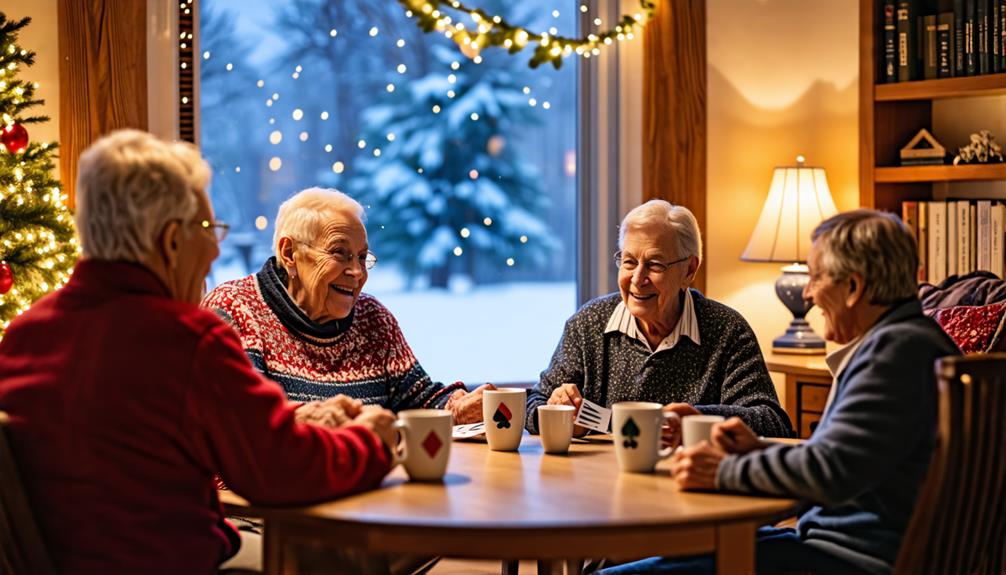
Connecting with others can significantly enhance seniors' emotional well-being, particularly during the winter months. Increased family visits offer companionship and joy, greatly improving your loved one's winter experience. Organize nostalgic activities during these visits, such as crafting or playing board games, to strengthen bonds and create joyful memories.
Utilizing technology for video chats is another effective way to combat feelings of isolation. Set up regular calls with family and friends, or participate in shared online activities to maintain social connections, even when it's too cold to go outside.
In senior living communities, organizing regular game nights can encourage social interaction. Gather residents for an evening of board games, laughter, and friendly competition to break the monotony and bring everyone together.
Additionally, planning after-lunch entertainment like puzzles or collaborative crafts can keep seniors engaged and uplifted. These activities not only stimulate the mind but also provide opportunities for meaningful social interaction. By incorporating these ideas, you can help seniors beat the winter blues and stay emotionally healthy through the colder months.