Fidget Toys for Dementia Patients: Improving Focus and Engagement

Fidget toys are not just for kids; they can also be incredibly beneficial for dementia patients. These simple tools provide essential sensory stimulation, which can improve focus and engagement. They help reduce anxiety, promote emotional regulation, and support cognitive function. Selecting the right fidget toy tailored to an individual's preferences can make a significant difference in their daily care routine. So, how do you choose and implement these tools effectively? There's a lot to consider to ensure maximum benefits and personalized care.
Understanding Dementia
Understanding dementia involves recognizing it as a progressive neurological disorder that impairs memory, thinking, and behavior. Affecting over 55 million people worldwide, dementia—including Alzheimer's disease, which accounts for 60-80% of cases—presents significant challenges such as memory loss, confusion, and language difficulties. These symptoms can hinder daily activities, placing a substantial burden on both patients and caregivers.
Effective management of dementia extends beyond addressing cognitive decline. It encompasses strategies that enhance engagement and provide sensory stimulation. Sensory activities can be therapeutic, alleviating anxiety and promoting calmness. Caregivers need to understand these therapeutic benefits to create supportive environments for their loved ones.
Early diagnosis and intervention are crucial, enabling personalized care that can significantly enhance quality of life. Focusing on activities that stimulate cognitive function and reduce stress can help manage symptoms more effectively. This approach benefits not only those living with dementia but also their caregivers, making daily activities more manageable and reducing stress for everyone involved.
Benefits of Fidget Toys
Fidget toys can significantly enhance the well-being of dementia patients by offering essential sensory stimulation and reducing anxiety. These simple tools provide various benefits that improve the daily lives of those suffering from dementia. Engaging with fidget toys can help in the following ways:
- Sensory stimulation: Fidget toys offer tactile and visual stimulation, which can soothe and calm dementia patients.
- Anxiety reduction: The repetitive motions involved in using fidget toys can lessen anxiety and agitation, promoting a sense of calm.
- Emotional regulation: Regular use of fidget toys aids in emotional regulation, helping patients better manage their feelings.
Moreover, engagement with fidget toys can bolster cognitive function and memory. Tactile manipulation helps preserve motor skills, which is crucial for maintaining independence. Personalizing these toys based on individual preferences and history can enhance their effectiveness in promoting engagement and comfort. Research indicates that fidget toys also foster social interaction and communication, further improving the quality of life for individuals with dementia. In conclusion, incorporating fidget toys into the daily routine of dementia patients can provide substantial benefits, enhancing their overall well-being.
Cognitive Engagement
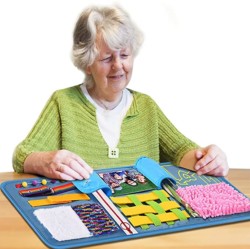
Fidget toys can be effective tools for enhancing motor skills and mitigating cognitive decline in individuals with dementia. Regular engagement with these toys helps maintain brain activity and improve focus. This tactile stimulation aids in preserving motor skills and supporting overall cognitive function.
Enhancing Motor Skills
Introducing fidget toys into daily routines can help dementia patients maintain and enhance their fine motor skills through engaging, tactile experiences. These toys are specifically designed to promote hand manipulation, thereby supporting fine motor dexterity, sensory stimulation, and cognitive engagement.
Fidget toys offer several benefits for dementia patients:
- Hand manipulation: Regular use helps maintain strength and coordination in the hands and fingers.
- Sensory stimulation: The tactile sensations provided by the toys can be both soothing and engaging, keeping the brain active.
- Cognitive engagement: Focusing on the movements and textures of the toys promotes mental stimulation.
Reducing Cognitive Decline
In addition to enhancing motor skills, fidget toys can play a crucial role in maintaining cognitive function in dementia patients. These toys offer sensory stimulation that can trigger memories and improve emotional regulation. Incorporating fidget toys into daily routines can promote sustained attention and alleviate anxiety and agitation, common symptoms in dementia.
Fidget toys encourage cognitive engagement through diverse tactile and sensory experiences, which can slow cognitive decline and enhance focus and general well-being. Personalized toys, tailored to individual preferences and histories, can lead to greater cognitive engagement and improved quality of life.
Observational studies indicate that dementia patients who regularly use fidget toys show improvements in emotional regulation and cognitive function. The gentle stimulation provided by these toys helps maintain brain activity, offering a simple yet effective way to support cognitive health. Integrating fidget toys into daily activities not only offers sensory stimulation but also creates opportunities for meaningful engagement and connection. This holistic approach can significantly reduce cognitive decline and enhance the overall quality of life for dementia patients.
Choosing Fidget Toys
Selecting appropriate fidget toys for dementia patients requires personalization based on their history, hobbies, and preferences to ensure effective engagement and comfort. These toys should provide sensory stimulation while being safe and easy to use. Consider the patient's individual history and current preferences to choose fidget toys that resonate with them and keep them engaged.
Safety is paramount. Ensure that the fidget toys are free from small detachable parts and sharp edges, and that they are durable and easy to handle. To enhance sensory engagement, incorporate a variety of textures, colors, and shapes. This variety caters to different sensory preferences and maintains a stimulating experience.
Key considerations include:
- Observing current behaviors and preferences.
- Selecting toys that align with their history and hobbies.
- Ensuring toys are safe and free from small parts.
Caregivers should continuously assess the effectiveness and engagement of the fidget toys. As individual needs may change over time, it's essential to adapt and update the toys as necessary to ensure ongoing benefit and comfort.
Implementing in Care

To effectively implement fidget toys in dementia care, it is essential to plan their use during moments when patients are most anxious or agitated. Regularly evaluate the effectiveness of the toys and adjust them to align with the changing needs and preferences of the patients. This continuous assessment ensures that the toys remain engaging and beneficial, providing optimal support in managing anxiety and agitation.
Timing and Planning
Careful planning and timing are crucial for integrating fidget toys into the daily routines of dementia patients. As a caregiver, you need to assess when residents are most likely to benefit from these tools. For example, addressing anxiety or agitation during specific times of the day when they may feel more restless can greatly improve their mood and engagement.
By establishing a well-thought-out routine, you can enhance the therapeutic benefits of fidget toys for those with cognitive impairments. Here are some key considerations:
- Timing: Identify periods when residents are typically anxious or agitated and introduce fidget toys during these times.
- Planning: Develop a consistent daily schedule that includes fidget toy activities to create predictability and structure.
- Engagement: Tailor the use of fidget toys to individual preferences and needs, ensuring they remain effective and engaging.
Incorporating these elements into your care plan can transform how dementia patients interact with their environment, making them more comfortable and engaged while reducing anxiety. Remember, the key to success lies in thoughtful timing and detailed planning.
Continuous Assessment
Regularly monitoring how dementia patients interact with fidget toys ensures they remain effective and enjoyable. Continuous assessment involves the caregiver closely observing engagement levels and noting any behavioral changes. Documenting these observations provides valuable feedback, aiding in the selection and adjustment of fidget toys to better suit the patient's needs.
Rotating or introducing new fidget toys is vital to maintaining interest and preventing boredom. This practice ensures that sensory experiences remain fresh and stimulating, providing comfort and engagement. Pay attention to how each toy affects the patient's mood and focus, as these insights are crucial for tailoring sensory experiences to their evolving needs.
Collaboration between the caregiver and the patient is key. Encourage feedback from both the patient and fellow caregivers, fostering a team approach to optimizing the use of fidget toys. Regularly evaluate and discuss the effectiveness of the toys, making adjustments as needed based on continuous assessment. This method ensures that fidget toys not only provide comfort but also improve the overall quality of care for dementia patients, keeping them engaged and content.
Continuous Assessment
Continuous assessment ensures that fidget toys remain effective and engaging for dementia patients by adapting to their evolving needs and preferences. By observing how patients interact with these toys, caregivers can document behavioral changes, emotional responses, and engagement levels. This ongoing evaluation allows for adjustments in toy selections to maximize therapeutic benefits.
Caregiver observations are crucial in this process. Regularly monitor the patient's:
- Emotional responses to the toys.
- Behavioral changes during and after use.
- Engagement levels with different types of fidget toys.
Maintaining a feedback loop with both patients and family members helps refine care strategies to meet the patient's needs. Discussing the effectiveness of the fidget toys frequently gathers valuable insights for necessary adjustments. Incorporating a variety of fidget toys and rotating them regularly can help maintain interest and engagement, providing essential sensory stimulation.
Continuous assessment enhances the overall care experience for dementia patients. By staying attentive and responsive, caregivers can ensure that the selected fidget toys continue to offer meaningful engagement and emotional comfort.
Related posts