Fidget Toys for People With ADHD: Tools for Improved Focus and Attention
If you're looking for ways to support someone with ADHD, fidget toys can offer surprising benefits. These tools can improve focus and reduce anxiety by providing sensory stimulation, transforming restlessness into productive energy. Stress balls and sensory rings are popular choices. But how do you choose the right type for different needs? And what does the research say about their effectiveness in classroom settings? Understanding these aspects can change how you approach ADHD management.
Understanding ADHD
Understanding ADHD
When trying to understand ADHD, it is vital to recognize its core symptoms: hyperactivity, impulsivity, and inattention. ADHD, or Attention-Deficit/Hyperactivity Disorder, is a common neurodevelopmental disorder diagnosed primarily in childhood, affecting around 5% of children worldwide. These symptoms can greatly impact a child's daily functioning, often leading to difficulties in academic and social settings.
Children with ADHD frequently exhibit behaviors such as forgetting items, excessive talking, and trouble taking turns. They may also struggle to maintain focus on tasks, making learning and completing assignments challenging. You'll often notice that these children are more prone to fidgeting and restlessness. This is where fidget toys come into play, as they can provide a physical outlet for their energy, potentially aiding concentration.
Effective management of ADHD typically involves a combination of medication and therapy. Early diagnosis and intervention are crucial. Research indicates that untreated ADHD can lead to complications such as academic failure, low self-esteem, and a higher risk of other mental health issues. Understanding these aspects is the initial step in supporting children with ADHD, helping them navigate their challenges with better focus and self-regulation.
Benefits of Fidget Toys
Fidget toys offer numerous benefits for children with ADHD, aiding in channeling their energy and enhancing focus. These toys are not just entertaining; they serve as effective tools to boost attention in classroom settings. Research indicates that nearly 70% of children with ADHD experience improved cognitive performance by up to 30% when using fidget toys. By engaging in simple, repetitive motions, children can better maintain their concentration on more demanding tasks.
Teachers also observe the positive impact of fidget toys. Surveys reveal that 85% of teachers report improvements in student behavior and engagement when these toys are used, leading to fewer distractions and a more conducive learning environment for everyone.
Fidget toys provide valuable sensory stimulation, significantly reducing anxiety levels by up to 50% for neurodiverse individuals. This sensory input aids children with ADHD in self-regulation, allowing them to channel excess energy into controlled activities rather than disruptive behaviors. Additionally, fidget toys can enhance fine motor skills, making them a practical and multifaceted tool for managing ADHD symptoms. The benefits of fidget toys extend beyond mere distraction, offering substantial improvements in focus, behavior, and emotional well-being.
Types of Fidget Toys
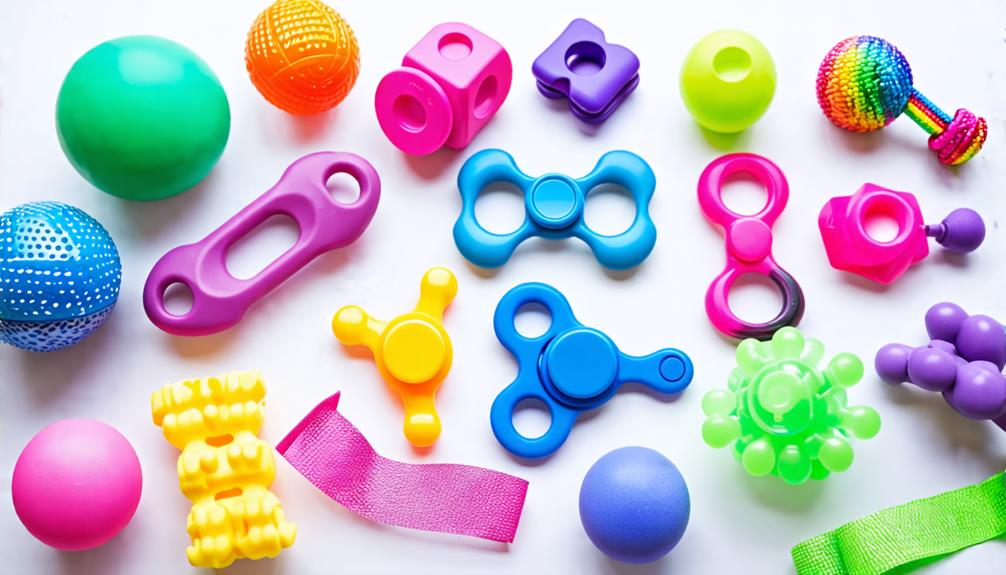
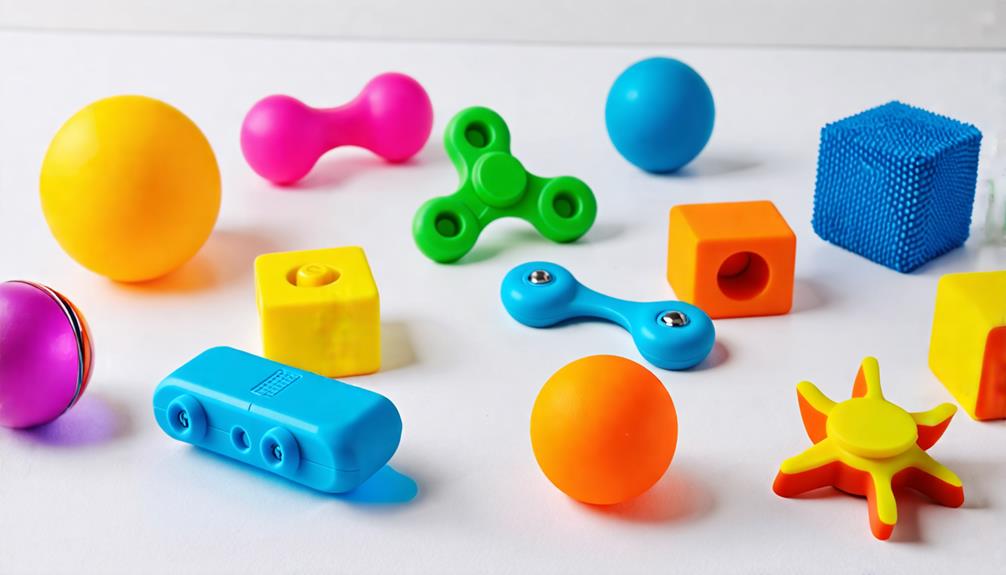
When choosing fidget toys for ADHD, you'll find a range of options like stress balls, fidget spinners, and chewable jewelry, each catering to different sensory needs. These toys engage various senses, help maintain focus, and reduce anxiety. Some are designed to be discreet, making them suitable for classroom use.
Popular Fidget Toy Varieties
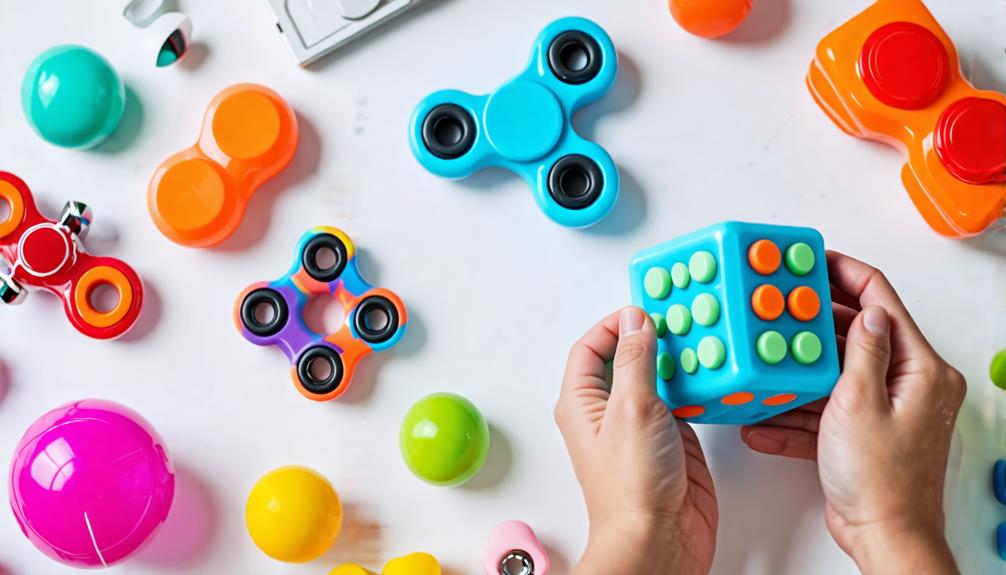
Exploring different types of fidget toys can help effectively manage ADHD symptoms. Popular varieties include stress balls, fidget spinners, sensory toys, and chewable jewelry.
Stress balls provide tactile feedback and stress relief, making them ideal for squeezing to manage restlessness and maintain focus.
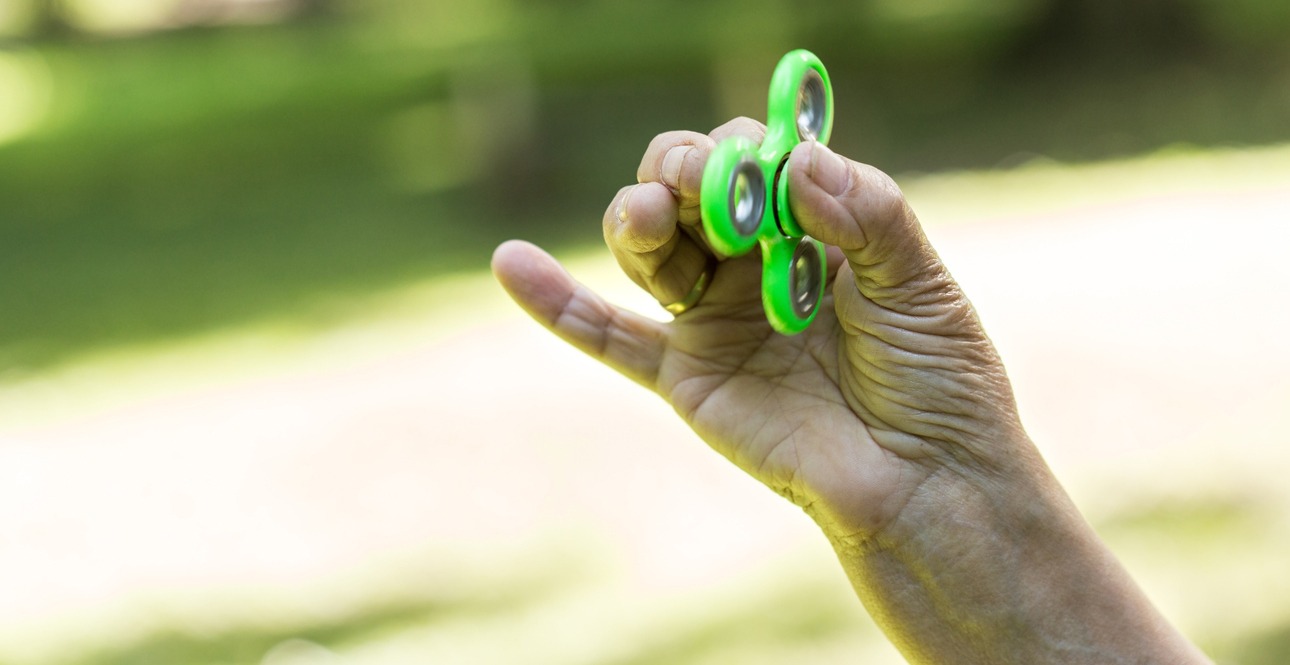
Fidget spinners are designed to spin with one hand, keeping your hands busy and promoting attention while reducing distractions. They are especially useful for tasks requiring prolonged concentration.
Sensory toys, such as Tangle and Pop-it toys, offer various forms of sensory stimulation. Tangle toys consist of interlocking segments that twist and turn, providing a satisfying sensory experience that enhances concentration. Pop-it toys feature pokeable bubbles that deliver both tactile and auditory feedback, making fidgeting engaging and enjoyable.
Chewable jewelry caters to oral sensory needs, allowing you to channel energy and anxiety through chewing. This can significantly improve focus and self-regulation.
Choosing the right fidget toy can significantly impact the management of ADHD symptoms.
Sensory Engagement Features
Understanding the sensory engagement features of different fidget toys can help you select the most effective tools for managing ADHD symptoms. Fidget spinners are designed for one-handed spinning, providing continuous tactile input that helps maintain focus and reduce distractions. The rotation keeps your hands busy in a subtle yet effective manner.
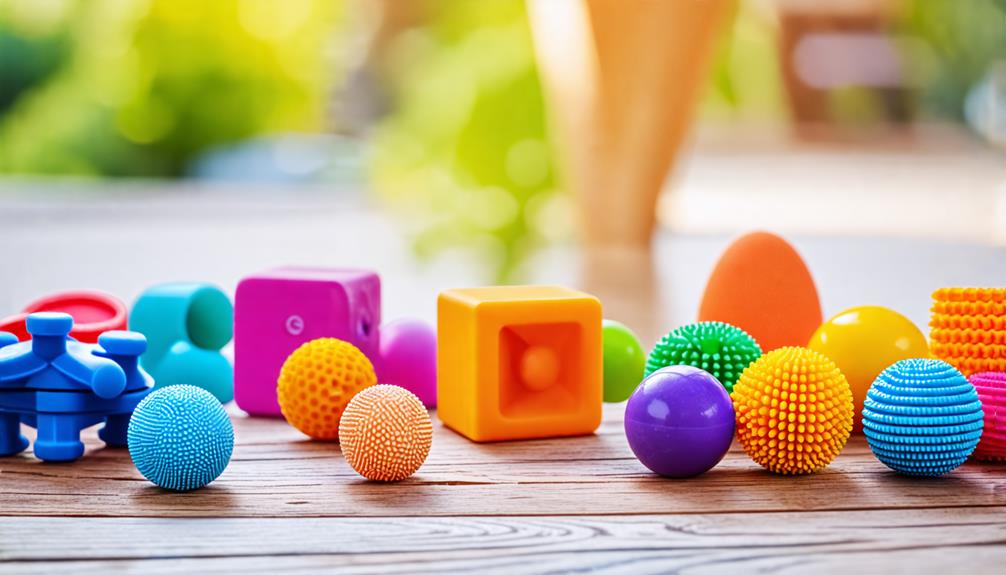
Stress balls offer another form of sensory engagement, allowing you to release physical energy when feeling stressed or overwhelmed. The resistance and varied textures of stress balls can also promote fine motor control, making them a dual-purpose tool.
Tangle toys consist of interconnected segments that you can twist and turn, providing a satisfying tactile experience. These toys are excellent for enhancing fine motor skills while keeping your hands engaged. The constant movement required by tangle toys can help you stay focused and calm.
Chewable jewelry caters to oral sensory needs, allowing you to fidget safely while promoting calmness and focus. Pop-it toys feature silicone trays with pokeable bubbles, offering a satisfying sensory experience. They're popular for tactile engagement and stress relief, making them a versatile choice for managing ADHD symptoms.
Classroom-Friendly Options
Selecting the right fidget toys can significantly enhance focus and reduce distractions for students with ADHD in the classroom. Stress balls are an excellent option. These portable, squeezable toys provide tactile feedback and relieve stress, helping students stay focused. They're easy to use and discreet, making them ideal for classroom settings.
Fidget spinners are another popular choice. Designed to spin with one hand, these toys help redirect energy and improve concentration without being overly distracting. They can be used quietly, ensuring they don't disrupt the learning environment.
Tangle toys, with their interlocking segments, offer a satisfying sensory experience. These toys promote engagement and fine motor skill development, making them suitable for discreet use in classrooms. Their quiet nature ensures they won't draw unwanted attention.
Bouncy bands, which attach to chair legs, allow students to engage their feet in movement. This subtle activity has been shown to increase focus and decrease disruptive behaviors, making them a practical classroom-friendly option.
Popular Fidget Toys
When exploring popular fidget toys, you'll find that stress balls, fidget spinners, and sensory rings are top choices. Stress balls come in various textures and resistance levels to cater to different preferences. Fidget spinners and sensory rings offer unique benefits, aiding individuals with ADHD in maintaining focus and calmness.
Common Stress Ball Types
Stress balls come in various types, each offering unique tactile sensations and stress-relief benefits. As fidget toys, they can help improve focus and fine motor skills.
One popular type is the bean bag variety, commonly seen as hacky sacks in America. These provide a soft, flexible texture that's satisfying to squeeze. Foam stress balls, especially popular in Australia, offer firm resistance when squeezed, making them excellent for relieving tension.
Baoding balls from China are another intriguing option with a rich cultural history. Typically used in pairs, they produce soothing sounds and offer a unique tactile experience as you rotate them in your hand.
For durability and flexibility, stress balls made from closed-cell polyurethane foam rubber are top-notch. They last longer and are highly effective for stress relief. Mochi squishies, often shaped like animals or fruits, are crafted from silicone and are favored for their extraordinary squishiness, providing a delightful tactile sensation.
Lastly, gel-filled stress balls offer varying densities, catering to different tactile preferences. Their diverse textures provide a rich sensory experience, making them a versatile choice for stress relief.
Top Fidget Spinners
Exploring the top fidget spinners, you'll find various designs and features catering to different sensory preferences and needs. These handheld devices spin rapidly around a central pivot, offering a calming sensory experience, especially beneficial for individuals with ADHD. Fidget spinners can help improve focus and relieve tension, making them a popular choice for managing symptoms.
Fidget spinners come in diverse materials such as plastic and metal, each providing a unique tactile sensation. Some models incorporate colorful designs and LED lights, adding visual stimulation. Since their rise in popularity in 2017, the market has expanded considerably, offering a wide range of options to suit different tastes and preferences.
While many users report improved focus and reduced anxiety with fidget spinners, it's crucial to use them thoughtfully. In classroom settings, they can sometimes distract from academic tasks, so educators and parents should monitor their use to ensure they remain helpful tools. By choosing the right fidget spinner, you can enhance your ability to concentrate and manage stress, ultimately supporting your daily activities and mental well-being.
Sensory Rings Benefits
Sensory rings, with their textured surfaces, offer a practical way to redirect restless energy and improve focus, particularly for individuals with ADHD. By engaging in tactile exploration, these rings help channel energy into a more productive outlet. The rhythmic motion of manipulating sensory rings not only soothes but also enhances concentration, making it easier to stay on task.
Research indicates that sensory engagement through fidget toys like sensory rings can significantly increase attention spans and even academic performance in children with ADHD. These rings are discreet and portable, allowing use in classrooms or offices without causing distractions. They are a versatile tool that fits seamlessly into daily routines.
In addition, sensory rings provide a physical outlet for excess energy, which is essential for developing fine motor skills and hand-eye coordination. This added benefit supports everyday functioning, making tasks feel more manageable.
- Feel less anxious and more focused
- Improve academic performance
- Discreet enough for any environment
- Develop fine motor skills
Using sensory rings can be a game-changer, helping manage ADHD symptoms while improving general focus and productivity.
Stress Balls for ADHD

Many individuals with ADHD find that using stress balls can significantly improve focus and reduce restlessness during various tasks. These fidget toys offer a physical outlet for restless energy, helping to channel it in a way that enhances cognitive performance. By squeezing or manipulating a stress ball, one can make tasks like studying or working more manageable.
Research indicates that using stress balls can elevate cognitive performance by up to 30%, particularly benefiting children with ADHD by boosting their academic engagement. With a stress ball in hand, individuals are not just managing stress but also actively improving their concentration.
Stress balls also provide essential sensory stimulation, aiding self-regulation. They help manage anxiety by keeping the hands occupied, thereby reducing fidgeting and promoting a sense of calm. Surveys show that about 85% of teachers have observed positive changes in student behavior and engagement when stress balls are used in the classroom.
Incorporating stress balls into daily routines can greatly improve focus and help manage ADHD symptoms, making them an effective tool for both children and adults.
Materials and Safety
When selecting fidget toys for ADHD, prioritize those made from durable, non-toxic materials to ensure safety and longevity. Fidget toys made from silicone, polyurethane foam, and non-toxic plastics are designed to withstand frequent use, maintaining their effectiveness and safety over time.
Key safety considerations include:
- Avoid Choking Hazards: Ensure the toy does not have small parts that could pose a choking risk, especially for younger children.
- Non-Toxic Materials: Opt for toys explicitly labeled as non-toxic to avoid health risks.
- Age Appropriateness: Confirm the toy is suitable for the intended age group to prevent potential hazards.
- Quiet Operation: Select toys that operate quietly, ideal for settings like classrooms where noise can be disruptive.
Research Insights

To understand the impact of fidget toys on ADHD, it's essential to examine the latest research insights and studies that highlight their effectiveness. Research suggests that fidgeting can improve cognitive performance by up to 30%, particularly for children with ADHD, enhancing their ability to focus on tasks. This improvement in focus often translates to better engagement in classroom settings, where maintaining attention can be challenging.
A 2018 study indicated that while fidget spinners might offer short-term stress relief, they could also negatively affect attention levels. This underscores the need for careful consideration in educational environments. However, surveys show that 85% of teachers have observed positive changes in student behavior and engagement when appropriate fidget toys are used.
Additionally, data indicates that fidget toys can lower anxiety levels by up to 50%, providing significant benefits for neurodivergent children during stressful situations. These findings suggest that fidget toys can be a crucial tool for managing ADHD symptoms, though they should be integrated into a comprehensive ADHD management plan rather than relied upon solely.
Where to Buy
Fidget toys can be easily found at major retailers such as Amazon, Walmart, Target, and Barnes & Noble, both online and in physical stores. These popular locations offer a wide array of options, simplifying the process of finding the perfect fidget toy for children with ADHD. Specialty stores focusing on educational products or sensory tools also provide a variety of fidget toys designed to meet the specific needs of children with ADHD.
When shopping, prioritize safety features. Ensure the toys are made from non-toxic materials to guarantee they are safe for children. Check the age recommendations to avoid choking hazards, especially for younger children. Fidget toys are generally affordable, with prices ranging from $6 to $17.
Online marketplaces are particularly useful as they often include customer reviews and ratings. These insights can help you select the most effective fidget toys based on other users' experiences. Here are some considerations:
- Affordable price range
- Availability both online and in stores
- Specialty stores with tailored selections
- Non-toxic materials for safety
Related posts