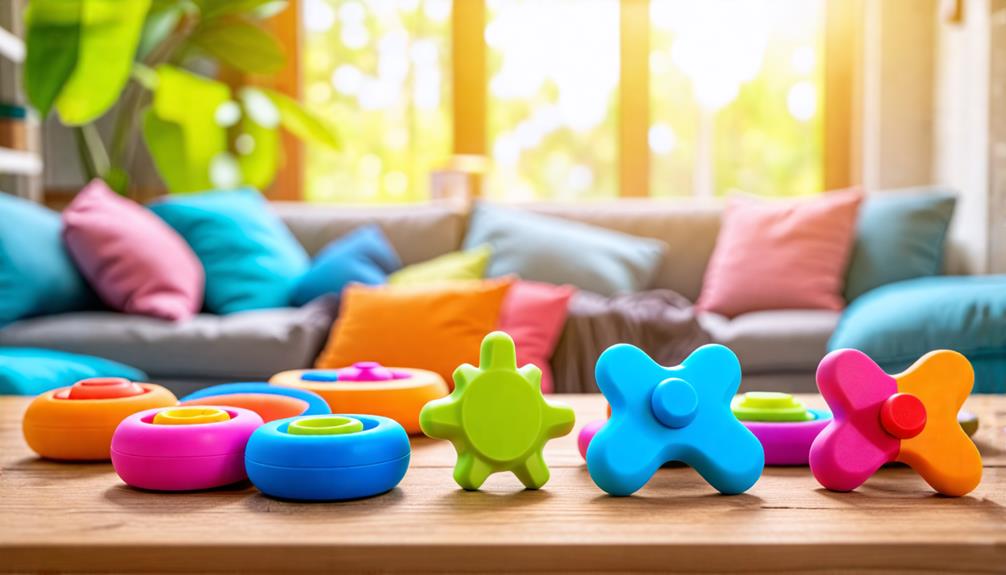
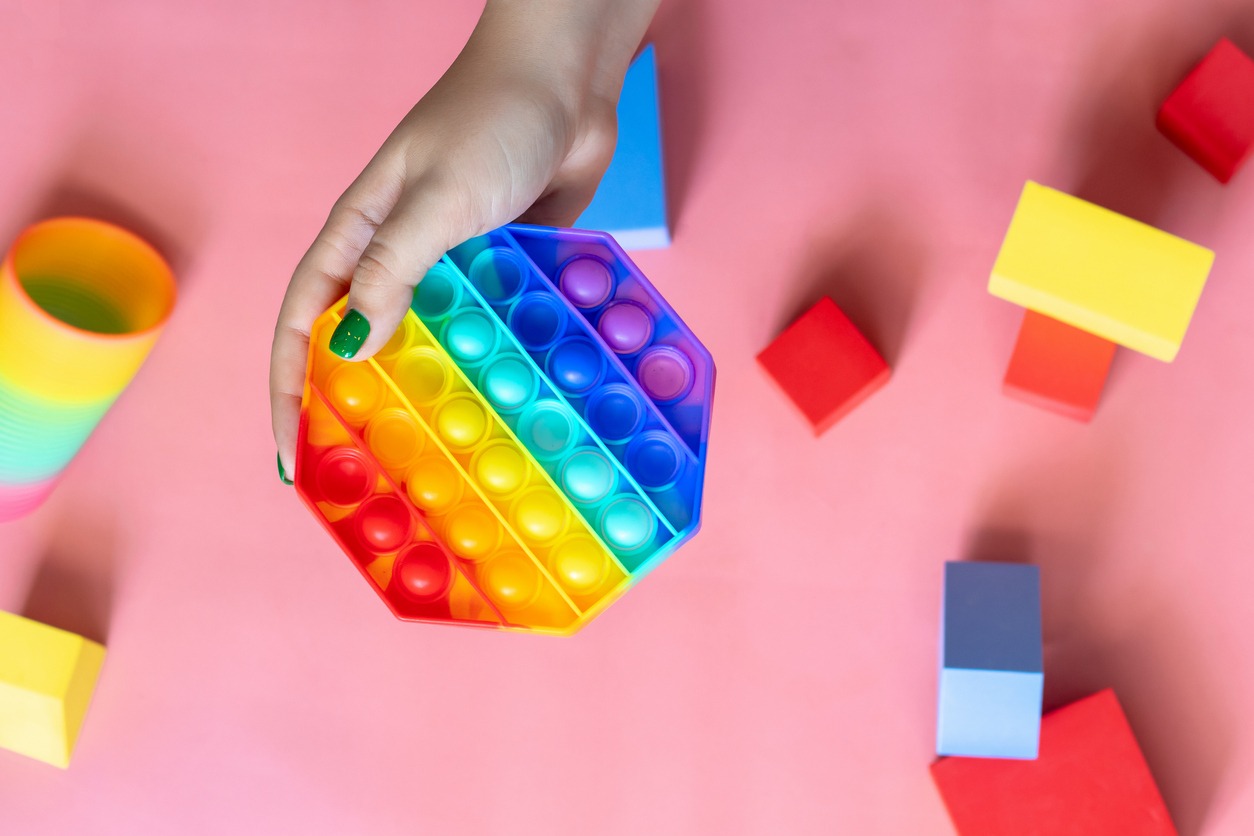
Fidget Toys for Seniors: Boosting Memory and Reducing Stress

Fidget toys may not be the first thing that comes to mind for supporting seniors, but they offer significant benefits. These simple tools engage multiple senses through varied textures and colors, stimulating cognitive functions and evoking positive emotions, especially for those with dementia. They aid in maintaining fine motor skills, encourage social interaction, and provide a comforting sense of security. These toys are not only enjoyable but also therapeutic. Interested in the different types and how to select the best one for your loved one? Let's explore further.
Understanding Fidget Toys
Fidget toys are versatile tools designed to provide sensory stimulation and engagement for seniors, particularly those with dementia. Available in various shapes, sizes, and textures, these toys cater to individual preferences and needs, effectively reducing anxiety and enhancing comfort. By integrating fidget toys into the daily routines of elderly individuals, you offer more than just a distraction; you provide an engaging activity that promotes relaxation and boosts mood.
For seniors with dementia, tactile engagement through fidget toys supports non-verbal expression, enabling them to convey feelings and needs without words. This sensory stimulation is crucial in memory care settings, where maintaining cognitive function is essential. Regular use of fidget toys can help slow cognitive decline, keeping the brain more active and engaged.
Furthermore, these toys can significantly improve fine motor skills, which are often impacted in elderly individuals. By incorporating fidget toys into their routines, you not only help reduce anxiety and agitation but also foster a sense of security and comfort. Overall, fidget toys offer a comprehensive approach to enhancing the well-being of seniors, making them a valuable asset in dementia care.
Types of Fidget Toys
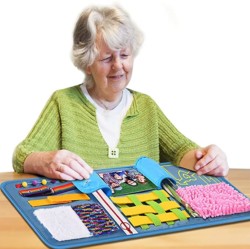
A variety of fidget toys are available to meet the unique needs and preferences of seniors, each offering specific benefits to enhance their well-being. Sensory fidget blankets and twiddles, for instance, offer rich sensory stimulation through diverse textures and colors, which are particularly effective for dementia patients by reducing anxiety and promoting calmness.
Another popular option is the Montessori Busy Cube. This versatile toy provides multiple activities to maintain fine motor skills and cognitive engagement, making it ideal for seniors seeking therapeutic benefits. Stress balls are also valuable for enhancing finger and joint dexterity. They serve as practical stress relief tools and often come with exercise sets to encourage physical activity.
For seniors requiring memory care, Geri-Gadgets and similar adult-oriented stimulation products are transformative. These products allow dementia patients to engage independently, promoting autonomy. These fidget toys offer sensory benefits and positively impact mood and cognitive function.
Incorporating these fidget toys into your daily routine can provide therapeutic benefits, whether for anxiety reduction, maintaining cognitive functions, or simply enjoying stress relief.
Benefits for Seniors
Fidget toys offer numerous benefits for seniors, enhancing overall well-being. They provide sensory stimulation that helps reduce anxiety and keep the mind engaged. Additionally, these toys can improve fine motor skills and foster social interaction, which are essential for maintaining cognitive and emotional health.
Sensory Stimulation Benefits
How can sensory stimulation through fidget toys improve the well-being of seniors? Sensory stimulation using fidget toys can significantly reduce anxiety and agitation, fostering a sense of calm and security. These toys engage multiple senses through different textures and colors, which can enhance cognitive function and memory retention, particularly in individuals with dementia. Manipulating these toys also helps seniors improve fine motor skills, vital for maintaining dexterity and hand-eye coordination.
Moreover, sensory toys can evoke positive emotions and memories, thereby lifting overall mood and significantly improving quality of life. Regular use can lead to more frequent and meaningful social interactions, facilitating non-verbal communication that helps seniors stay connected with caregivers and peers. This social engagement is crucial for emotional well-being and mental health.
Anxiety Reduction Techniques
Incorporating fidget toys into daily routines offers effective techniques for reducing anxiety in seniors. These toys provide essential sensory stimulation that can significantly improve mood and promote relaxation. When elderly individuals engage with fidget toys, they experience tactile interaction that helps redirect attention and alleviate feelings of restlessness or agitation. This sensory engagement is crucial for anxiety reduction, providing a straightforward yet effective method to manage stress.
Additionally, fidget toys contribute to enhanced cognitive function and memory retention. By engaging multiple senses, these toys help maintain mental sharpness and overall well-being. They also facilitate emotional release, particularly for seniors who may face communication challenges, offering comfort during stressful moments.
Incorporating fidget toys into daily routines can lead to decreased anxiety and an increased sense of security. This, in turn, improves the quality of life for elderly individuals by fostering a more relaxed and comfortable state of mind. By integrating these tools into everyday activities, you address anxiety while promoting broad mental and emotional health, making them a valuable addition to any senior's routine.
Cognitive Engagement Tools
Cognitive engagement tools like fidget toys offer seniors a practical way to stimulate their senses and maintain mental sharpness. These tools provide crucial sensory stimulation, helping to reduce anxiety and agitation, particularly in dementia patients. When seniors interact with fidget toys, they engage in tactile activities that promote brain activity, which can improve memory retention and cognitive function.
Fidget toys come in various textures and colors, making them appealing and engaging for diverse preferences. This variety encourages fine motor skills improvement and keeps hands busy, providing a productive outlet for repetitive behaviors. By redirecting these behaviors, fidget toys support emotional regulation and help maintain mental health.
For seniors, especially those in memory care settings, regular use of cognitive engagement tools can greatly enhance overall well-being and quality of life. These tools foster a sense of calm and comfort, making them a valuable addition to therapeutic interventions. Engaging with fidget toys routinely can help dementia patients feel more grounded and less anxious, contributing to better emotional and cognitive states. Incorporating fidget toys into daily routines can make a meaningful difference in the lives of seniors.
Promoting Sensory Engagement
Fidget toys offer a dynamic way to stimulate the senses, aiding seniors with dementia in enhancing their cognitive function and mood. Engaging with various textures and colors provides significant sensory engagement, which is crucial in reducing anxiety and agitation. These toys promote relaxation and provide a sense of security, making daily routines more manageable.
Manipulating fidget toys continuously encourages the development of fine motor skills and hand-eye coordination, essential for maintaining dexterity in elderly users. This sensory engagement not only aids in memory improvement but also facilitates emotional regulation, allowing seniors to handle their emotions better.
For those who struggle with verbal communication, fidget toys are invaluable. They offer a means of non-verbal expression, enabling seniors to interact meaningfully with their environment and caregivers. This interaction can be incredibly comforting and can significantly improve the quality of life for dementia patients.
Incorporating these sensory toys into daily routines can slow cognitive decline by keeping the mind actively engaged. By promoting sensory engagement, you're not only helping to improve memory but also providing a holistic approach to emotional and cognitive well-being.
Enhancing Cognitive Function

Enhancing Cognitive Function in Seniors with Dementia
Engaging with sensory-rich fidget toys can significantly enhance cognitive function in seniors with dementia. These toys provide essential sensory stimulation, engaging multiple senses to encourage brain activity and promote fine motor skills. Regular interaction with fidget toys can help slow cognitive decline and improve memory retention. Here's how they contribute to cognitive enhancement:
- Sensory Stimulation: Fidget toys engage touch, sight, and sometimes sound, activating different brain areas and helping to maintain cognitive function.
- Fine Motor Skills: Manipulating fidget toys requires precision and coordination, improving hand-eye coordination and fine motor skills critical for daily activities.
- Anxiety Reduction: Tactile engagement redirects attention, reducing anxiety and making it easier to focus on cognitive tasks, thus enhancing overall well-being.
- Mental Engagement: Fidget toys encourage mental activity, promoting better emotional regulation and social interaction.
Incorporating fidget toys into daily routines not only supports cognitive function but also promotes relaxation. Selecting toys tailored to individual preferences optimizes engagement and cognitive activity, ultimately contributing to enhanced well-being.
Reducing Anxiety and Stress
Beyond improving cognitive function, sensory-rich fidget toys play a crucial role in reducing anxiety and stress for seniors. By providing sensory stimulation, these toys can significantly decrease anxiety and agitation, promoting a sense of calm and security. For elderly individuals, especially those in memory care, engaging with fidget toys helps redirect attention and alleviate stress, making them feel more at ease.
The tactile elements of fidget toys, such as varying textures and colors, engage multiple senses and can distract from distressing thoughts and feelings. This sensory stimulation is particularly beneficial for seniors who may experience confusion and restlessness, as it can foster relaxation and emotional regulation. Incorporating fidget toys into daily routines not only improves cognitive function but also contributes to enhanced overall well-being.
Studies indicate that regular use of fidget toys can elevate memory and cognitive function in seniors, which, in turn, improves their emotional well-being. By integrating these toys into memory care settings, elderly individuals can manage stress more effectively and maintain a higher quality of life. Ultimately, fidget toys serve as valuable tools in promoting both mental and emotional health for seniors.
Choosing the Right Toy

When selecting the right toy for a senior, consider their personal history and preferences to ensure it effectively reduces anxiety and promotes calm. Fidget toys can be beneficial, but they must align with the individual's needs. Begin by observing their behaviors and cognitive abilities to ensure the toy doesn't cause frustration or confusion.
Safety is crucial; choose toys free from small parts or sharp edges and made from non-toxic materials. Opt for items that offer a variety of sensory experiences to cater to different sensory needs, enriching their engagement.
Here are four key factors to keep in mind:
- Personal History and Preferences: Understanding their background and interests can enhance engagement.
- Cognitive Abilities: Choose toys that match their mental capabilities to avoid frustration.
- Safety: Ensure the toys are safe, avoiding small parts and harmful materials.
- Wide Sensory Experiences: Look for toys with diverse textures, colors, and sensations to meet different needs.
Caregiver Tips and Insights
When selecting fidget toys for seniors, it is crucial to equip caregivers with practical tips and insights to enhance therapeutic benefits. Caregivers should begin by observing each senior's preferences and behaviors to choose fidget toys that address their unique needs and history. This personalized approach ensures maximum engagement and effectiveness.
Incorporating fidget toys into daily routines can significantly boost cognitive stimulation and emotional regulation. For dementia patients, these toys offer sensory stimulation that promotes calmness and reduces anxiety. Regular monitoring and assessment of how seniors interact with these items are essential to adapt care plans and maintain the effectiveness of these sensory tools.
Training caregivers on the therapeutic benefits and proper use of fidget toys can greatly improve patient outcomes. Encouraging family involvement in selecting and using these toys fosters deeper connections and insights into seniors' preferences, thereby enhancing engagement and comfort.
Related posts