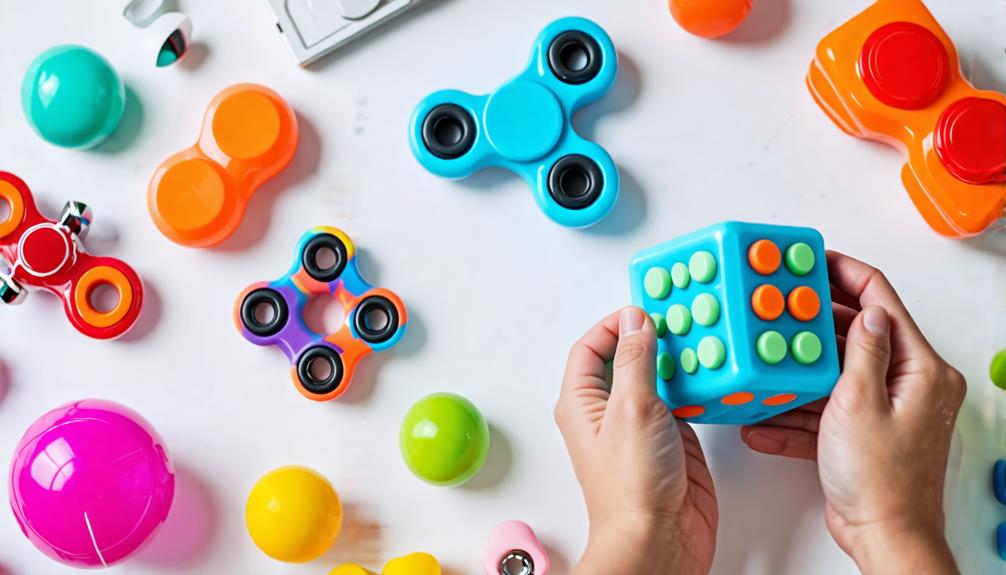
Fidget Toys for Sensory Processing Disorder: Tools for Self-Regulation
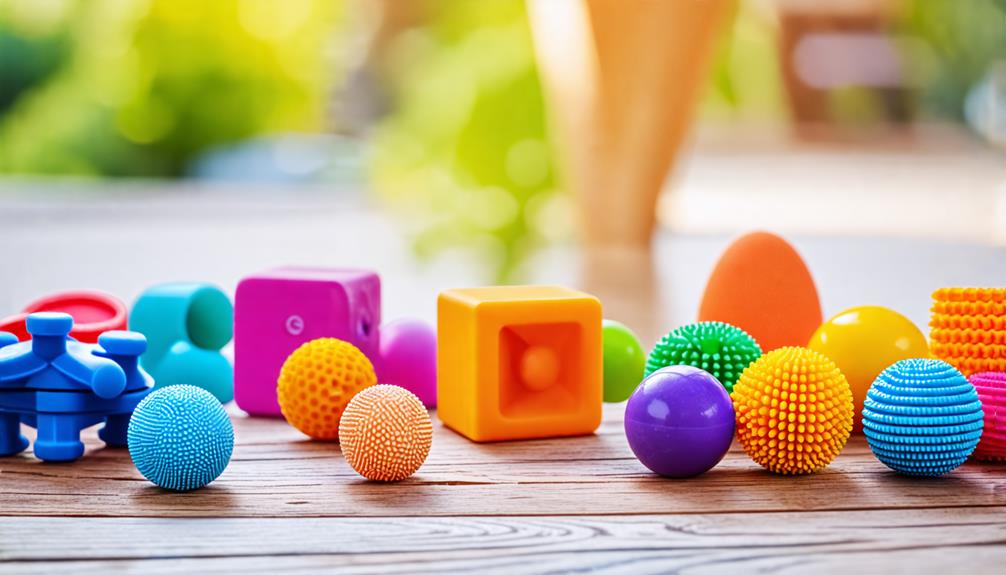
When managing Sensory Processing Disorder (SPD), fidget toys might not be the first solution that comes to mind. However, these simple tools can significantly aid in self-regulation by providing essential sensory input. Fidget toys like Simple Dimple and Wacky Tracks help channel restless energy and manage overwhelming sensory experiences more effectively. By incorporating these tools into daily routines, individuals with SPD can create a more manageable sensory environment, fostering emotional stability and improved concentration. Interested in how fidget toys can enhance your approach to SPD management?
Understanding Sensory Processing Disorder
Sensory Processing Disorder (SPD) affects how the brain interprets sensory information, leading to either heightened or diminished reactions to environmental stimuli. Individuals with SPD may find everyday sensory inputs like sounds, textures, and lights either overwhelming or barely noticeable. This can make routine tasks, such as getting dressed or navigating a crowded room, exceptionally challenging.
Effective management of SPD begins with understanding the disorder. SPD can impact self-regulation, making it difficult to control responses to sensory inputs. This can contribute to struggles with managing anxiety, as unexpected stimuli can trigger stress or discomfort.
Sensory tools, including sensory fidgets, play a crucial role in helping individuals process sensory information more effectively. These tools can assist in creating a more predictable and manageable sensory environment, thereby reducing anxiety and improving focus. Early intervention and the appropriate use of sensory tools can significantly enhance how individuals with SPD experience and interact with the world, leading to a more balanced and fulfilling life.
Benefits of Fidget Toys
Fidget toys offer numerous benefits, particularly for individuals with Sensory Processing Disorder, by providing effective tools to manage sensory challenges. Engaging with fidget toys can significantly improve focus and concentration by redirecting restless energy, which is beneficial for those who struggle with maintaining attention.
Additionally, fidget toys play a crucial role in reducing stress and anxiety. They offer a tactile outlet that helps individuals cope better in overwhelming environments. The sensory stimulation from these toys encourages exploration, thereby enhancing fine motor skills and hand-eye coordination.
Moreover, fidget toys are excellent for emotional self-regulation. They assist in managing sensory overload, helping individuals remain calm during challenging situations. Regular use satisfies the need for movement and sensory input, thereby increasing productivity without causing distractions.
In essence, fidget toys serve as invaluable aids for self-regulation. They facilitate more effective navigation of day-to-day tasks by providing necessary sensory stimulation. Whether in an educational or therapeutic setting, fidget toys can significantly enhance one's ability to focus, cope with stress, and improve fine motor skills.
Popular Fidget Toys
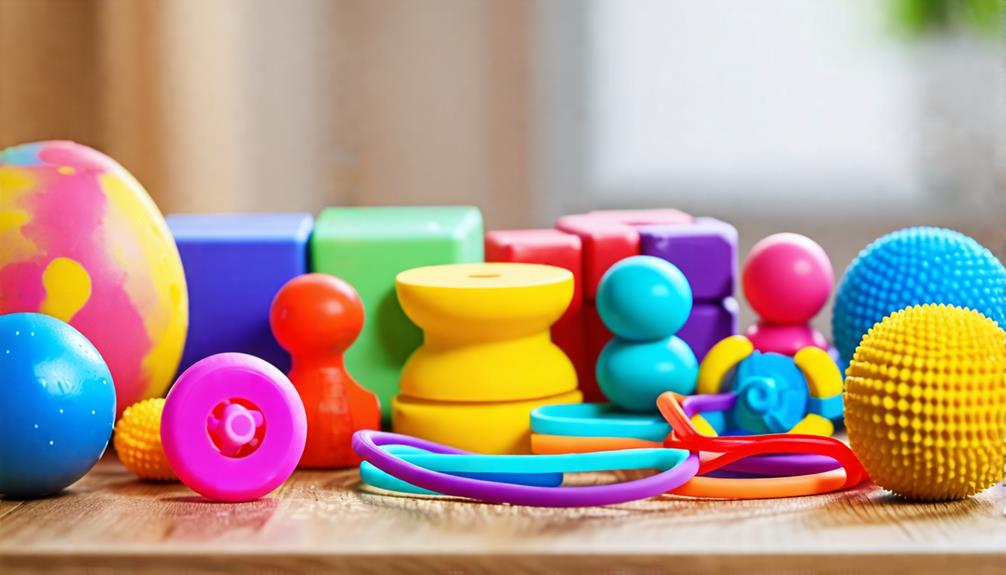
You'll find a variety of popular toys designed to cater to sensory processing needs, each offering unique benefits for self-regulation and focus. Fidget toys like Simple Dimple, Poppers, and Wacky Tracks engage multiple senses, helping individuals with sensory processing disorder (SPD) manage their emotions and reduce stress. These toys come with different textures and engaging features, making them perfect tools for sensory exploration.
Chew necklaces and Chewies are specifically designed for those who seek oral stimulation. They're durable and safe, offering a satisfying way to meet oral sensory needs. Marble toys, with their soothing tactile experiences, are small and quiet, making them ideal for classroom settings without causing disruptions.
Waterbead toys and Orbeez bottles provide visually enchanting experiences that promote curiosity and engagement. They're excellent for enhancing sensory play and keeping children intrigued. Noise-canceling headphones, such as those from Snug, are another crucial tool. They help manage auditory hypersensitivity, allowing individuals with SPD to focus better in noisy environments.
Implementation in Daily Life
Incorporating fidget toys into daily routines can significantly help individuals with Sensory Processing Disorder (SPD) manage anxiety and enhance focus. By scheduling specific times for sensory breaks, you can improve self-regulation and prevent sensory overload. Using fidget toys during transitions between activities aids in emotional self-regulation, making adjustments to new environments smoother.
To implement this effectively, start by establishing a toolkit of preferred fidget items both at home and in educational settings, ensuring these tools are always accessible. Collaborating with an occupational therapist can help tailor the selection and use of fidget toys to meet the unique sensory needs of each individual with SPD.
Integrate these tools into daily routines by setting aside specific times for sensory breaks, such as during study sessions or work periods. This structured approach helps manage anxiety and maintain focus, providing essential emotional support throughout the day. With thoughtful implementation, fidget toys can become a significant part of your strategy for self-regulation and improved daily functioning.
Choosing the Right Fidget Toy
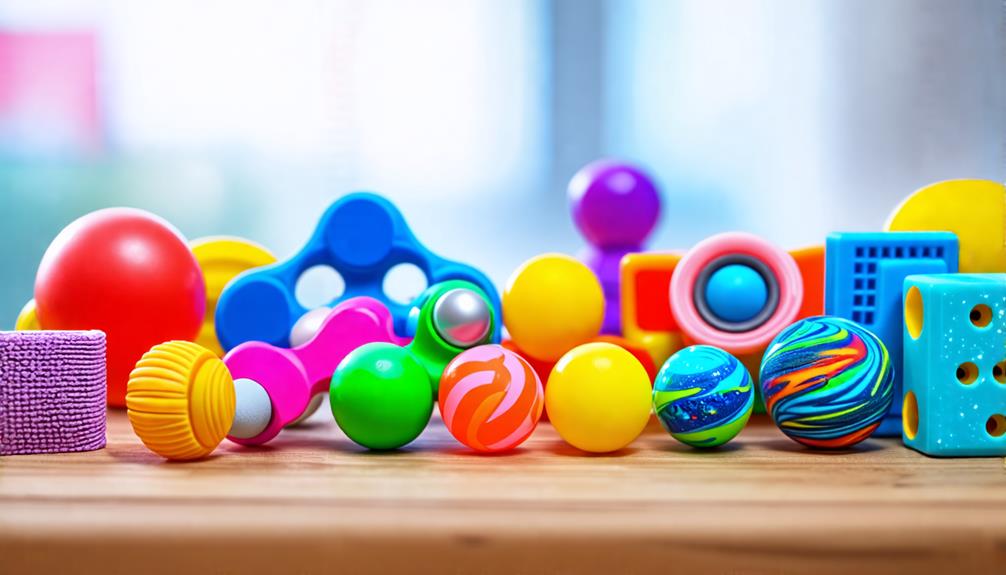
Selecting the perfect fidget toy hinges on understanding the individual's specific sensory preferences and needs. Different fidget toys cater to diverse sensory inputs, such as tactile, oral, and visual stimulation. For instance, if the person enjoys tactile feedback, consider options like Simple Dimple or Poppers. They are quiet, making them ideal for classroom settings where minimizing distractions is vital.
Durable materials are key, especially for sensory-seeking children who engage in heavy chewing or intense play. Chew Necklaces and Chewies provide a safe outlet for oral stimulation. Moreover, some fidget toys can promote fine motor skills. Wacky Tracks or Marble Toys are excellent choices for enhancing hand-eye coordination and keeping hands busy during tasks.
Consulting with occupational therapists is also significant. They can offer personalized recommendations on fidget toys that effectively support emotional self-regulation and concentration. The right self-regulation tool can make a substantial difference in managing sensory processing disorder. The goal is to use fidget toys that align with the individual's unique needs, providing both sensory input and functional benefits. This thoughtful approach ensures you choose the most beneficial tools for self-regulation.
Related posts