How Fidget Toys Can Aid in Mindfulness and Meditation Practices

Fidget toys might not immediately come to mind as tools for mindfulness and meditation, but they can be surprisingly effective. By keeping your hands engaged, these toys help anchor your mind to the present moment, making it easier to focus on your breath and inner awareness. The tactile engagement can redirect wandering thoughts, promoting relaxation and emotional balance. Curious about how these simple objects can seamlessly integrate into your mindfulness routine and enhance stress relief and concentration? Let's explore this fascinating connection further.
Understanding Fidget Toys
Fidget toys are small handheld devices designed to help manage anxiety and improve focus through repetitive motions. They provide sensory engagement, allowing you to channel restless energy into calming activities. Whether you're dealing with stress or aiming to enhance your mindfulness practices, fidget toys can be a valuable tool.
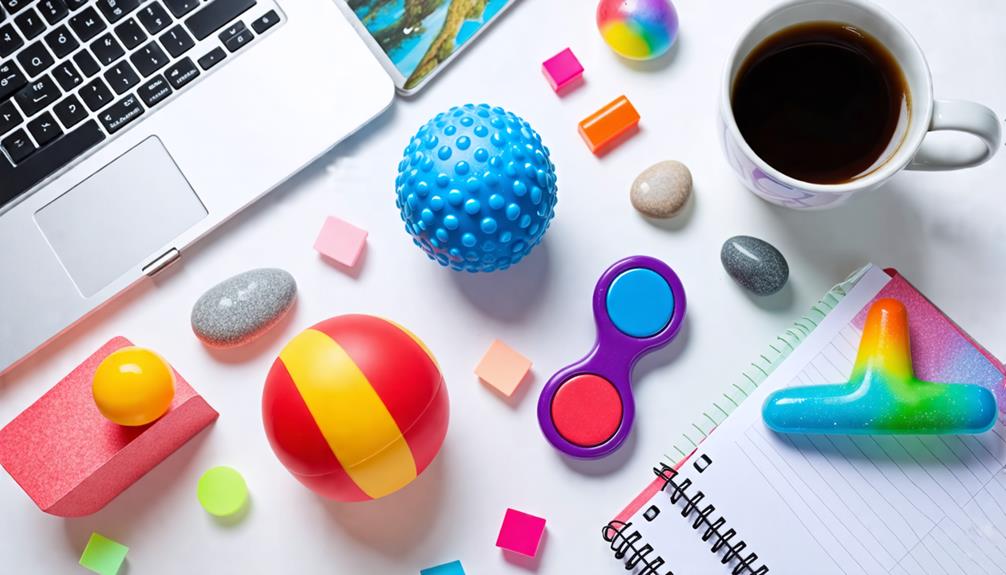
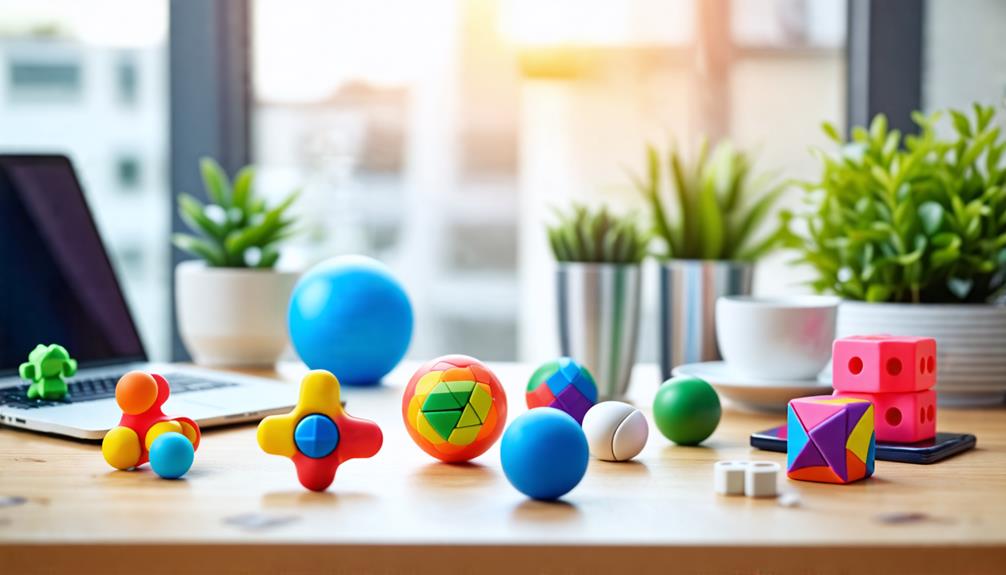
These toys come in various shapes and materials to cater to different sensory preferences. Options include fidget spinners, stress balls, putty, and fidget cubes, each offering a unique tactile experience. This variety ensures that you can find a fidget toy suited to your specific needs for anxiety relief and sensory engagement.
Using fidget toys can help you stay grounded in the present moment, making them effective for mindfulness practices. When your thoughts start to wander, engaging with a fidget toy can redirect your focus and bring your attention back to the here and now. This heightened awareness of the present moment is a cornerstone of mindfulness, aiding in the management of stress and anxiety.
Benefits of Fidget Toys
Using fidget toys during mindfulness practices can significantly enhance focus and concentration by channeling restless energy. They also help alleviate stress and anxiety by providing a tactile outlet, making it easier to manage emotions. Additionally, these toys improve sensory engagement, fostering a deeper connection to the present moment.
Focus and Concentration
Engaging with tactile tools like fidget toys can significantly enhance focus by providing a physical outlet for restless energy. When overwhelmed by stress and anxiety, these toys can help redirect attention, allowing for better concentration on tasks. By keeping hands busy, they foster a state of calm that improves focus and concentration.
During mindfulness practices, fidget toys can anchor your mind to the present moment. Instead of getting lost in distracting thoughts, the sensory experience of the toy helps ground you, fostering deeper awareness and enhancing mindfulness. Studies show that incorporating fidgeting into learning environments increases productivity and information retention, particularly for children with ADHD.
These benefits are not limited to children; adults can also gain from using fidget toys. They assist in maintaining attention for longer periods, making them effective aids in both meditation and daily activities. So, the next time you struggle to concentrate, consider using a fidget toy to help you stay focused and present. These small, tactile tools can significantly improve your ability to concentrate.
Stress and Anxiety Relief
Fidget toys can significantly alleviate stress and anxiety by providing a tactile outlet for restless energy. These small tools allow you to channel nervous energy into calming, repetitive motions, similar to the soothing effects of meditation. Engaging with fidget toys like stress balls or putty can markedly lower anxiety levels, helping you feel more grounded and focused, especially in stressful environments.
The sensory stimulation from fidget toys can help redirect overwhelming thoughts, making it easier to engage in mindfulness practices and meditation techniques. The rhythmic sensations promoted by these toys support self-soothing behaviors, leading to better emotional regulation and reduced stress.
Using fidget toys during mindfulness exercises can help maintain attention and awareness, fostering a deeper connection with your thoughts and emotions—essential for improving mental health and overall well-being. Incorporating these tools into your daily routine can enhance relaxation and encourage a more mindful approach to managing stress and anxiety. So, the next time you feel overwhelmed, consider reaching for a fidget toy to help you find balance and peace.
Sensory Engagement Benefits
Fidget toys offer more than just stress relief; they provide essential sensory engagement that can enhance your mindfulness practice. The tactile stimulation from using fidget toys helps you connect more deeply with the present moment, anchoring your focus to the physical sensations of squeezing, spinning, or manipulating the toy. This sensory engagement can make mindfulness exercises more effective.
One of the key benefits of fidget toys is their ability to mimic the calming effects of meditation. The repetitive motions, such as pressing, twisting, or rolling, can help ground you and manage anxiety. By redirecting restless energy, these toys facilitate improved focus during meditation sessions, enhancing concentration on breathing and inner thoughts.
Using fidget toys during mindfulness exercises can also serve as a physical anchor, keeping you present and aware of your surroundings. This is particularly helpful when managing overwhelming thoughts. Research indicates that incorporating sensory tools like fidget toys into mindfulness practices improves emotional regulation and stress relief, supporting overall mental well-being. So, the next time you meditate, consider how fidget toys can offer a multi-sensory approach to deepen your practice.
Using Fidget Toys for Focus

Holding a fidget toy can help redirect restless energy and enhance focus during mindfulness practices. The tactile sensations of the toy can ground you, promoting a heightened awareness of the present moment. This grounding effect is vital for mindfulness, which aims to connect you with your thoughts and breathing. By channeling your energy into the fidget toy, you're less likely to be distracted by external factors, allowing for a deeper meditative experience.
Research indicates that movement, such as fidgeting, can significantly improve focus, especially in children with ADHD. This benefit also applies to adults, making fidget toys a valuable tool in mindfulness contexts. The repetitive motions involved in using a fidget toy can become calming activities that mimic the soothing effects of traditional meditation techniques. By focusing on the simple, rhythmic motion, you may find it easier to relax and reduce stress.
Incorporating fidget toys into your mindfulness routine can serve as a physical anchor, helping you stay present and minimizing distractions. This approach enables a better connection with your inner thoughts, enhancing both focus and overall mindfulness practice.
Target Audience
Fidget toys are no longer just for kids; adults are also recognizing their benefits for managing stress and anxiety. These toys appeal to a diverse audience, including students and professionals, who seek better focus and relaxation. As their popularity grows, fidget toys are becoming essential tools for mindfulness across various demographics.
Diverse Demographics Benefiting
People from all walks of life are discovering the benefits of fidget toys for enhancing focus and reducing stress. Whether you're a child with ADHD, an adult in a demanding job, or a senior looking to stay mentally active, these small tools can be highly effective. Fidget toys are no longer just for kids; their advantages are being recognized by a broad spectrum of individuals.
- Children and Teens: Often used in classrooms to help students with attention disorders maintain focus.
- Adults: Useful in workplaces to alleviate stress and enhance concentration during long meetings or tasks.
- Seniors: Beneficial for promoting cognitive engagement and reducing anxiety.
Research indicates that fidget toys can significantly improve focus and self-regulation in individuals with ADHD, regardless of age. They are also effective in stress reduction, making them suitable for both personal and professional settings. The increasing acceptance of fidget toys in various environments, such as offices and therapy sessions, highlights their versatility and wide appeal. By using these toys, you can promote mindfulness and enhance concentration, no matter your age or background.
Child and Adult Utilization
Fidget toys can serve as effective mindfulness tools for both children and adults by offering tactile engagement that enhances focus and reduces anxiety. For children, especially those with ADHD, these toys can be transformative. Research indicates that fidgeting can improve attention and decrease anxiety, making fidget toys valuable in educational settings. Imagine a classroom where students channel their restless energy into a small, discreet device, thereby boosting concentration and reducing stress.
Adults also benefit from fidget toys, often using them to manage anxiety and incorporate them into daily routines for stress relief. Whether in a high-pressure meeting or during a moment of meditation, a fidget toy can help you remain grounded and focused. Designed to be portable and discreet, these toys fit seamlessly into various environments like offices, therapy sessions, and even during commutes.
The versatility of fidget toys appeals to both children and adults, with designs tailored to different life stages and sensory needs. This makes them effective self-regulation tools, enhancing mindfulness practices and helping individuals stay present and calm throughout the day.
Broadening Market Appeal
As fidget toys gain recognition for their mindfulness benefits across various age groups, their market appeal broadens to include not just children but also adults in environments such as workplaces and therapy settings. Initially marketed towards kids, these toys have found a new audience among adults seeking to relieve stress and stay present. This expanding interest is driven by several factors:
- Workplace Stress Relief: Professionals use fidget toys to manage stress and maintain focus during long meetings or intense tasks.
- Therapeutic Applications: Therapists recommend them to clients as tools for self-regulation and anxiety management.
- Educational Settings: Educators and parents recognize their value in helping children with ADHD and other sensory needs concentrate better.
Fidget toys come in a variety of designs tailored to different sensory preferences, making them appealing to people of all generations. Whether at your desk, in a therapy session, or meditating, these toys can help you find a moment of calm and focus.
Popular Fidget Toys

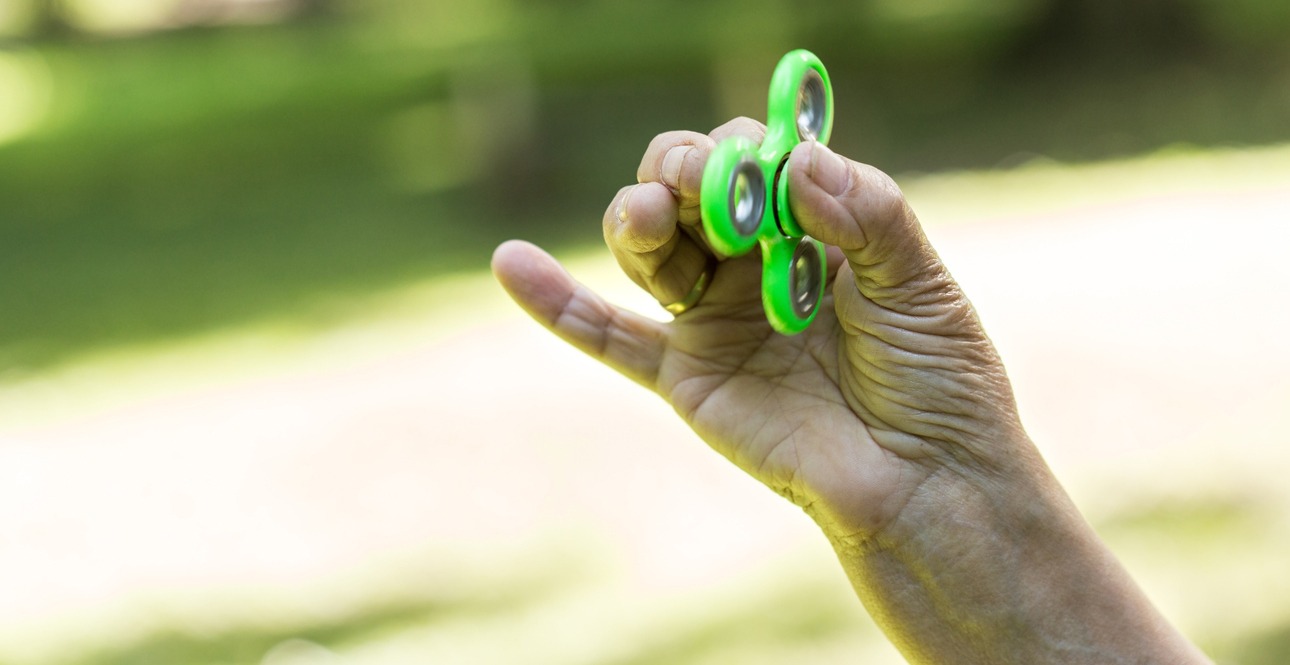
Fidget toys, such as Fidget Spinners, Stress Balls, Fidget Cubes, and Putty, offer various ways to manage stress and enhance focus.
Fidget Spinners are designed for spinning, making them effective for hand fidgeting. Although they can be somewhat distracting in certain settings, they provide a straightforward method to keep your hands occupied and your mind calm.
Stress Balls come in different sizes and resistance levels, enabling tension release through repetitive squeezing. This tactile activity promotes relaxation and easily integrates into your routine.
Fidget Cubes are another popular option, featuring multiple activities on each side. These compact cubes offer a range of sensory experiences, keeping your fingers engaged and your mind focused. They are particularly beneficial for individuals requiring constant stimulation to maintain concentration.
Putty is a quiet, pocket-sized sensory toy that helps alleviate stress and tension. Unlike Fidget Spinners, Putty is less likely to distract others, making it a discreet option suitable for any environment.
Fidget Toys and Mindfulness
Incorporating fidget toys into mindfulness practices not only enhances focus but also helps ground your awareness in the present moment through tactile engagement. When your mind begins to wander, fidget toys can gently redirect your attention back to the now, improving your overall mindfulness experience. The repetitive motions of these toys mimic the calming effects of meditation, aiding in managing wandering thoughts and fostering a deeper sense of inner peace.
Using fidget toys during mindfulness exercises, such as breath awareness or body scan meditation, can be particularly effective. They provide a physical sensation that helps keep your mind grounded and attentive, which can foster emotional regulation and make it easier to manage anxiety and stress. Here's how fidget toys can enhance your mindfulness practice:
- Redirecting Wandering Thoughts: Keeps your mind focused on the present moment.
- Promoting a Sense of Calm: The repetitive motion helps reduce stress and anxiety.
- Improving Meditation Practices: Complements traditional techniques like breath awareness.
Research on Fidgeting
Research indicates that fidgeting can significantly enhance focus and cognitive processing, especially in individuals with ADHD. Studies reveal that movement, including fidgeting, boosts mental clarity, with larger movements offering more benefits than fine motor activities. Fidget toys, such as stress balls, play a crucial role by providing stress relief and improving focus through tactile engagement.
Children have reported that using fidget toys helps them concentrate better, highlighting the effectiveness of these tools in everyday tasks. This subjective feedback aligns with scientific observations, supporting the notion that fidget tools can aid in maintaining attention. Incorporating fidget spinners into therapy has also shown potential in fostering emotional regulation and stress relief.
However, more research is needed to fully understand their effectiveness, particularly in classroom settings. Mindfulness techniques, including meditation and breathing exercises, can be enhanced by using fidget toys, which help redirect wandering thoughts and promote a deeper connection to the present moment. By integrating fidgeting tools into daily routines, individuals can improve focus and mindfulness practices seamlessly.
Related posts