How Fidget Toys Can Help Children With ADHD Focus and Learn

When managing ADHD in children, fidget toys can be a valuable tool. These small, often colorful items aren't just distractions; they provide crucial sensory input that can help children focus and learn. In a classroom setting, a stress ball or spinner can channel a child's need for movement, reducing disruptive behaviors. This can lead to better concentration and improved academic performance. Curious about how these tools work and how to choose the right one for your child? Let's explore the benefits and options available.
Functions of Fidget Tools
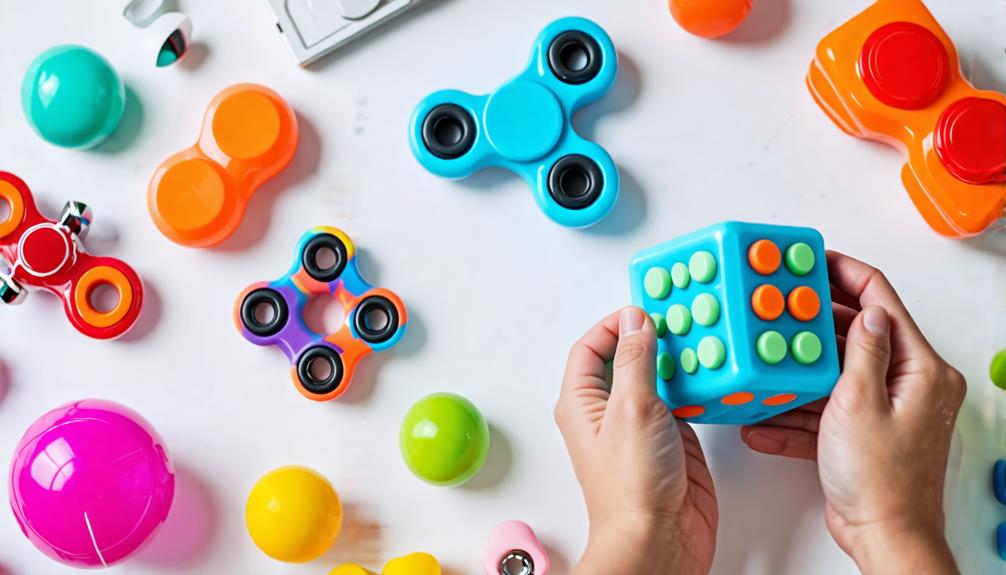
Fidget tools offer crucial sensory inputs—tactile, auditory, and visual—that can enhance focus and self-regulation for children with ADHD. These tools engage the senses to help boost attention, particularly in distracting environments like classrooms. By using fidget tools, children can concentrate better on lessons and activities by channeling their need for movement into the tool rather than becoming disruptive or losing focus.
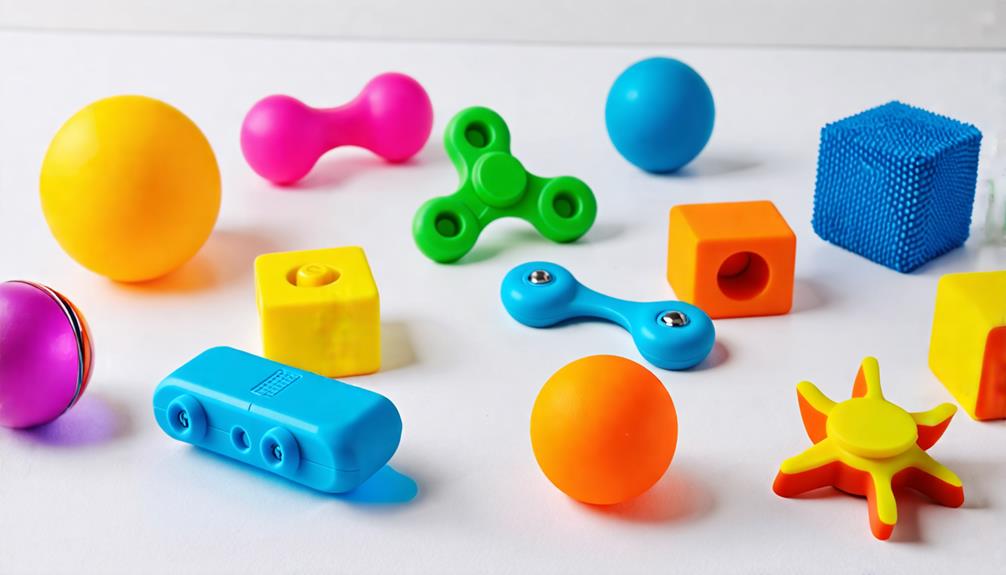
Sensory toys, such as fidget spinners or stress balls, provide stimulation that aids in maintaining attention and reducing anxiety, especially during waiting periods or stressful situations. The variety of fidget tools available allows for experimentation to find the most effective option for each child, supporting better focus and engagement in learning activities.
Ultimately, the right fidget tool can significantly improve a child's ability to participate and thrive in the classroom.
Benefits for ADHD
Children with ADHD often find that using fidget toys can significantly improve their concentration and engagement in tasks. Fidgeting is not merely a way to expend excess energy; fidget toys provide a physical outlet that enhances focus and reduces distractions. This is particularly beneficial in classroom settings where sustained attention is crucial for learning.
Research indicates that therapeutic devices like stress balls and fidget spinners can substantially improve classroom behavior. By incorporating these tools, children with ADHD can channel their nervous energy into something productive, aiding in sensory regulation. This helps them remain calm and focused, facilitating better engagement with their schoolwork.
Parents and teachers have reported positive outcomes, noting that fidget toys assist children in managing symptoms of inattention and impulsivity. For example, a case study highlighted a 10-year-old with ADHD who experienced fewer distractions and improved focus in class after using fidget tools. These tools not only support sensory regulation but also enhance the overall learning environment. By keeping their hands occupied, children can better concentrate on tasks, leading to improved engagement and academic performance.
Choosing the Right Fidget Toys
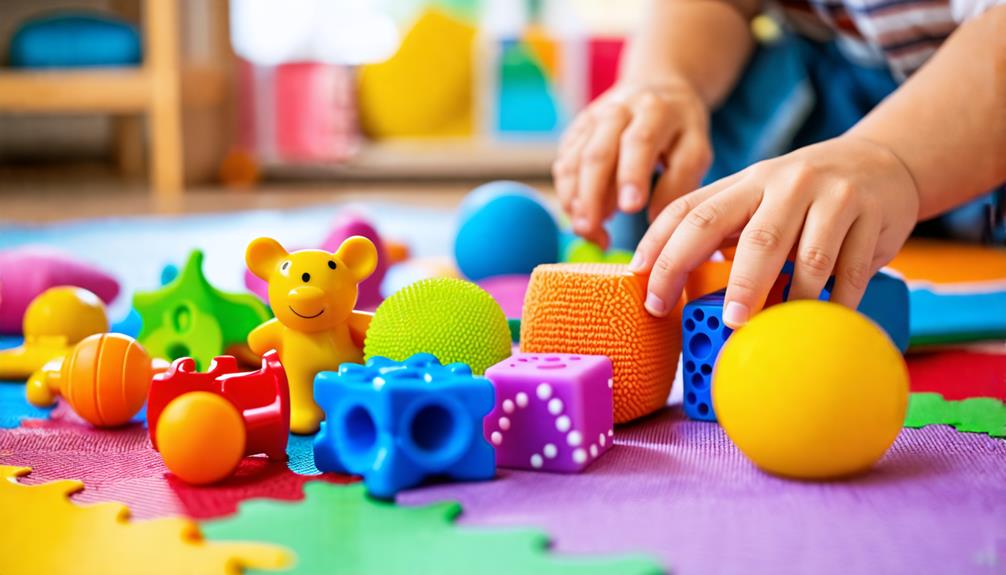
When selecting fidget toys for your child with ADHD, consider their specific sensory needs and the variety of toys available. Opt for toys that enhance concentration without being overly stimulating, such as fidget spinners or tangle toys. Additionally, evaluate factors like noise level, safety, and durability to ensure the toy is suitable and effective.
Types of Fidget Toys
Selecting the appropriate fidget toy for a child with ADHD can significantly enhance their focus and alleviate stress. Various types of fidget toys offer distinct benefits tailored to different needs. Stress balls, for example, provide a squeezable outlet for tension, which can be especially useful in classroom settings where quiet, unobtrusive tools are necessary.
While fidget spinners are popular and rotate around an axis, they can be visually distracting and may not be suitable for children who are easily overwhelmed by stimuli. In contrast, Tangle toys are designed for silent manipulation, making them a less distracting option. These toys facilitate continuous movement, aiding in maintaining focus during tasks.
Sensory rings offer discreet stimulation and can be worn on fingers, providing subtle sensory input without attracting much attention. However, they may not engage every child. When choosing fidget toys, it's important to consider the child's specific needs and preferences. The right fidget toy can substantially improve the management of ADHD symptoms and enhance learning experiences. By understanding the available options, you can make an informed decision that best supports your child's focus and well-being.
Sensory Needs Considerations
When choosing a fidget toy for a child with ADHD, it's crucial to consider their specific sensory processing needs, whether they benefit more from tactile, visual, or auditory stimulation. Understanding these preferences can significantly impact their concentration and ability to self-regulate.
Here are some key considerations:
- Tactile Engagement: Some children are calmed by the feel of objects. Items like stress balls or sensory rings can provide the necessary tactile input to enhance focus without being overly stimulating.
- Visual Stimulation: For those who respond well to visual cues, options like gel timers or puzzle balls can be beneficial. These tools not only aid in self-regulation but also keep their focus engaged.
- Auditory Feedback: Some children may find auditory stimulation helpful. Simple clickers or fidget toys that produce soft sounds can help maintain concentration without causing a distraction.
Experiment with various types of fidget tools to determine which ones best meet the child's individual preferences. With the increased availability of diverse fidget toys, you can tailor choices based on each child's unique sensory needs and responses. The right fidget toy can effectively channel excess energy, helping to improve attention and manage anxiety.
Real-Life Success Stories
Many real-life success stories highlight the benefits of fidget toys for children with ADHD. For instance, Jackson, a 10-year-old, experienced notable improvements in classroom behavior, academic performance, and anxiety levels. Teachers and parents have consistently reported similar positive outcomes, demonstrating the powerful impact of these tools.
Improved Classroom Behavior
When 10-year-old Jackson began using fidget toys in class, his focus improved significantly, resulting in fewer distractions and better classroom behavior. Teachers quickly noticed a positive change in his engagement and on-task behavior. The classroom environment became more conducive to learning, benefiting not only Jackson but also his classmates.
This positive impact isn't limited to individual cases. Here are three real-life success stories:
- Increased Engagement: In one study, a student's on-task rate increased from 27% to 79% with the use of fidget tools, demonstrating their potential to enhance focus and active participation.
- Enhanced Classroom Dynamics: Teachers have observed that students using fidget toys are more engaged and participate more in discussions. This increased engagement contributes to a more harmonious and productive classroom environment.
- Positive Feedback: Both parents and educators have noted the positive effects of fidget toys on children with ADHD. Improved focus and behavior make classroom management easier for teachers, thereby creating a better learning environment for all students.
These examples show how fidget toys can transform classroom behavior, helping children with ADHD succeed academically.
Enhanced Academic Performance
Fidget toys have shown significant potential in enhancing academic performance for children with ADHD, as demonstrated by various success stories and studies. For example, Jackson, a 10-year-old student, faced challenges with focus and classroom behavior. After incorporating fidget toys, Jackson's academic performance saw considerable improvement. Both teachers and parents observed a notable increase in his engagement and on-task behavior.
In another study, children using fidget spinners improved their focus from 27% to 79% during the intervention. This dramatic enhancement in on-task behavior highlights the effectiveness of fidget toys in aiding children with ADHD to concentrate better. Teachers have also provided positive feedback, noting how these tools can transform classroom dynamics and foster more meaningful discussions about schoolwork.
These real-life examples illustrate that fidget toys are more than mere distractions; they are valuable aids that contribute to better academic outcomes. By reducing distractions, these tools increase student engagement, leading to improved academic performance. Fidget toys help manage ADHD symptoms, allowing children to immerse themselves more fully in their studies and classroom activities. Ultimately, they offer a practical solution for improving focus and overall academic success.
Reduced Anxiety Levels
Many children with ADHD experience reduced anxiety levels when they incorporate fidget toys into their daily routines. These tools help manage restlessness and channel excess energy, making it easier for them to focus and engage in the classroom. Real-life success stories highlight the effectiveness of fidget toys in alleviating anxiety and improving overall well-being.
Consider the following examples:
- Jackson's Story: Jackson, a child with ADHD, experienced a significant reduction in anxiety and an increase in focus after using fidget tools in the classroom. His teachers reported improved engagement and academic performance, underscoring the positive impact of these tools.
- Classroom Dynamics: Teachers have observed marked improvements in classroom behavior when students use fidget toys. These tools help children manage attention difficulties, reducing the stress and anxiety that often accompany academic tasks.
- Parental Observations: Parents have shared anecdotal evidence of reduced anxiety-driven behaviors in their children. Fidget tools have not only enhanced their kids' focus but also boosted social interactions and emotional well-being.
Incorporating fidget tools can be transformative for children with ADHD, providing them with the means to reduce anxiety and thrive both academically and socially.
Fidgeting Beyond ADHD

Fidget toys, commonly associated with ADHD, offer significant benefits to a wider audience, including individuals on the autism spectrum and those with sensory processing disorders. These tools help manage sensory needs and anxiety, thereby enhancing focus and concentration. Both children and adults can use fidget toys to engage in subtle movements, which can improve attention and task performance.
Fidgeting, a common behavior across all life stages, provides an outlet for nervous energy and aids focus in various settings, such as workplaces and classrooms. Research indicates that movement, including fidgeting, helps maintain attention. Some studies suggest that individuals who fidget experience improved concentration.
Adults find fidget tools useful for maintaining focus during tasks, especially in meetings or during prolonged work sessions. The tactile engagement from fidget toys aids concentration and promotes calmness and relaxation. This is particularly beneficial for those experiencing overwhelming emotions or sensory overload in stressful situations. Fidget toys are adaptable tools that support a wide range of needs beyond childhood.
Supporting Resources
To help children with ADHD effectively use fidget toys to improve focus and manage symptoms, a variety of resources are available. These resources can assist in selecting the right fidget tools and understanding their impact on classroom behavior. Here are three valuable resources:
- PACER Center: A comprehensive source for information on assistive devices, including fidget tools. The PACER Center offers guidance on how these tools can support children with ADHD. Contact them at 952-838-9000 or 800-537-2237 for personalized advice.
- Healthy Mind, Healthy Child Podcast: Hosted by experts from Bradley Hospital, this podcast provides strategies for using sensory tools to enhance focus and on-task behavior. Episodes cover a range of topics, ensuring you have the latest insights and practical tips.
- Lifespan Living Newsletter: This newsletter offers health tips and updates that improve understanding of fidget toys in educational settings. Subscribing will keep you informed about the latest research and best practices.
Behavioral Insights

Understanding the behavioral insights of children with ADHD is crucial for effectively using fidget toys and other strategies to improve focus and manage symptoms. Children with ADHD often experience frustration and impulsivity, leading to increased tantrums. By recognizing these behavioral triggers, you can develop tailored interventions that address their unique challenges.
School accommodations, such as permitting the use of fidget toys, can significantly enhance focus and task management for students with ADHD. Research indicates that integrating movement is associated with improved attention and engagement. Fidget toys provide a controlled outlet for movement, which can help alleviate ADHD symptoms.
Students who use fidget tools in the classroom often demonstrate better on-task behavior, making it easier for them to participate and learn. Ongoing research continues to explore the link between ADHD and emotional regulation, highlighting the importance of behavioral insights in treatment approaches. By understanding these insights, you can make informed decisions that support the academic and emotional well-being of children with ADHD, ultimately helping them thrive in both school and life.
Related posts