How Fidget Toys Can Help Kids With Anxiety: Tools for Calming Nerves
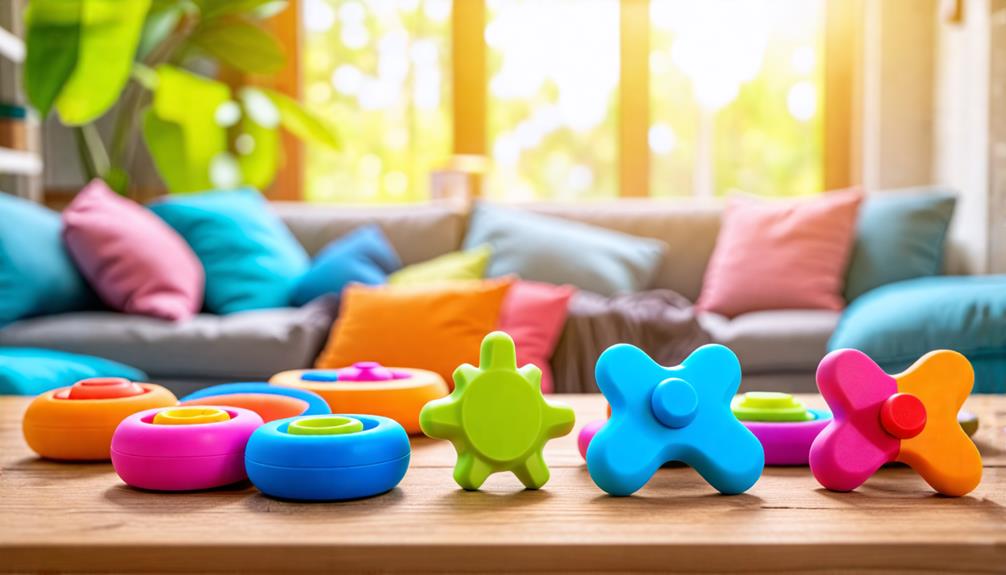
Fidget toys can be a valuable tool for children managing anxiety. Devices such as fidget spinners and stress balls provide sensory stimulation that helps calm nerves. By engaging in repetitive motions, children can channel restless energy, making it easier to focus and manage anxious feelings. This tactile engagement can reduce stress, whether at home or in the classroom. But how do these toys work, and what should you consider when choosing one for your child?
Understanding Fidget Toys
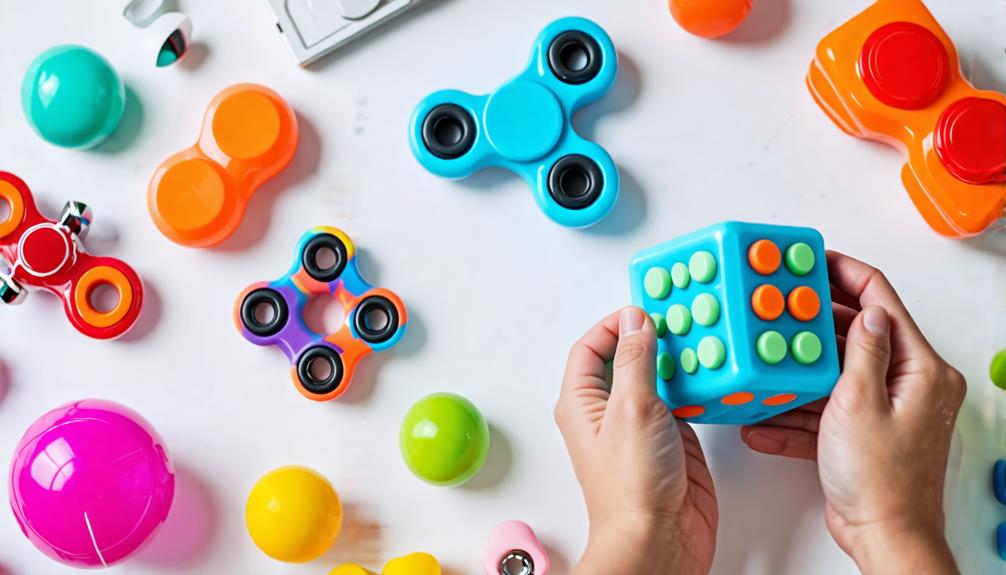
Fidget toys are simple yet effective tools designed to help children manage anxiety through repetitive sensory activities. By providing sensory stimulation, these small handheld devices offer a calming experience for children dealing with anxiety. When a child feels anxious, they might exhibit physical symptoms like shaking or restlessness. Fidget toys, such as fidget spinners, stress balls, and fidget cubes, provide a tactile outlet for this excess energy, helping to alleviate these symptoms.
Children with Attention Deficit Hyperactivity Disorder (ADHD) or Autism Spectrum Disorder (ASD) often benefit significantly from fidget toys. Occupational therapists recommend these tools for their ability to facilitate self-regulation and stress relief. The repetitive motions involved in using fidget toys can help focus a child's mind, making it easier to manage anxiety.
While fidget toys are not a cure for anxiety, they serve as effective temporary coping mechanisms. These toys are particularly useful in various settings, such as classrooms and therapy sessions, where managing anxiety is essential. By incorporating fidget toys into a child's routine, you can provide a practical tool to help them navigate daily challenges more calmly and effectively.
Benefits for Anxiety Relief
Children managing anxiety can find significant relief through the calming sensory experiences provided by fidget toys. These tools offer tactile outlets for stress in triggering environments, making them valuable resources for anxiety relief. By engaging with sensory toys, children can redirect their restless energy, which helps them cope with anxiety more effectively.
Occupational therapists often endorse fidget toys as effective alternatives to medication for stress management, particularly for children with Attention-Deficit/Hyperactivity Disorder (ADHD) and Autism Spectrum Disorder (ASD). The continuous movement associated with fidget toys helps divert attention from anxiety symptoms, reducing physical manifestations like shaking and restlessness.
In settings such as classrooms and therapy sessions, fidget toys can improve concentration. They help children focus by providing a manageable distraction that channels their energy into repetitive, soothing actions. This allows them to participate more fully in their activities and reduces the likelihood of engaging in harmful habits like nail-biting or hair-pulling.
While fidget toys aren't a cure for anxiety, they serve as crucial coping mechanisms. These calming experiences offer temporary relief, helping children with ADHD and other conditions manage their symptoms in a healthier, more controlled manner.
Popular Fidget Toys
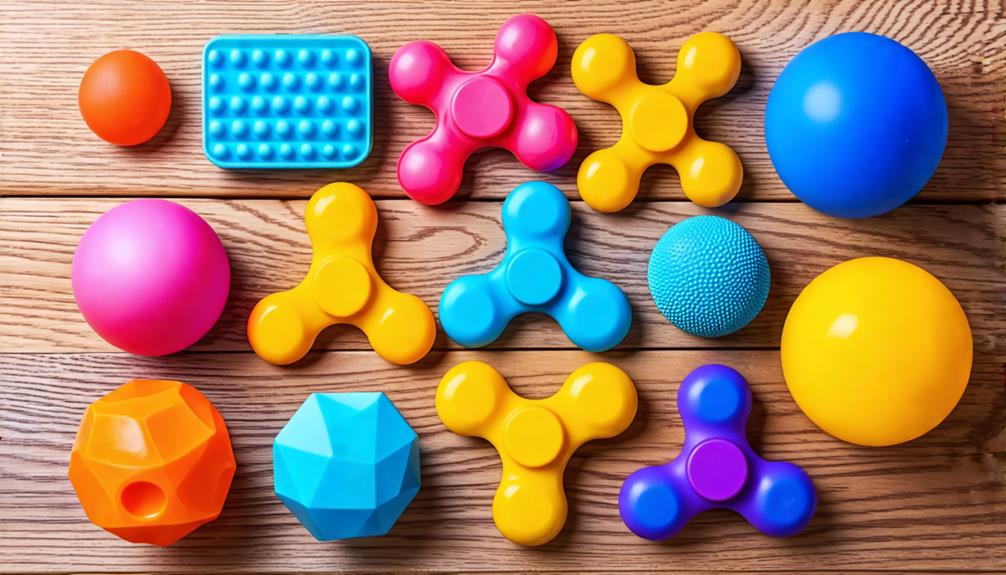
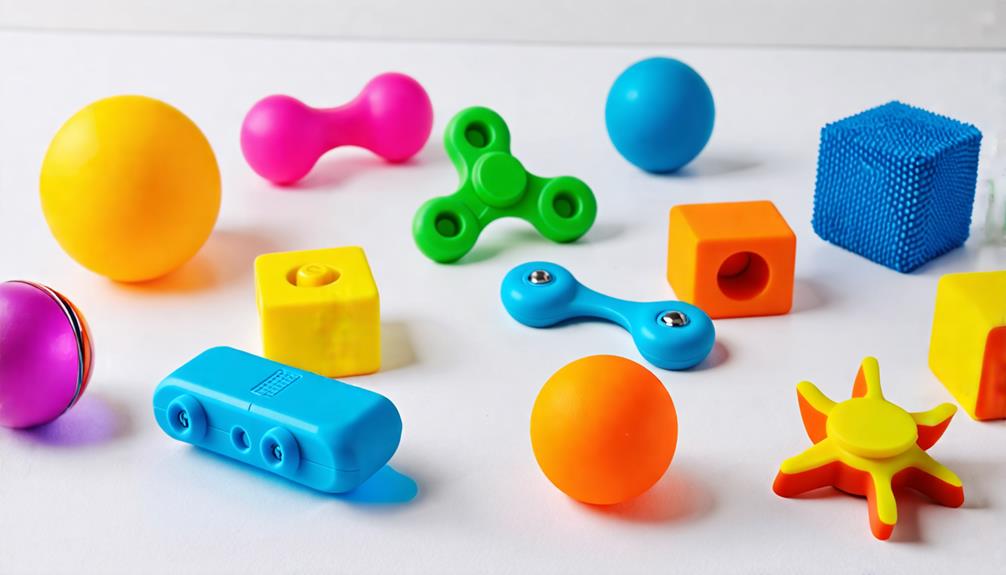
Popular fidget toys like Pop-Its, stress balls, and fidget cubes offer unique sensory experiences that help manage anxiety in kids. These tools are designed to promote stress relief and calm nerves, making them particularly beneficial for children with anxiety disorders or Attention Deficit Hyperactivity Disorder (ADHD).
Here are three popular fidget toys available:
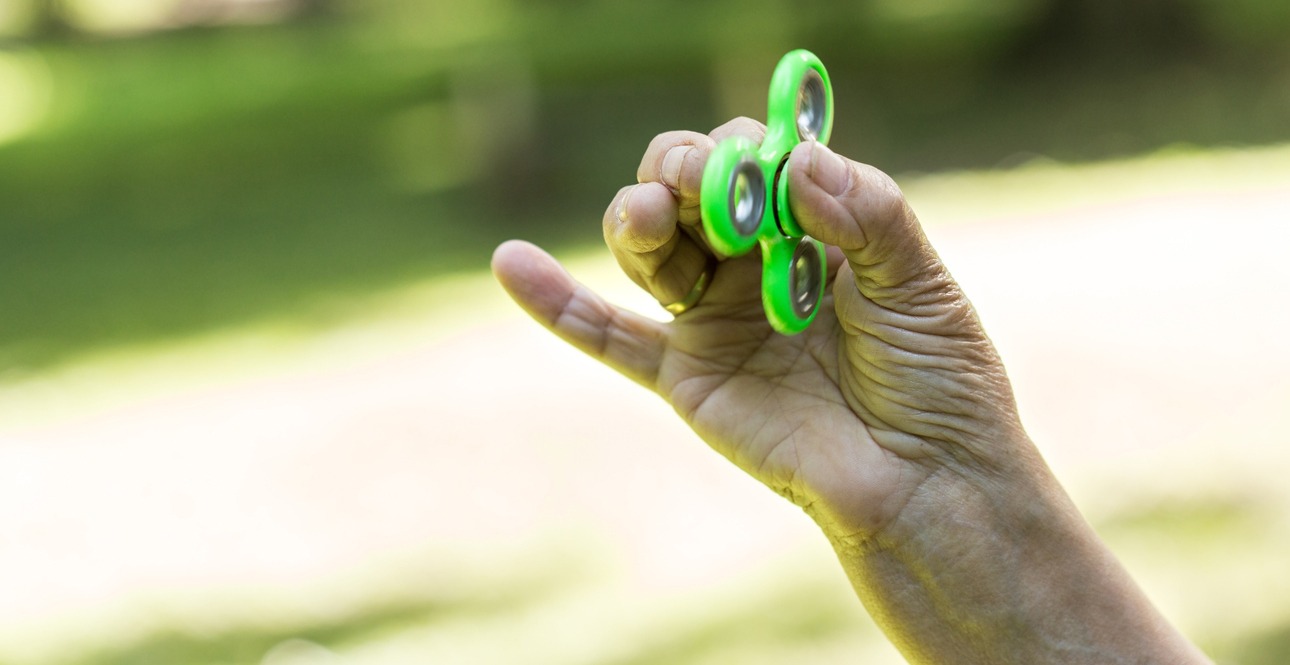
- Fidget Spinners: These three-pronged devices, typically made of plastic or metal, are effective for keeping restless hands busy. They can help manage stress and improve focus, although they might be distracting in some settings.
- Stress Balls: Available in various sizes and materials, stress balls often feature scents or resistance elements. They provide a straightforward way to release energy and promote relaxation through tactile engagement.
- Fidget Cubes: These six-sided gadgets offer multiple activities on each side, enabling diverse finger movements. They're excellent for reducing anxiety and aiding focus, providing a versatile method to manage stress.
Considerations for Parents
When introducing fidget toys, parents should first consider their child's developmental stage and specific sensory needs to ensure the toys are both safe and beneficial. Children around the age of seven are generally ready for these tools, as they can safely manage their sensory needs and anxiety. It is important to carefully assess the environment where the fidget toys will be used, as some toys might be distracting in educational settings and could potentially be banned.
Safety is paramount. Ensure that fidget toys are made from non-toxic materials and are free from choking hazards, especially for younger children. With a wide variety of fidget toys available, choose options that align with your child's personal preferences and sensory needs to enhance their effectiveness in calming anxiety.
Monitoring your child's use of fidget toys is essential. The toys should help your child focus and relax, without becoming a source of distraction or disruption for them or their peers. Observe how the toys are being used to ensure they promote a calm and focused state rather than causing further anxiety or distraction. Balancing these factors will help create a supportive environment for your child.
Alternatives to Fidget Toys
Beyond fidget toys, there are numerous effective alternatives for managing anxiety in kids. These methods can provide stress relief and promote emotional well-being, ensuring a comprehensive approach to anxiety management.
- Journaling: Encouraging your child to write down their thoughts and feelings can improve mental clarity and emotional well-being. This practice allows them to process their emotions and gain insight into their anxiety triggers.
- Mindfulness and Deep Breathing: Engaging in mindfulness techniques, such as deep breathing exercises, can be a powerful tool for managing anxiety. These methods help your child stay grounded and calm in stressful situations without relying on physical objects.
- Music Therapy: Listening to soothing music, especially rhythmic patterns or binaural beats, can positively influence your child's mood and alleviate anxiety symptoms. This simple alternative can be easily incorporated into their daily routine.
Additionally, lifestyle changes involving dietary adjustments and regular exercise can significantly reduce anxiety. Professional counseling and psychotherapy offer tailored strategies and support, making them invaluable alternatives to fidget toys. Together, these approaches can greatly improve your child's ability to manage anxiety effectively.
Related posts