How Fidget Toys Can Help Students Stay Focused in Class

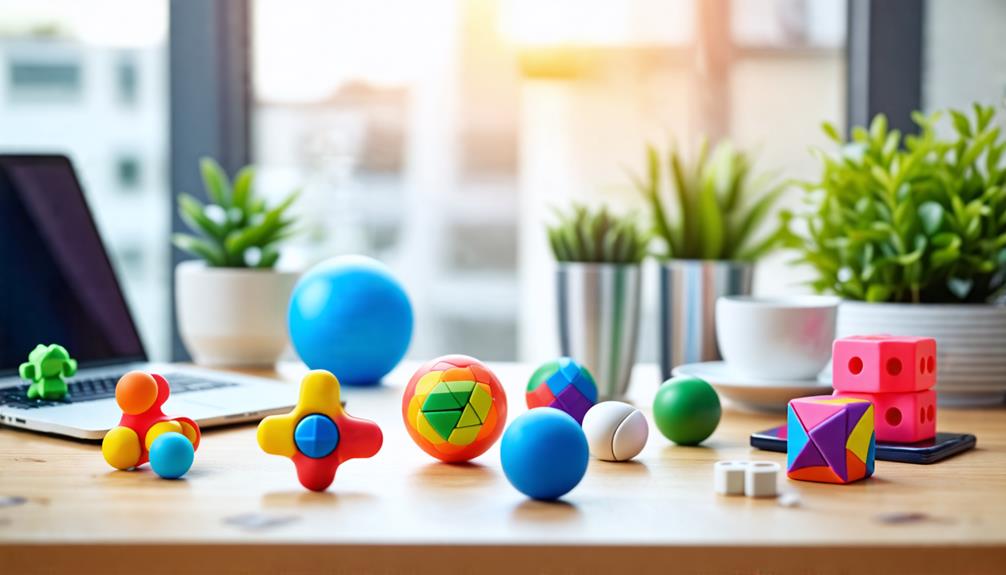
You might wonder how simple tools like fidget toys can help students stay focused in class. When students use items like stress balls or fidget cubes, they're not just mindlessly playing; they're engaging in subtle movements that channel excess energy and reduce anxiety. This controlled fidgeting can lead to improved attention spans and engagement, particularly for students with ADHD. Moreover, research supports these claims, showing that fidget toys can enhance concentration and reduce stress. Integrating these tools into modern classrooms aligns with inclusive educational practices, providing a supportive environment for diverse learning needs.
Understanding Fidget Tools
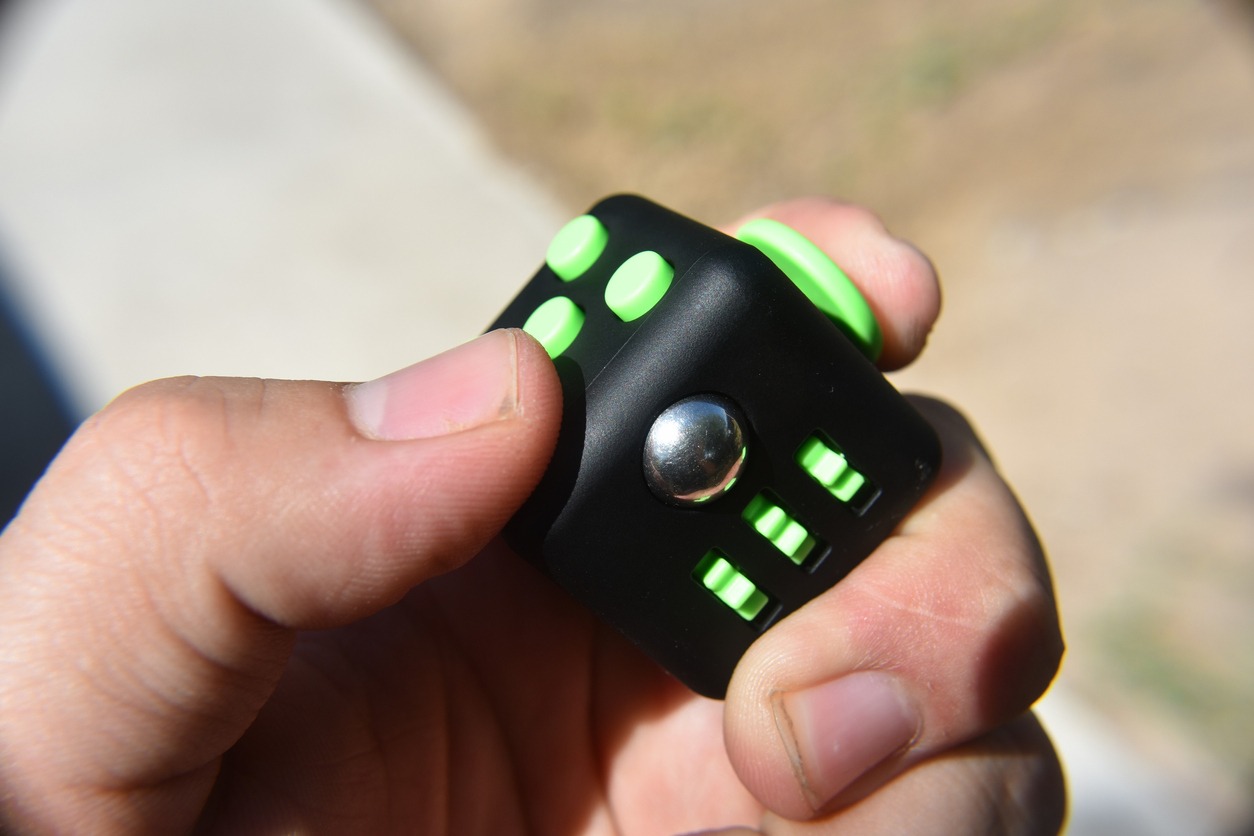
Fidget tools, designed to provide sensory input, can significantly enhance students' focus and concentration, especially for those with ADHD. These tools, such as Pop-Its, multi-function cubes, and soft bendable sticks, are crafted to be quiet and discreet, ensuring they do not cause visual or auditory distractions to other students.
For students with ADHD or other learning challenges, fidget tools make it easier to concentrate by providing sensory input that soothes anxiety and helps regulate the nervous system. Research supports that the appropriate use of fidget tools can markedly improve attention spans.
Integrating fidget tools into the classroom benefits not only individual students but also the overall learning environment by reducing disruptions. Selecting quiet and discreet tools ensures that while one student receives the sensory input they need, others remain undisturbed. Consequently, fidget tools are a valuable addition to any classroom, accommodating diverse learning styles and enhancing general concentration.
How Fidgeting Enhances Focus
Channeling excess energy through fidgeting can significantly improve concentration during classroom activities. The constant movement provides necessary sensory input, helping to channel energy productively. This is particularly beneficial for students with attention-deficit/hyperactivity disorder (ADHD), who often face challenges in maintaining focus.
Fidget tools, such as stress balls, help regulate the nervous system by reducing anxiety, thereby making it easier to stay engaged in tasks. This not only minimizes distractions for the individual but also for their peers, fostering a more focused classroom environment. Reduced anxiety and increased engagement can lead to better academic outcomes.
Fidgeting serves as a strategic method to maintain mental focus. Research indicates that students with ADHD who use fidget devices exhibit improved on-task behavior, which correlates with higher academic achievement. By managing energy levels and reducing stress, fidget tools facilitate focus and minimize distractions, aiding in the absorption and retention of information. Hence, when feeling jittery, remember that fidgeting can be a valuable ally in staying focused.
Evidence From Research
Research indicates that incorporating fidget tools into the classroom can significantly improve students' focus and academic performance. For example, a 2006 study found that using stress balls markedly increased attention spans among sixth graders, demonstrating the effectiveness of simple fidget tools in enhancing focus. For students with ADHD, adding movement through fidget devices can make a substantial difference. Research from UC Davis suggests that these students experience improved academic performance when they use fidget tools.
However, not all fidget tools are equally effective. A systematic review highlighted that while fidget spinners might hinder attention in children with ADHD, tactile fidgets like stress balls, which don't demand visual attention, are much more effective. Conversely, another study found that second-grade students with ADHD showed notable increases in on-task behavior when using fidget spinners, with some improving their focus by up to 52%. This indicates that the effectiveness of fidget tools may vary based on the type of tool and the individual needs of the student.
Changing Classroom Norms
Recognizing the proven benefits of fidget tools, educators are now revising traditional classroom norms to support diverse learning needs more effectively. Historically, rigid behavioral standards dominated classrooms, but modern approaches acknowledge fidgeting as a normal and beneficial behavior rather than a disruptive one. Considering that 5%-6% of the population is affected by ADHD, it is essential to adapt classroom activities to address these unique behavioral challenges.
Here are three key ways fidget tools are transforming classroom norms:
- Enhanced Focus: Fidgeting can significantly improve attention and concentration, especially for students with ADHD, leading to better learning outcomes.
- Sensory Input Management: Fidget tools help students manage sensory input needs, thereby reducing distractions and fostering a more inclusive learning environment.
- Collaborative Special Education: Teachers, parents, and support staff collaborate to identify effective fidget solutions tailored to individual students, particularly those in special education.
Selecting the Right Fidget Toy

Selecting the Right Fidget Toy
Choosing the right fidget toy involves understanding each student's unique sensory needs and preferences. Ideally, fidget toys should be quiet and discreet to avoid distracting others in a classroom setting. For instance, putty and dough offer excellent sensory input through touch without making noise, promoting tactile engagement that helps students maintain attention and focus.
Low-tech fidgets like pencil grips and textured rulers can blend in with regular school supplies, making them a discreet choice. These tools provide the necessary sensory input while remaining unobtrusive. Tangle toys and squigglet bracelets are other excellent options, offering silent finger and hand stimulation to keep students engaged without disturbing their classmates.
Here's a quick comparison to help you choose the best fidget toy:
| Fidget Toy | Key Features |
|---|---|
| Putty/Dough | Quiet, tactile engagement, sensory input |
| Pencil Grips | Discreet, resembles school supplies |
| Textured Rulers | Tactile engagement, blends in |
| Tangle Toys | Silent stimulation, focus improvement |
| Squigglet Bracelets | Finger/hand engagement, quiet use |
Selecting the right fidget toy means considering what textures and types of engagement best support the student's focus and attention. The goal is to enhance their ability to concentrate without adding distractions.
Related posts