How Fidget Toys Can Support Emotional Regulation in Teenagers
You might wonder how fidget toys can assist teenagers in managing their emotions more effectively. By providing sensory input, tools like fidget spinners and poppers help teens focus and reduce anxiety. They offer a way to self-soothe during stressful moments, making it easier to handle feelings of agitation or boredom. Additionally, fidget toys promote better information retention and improve overall well-being. However, understanding their full benefits and the best ways to incorporate them into daily life requires a closer examination of several key aspects.
Purpose of Fidget Toys
Fidget toys are designed to aid in emotional regulation and enhance focus by offering sensory input through various movements. These tools can be particularly effective in managing boredom, anxiety, and agitation. Engaging your hands in activities like popping, squeezing, or spinning can help redirect your mind, which is especially beneficial for those with conditions such as ADHD or OCD.
In classroom settings, the discreet nature of many fidget toys allows for their use without disturbing others. This can significantly improve your ability to concentrate on academic tasks while managing underlying emotional or sensory challenges. The tactile interaction helps channel energy constructively, thereby boosting attention span and concentration.
Additionally, fidget tools are both affordable and readily available, enabling you to experiment with different types to find the most suitable ones for your needs. Integrating these tools into your daily routine can create a more conducive environment for learning and personal development. Ultimately, fidget toys provide a practical means to enhance overall well-being.
Types of Fidget Toys
When selecting fidget toys for emotional regulation, you'll encounter a wide range of options that cater to various sensory needs. Some are portable and discreet, making them ideal for use in classrooms or public spaces. Others are designed specifically for teenagers, ensuring they are both developmentally appropriate and engaging without causing discomfort or embarrassment.
Diverse Sensory Experiences
Teenagers can greatly benefit from various fidget toys, each designed to offer unique sensory experiences tailored to their individual needs. These toys play a crucial role in emotional regulation and sensory processing by providing different textures, movements, and interactions. Here are four types of fidget toys that offer distinct sensory benefits:
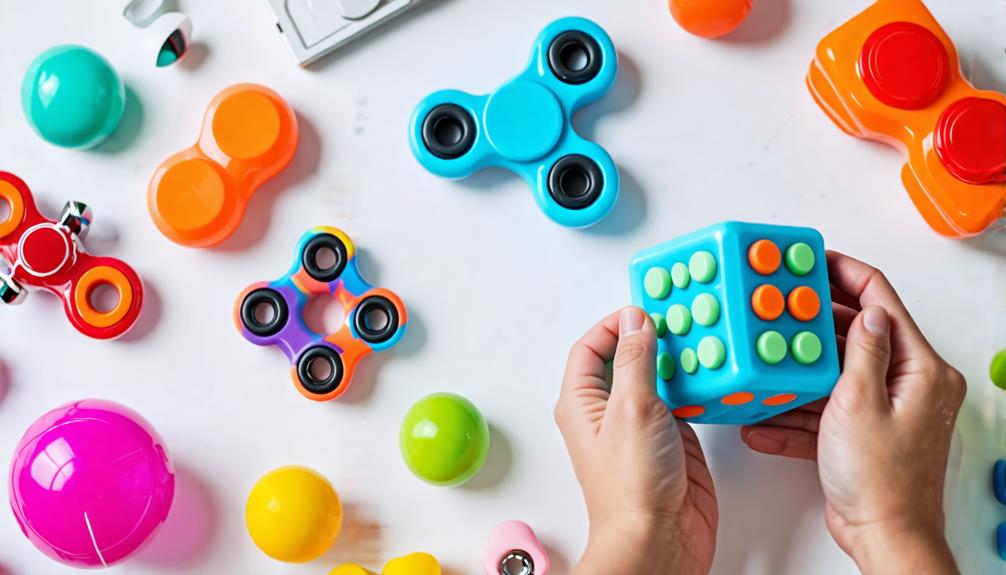
- Fidget Spinners: Compact and portable, these toys provide a repetitive spinning motion that helps maintain focus and enhance fine motor skills. Their consistent sensory input can be particularly soothing for teenagers.
- Fidget Poppers: These colorful, quiet, and reusable toys offer calming auditory stimulation. They are ideal for classroom settings where maintaining a low noise level is important.
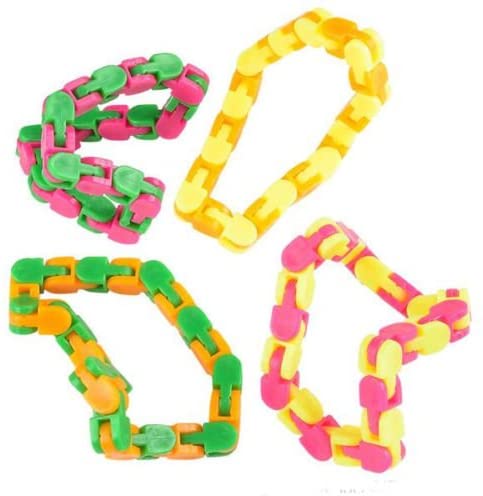
- Fidget Puzzles: These toys engage users in problem-solving tasks, promoting cognitive engagement. The tactile interaction involved in solving puzzles aids in fine motor skill development, benefiting both the mind and body.
- Fidget Balls: Versatile and adaptable, these toys help with emotional regulation and muscle development. They come in various textures and weights, catering to individual sensory needs and providing both physical and emotional comfort.
Portable and Discreet Options
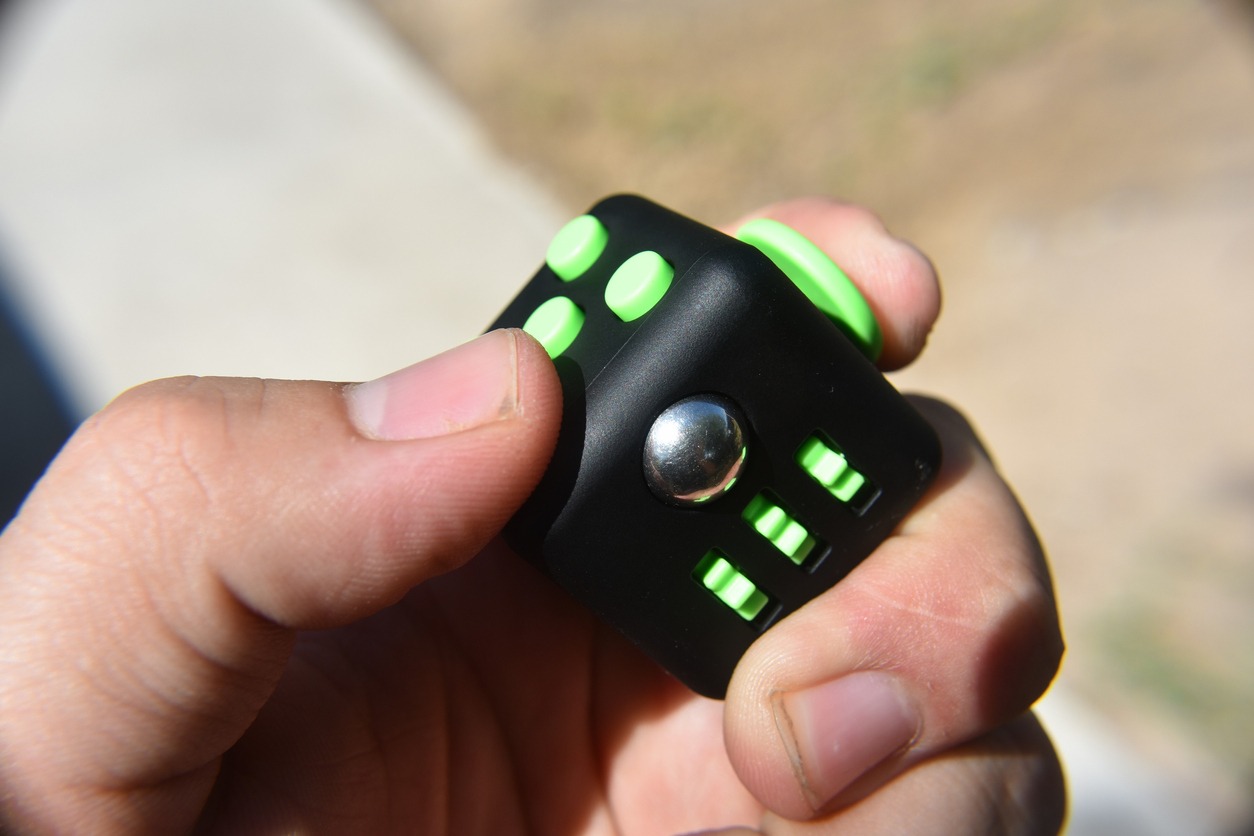
Incorporating portable and discreet fidget toys into daily routines can help teenagers manage their emotions and stay focused without drawing unwanted attention. Compact options like fidget spinners and fidget cubes are easy to carry and perfect for school settings. They fit neatly into a pocket or backpack, allowing teens to use them whenever they need a quick sensory break.
Fidget jewelry, such as bracelets and rings, offers a stylish way for teenagers to engage in sensory input. These items blend seamlessly with everyday attire, making them ideal for classroom use without standing out. Smaller fidget items, like simple dimples and poppers, are quiet and unobtrusive. They provide effective emotional self-regulation without disturbing peers, making them practical for teenagers who need a discreet tool.
Stainless steel fidgets appeal to older students seeking a more mature aesthetic. These fidgets are not only durable but also subtle, helping teens manage anxiety without attracting attention. Keychain fidgets, such as the Simpl Dimpl Keyring, offer portable stress relief. They can be easily accessed during stressful situations, ensuring that support is always within reach. By choosing the right portable and discreet fidget toys, teenagers can better navigate their emotional landscapes.
Age-Appropriate Designs
Exploring developmentally suitable designs in fidget toys ensures that teens find tools that aid emotional regulation while matching their personal style and maturity level. Age-appropriate designs are crucial because they make teenagers feel comfortable and confident using these tools in various settings, from classrooms to social gatherings.
Here are four types of age-appropriate fidget toys that assist with emotional regulation:
- Fidget Jewelry: Options like fidget rings or bracelets offer a discreet, stylish way to manage anxiety and focus. These blend seamlessly with everyday outfits, making them ideal for teens who wish to maintain a mature appearance.
- Stainless Steel Fidgets: These provide a sleek, mature look that appeals to older students. Besides their aesthetic appeal, they deliver the sensory input needed for emotional regulation.
- Fidget Spinners: Known for their portability, these allow teens to release excess energy and stay focused during tasks. Their compact design makes them suitable for on-the-go use.
- Fidget Poppers: Available in various shapes and colors, these are quiet and reusable, making them ideal for classroom settings where minimizing distractions is essential.
Benefits for Teenagers
Fidget toys provide teenagers with a practical means of managing anxiety and stress, thereby enhancing their focus and academic performance. These toys serve as sensory outlets, aiding emotional regulation, especially for those with ADHD. By channeling excess energy into calming activities, fidget toys help reduce distractions and improve concentration.
Research supports these benefits. A 2013 study demonstrated that students who fidgeted retained more lecture material, indicating that such tools can enhance attention retention. Therefore, using stress balls, fidget spinners, or cubes can help teenagers stay focused during classes and study sessions.
Fidget toys also function as effective self-soothing techniques. For teens experiencing high levels of anxiety, having a fidget tool readily available can help calm their nerves. This promotes a sense of well-being and offers a healthier alternative to potentially harmful nervous habits.
Additionally, integrating fidget toys into daily routines can be particularly beneficial for teenagers with ADHD. These tools engage the tactile senses, assisting in symptom management and boosting overall academic performance. Fidget toys are not just entertaining—they are valuable resources for emotional and mental support.
Classroom Considerations
Incorporating fidget toys into the classroom requires ensuring they do not disrupt the learning environment. Collaborating with teachers to establish clear guidelines can help balance their benefits and potential distractions, supporting a focused and inclusive atmosphere for all students.
Disruption-Free Environment
Creating a disruption-free classroom environment requires thoughtful management of fidget toys. While these toys can significantly benefit teenagers' mental health, their use must be carefully regulated to prevent distractions. Research indicates mixed outcomes: some students benefit from fidget toys, while others may find them distracting. Therefore, it's crucial to customize the approach to each student's needs.
To maintain a disruption-free environment, consider these strategies:
- Discreet Designs: Opt for fidget toys that are quiet and unobtrusive, such as putty or small spinners. These can help students without attracting attention.
- Clear Guidelines: Establish and communicate rules regarding the appropriate times and ways to use fidget toys. This ensures students understand the boundaries and maintain focus.
- Individual Plans: Develop personalized plans with students, outlining how they can use fidget toys effectively. This ensures each student receives the necessary support without disrupting others.
- Feedback Loop: Regularly collect feedback from both students and teachers to adjust the use of fidget toys as needed. This dynamic approach balances therapeutic benefits with maintaining a productive classroom environment.
Teacher Collaboration
Teacher Collaboration
Teachers' collaboration is essential to ensure that fidget toys aid emotional regulation without disrupting classroom learning. Effective communication with teachers ensures that fidget tools are integrated thoughtfully and serve their intended purpose. While research shows mixed reviews on fidget toys' impact, personalized approaches can address each student's unique needs.
For successful integration, teachers should monitor the use of fidget tools closely. This helps in identifying which specific tools are most effective for individual students. By doing so, a supportive atmosphere can be fostered, aiding emotional regulation while maintaining classroom focus. Discussing best practices with teachers can also lead to the creation of classroom guidelines. These guidelines help balance the therapeutic benefits of fidget toys with the need to minimize distractions.
Collaborating with teachers is fundamental for striking this balance. Their insights are invaluable in tailoring the use of fidget tools to support students without compromising the learning environment. This team effort ensures that emotional regulation tools are used effectively and responsibly. By working together, a classroom setting that promotes both focus and emotional well-being can be created, benefiting all students involved.
Choosing the Right Fidget
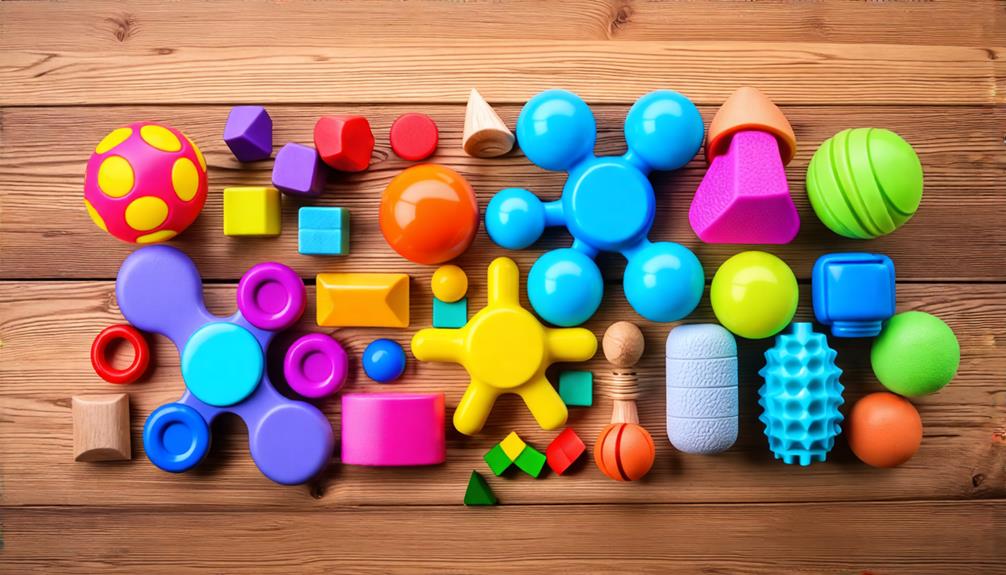
Choosing the right fidget tool begins with understanding a teenager's unique sensory needs and preferences. Fidget tools can aid in emotional regulation and concentration, but it's crucial to match the tool to the individual's specific requirements. Some teens may benefit more from tactile fidgets like stress balls, which can alleviate anxiety through touch, while others might find visual tools like fidget spinners less effective for maintaining focus.
To select the best fidget tool, consider these steps:
- Identify Sensory Needs: Determine if the teenager responds better to tactile, visual, or oral inputs. For example, chew necklaces might be ideal for those needing oral stimulation, while simple dimples offer quiet, tactile engagement.
- Experiment with Different Types: Try a variety of fidgets to see what works best. Fidget cubes can enhance concentration, while poppers may help in stressful situations requiring emotional regulation.
- Consider Discreet Options: Choose tools that are classroom-appropriate and non-distracting. Fidget jewelry provides sensory input without drawing unwanted attention.
- Rotate Fidget Tools Regularly: Keep the teenager engaged by rotating different types of fidgets. This provides fresh sensory experiences and sustains interest, which is crucial for effective emotional self-regulation.
Role of Adults
Adults play a crucial role in guiding teenagers on the effective use of fidget tools for emotional regulation. By modeling appropriate use, adults can demonstrate how these tools help manage emotions and improve focus. Creating a safe space for teenagers to express their needs is essential, as it encourages them to adopt these tools as part of their self-regulation strategies.
School social workers often integrate fidget toys into therapeutic sessions to help teens manage anxiety through structured activities. If you are involved in these sessions, rotating different types of fidget tools can keep students engaged and interested. This practice also helps identify which tools are most effective for each teenager, allowing for a tailored approach.
Furthermore, you can assist in setting guidelines for fidget use in classrooms. Clear rules ensure that these tools enhance, rather than disrupt, the learning environment. Achieving expertise in this area demonstrates your dedication to supporting teenagers in their emotional experiences. By effectively guiding them, you enable them to harness the full potential of fidget tools for improved emotional regulation and focus.
Related posts