How to Address Financial Scams Targeting the Elderly
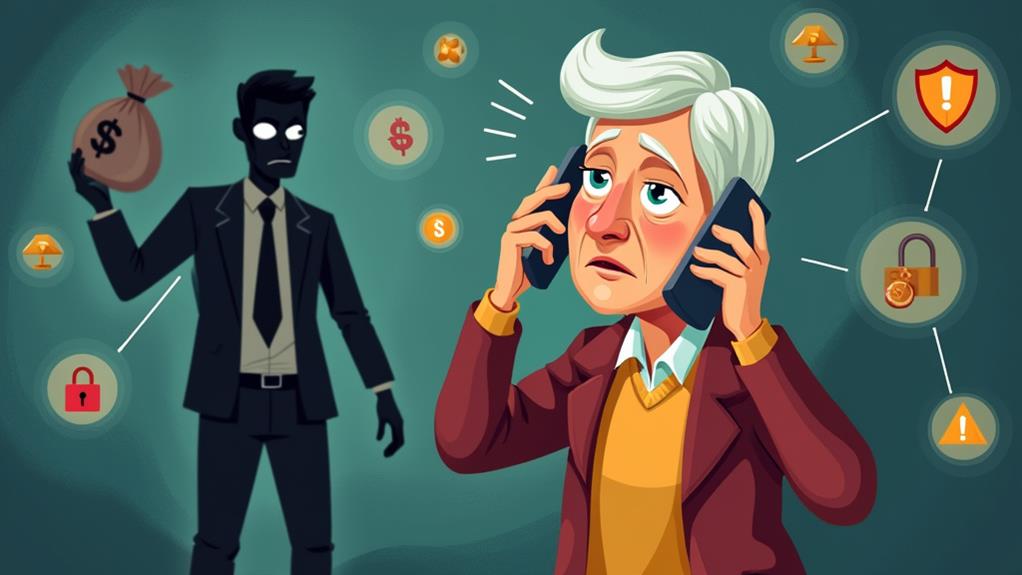
To protect elderly loved ones from financial scams, make awareness a priority. Discuss common scam tactics like romance, tech support, and grandparent scams, fostering skepticism towards offers that seem too good to be true. Encourage seniors to verify unexpected contacts and establish trusted individuals for financial security. Regularly monitor bank statements and build a strong support network involving family, friends, and community resources. If scams occur, cease communication, document details, and report to authorities and the FTC. Utilizing these steps helps reduce vulnerability and promotes a safer financial environment. There's more to investigate for a thorough approach.
Impact of Elder Financial Scams
In 2023 alone, older adults lost a staggering $3.4 billion to financial scams, with the FBI reporting over 101,000 victims of elder fraud complaints, marking a 14% increase from the previous year. This alarming trend highlights the severe impact of financial exploitation on seniors. Financial exploitation not only drains their savings but also jeopardizes their retirement security and family legacies. To protect older adults, it's vital to understand the full scope of this issue.
AARP estimates that seniors experience annual losses of approximately $28.3 billion due to numerous scams. Beyond the financial devastation, the emotional toll is profound. Victims often feel shame, depression, and anxiety, leading to social isolation and cognitive decline. Many older adults experience trauma from the betrayal of trust by scammers or even loved ones, resulting in a grief-like process over their lost financial security and trust in others.
To effectively combat elder fraud, it's important to report fraud promptly and educate older adults about the risks. By raising awareness and implementing protective measures, you can help safeguard their financial well-being and emotional health, ensuring a more secure and dignified life for our seniors.
Recognizing Common Scam Tactics
Understanding how scammers operate is crucial for protecting senior citizens from falling victim to financial fraud. Romance scams, for instance, exploit emotional connections by creating fake profiles on dating apps or social media. These scammers build trust before soliciting money. Often, the plea for financial help is disguised as an emergency, compelling the victim to act quickly.
Tech support fraud is another common tactic. Scammers use deceptive pop-up messages or unsolicited calls to trick senior citizens into providing personal information or granting remote access to their computers. Once they have access, they can steal sensitive data or demand payments to "fix" non-existent issues.
Grandparent scams prey on the familial bond by impersonating a grandchild in urgent need of financial assistance. The scammer's story often involves an emergency that requires immediate, unverified monetary transfers. This tactic utilizes the elder's love and concern to facilitate quick payments.
Government impersonation schemes create a sense of urgency by threatening legal consequences. Scammers claim to be from official agencies, demanding personal information or payments to avoid penalties.
Fake prize scams promise winnings but require upfront fees or personal information to claim the prize. These scams often target unsuspecting seniors keen for good fortune, leading them to share sensitive data or send money.
Educating Seniors on Scams

Educating seniors on scams is essential to protecting them from financial fraud. With older adults losing over $966 million to elder fraud in 2020, it's clear that knowledge is a powerful defense. To protect against financial abuse, you need to help seniors recognize common scams like romance scams, tech support fraud, and government impersonation schemes. These scams often exploit trust and create a false sense of urgency to manipulate their victims.
Start by educating seniors on scams through regular discussions and workshops. Highlight the significance of spotting red flags, such as unsolicited requests for personal information or offers that seem too good to be true. Encourage them to be skeptical of any suspicious activity and to verify the legitimacy of any unexpected contact, especially if it involves financial transactions.
Building a Support Network
To bolster seniors' defenses against financial scams, building a robust support network is crucial. Start by involving family members, friends, and trusted neighbors. These people can provide a reliable resource for discussing financial concerns and potential scams targeting older adults. Regular conversations about financial security within this network can help protect seniors by recognizing scam indicators early.
Engage with local senior centers or community organizations to expand the support network. These centers often offer educational resources on financial safety and fraud prevention. Utilizing technology tools like shared calendars or group chats can keep everyone informed about any suspicious activities or prevalent scams in the community. This guarantees that all members of the support network are on the same page.
Encourage open dialogue about past experiences with scams. This fosters an environment of trust and empowers older adults to seek help without fear of embarrassment. Involving financial institutions in these discussions can also be beneficial, as they can provide extra insights and resources.
Preventing Financial Abuse

Preventing financial abuse among the elderly starts with vigilance and proactive measures. Establishing a trusted contact person is a vital step in enhancing financial security for older adults. By having someone reliable to consult before making significant financial decisions, you can help prevent hasty or ill-informed actions that might lead to financial abuse.
Regular monitoring of bank and credit card statements is fundamental. This practice allows you to detect unauthorized transactions early, thereby reducing the potential impact of financial abuse. Encourage older adults to review their financial statements frequently and report any suspicious activity immediately.
A scams prevention toolkit is another valuable resource. This toolkit should include education on common scams and their warning signs, empowering seniors to recognize and avoid potential financial exploitation. Knowledge is power, and being informed is a considerable defense against scammers.
Building a robust support network of family members and friends is just as important. Open discussions about financial matters can make older adults feel more secure and less isolated, which is vital in preventing scams. Ultimately, collaborating with financial institutions and participating in community workshops on scam awareness can provide older adults with the necessary tools and resources to protect themselves effectively from financial abuse.
Steps for Scam Victims
Experiencing a financial scam can be overwhelming, but immediate action is vital to mitigate its impact. Initially, cease all communication with the scammer. This helps prevent further exploitation and emotional distress. Next, contact your financial institutions right away to report any unauthorized transactions. They can assist in reversing charges and securing your accounts.
It's important to document all details of the scam. Write down names, dates, and specific interactions. This information will be invaluable when you report the incident and during future investigations. Scams targeting older adults can be particularly insidious, so thorough documentation helps authorities track and combat these frauds.
Additionally, report the incident to local law enforcement and the Federal Trade Commission (FTC) at ReportFraud.ftc.gov. This aids in tracking fraudulent activities and potentially stopping the scammer from targeting others.
Reporting Fraud and Abuse

Recognizing and reporting fraud and abuse swiftly can make a significant difference in curbing financial scams targeting the elderly. If you or an older adult you know falls victim to financial abuse, it's vital to act quickly. Start by reporting fraud to local law enforcement—they're often the primary line of defense and can initiate an investigation.
Next, report the incident to the Federal Trade Commission (FTC) at ReportFraud.ftc.gov. The FTC tracks scam trends and works to prevent further financial abuse. Don't forget to notify your bank or financial institution as well; they may reverse unauthorized transactions and secure your accounts to prevent further losses.
Contacting Adult Protective Services (APS) is another essential step. APS specializes in assisting older adults who are experiencing exploitation or abuse. They can offer resources and support tailored to the unique challenges faced by elderly victims.
Remember to carefully document all details of the scam, including dates, names, and specific financial transactions. This information is invaluable for both law enforcement and other agencies in their investigations. By taking these steps, you not only protect yourself but also help combat financial scams targeting the elderly community.
National Elder Fraud Hotline
After you've reported fraud to local law enforcement, the FTC, and your bank, there's another valuable resource at your disposal: the National Elder Fraud Hotline. Established by the U.S. DOJ's Office for Victims of Crime, this hotline provides individuals aged 60 and older with a dedicated line to report financial fraud and receive support.
You can reach the National Elder Fraud Hotline by dialing 833-FRAUD-11 or 833-372-8311. The hotline operates Monday to Friday from 10:00 a.m. to 6:00 p.m. Eastern Time and offers services in multiple languages, including English and Español. When you call, you'll be quickly connected to live representatives who provide personalized assistance and assign dedicated case managers to guide you through the process of reporting fraud.
Reporting fraud through this hotline is vital. It not only aids law enforcement in stopping scammers but also helps prevent further victimization within your community. The representatives treat all callers with respect and understanding, ensuring a safe environment for discussing your experiences. Plus, you'll have access to tailored resources at no cost. Don't hesitate to use this significant service for the support you need.
Resources for Caregivers

Caregivers are on the front lines of protecting the elderly from financial scams, playing a crucial role in monitoring financial activities and educating about common scam tactics. To effectively combat these scams, you need access to the right resources. Organizations like the National Council on Aging provide valuable training materials and guides that can help you recognize signs of financial exploitation among older adults. These resources are designed to improve your ability to spot red flags and take proactive measures to safeguard your loved ones' finances.
Another key resource is the support from financial institutions. Bank staff can be essential allies, assisting you in identifying suspicious transactions and offering supplementary support to older clients at risk of scams. Don't hesitate to collaborate with them; this partnership can greatly strengthen your efforts in preventing financial exploitation.
Moreover, community programs and workshops focused on scam prevention are excellent tools. These programs offer practical knowledge and tools specifically aimed at protecting older adults from financial scams. By leveraging these resources, you can stay informed and better equipped to shield the elderly from financial fraud, ensuring their financial well-being remains secure.
Emotional Support for Victims
While resources for caregivers play an important role in preventing financial scams, addressing the emotional toll on victims is just as important. Older adults who fall prey to financial scams often experience emotional effects like insomnia, depression, and anxiety. They may feel shocked and betrayed, leading to grief over lost financial security and trust in others. This emotional trauma makes recovery necessary.
Self-isolation is a common reaction among victims, driven by shame and embarrassment. This isolation can worsen mental health issues, including depression and cognitive decline. Providing a nonjudgmental listening ear can greatly help older adults in their emotional healing process. Allow them to share their experiences without fear of judgment.
Encouraging self-compassion is essential. Remind them that anyone can fall for scams, which helps restore hope and fosters resilience. Emotional support plays a key role in their recovery process. By addressing their emotional needs, you help them regain confidence and trust in themselves and others.