How to Choose the Best Toenail Clippers for Thick Nails: A Complete Guide

Selecting the best toenail clippers for thick nails is important for maintaining proper grooming and avoiding discomfort. It's important to consider factors such as blade material, jaw size, and overall design. Sharp stainless steel blades are essential for a clean cut, while an ergonomic handle helps prevent hand fatigue. Additionally, choosing between straight and curved edges depends on your specific needs. Proper maintenance of these tools is also vital for long-term use. Here's what you need to know to make an informed decision.
Understanding Toenail Clippers
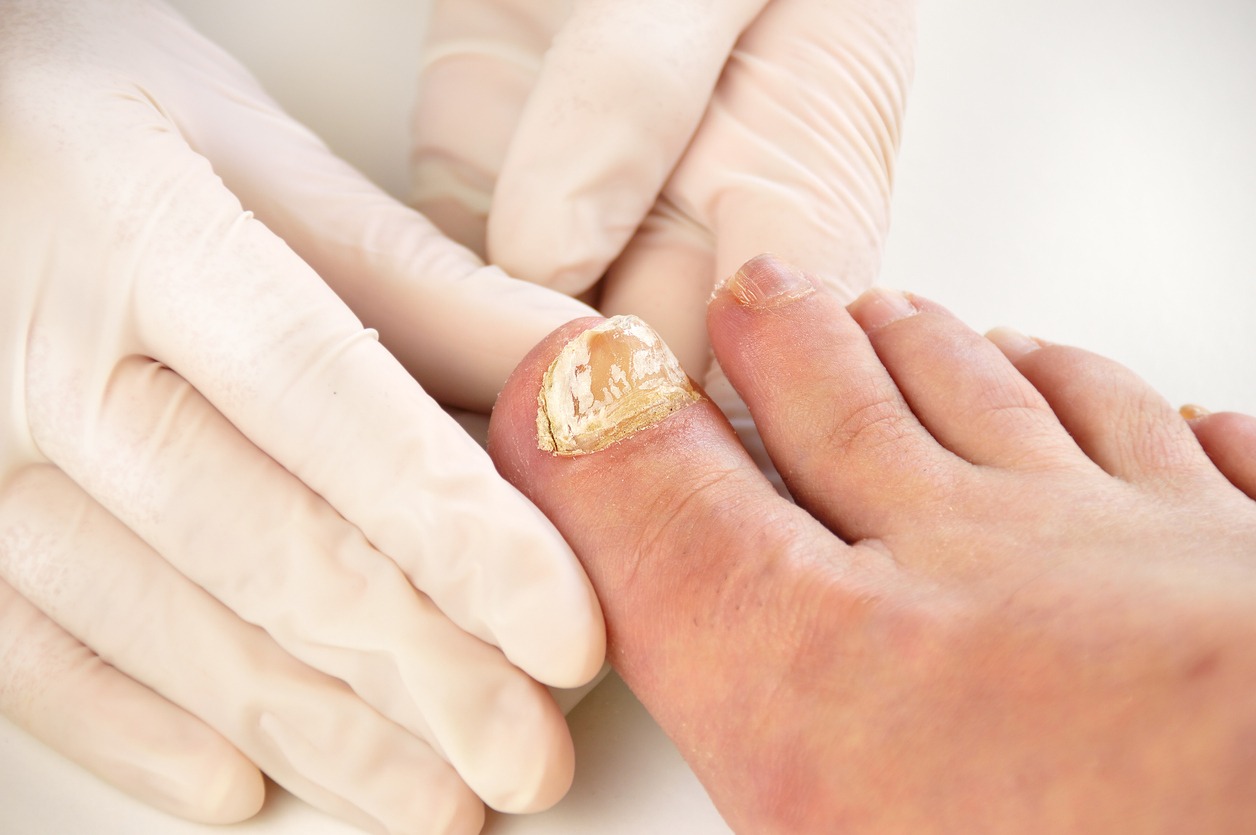
Toenail clippers are specialized tools designed to keep your toenails trimmed, clean, and healthy. For thick nails, you need clippers that offer both strength and precision. Look for clippers with an ergonomic design to ensure comfort and control, which helps prevent accidents and makes the grooming process smoother.
High-quality toenail clippers often feature stainless steel blades. These durable materials are long-lasting and resistant to rust and corrosion, guaranteeing a clean cut every time. Sharp blades are essential for handling thick nails effectively and reducing the risk of ingrown toenails by cutting cleanly and precisely.
Professional-grade clippers are worth considering if you frequently deal with tough, thick nails. These clippers typically have wider jaws and sharp, curved blades designed to trim thick toenails safely and effectively. Investing in tools with durable materials and an ergonomic design makes maintaining your toenails straightforward, helping you avoid common issues like ingrown toenails and infections.
Types of Toenail Clippers
When choosing the right tool for thick nails, it's important to understand the different types of toenail clippers available.
Standard Nail Clippers are the most common, featuring a basic design suitable for regular nail trimming. However, they may struggle with thick toenails due to limited jaw strength, making them less effective for such tasks.
Ingrown Toenail Clippers are specifically designed for precision trimming, especially for those prone to ingrown toenails. Their unique blades allow for careful cuts, reducing the likelihood of further complications.
Professional-Grade Nail Nippers are ideal for those needing more cutting power. These tools offer larger jaws and improved strength, engineered for thick or tough nails. Often used by podiatrists and nail technicians, they provide an ergonomic grip for comfortable handling and precise cuts.
Electric Nail Clippers provide convenience and ease of use, especially useful if you have limited hand strength or mobility. These clippers automate the trimming process, making frequent nail care less of a chore.
Travel-Sized Clippers are compact and portable, designed for on-the-go use. However, they might not have the strength needed for effectively cutting through thicker nails.
Choosing the Right Clippers

Selecting the right clippers for thick nails requires prioritizing models with sharp, durable blades made from surgical-grade stainless steel. This ensures effective cutting without causing damage to your nails. To make the best choice, consider the following key features:
1. Wide Jaws and Larger Opening
Seek clippers with wide jaws to accommodate the thickness of your nails. A larger opening allows for easier positioning of your nail for a precise cut.
2. Ergonomic Design and Non-Slip Handles
An ergonomic design with non-slip handles provides better grip and control. This feature is especially useful if you have limited dexterity or strength, helping to prevent accidental slips and potential injuries.
3. Straight Edge or Curved Edge
Choose between a straight edge for clean, even cuts and a curved edge to follow the natural shape of your nails. A straight edge is particularly effective in reducing the risk of ingrown nails.
Additionally, ensure your clippers come with a good maintenance plan. Options for easy cleaning and sharpening will sustain their performance over time, keeping the blades sharp and durable. By focusing on these aspects, you'll find clippers that make trimming thick nails a breeze.
Material and Durability
When selecting toenail clippers for thick nails, prioritize material and durability. Choose clippers made from high-quality materials such as surgical-grade stainless steel or titanium-coated blades. These options ensure long-lasting performance and rust resistance, reducing the need for frequent replacements and promoting better nail care over time.
Quality Material Benefits
Opting for toenail clippers made from high-quality materials such as surgical-grade stainless steel ensures durability and rust resistance, essential for managing thick nails. These clippers maintain sharpness, providing a clean cut and reducing the risk of jagged edges or painful snags. Additionally, surgical-grade stainless steel is easy to clean, promoting a hygienic grooming experience and minimizing bacterial growth.
High-quality carbon steel clippers also offer significant benefits. Their strength and rigidity make them ideal for effective cutting without bending or warping, particularly crucial for tough or hardened nails. Carbon steel clippers are built for longevity, reducing the need for frequent replacements.
When choosing toenail clippers, consider these benefits of high-quality materials:
- Durability and Rust Resistance: Surgical-grade stainless steel clippers are resilient and resistant to corrosion, suitable for frequent use.
- Sharpness and Effective Cutting: Coatings such as titanium or diamond dust enhance sharpness, ensuring clean cuts through thick nails.
- Hygienic Grooming and Maintenance: Quality materials are easier to clean, preventing bacterial growth and ensuring a more sanitary grooming process.
Long-Lasting Performance
High-quality toenail clippers made from surgical-grade stainless steel or carbon steel guarantee long-lasting performance and durability. These materials are highly resistant to rust and corrosion, ensuring that your clippers maintain their sharpness and cutting efficiency even after extended use.
Surgical-grade stainless steel is a preferred choice due to its durability and ease of maintenance. Regular cleaning and occasional sharpening keep these clippers in optimal condition. Conversely, carbon steel clippers are known for their exceptional strength, making them ideal for tackling thick nails without compromising performance.
Well-constructed clippers designed specifically for thick nails offer fewer performance issues and provide a safer, more effective nail care experience. Some models even feature coatings like diamond dust to enhance blade lifespan and cutting efficiency, reducing the need for frequent replacements and contributing to the overall longevity of the clippers.
Investing in high-quality clippers made from either surgical-grade stainless steel or carbon steel ensures you have a reliable tool that can handle thick nails with ease. Prioritizing these materials will save you time and money in the long run.
Maintenance and Care
Proper maintenance and care of your toenail clippers ensure they remain effective and hygienic with each use. Here's how to achieve this:
- Regular Cleaning: Clean your clippers after every use to prevent bacterial growth. Use a disinfectant wipe or alcohol to sanitize both the blades and handles. This step is crucial for maintaining hygiene and preventing infections.
- Sharp Blades and Inspections: Periodically sharpen the blades to ensure they stay sharp and provide a clean cut. Regularly inspect your clippers for signs of wear, such as dull blades or loose handles. If you notice these issues, replace the clippers to maintain effective trimming.
- Proper Storage and Use: Store your clippers in a dry place to avoid rust and damage. Using a protective case is beneficial, especially for travel. Always use clippers on dry nails to prevent splitting and ensure a clean cut. Wet nails are more prone to tearing, which can lead to discomfort.