How to Choose the Right Toenail Clippers for Diabetic Foot Care
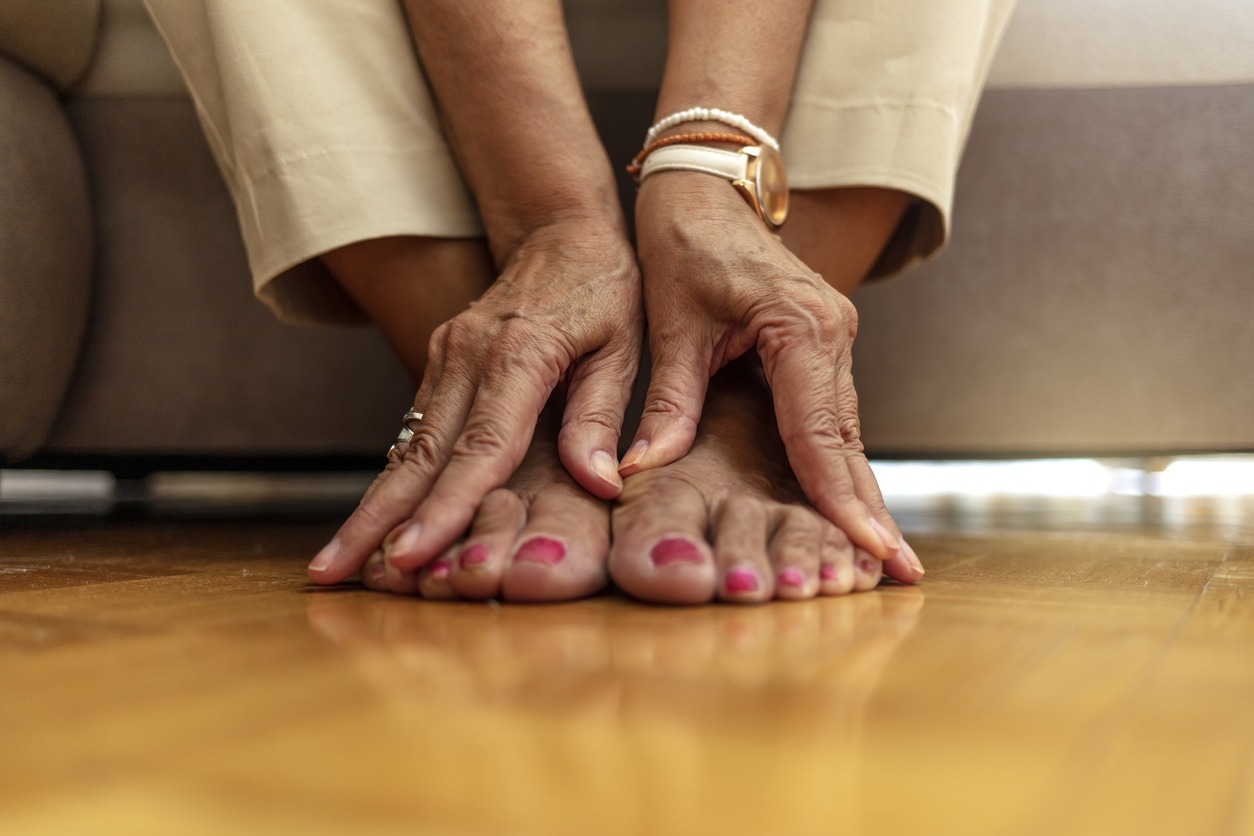
Selecting the right toenail clippers for diabetic foot care involves prioritizing safety and effectiveness to avoid complications. Look for clippers with sharp, surgical-grade stainless steel blades for clean cuts and reduced infection risk. Ergonomic handles provide a steady grip, and specialized designs accommodate thicker nails often associated with diabetes. However, choosing the right clippers is just the first step; proper techniques and routine maintenance are equally crucial. So, how can you ensure a comprehensive foot care regimen?
Importance of Toenail Clippers
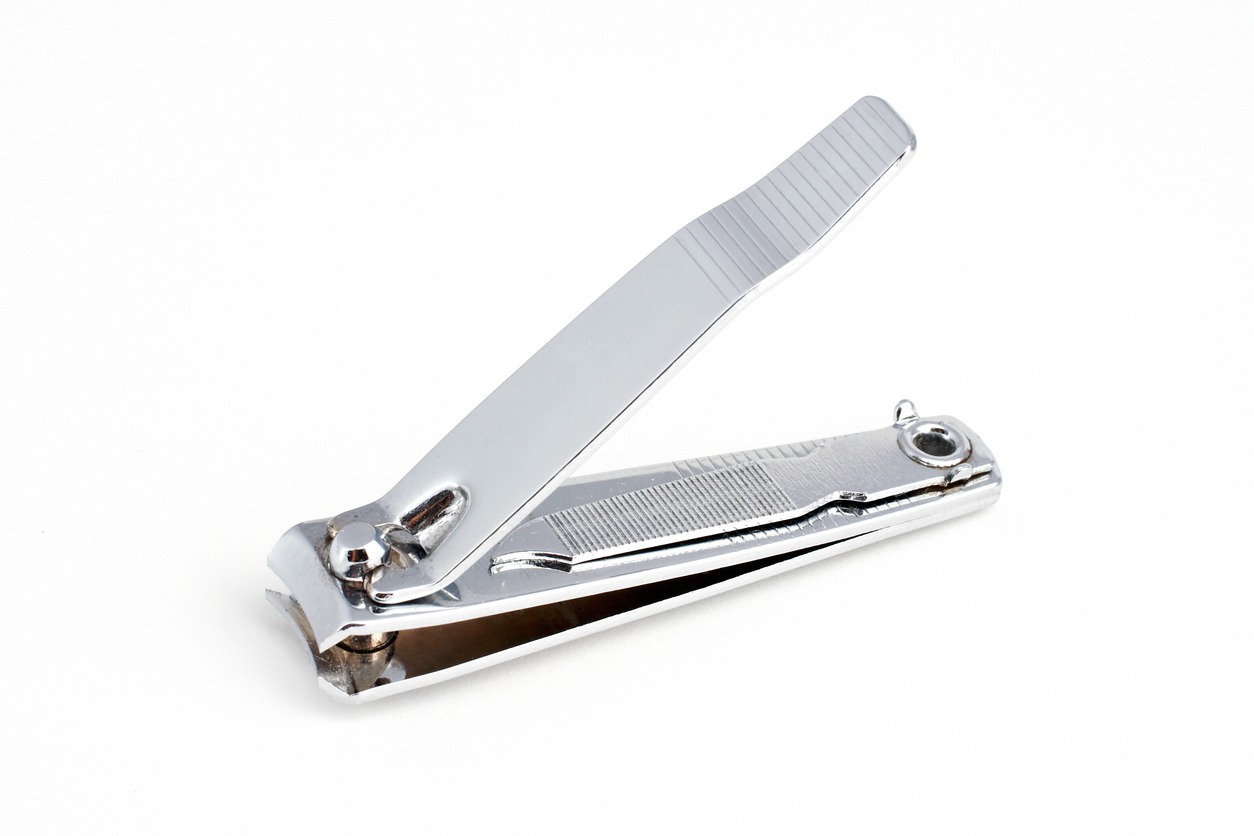
Quality toenail clippers are essential for diabetic foot care, helping to prevent complications such as infections and ingrown toenails. If you have diabetes, you are more susceptible to these issues due to impaired circulation and neuropathy. Professional toenail clippers made from surgical stainless steel can significantly improve your foot hygiene. These clippers are durable and resistant to bacteria growth, which is crucial for preventing infections.
When dealing with thick nails, professional clippers offer the necessary precision and strength. An ergonomic handle ensures you can comfortably and safely trim your toenails, even with limited mobility. Proper trimming techniques, such as cutting toenails straight across, help prevent ingrown nails and minimize the risk of nail bed damage.
Regular foot inspections and maintenance using appropriate clippers are vital for identifying potential nail issues early. This proactive approach reduces the likelihood of more serious foot problems in the future. Investing in high-quality toenail clippers tailored to your needs is a crucial aspect of diabetic foot care, taking a significant step towards maintaining overall foot health.
Key Features to Look For
When selecting toenail clippers for diabetic foot care, prioritize the sharpness of the blades and the ergonomic design of the handles. Sharp, curved blades ensure clean cuts, minimizing the risk of nail bed injury. Ergonomic handles provide better control and comfort, which is crucial for those with limited dexterity.
Sharp Blade Importance
Sharp blades in toenail clippers are crucial for diabetic foot care as they ensure clean cuts, significantly reducing the risk of infections from jagged edges. Using clippers with sharp blades prevents damage to the nail bed, which is essential in diabetes management. Surgical-grade stainless steel blades are ideal due to their durability and resistance to corrosion, minimizing the likelihood of bacterial contamination.
A clean cut is vital to avoid ingrown toenails, a common issue for diabetics. Clippers with curved blades facilitate straight cuts across the nail, lowering the risk of ingrown toenails. Additionally, strong leaf springs provide the necessary force to cut through thick nails, a frequent concern for diabetic individuals. Regular use of sharp clippers can enhance overall nail health, significantly reducing the risk of complications such as infections and foot ulcers.
Here's a comparison of key features:
| Feature | Importance | Benefit |
|---|---|---|
| Sharp Blades | Clean cuts, reduced infection risk | Improved nail health |
| Surgical-Grade Stainless Steel | Durability, corrosion resistance | Long-lasting, hygienic clippers |
| Curved Blade Design | Straight cuts, prevent ingrown toenails | Lower risk of complications |
Choosing clippers with these features will help maintain optimal nail health effectively.
Ergonomic Handle Design
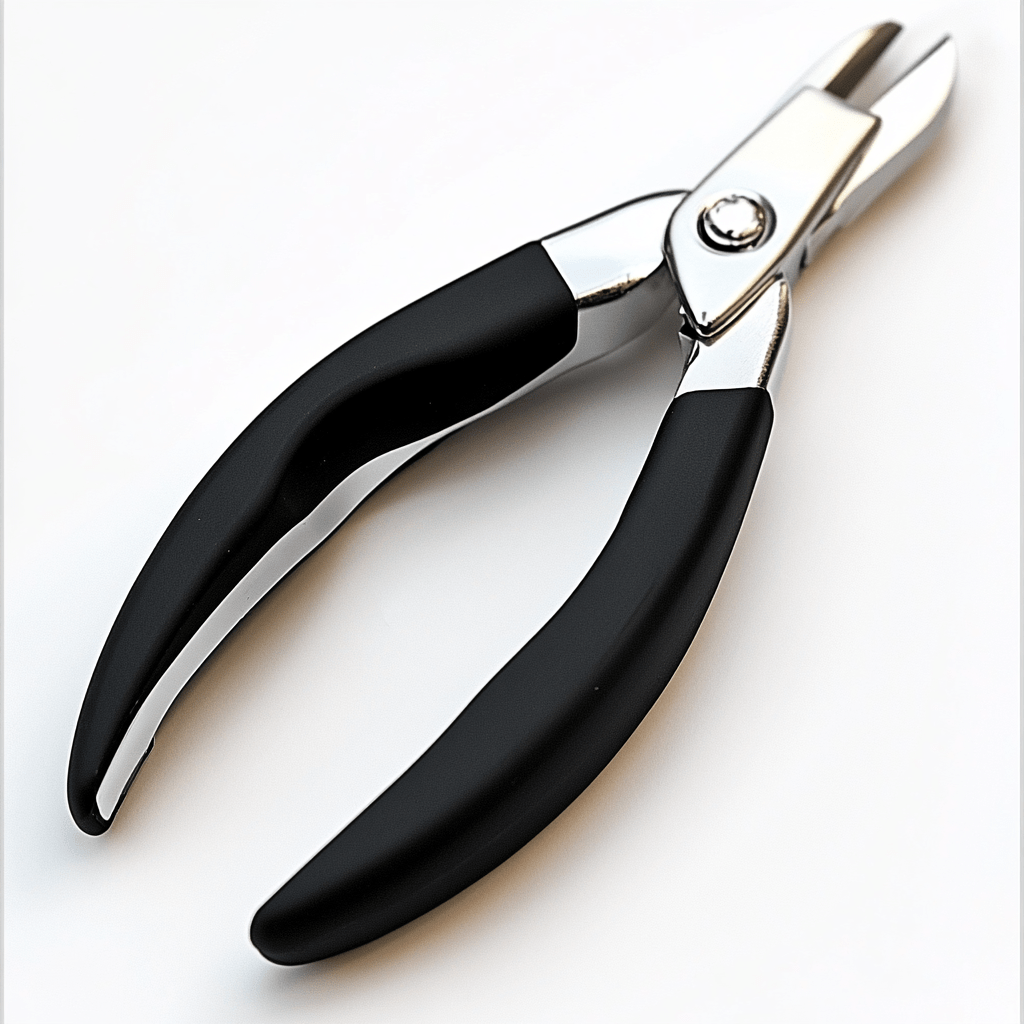
Selecting toenail clippers with ergonomic handle designs can significantly enhance comfort and control during use. Ergonomic handles are crucial for providing a comfortable grip, especially for individuals with limited dexterity or mobility issues. To ensure a secure hold, opt for handles that are wider and textured to prevent slippage. This is vital for maintaining better control and safety while trimming toenails.
Some ergonomic designs include a swivel blade mechanism, allowing for easier maneuverability and precision cutting at various angles without excessive wrist twisting. This feature is particularly beneficial for diabetic foot care. Additionally, a lightweight design can further improve ease of use, reducing fatigue during handling.
Rubberized or cushioned grips are another essential feature to consider. These grips absorb pressure and provide a secure hold, enhancing comfort during use. Lastly, ensure that your toenail clippers are easy to clean to maintain hygiene, a critical aspect of diabetic foot care. By focusing on these ergonomic handle features, you can greatly improve your toenail trimming experience.
Proper Clipping Techniques
When clipping your toenails, hold the clippers straight across to prevent ingrown nails. Apply gentle pressure to avoid damaging the nail bed. Use incremental cuts, particularly for thick nails, to prevent tearing or splintering. Following these techniques reduces complications and promotes healthier feet.
Angle and Pressure
Maintaining a straight-across cut while applying gentle pressure minimizes the risk of ingrown nails and trauma, both critical for diabetic foot care. When using nail clippers, especially for thick nails, choose clippers with sharp blades to ensure a clean cut, which reduces the likelihood of splintering. Gentle pressure is essential to avoid unnecessary trauma to the nail bed.
Here's a quick guide to visualize the proper technique:
| Step | Description |
|---|---|
| 1 | Select stainless steel clippers with sharp blades. |
| 2 | Soak feet in warm water to soften the nails. |
| 3 | Position the clipper straight across the nail. |
| 4 | Apply gentle, even pressure to make the cut. |
Ensuring a clean cut is crucial for preventing complications in diabetic foot care. Gentle pressure is necessary because diabetic skin is more delicate and prone to injury. Always inspect the area before and after clipping to identify any potential issues early.
Incremental Cutting Technique
For optimal toenail health, particularly for diabetics, utilizing an incremental cutting technique can significantly reduce the risk of injury and ensure a smoother finish. Instead of cutting toenails in a single attempt, make multiple smaller cuts. This approach is especially beneficial for thick toenails, as it prevents tearing and minimizes injury risk.
Start by soaking your feet in warm water for about 10-15 minutes to soften the toenails, making them easier to cut and reducing the chance of splintering. Once your toenails are softened, use high-quality toenail clippers specifically designed for thick nails. These clippers provide better control and ensure cleaner cuts.
When cutting your toenails, do so straight across to avoid damaging the nail bed. Following the initial cut, make smaller snips on the sides to prevent ingrown toenails and achieve a smoother edge. Take your time with each cut, carefully observing the nail and surrounding skin to avoid accidental nicks.
Cost and Value Considerations
Investing in high-quality toenail clippers, typically priced between $20 and $50, ensures durability and precision essential for diabetic foot care. This upfront expense is justified by the long-term value of reducing complications such as infections or ingrown toenails, which are particularly problematic for diabetics. Quality clippers designed for diabetic foot care are specifically built to handle thicker nails and offer the accuracy needed to avoid accidental cuts or tears.
| Aspect | Consideration |
|---|---|
| Cost | $20-$50 for high-quality clippers |
| Value | Reduces long-term medical costs |
| Quality | Durable and precise |
| Diabetic Foot Care | Critical for managing nail issues |
| Investment | Prevents future complications |
Foot care kits that include multiple tools can provide a more comprehensive solution at a slightly higher cost, ensuring you have everything needed for complete diabetic foot care. While cheaper, standard clippers may be tempting, they often lack the effectiveness and precision required for safely trimming thick or problematic nails. By choosing the right clippers based on your specific nail conditions, you are making a wise investment that can help prevent costly medical treatments in the future.
Specialized Toenail Clippers
Specialized toenail clippers for diabetic foot care are essential tools designed for precise and safe trimming of thick or ingrown nails. Diabetic foot care requires clippers that minimize risks and ensure clean cuts every time. These specialized toenail clippers typically feature blades made from surgical-grade stainless steel, guaranteeing sharpness and durability. This helps prevent damage to the nail bed, reducing the risk of complications.
Ergonomic handles are another crucial feature, providing a comfortable grip that makes it easier to control the trimming process. This is especially beneficial for individuals with limited dexterity, resulting in less hand strain and more precision. For those dealing with thick or ingrown toenails, clippers with wider jaw openings are particularly effective. These designs are tailored to handle increased thickness, ensuring a clean and efficient cut.
Precision cutting mechanisms, such as guillotine or lever-type designs, offer the accuracy needed for diabetic foot care, making the trimming process smoother and safer. Investing in specialized toenail clippers is a wise choice for maintaining foot health.
Maintenance and Care Tips
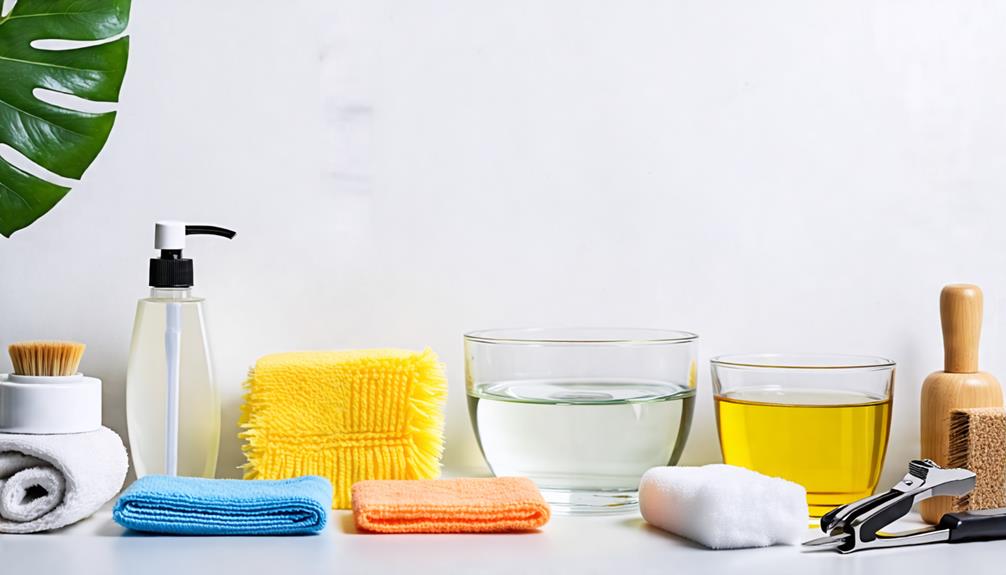
To maintain your specialized toenail clippers in optimal condition, adhere to these essential maintenance and care tips:
- Cleanliness: Always clean your nail clippers with rubbing alcohol and a Q-Tip before and after each use. This practice is crucial to prevent fungal and bacterial infections, particularly important for diabetic foot care.
- Storage: Store your nail clippers in a dry, clean place. Proper storage prevents rust and deterioration, ensuring your clippers remain effective and safe for use on thick nails.
- Inspection: Regularly inspect the clippers for dullness or damage. Sharp blades are fundamental for clean cuts and minimizing injury risks. If you notice any dullness, consider professional sharpening services to extend the lifespan and maintain the performance of your care tools.
- Replacement: Replace the clippers when they show signs of wear or damage. Using compromised tools can increase the risk of complications, especially for diabetics. By replacing old or damaged clippers, you ensure safe and effective nail care.
Keeping your clippers in top shape is key to managing your foot health and preventing issues like fungal infections.