How to Grow Your Own Wheatgrass at Home: A Step-by-Step Guide
Looking to boost your health with a simple home project? Growing your own wheatgrass could be the perfect solution. It's easier than you might think and requires just a few basic materials. We'll guide you through each step, from preparing the seeds to harvesting your first batch, ensuring you understand the numerous health benefits of incorporating fresh wheatgrass into your diet. Ready to transform a small space in your home into a mini wheatgrass farm? Let's get started with the essentials you'll need.
Understanding Wheatgrass
Wheatgrass, the young grass of the wheat plant, is harvested just 7-10 days after sprouting and is packed with vital nutrients. This humble green offers a multitude of health benefits due to its impressive nutritional profile. Wheatgrass contains approximately 70% chlorophyll, known for its detoxifying properties and ability to reduce bodily inflammation.
Incorporating wheatgrass into your diet provides a rich source of essential vitamins such as A, C, and E, along with significant amounts of iron, calcium, and magnesium. These nutrients are fundamental for maintaining overall health and well-being. Additionally, wheatgrass contains all eight essential amino acids, making it a complete protein source that supports muscle growth and repair.
Moreover, wheatgrass is beneficial for weight management. Its high fiber content promotes satiety, helping to curb the urge to snack between meals. Growing wheatgrass at home is simple and rewarding, ensuring a fresh supply is always available to boost your health naturally.
Health Benefits
Wheatgrass boasts a remarkable nutritional profile that offers numerous health benefits to enhance overall well-being. Rich in vitamins A, C, and E, it provides significant antioxidant properties that combat oxidative stress and safeguard cellular health. With a high chlorophyll content of approximately 70%, wheatgrass supports detoxification and may help reduce inflammation.
Incorporating wheatgrass into your diet can also aid muscle recovery due to its rich amino acid profile, making it a valuable addition to your post-workout regimen. Furthermore, wheatgrass is linked to improved cholesterol levels, potentially boosting HDL (good cholesterol) while lowering total cholesterol.
Key health benefits of wheatgrass:
- Antioxidant Properties: Vitamins A, C, and E help fight oxidative stress and protect cells from damage.
- Detoxification: High chlorophyll content aids in cleansing the body of toxins.
- Reduced Inflammation: Chlorophyll and other anti-inflammatory compounds help reduce inflammation.
- Muscle Recovery: Amino acids in wheatgrass support muscle recovery, benefiting active individuals.
Incorporating wheatgrass into your daily routine can contribute to a healthier, more balanced diet.
Growing Wheatgrass
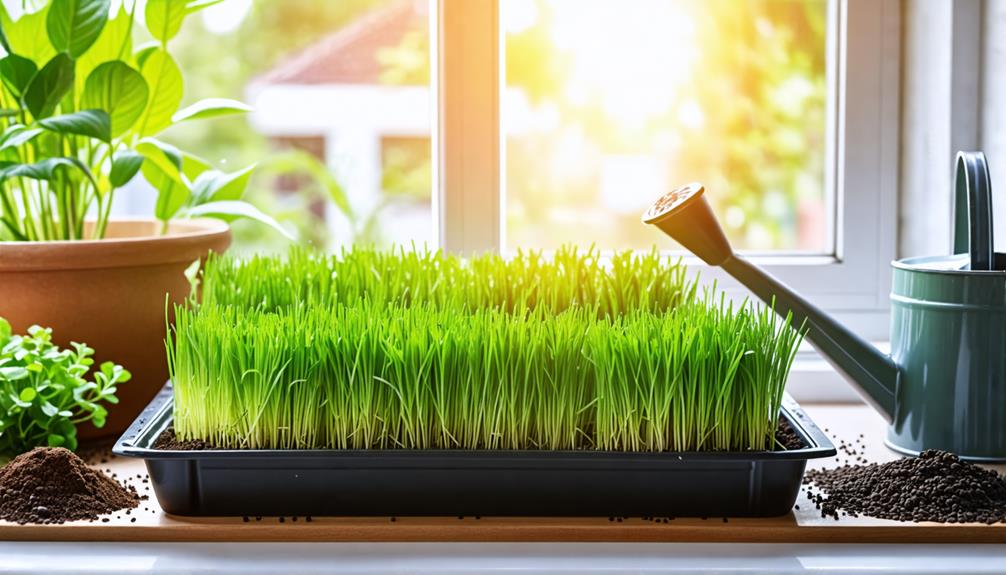
To grow wheatgrass at home, begin by soaking organic wheatgrass seeds in cool water for 8-12 hours to initiate the sprouting process. After soaking, rinse and drain the seeds thoroughly. Evenly spread the seeds over a pre-moistened layer of organic compost or potting mix in a shallow tray to ensure they have the necessary moisture for germination.
Place the tray in a warm, dark environment with a temperature range of 65-75°F. Mist the seeds regularly to maintain moisture. This stage typically lasts 2-3 days, during which the seeds will begin to sprout. Once the sprouts reach about 1 inch in height, relocate the tray to a spot with indirect sunlight. Continue misting to keep the growing grass well-hydrated.
As the wheatgrass grows, it will eventually reach a height of 6-8 inches. At this point, you can harvest it by cutting just above the soil line. With proper care, the remaining roots may yield a second harvest. By following these steps, you can successfully grow and enjoy fresh, organic wheatgrass at home.
Equipment and Materials
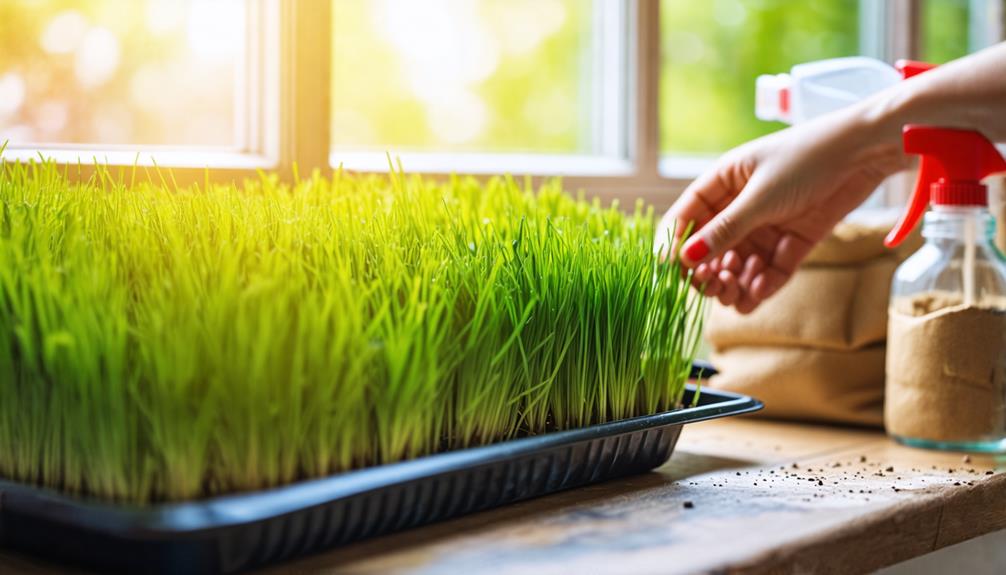
To start growing wheatgrass at home, you'll need a few essential tools and materials. Ensure you have organic wheatgrass seeds, a nursery tray with drainage holes, and organic potting mix or sterile soil. Additionally, a spray bottle for misting and optional items like liquid kelp fertilizer and a cloth for covering seeds will be beneficial.
Essential Growing Tools
Essential Growing Tools for Wheatgrass
Growing wheatgrass at home requires a few essential tools and materials to ensure your wheatgrass is healthy and robust. Each item contributes significantly to the successful growth of your wheatgrass.
- Nursery Tray: Select a container with drainage holes to prevent waterlogging and promote healthy root development. This provides a stable environment for your wheatgrass to thrive.
- Organic Potting Mix: Use a sterile, organic potting mix or soilless mediums like Coconut Coir or Hemp Felt. These options retain moisture well and supply the necessary nutrients for wheatgrass growth.
- Spray Bottle: A spray bottle is essential for maintaining optimal moisture levels. Mist the seeds and soil during germination to keep them adequately hydrated without causing overwatering.
- Quality Wheatgrass Seeds: Opt for organic wheatgrass seeds, also known as hard winter wheat seeds. You'll typically need 1-3 tablespoons for a small tray. These seeds are crucial for successful sprouting and growth.
Additionally, applying a liquid kelp fertilizer every other day can enhance nutrient absorption and promote healthy growth. With these tools, you'll be well-prepared to start your wheatgrass-growing journey at home.
Necessary Materials List
Gathering the right equipment and materials is fundamental to successfully growing wheatgrass at home. To begin, you'll need organic wheatgrass seeds—about 1-3 tablespoons for a small tray. These can be easily found at health food stores or online. Choose a nursery tray with drainage holes to ensure proper water flow and prevent root rot. This tray will serve as your container where your wheatgrass will flourish.
Maintaining moisture during germination is essential, so keep a spray bottle handy to mist the soil and seeds regularly. The seeds should be kept damp but not waterlogged to promote healthy sprouting. To help retain moisture, cover the seeds with clean white cloths or paper towels until they begin to sprout.
For those looking to give their wheatgrass an extra nutrient boost, consider using liquid kelp fertilizer. Dilute it properly and apply every other day during the growth phase. This will help your wheatgrass grow lush and vibrant.
Once your wheatgrass has grown to six inches, it's time to harvest. With these materials, you're well-equipped to start your wheatgrass-growing adventure at home.
Harvesting and Storage
Once your wheatgrass reaches a height of 6-8 inches, use sharp scissors to cut it just above the soil line. After harvesting, rinse the wheatgrass in cool water to remove any soil or debris, ensuring it remains fresh for juicing or other uses.
To store your freshly harvested wheatgrass, place it in a sealed container or plastic bag and keep it in the refrigerator. It will stay fresh for up to a week. For longer storage, consider freezing wheatgrass juice in ice cube trays, making it easy to access nutrient-rich servings as needed.
Monitor your stored wheatgrass for any signs of spoilage, such as mold or unpleasant odors, and discard it if necessary to ensure health and safety.
Here's a quick visual guide for harvesting and storage:
- Harvest: Cut wheatgrass at 6-8 inches above the soil line.
- Rinse: Clean thoroughly in cool water to remove soil and debris.
- Store: Keep in a sealed container in the refrigerator for up to a week.
- Freezing: Freeze juice in ice cube trays for long-term storage.
Juicing and Consumption
After harvesting and storing your wheatgrass, it's time to juice it for maximum nutritional benefits. To extract the juice, use a dedicated wheatgrass juicer or a blender with a strainer. Regular juicers are prone to clogging due to the fibrous nature of wheatgrass, making them less ideal for this task. Once you have your wheatgrass juice, consume it immediately to benefit from its high levels of vitamins A, C, and E, as well as chlorophyll.
Start with small amounts, typically around 1-2 ounces per day, to gauge your body's tolerance. This potent elixir can be quite strong, so easing into it helps you enjoy its benefits without adverse effects. Wheatgrass juice is versatile and can be added to smoothies or other juices for an extra nutritional boost, allowing you to seamlessly incorporate it into your daily diet.
If juicing fresh wheatgrass is too cumbersome, wheatgrass powder is a convenient alternative. You can mix it into various recipes or beverages, ensuring you still receive its health benefits without the need for daily juicing.