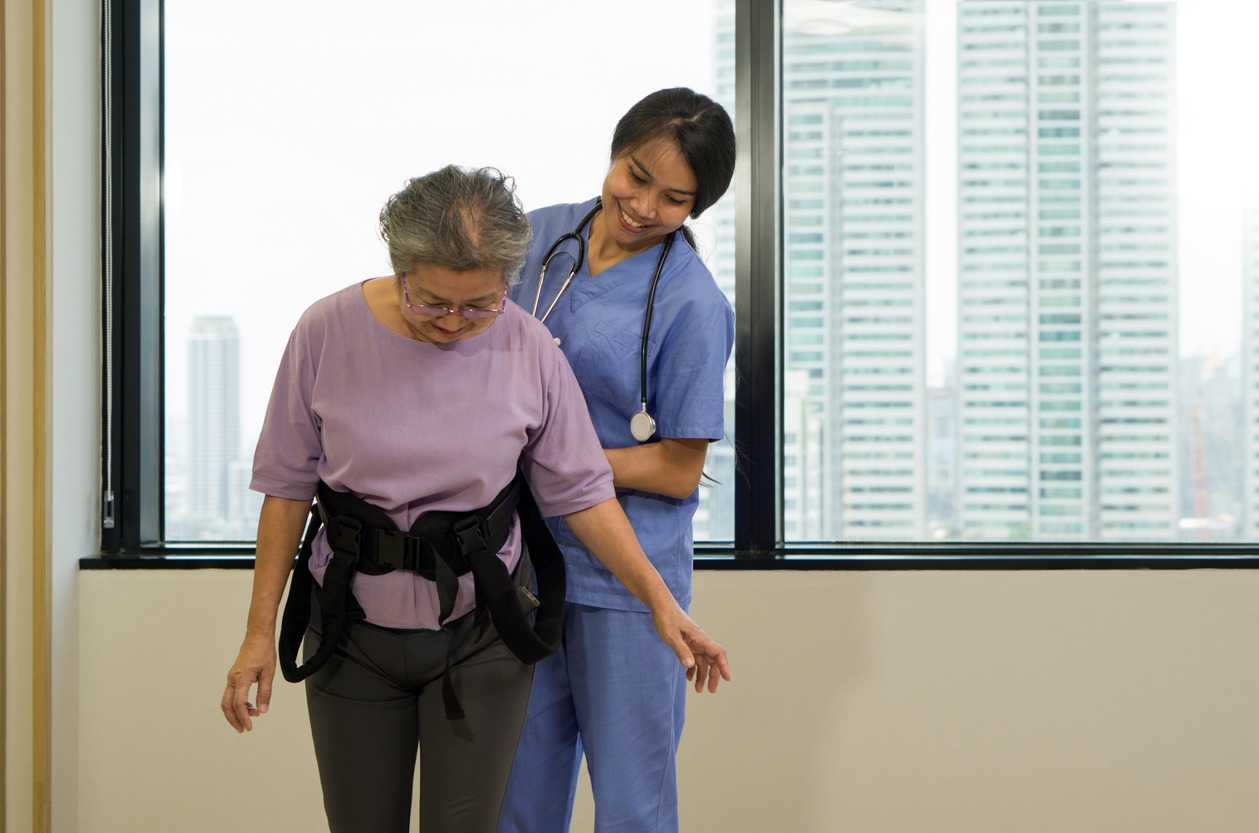
How to Handle Caregiver Burnout and Find Support

To handle caregiver burnout, prioritize self-care by taking regular breaks, exercising, and eating a balanced diet. Seek support from friends, family, or local caregiver support groups to reduce feelings of isolation. Utilize resources like respite care services to get temporary relief and maintain your well-being. Early recognition of burnout symptoms like emotional exhaustion and chronic fatigue is vital. Consult healthcare providers for professional guidance and coping strategies. Join online support communities for emotional connection and practical advice. Building a robust support network and accessing diverse resources will help manage caregiving responsibilities more efficiently while preventing burnout. Investigate further for more insights.
Understanding Caregiver Burnout
Understanding caregiver burnout is vital for anyone involved in caregiving. Caregiver burnout is characterized by emotional, physical, and mental exhaustion due to the prolonged stress of caregiving responsibilities. Over 60% of caregivers experience this state, which can severely impact your mental health. You might notice signs of caregiver burnout such as persistent fatigue, emotional exhaustion, and a decline in your general well-being.
A significant contributor to burnout is the lack of support, which can leave you feeling isolated and overwhelmed. The stress of caregiving is intensified when you're facing unclear expectations and unrealistic demands on your time and resources. Financial resources also play a key role; insufficient funds can add another layer of stress, exacerbating your emotional strain.
Understanding the stages of caregiver burnout—from initial enthusiasm to eventual hopelessness and withdrawal—can help you identify when you're at risk. Local resources like support groups and counseling services can be invaluable. Reaching out to these resources can help you feel more connected and supported. Addressing the lack of support and seeking financial and emotional aid are vital steps in managing the stress of caregiving effectively.
Symptoms of Caregiver Burnout
Experiencing caregiver burnout often feels like an invisible weight dragging you down. One minute, you're managing your responsibilities, and the next, you're overwhelmed by emotional exhaustion. If you're noticing a notable decrease in your energy levels, you're not alone—over 60% of caregivers report similar symptoms of caregiver burnout. Chronic fatigue and difficulty sleeping become daily battles, often leading to increased anxiety and irritability.
These symptoms can escalate to more serious issues, like feelings of helplessness and a lack of satisfaction from caregiving. You might find yourself withdrawing from social interactions, further isolating yourself. Neglecting personal needs becomes common, and frequent illnesses like colds or flu might be your body's way of signaling distress.
Mental health risks are high; studies show that at least 50% of caregivers experience symptoms of depression. Recognizing these signs early is vital. Acknowledging feelings of overwhelm can motivate you to take proactive measures. Seeking support, regardless of friends, family, or professional resources, can greatly improve your well-being. Remember, taking care of yourself isn't selfish—it's fundamental for sustaining your ability to care for others.
Causes of Caregiver Burnout

Caregiver burnout often stems from neglecting your own health and well-being, leading to emotional exhaustion and chronic stress. When you're caught up in the demands of caregiving, it's easy to put your physical and mental health on the back burner. This neglect can accumulate, resulting in significant burnout. Role confusion and unrealistic expectations also play major roles. You may find yourself uncertain about your responsibilities or feel pressured to meet unattainable standards, adding to your stress and frustration.
A lack of support systems is another critical factor. Without family or community resources, you might feel isolated and overwhelmed. The absence of caregiver support leaves you bearing the brunt of caregiving duties alone, increasing your risk of burnout. The demands of caregiving often include managing complex medical tasks and providing emotional support, which can be both physically and mentally draining. Feeling ill-equipped to handle these responsibilities further exacerbates the situation.
Ultimately, the combination of these factors—emotional exhaustion, role confusion, unrealistic expectations, lack of care, and a deficient support system—creates a perfect storm for caregiver burnout. Recognizing these causes can help you take proactive steps to seek the caregiver support you need.
Diagnosing Burnout
Identifying burnout early is vital for maintaining your well-being as a caregiver. Caregiver burnout often manifests through symptoms like emotional exhaustion, withdrawal from social interactions, irritability, and changes in appetite. These signs shouldn't be ignored, as they can indicate deeper issues like depression and anxiety, which require a professional assessment.
To diagnose burnout, start by regularly monitoring your emotional and physical health. Keep a journal or use an app to track your feelings and stress levels. If you notice persistent negative changes, it's time to seek help. Self-assessment questionnaires can also be useful in evaluating the severity of your symptoms.
Consulting a healthcare provider is fundamental for a professional assessment. They can offer a more definitive diagnosis and recommend treatment options tailored to your needs. Early intervention can greatly enhance your chances of recovery, improving your well-being and that of your care recipient.
Additionally, consider joining support groups where you can share experiences and gain insights from others facing similar challenges. Reaching out for help doesn't just aid in diagnosis; it also opens up pathways for better emotional health and long-term recovery from caregiver burnout.
Professional Support Options

Recognizing burnout early is just the primary step; knowing where to turn for professional support can make a significant difference in your caregiving adventure. Initially, consult healthcare providers who can assess your situation and develop personalized coping strategies. They can guide you toward therapy or counseling services, where you can express your feelings in a safe space and learn effective stress management techniques.
Respite care services are another invaluable option. Available through local agencies or hospitals, these services allow you to take temporary breaks while ensuring your loved one receives proper care. By taking advantage of respite care, you can recharge and return to your duties with renewed energy.
Connecting with support groups, both in-person and online, can also be incredibly beneficial. These groups offer a community of caregivers facing similar challenges, providing shared coping strategies and emotional support.
Don't overlook educational resources from organizations like the Family Caregiver Alliance. These resources can equip you with valuable information and tools to improve your caregiving experience. By understanding and utilizing professional support options, you can alleviate burnout and sustain your mission as a caregiver.
Prevention Strategies
Preventing caregiver burnout involves prioritizing self-care, which means scheduling regular breaks and engaging in activities that bring you joy. Studies show that caregivers who take time for themselves are more effective in their roles. Establishing a strong support network is vital. This can include friends, family, and support groups. Research indicates that caregivers who seek help are less likely to experience chronic stress.
Setting realistic expectations and acknowledging your personal limitations can prevent feelings of overwhelm. Practicing self-compassion makes you more resilient. Utilize community resources like respite care services and local support groups to give you important relief and assistance. Statistics show that caregivers who utilize these resources report higher satisfaction and lower stress levels.
Regularly monitor your emotional and physical health. Use self-assessment tools to identify early signs of burnout. This allows you to seek timely support and interventions. Developing effective coping mechanisms is key to maintaining your well-being. By focusing on self-care, building a solid support network, and using community resources, you can greatly reduce the risk of caregiver burnout. Remember, taking care of yourself is fundamental to providing the best care for others.
Self-Care for Caregivers
Self-care for caregivers isn't just a luxury; it's a necessity. Prioritizing your own health and well-being can prevent burnout and emotional exhaustion. Over 60% of caregivers experience these symptoms, emphasizing the need for effective self-care routines. Regular exercise and a balanced diet can greatly improve your mood and energy levels, making it easier to manage the demands of caregiving.
Mindfulness practices, such as meditation and deep-breathing exercises, can considerably reduce anxiety and promote emotional well-being. Incorporating these into your daily routine will help you better cope with stress. Moreover, carving out leisure time for activities you enjoy is imperative. Whether it's a hobby or a simple walk, engaging in pleasurable activities outside caregiving can prevent feelings of isolation and hopelessness.
Don't neglect your health appointments. Establishing a routine for regular check-ups and self-care activities is critical. Caregivers who maintain their own well-being report higher satisfaction in their roles. Remember, taking time for respite care is also fundamental. It allows you to recharge, ensuring you're at your best when providing support to others. By prioritizing self-care, you'll find a more sustainable balance in your caregiving experience.
Building Support Networks
While self-care is vital for maintaining your well-being, building a robust support network can further alleviate the burdens of caregiving. Joining local caregiver support groups offers face-to-face interaction, creating a sense of community and reducing feelings of isolation that many caregivers experience. These groups provide a platform where you can share experiences and receive advice from those who truly understand the challenges you're facing, fostering a shared understanding and camaraderie.
Online support groups expand this network globally, allowing you to connect with caregivers regardless of geographic limitations. Engaging in these conversations helps normalize feelings of stress and burnout, making it clear that you're not alone in your caregiving responsibilities.
Leveraging community resources, like senior centers or health plans, can connect you with local services that offer supplementary support and relief. These resources can be invaluable in managing the demands of caregiving.
Open communication with friends and family is also imperative. Letting them know your specific needs can encourage them to offer the right kind of assistance, making it easier to manage your responsibilities and reduce overwhelm. By building these support networks, you can greatly mitigate the risks of burnout and improve your general well-being.
Utilizing Resources

Navigating through the complexities of caregiving can feel overwhelming, but tapping into available resources can make a considerable difference. Local support is vital; senior centers often provide meal delivery and transportation assistance, easing some of your caregiving tasks. Community websites are invaluable, listing diverse caregiver services tailored to specific needs, making it easier for you to find the right help.
Respite care is another fundamental resource. Hospice providers frequently offer this service, allowing you to take short breaks while ensuring your loved ones receive proper care. This can considerably enhance your health and well-being by providing much-needed downtime.
Joining caregiver support groups, either in-person or online, offers an emotional connection and practical advice from others who face similar challenges. These groups can be a lifeline, helping you feel less isolated and more empowered.
The Family Caregiver Alliance is a fantastic resource for educational materials and tools aimed at improving your quality of life and caregiving effectiveness. Accessing their resources and information can offer new strategies and techniques for managing your caregiving responsibilities.
Utilizing these resources can help you manage your caregiving tasks more efficiently, ensuring both you and your loved ones are well-supported.