How to Handle Mobility Decline in Elderly Parents

To handle mobility decline in your elderly parents, start by evaluating their physical abilities with standardized tests like the Timed Up and Go. Modify the home with grab bars, non-slip mats, and improved lighting. Encourage daily physical activities such as walking and strength training to increase their mobility. Utilize mobility aids like canes and walkers, ensuring they fit properly. Don't hesitate to seek help from professional caregivers for daily tasks and tailored exercise routines. Engage them in social activities to combat loneliness, and monitor their mental health for any signs of depression. Investigate assistive technologies to improve their safety and independence.
Understanding Mobility Decline
Mobility decline in elderly parents is a common issue that stems from the natural aging process, which often leads to muscle weakness, arthritis, and diminished balance. These changes increase the risk of falls, a major concern since approximately 1 in 4 older adults experience falls annually. It's essential to understand the factors contributing to mobility issues to address them effectively.
Chronic medical conditions like diabetes and neurological disorders can worsen mobility problems. Regular check-ups with a healthcare provider are necessary to monitor and manage these conditions, ensuring your loved one's physical health remains as stable as possible. Furthermore, the fear of falling can lead to inactivity, which further deteriorates their physical health. Encouraging safe physical activity can help maintain strength and balance, reducing this fear.
Home safety modifications are another critical aspect of managing mobility decline. Installing grab bars in bathrooms, removing tripping hazards, and ensuring adequate lighting can greatly reduce the risk of falls. By making these adjustments, you can improve your elderly parent's independence and general quality of life. Understanding these elements will help you better support your loved ones through their mobility challenges.
Assess Physical Abilities
Evaluating your parent's physical abilities is fundamental to understanding their mobility needs. Start by conducting an extensive evaluation, focusing on strength, balance, and range of motion. These factors play an important role in identifying mobility problems and determining the risk of falling. Utilize standardized assessments like the Timed Up and Go test to measure their mobility accurately and pinpoint specific areas of decline.
Observe your parent during daily activities. Watch for challenges like difficulty standing up from a seated position or maneuvering stairs. These can indicate underlying mobility issues that require attention. Consulting healthcare providers is also significant. They can offer professional evaluations, including gait analysis, vision and hearing checks, and assessments for chronic conditions impacting mobility.
Don't forget to regularly reassess physical abilities. Changes can happen quickly, and timely adjustments in care or the introduction of mobility aids can make a considerable difference. Addressing these aspects promptly guarantees that your parent receives the necessary support to maintain their independence and safety. By actively monitoring and addressing their mobility needs, you're taking important steps to improve their general quality of life.
Modify the Home
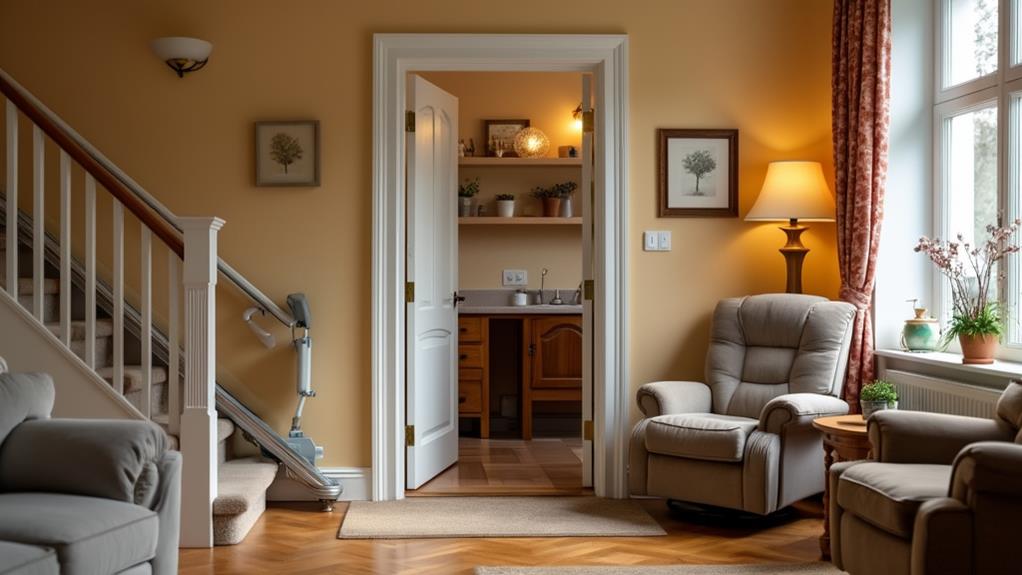
When supporting an elderly parent with declining mobility, making home modifications is vital for their safety and independence. Start by installing grab bars in the bathroom and near toilets. These bars provide important support for standing and sitting, reducing the risk of falls. Furthermore, eliminate tripping hazards by removing clutter and verifying clear pathways in high-traffic areas like hallways and kitchens. This simple step can prevent dangerous accidents.
Next, place non-slip mats in bathrooms and kitchens. These mats minimize slipping, and securing area rugs can further reduce fall risks. Adequate lighting is another significant factor. Install task lighting and nightlights, especially in stairways and dark areas, to improve visibility and prevent accidents.
Modify the bathroom to improve comfort and independence. Use raised toilet seats and shower/tub seats to provide extra support during daily activities.
Consider these changes to create a safer, more comfortable home for your loved one:
- Install grab bars in important areas.
- Remove clutter to verify clear pathways.
- Place non-slip mats and secure area rugs.
- Improve lighting with task lights and nightlights.
- Use raised toilet seats and shower/tub seats for extra support.
Encourage Physical Activity
How can you help your elderly parent maintain their mobility and independence? One effective way is to encourage physical activity. Just 10-15 minutes of daily walking can considerably improve their physical function and mobility. Walking helps to counteract the effects of aging on muscle strength and balance, which are vital for senior care.
Incorporate strength training exercises into their routine. Simple exercises, like sit-to-stand movements, can improve muscle mass and stability. These exercises are important as they reduce the risk of falls and promote independence. Activities such as tai chi are excellent for improving balance and coordination among older adults, further helping to prevent falls and boost general mobility.
Check out local community centers, which often offer fall prevention and exercise programs tailored for seniors. These programs not only provide physical benefits but also offer social opportunities that can combat isolation. Regular participation in physical activities is vital because inactivity can lead to a decline in mobility.
Use Mobility Aids
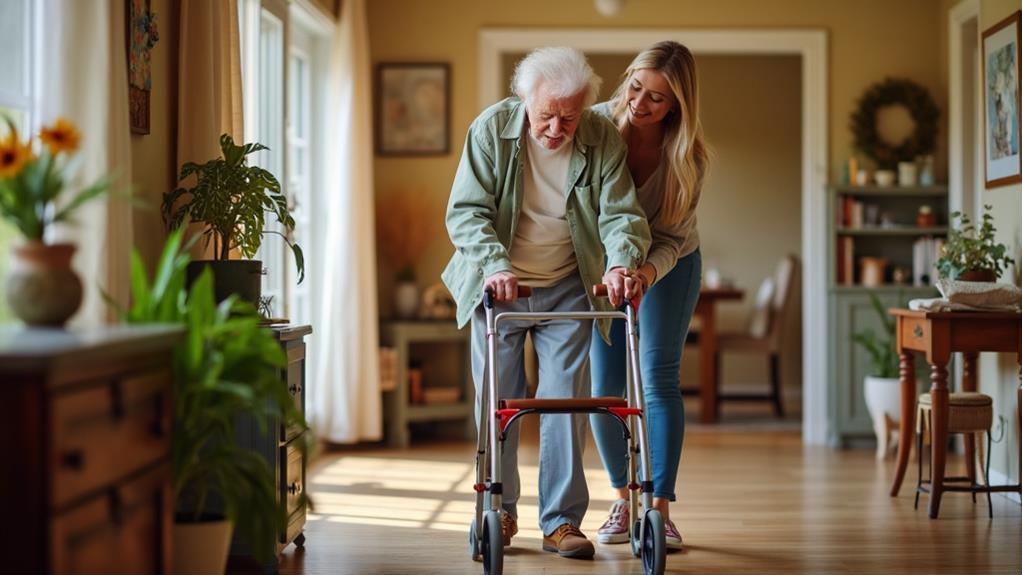
Mobility aids are invaluable in improving safety and independence for elderly individuals experiencing mobility decline. Regardless of whether it's canes, walkers, or wheelchairs, these aids can make a significant difference in your senior loved one's daily life. Canes and walkers help prevent falls by providing balance and reducing joint pressure. For those needing more support, walkers offer supplementary stability.
Using mobility aids can:
- Increase safety and independence
- Help prevent injuries and falls
- Improve confidence and mobility
- Reduce the strain on caregivers
- Improve quality of life
Ensuring that mobility aids are properly fitted is essential. An ill-fitted cane or walker can lead to discomfort or even injuries. It's significant to consult with a healthcare professional to get the right fit for your senior loved one. Regular assessments are also key to maintaining the effectiveness of these aids. Over time, your loved one's needs may change, and their mobility aids should adapt accordingly.
Seek Professional Help
Bringing in professional help can make a world of difference in managing your elderly parent's mobility decline. Professional caregivers can assist your senior with daily activities, such as grooming, cooking, and medication reminders, enhancing their quality of life. By hiring in-home caregivers, you guarantee your aging parents receive personalized attention while maintaining their independence in a familiar environment.
Engaging professional care greatly reduces the risk of falls and improves overall mobility. Caregivers provide tailored exercise routines and conduct safety assessments to create a secure living space. They also monitor and manage chronic conditions affecting mobility, assuring timely communication with healthcare providers for necessary evaluations and interventions. This proactive approach is vital for maintaining your parent's health and mobility.
Utilizing professional at-home care services offers peace of mind. You'll know your elderly parents are safe and supported while aging in place. Furthermore, the presence of professional caregivers can positively impact your parent's mental health by providing companionship and reducing feelings of loneliness. Seeking help from professionals guarantees a holistic approach to managing mobility decline, addressing both physical and emotional needs.
Enhance Social Interaction
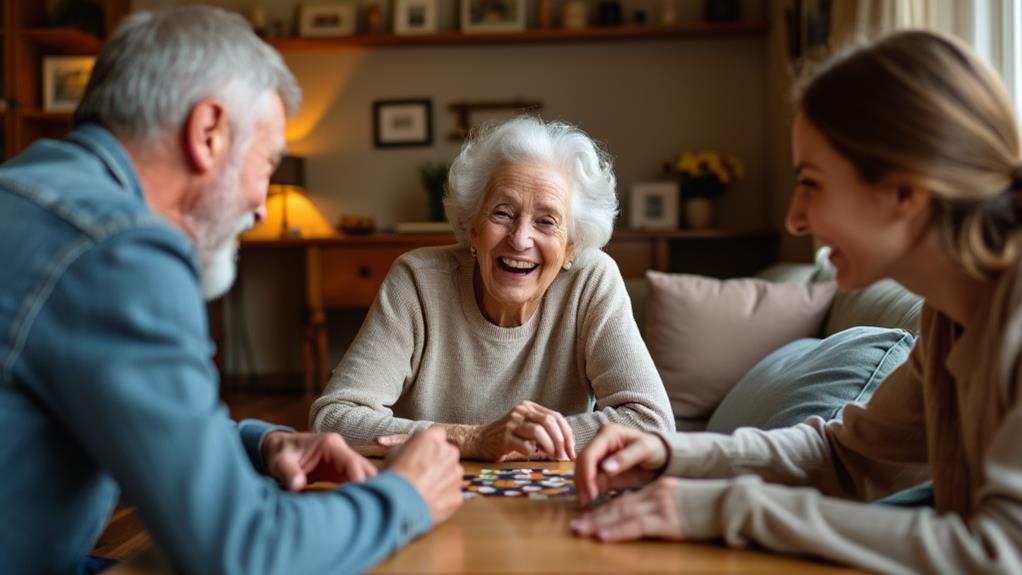
Engaging your elderly parents in social activities can greatly improve their total well-being and mobility. Social interaction is essential for seniors, helping to combat loneliness, which affects about 1 in 3 older adults. By encouraging them to participate in social activities, you can enhance their cognitive function and reduce the risk of depression.
A few ways to improve social interaction for your elderly parents include:
- Community Centers: These offer tailored programs for seniors, including dance, yoga, or tai chi, promoting both socialization and physical activity.
- Social Groups: Joining clubs or groups with similar interests can provide a sense of belonging and purpose, making them more likely to stay active.
- Technology: Use video calling and social media to keep them connected with family and friends, reducing feelings of isolation.
- Volunteering: Encourage them to volunteer, which not only helps others but also keeps them engaged and physically active.
- Local Events: Attend local events together, such as fairs or concerts, to elevate their mood and mobility.
Monitor Mental Health
Caring for an elderly parent means keeping a close eye on their mental health, as the decline in mobility often accompanies emotional challenges. Studies show that 1 in 5 seniors experience significant depressive symptoms, making it vital to monitor your loved one closely. Regular check-ins and open conversations about their feelings can help spot mental health issues early. Seniors might hesitate to share their struggles, so your proactive approach is key.
Engage your parent in social activities, even virtually, to combat loneliness and promote emotional well-being. Socialization has been linked to improved mental health outcomes, so consider activities at senior centers or virtual gatherings. Monitoring for signs of cognitive decline, such as confusion or forgetfulness, is also important, as conditions like dementia can further impact mobility and overall mental health.
Encouraging participation in mental health support groups or counseling services can provide valuable resources and coping strategies. These services offer a supportive environment where your loved one can share their experiences and gain insights. Caregivers can provide supplementary support by staying informed and involved, ensuring your parent's mental health is prioritized alongside their mobility needs.
Utilize Assistive Technology
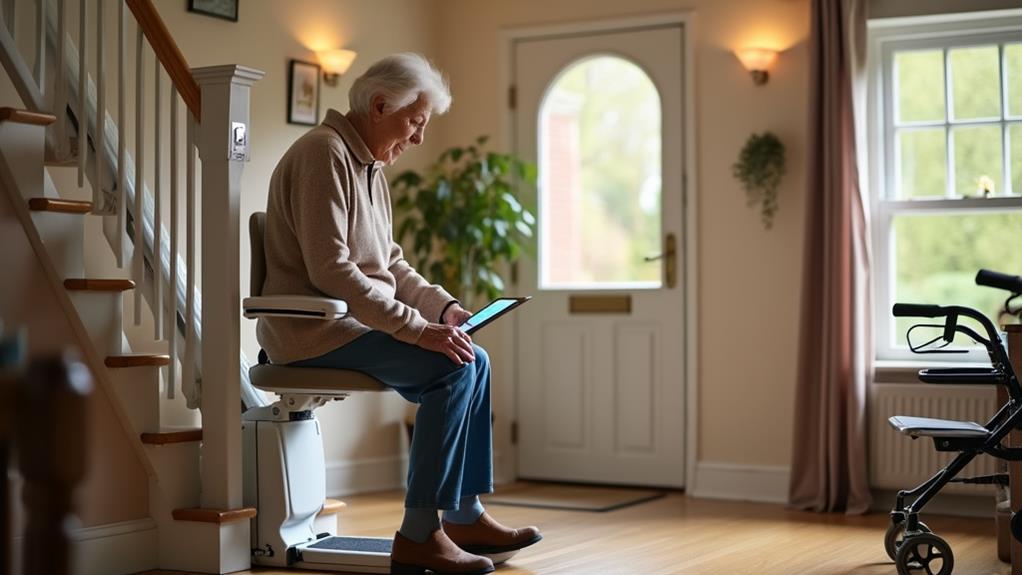
Utilizing assistive technology can greatly augment the safety and independence of elderly parents facing mobility challenges. Leveraging these tools not only improves their day-to-day living but also provides peace of mind for their loved ones.
Medical alert systems are invaluable, allowing seniors to call for help immediately after a fall. This quick response can be vital in preventing further injury and ensuring they receive timely medical attention. Smart technology applications on smartphones, equipped with fall detection and GPS tracking, further support this safety net, making it easier to locate your parent during emergencies.
Voice-activated home assistants can simplify life at home by letting seniors control lighting, temperature, and appliances verbally, reducing the physical strain associated with these tasks. Devices like mobility scooters and powered wheelchairs empower them to navigate their surroundings more freely, reinforcing their independence.
Consider these emotional benefits:
- Peace of mind knowing your loved ones can get help quickly.
- Improved autonomy for your parents, fostering a sense of independence.
- Enhanced safety within the home environment.
- Emotional well-being through regular check-ins and familiarity with technology.
- Reduced strain on family members who worry about their parents' mobility.
Introducing and familiarizing your elderly parents with assistive technology can lead to significant improvements in their quality of life.