How to Keep Elderly Loved Ones Engaged With Hobbies
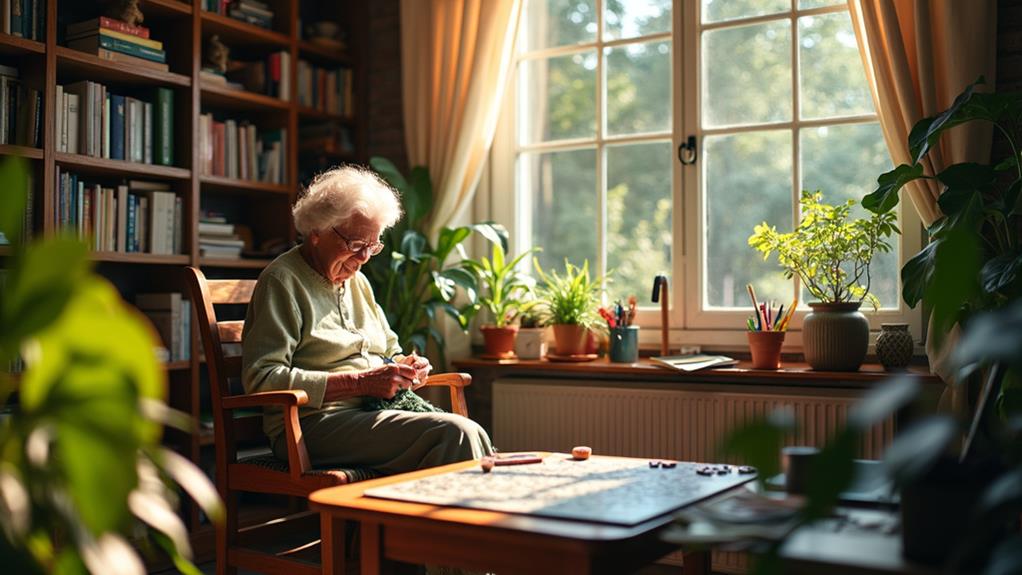
To keep your elderly loved ones engaged, start by investigating their past hobbies and passions. Encourage them to try creative activities like arts and crafts, which can elevate emotional well-being. Physical activities, such as yoga or nature walks, improve mobility and cognitive function. Social engagements, including volunteering and joining clubs, foster a sense of purpose and community connection. Brain games and puzzles are great for mental stimulation. Utilize technology for virtual social interactions and new learning opportunities. Outdoor hobbies, like gardening, offer both physical and mental health benefits. Delve deeper to uncover extensive strategies for maintaining engagement.
Identifying Interests and Passions
Identifying interests and passions in elderly loved ones starts with engaging them in meaningful conversations about their past hobbies and passions. By encouraging them to reminisce about enjoyable experiences, you can reveal activities that may reignite their enthusiasm. Ask them about the hobbies and activities they used to love. This not only stimulates fond memories but also inspires them to investigate similar interests in the present.
It's vital to actively listen and show genuine curiosity. Ask open-ended questions about what they enjoyed most and if there are any activities they've always wanted to try but never had the chance. This can lead to uncovering untapped potential and foster a sense of adventure. Remember, it's never too late for them to start something new.
Investigating new hobbies based on their current interests can provide opportunities for personal growth and combat feelings of boredom or isolation. Encourage them to engage in activities that pique their curiosity. Regardless of it being picking up a long-forgotten passion or trying something entirely new, empowering your elderly loved ones to pursue their interests with renewed vigor can make a significant difference in their overall well-being.
Exploring Creative Activities
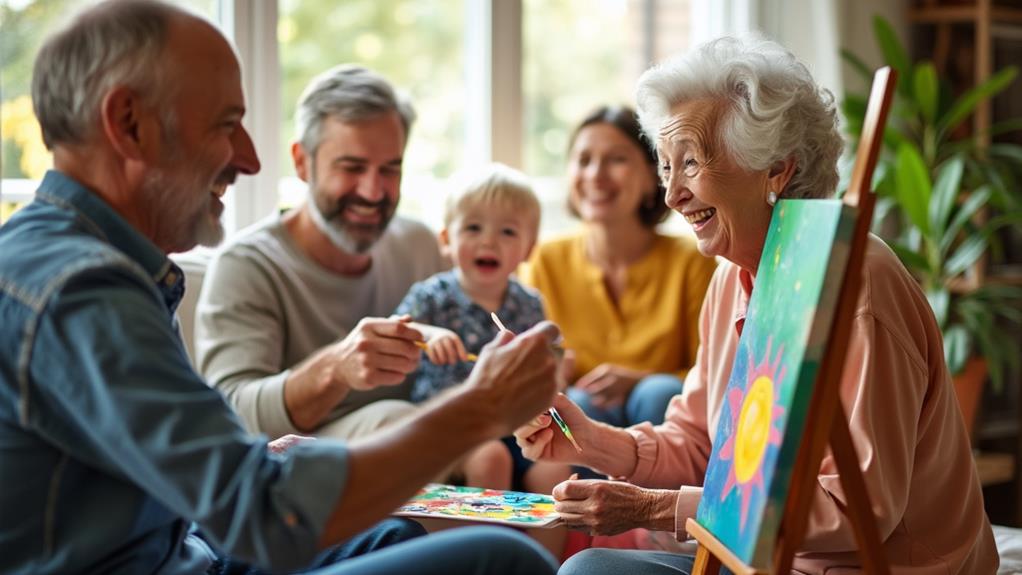
After uncovering the interests and passions of your elderly loved ones, it's time to investigate creative activities that align with their newfound or rekindled enthusiasms. Engaging in arts and crafts like painting, knitting, and scrapbooking can greatly improve their emotional well-being. These activities provide a sense of accomplishment and a creative outlet, which are essential for self-esteem.
Participating in creative activities has been shown to reduce stress and anxiety, making it an effective therapeutic approach for seniors dealing with chronic illnesses. Group activities, where seniors share their creations, foster socialization and teamwork, combating feelings of isolation and loneliness.
Music engagement, regardless of whether through listening or playing instruments, can improve mood and cognitive function. The universal comfort that music provides can be particularly soothing for seniors. Moreover, working on projects like recipe books or photo albums can stimulate cognitive function and encourage reminiscence, thereby strengthening family bonds.
Incorporating these creative activities into your elderly loved ones' routines can lead to improved emotional well-being and a more enriched life. By providing opportunities for socialization and creative expression, you're helping them live with joy and fulfillment.
Physical Activities for Seniors
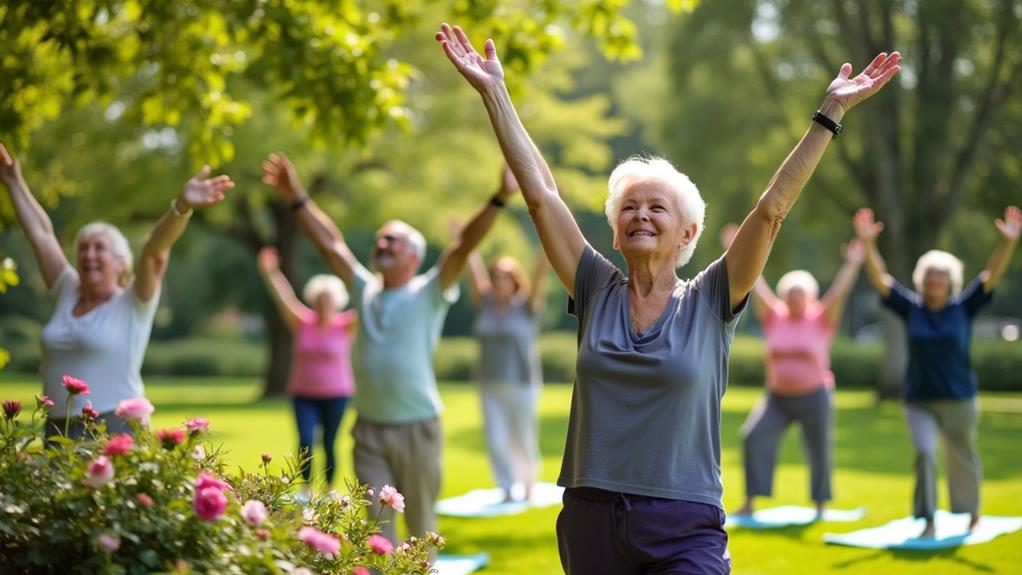
Engaging in physical activities is crucial for maintaining the health and well-being of your elderly loved ones. Seniors who stay active benefit from improved mobility, balance, and overall physical fitness. Encourage them to engage in activities like walking, gardening, or low-impact exercise classes. These physical activities can improve their ability to move freely and safely.
Outdoor activities, such as hiking or birdwatching, offer a dual benefit. Not only do they provide much-needed exercise and fresh air, but they also connect seniors with nature. This connection is linked to reduced stress and improved mood, which positively impacts both mental and physical health.
Structured exercise programs, including yoga and chair aerobics, can be tailored to different physical abilities. These programs promote social interaction and a sense of community among participants, which further boosts emotional well-being. Regular physical activity has been shown to improve cognitive function, reducing feelings of isolation and depression.
Incorporating simple activities like stretching or dancing into their daily routines can make exercise enjoyable. By fostering engagement and enjoyment, these activities help make staying active a fun and necessary part of your loved ones' lives.
Social Engagement Opportunities
While physical activities play a crucial role in maintaining the health of elderly loved ones, social engagement is likewise essential for their overall well-being. One way to offer social engagement opportunities is through volunteering. Encourage your loved ones to volunteer at local hospitals, NGOs, or religious groups. This not only provides them with a sense of purpose but also fosters community connections, improving their general well-being.
Another excellent option is joining clubs or groups such as book or gardening clubs. These environments encourage socialization and shared interests, which can considerably reduce feelings of isolation. Participating in community events is another fantastic way to strengthen social ties. These events promote emotional well-being by combating loneliness and improving a sense of belonging.
Don't overlook the power of technology. Video calls and social media can help maintain relationships with family and friends, expanding their social networks. Finally, consider organized activities like exercise classes or craft workshops. These activities provide opportunities for seniors to meet new people and cultivate friendships, enriching their social lives. By integrating these diverse social engagement opportunities, you can greatly improve the emotional well-being of your elderly loved ones.
Cognitive Stimulation Techniques
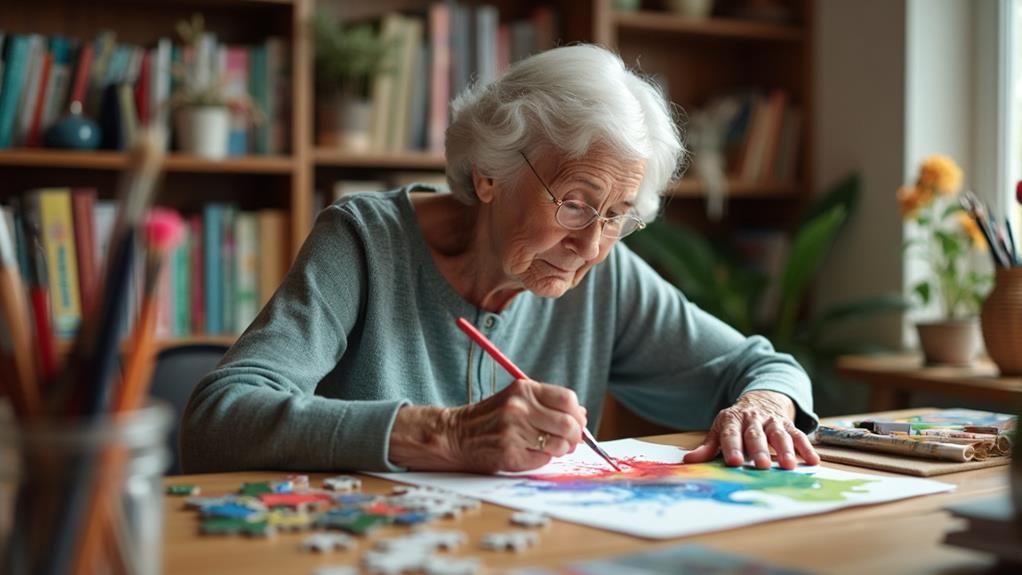
Improving cognitive health in elderly loved ones is vital for maintaining their mental acuity and general well-being. You can start by encouraging them to engage in cognitive activities like puzzles, crosswords, and Sudoku. These activities not only improve memory but also boost problem-solving skills, which are fundamental for holistic mental sharpness.
Regular reading and writing serve dual purposes: they stimulate cognitive function and promote emotional expression. This can greatly reduce feelings of isolation and anxiety. Moreover, learning new skills such as a foreign language or playing a musical instrument can challenge their brains and encourage neural plasticity, helping maintain cognitive health as they grow older.
Brain games are another effective tool. Studies show that seniors who regularly participate in these activities experience slower rates of memory loss and reduced risk of cognitive decline. Engaging in these games can be both enjoyable and advantageous.
Don't overlook the power of intergenerational activities. Storytelling or shared reading sessions between seniors and younger family members foster cognitive engagement and strengthen family bonds. These activities provide mental stimulation and emotional connection, making them a valuable supplement to any cognitive health plan for your elderly loved ones.
Utilizing Technology for Connection
Technology offers a powerful means for keeping elderly loved ones connected and engaged. With virtual family gatherings through video calls, seniors can maintain crucial connections with family and friends. These interactions are fundamental for their emotional well-being, guaranteeing they don't feel isolated.
Online platforms provide a variety of engaging activities. Virtual book clubs or craft classes allow seniors to investigate new interests without leaving home. Social media is also a great tool to stay updated on family events and engage with loved ones, fostering a sense of belonging and community.
User-friendly apps designed for cognitive games and puzzles can keep seniors mentally stimulated and entertained. These activities are not only fun but also advantageous for maintaining cognitive health.
Additionally, telehealth services enable elderly individuals to access professional support and resources. This technology guarantees they stay connected to healthcare providers and community services, offering peace of mind and practical assistance.
Volunteering and Community Involvement
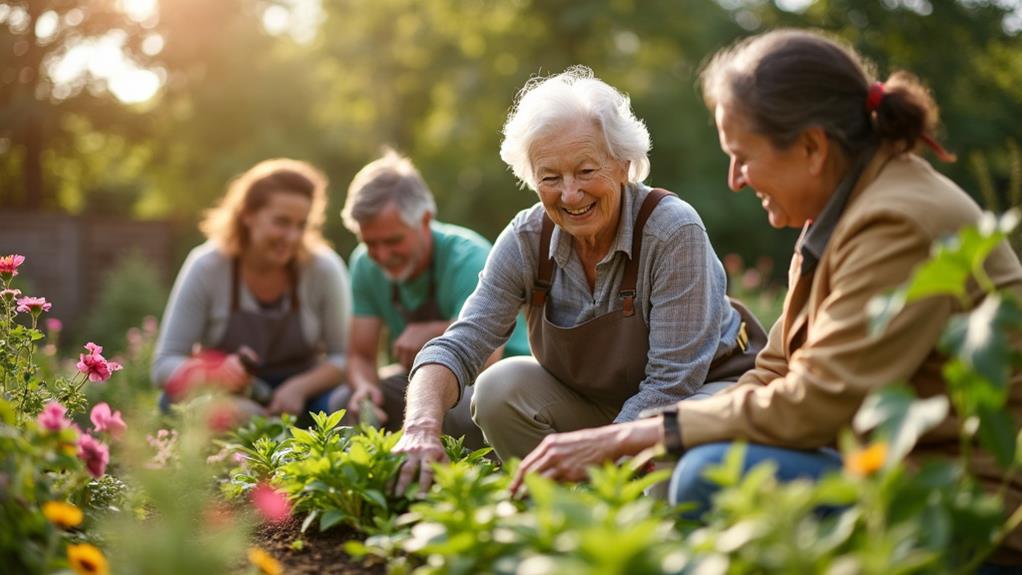
Volunteering offers elderly loved ones a meaningful way to stay engaged and connected with their community. It provides a sense of purpose and fulfillment, markedly enhancing their emotional well-being. Seniors involved in community service, such as hospice work, can offer significant support to terminally ill patients and their families, reducing feelings of isolation.
Programs like SCORE (Service Corps of Retired Executives) and RSVP (Retired and Senior Volunteer Program) are excellent avenues for seniors to share their expertise and skills. These programs help seniors maintain mental health and improve their self-worth by contributing meaningfully to society.
Local hospitals, NGOs, and religious organizations often seek seniors for volunteer roles, offering flexible schedules to accommodate varying levels of mobility and health. These opportunities provide important social interaction, fostering connections that are fundamental for seniors' emotional well-being.
Family involvement is key in encouraging seniors to start volunteering. Sharing experiences in community service can ease initial resistance and offer bonding opportunities. By engaging in these activities, seniors not only enrich their lives but also strengthen family ties and contribute positively to the community.
Outdoor Hobbies and Benefits
While engaging in community service provides numerous benefits, it's likewise vital to reflect on the value of outdoor hobbies for elderly loved ones. Outdoor activities, like walking, hiking, and birdwatching, can greatly improve both mental health and physical well-being. By promoting an active lifestyle, these hobbies help reduce stress levels and keep seniors active.
Gardening is another excellent outdoor hobby that can enhance physical health. It encourages moderate exercise, helping to maintain mobility and flexibility. Plus, the simple act of tending to plants allows seniors to connect with nature, fostering a sense of peace and relaxation.
Spending time outdoors has been linked to improved mood and cognitive function. Studies show that exposure to nature can lower feelings of anxiety and depression among seniors. Regular outdoor activities also boost social interaction, providing opportunities to connect with peers, family, and friends in a relaxed setting.
Participating in outdoor hobbies can foster a sense of purpose and accomplishment. When seniors engage in meaningful pursuits, they not only connect with their community but also experience the numerous mental health benefits that come with staying active and engaged.
Support for Caregivers
Caring for elderly loved ones can be both rewarding and challenging, often leaving caregivers feeling isolated and overwhelmed. It's vital to recognize the importance of support for caregivers to prevent caregiver burnout. Connecting with local support groups and online forums can provide much-needed emotional relief. These networks allow you to share experiences and tips on how to engage elderly family members, reducing feelings of loneliness.
Community resources, such as educational materials and workshops, can greatly improve your caregiving skills. Books like "Minding Our Elders" offer valuable insights and strategies that can make your caregiving experience more manageable. Engaging in these resources can provide you with the tools needed to handle complex situations effectively.
Recognizing caregiver burnout is fundamental for maintaining your well-being. Incorporate self-care practices into your routine and seek professional consultations when necessary. This proactive approach can help alleviate stress and improve your overall health, making you a more effective caregiver.
Don't hesitate to investigate community resources designed specifically for caregivers. They can offer a wealth of information and support, ensuring that you can continue to provide the best care for your elderly loved ones while also taking care of yourself.