How to Properly Sanitize Your Toenail Clippers to Prevent Infections
Properly sanitizing your toenail clippers is essential for preventing infections and maintaining nail health. Neglecting this routine can lead to serious consequences, including fungal and bacterial infections. To ensure your tools are clean and safe to use, follow these simple steps and gather basic supplies.
Start by thoroughly washing your clippers with soap and warm water to remove any visible debris. Next, soak them in a disinfectant solution, such as isopropyl alcohol (70% or higher) or a mixture of bleach and water (1:10 ratio), for at least 10 minutes. After soaking, rinse them with clean water and dry them completely with a clean towel or let them air dry.
For added protection, consider using an ultraviolet (UV) sterilizer, which can further eliminate any remaining pathogens. Additionally, store your sanitized clippers in a clean, dry place to prevent contamination.
By following these steps, you can ensure your toenail clippers remain hygienic and safe to use.
Importance of Sanitizing
To prevent infections and promote nail health, it is crucial to regularly sanitize your toenail clippers. These tools can harbor harmful microorganisms such as bacteria, fungi, and viruses, which can lead to infections like toenail fungus, paronychia, and cellulitis. Using contaminated clippers increases the risk of transmitting pathogens, thereby significantly raising the chances of developing nail diseases. This is especially important in shared environments like salons, where multiple individuals use the same tools.
Sanitizing your toenail clippers is vital for maintaining good hygiene and overall nail health. The Centers for Disease Control and Prevention (CDC) stress the importance of disinfecting nail tools before each use to ensure safe and effective nail care. By doing so, you not only protect yourself from potential infections but also extend the life and effectiveness of your tools.
Regular disinfection reduces health risks, making your nail care routine safer. Proper sanitation practices help to minimize the spread of pathogens, thereby promoting a healthier environment for your nails. Clean tools are essential for preventing infections and maintaining optimal nail health. Prioritize sanitizing your toenail clippers to ensure long-lasting, infection-free nail care.
Understanding Nail Clippers
Before sanitizing your toenail clippers, it's essential to understand their types and components. Designed for thicker nails, toenail clippers often feature straight or curved blades and may include a built-in catcher. Proper use and maintenance ensure a precise cut and help prevent infections.
Types of Clippers
Understanding the different types of toenail clippers is essential for effective nail care. Toenail clippers are specifically designed with thicker blades to handle the larger size and density of toenails. Among these, standard nail clippers are the most common, featuring two curved blades that efficiently trim nails. These are effective for regular use but may struggle with particularly thick toenails.
For thicker nails, guillotine nail clippers are a better choice. They use a single blade mechanism that allows for precise cutting, making them ideal for tougher nails. Additionally, some clippers come with built-in catchers to collect the trimmed nails as you cut, reducing mess and promoting better hygiene.
Choosing the right type of toenail clippers helps achieve clean and well-trimmed nails and facilitates easier cleaning and sanitizing of your tools. Proper sanitation is fundamental to prevent infections and maintain healthy nails. By understanding these different types, you can select the best clippers to suit your needs and ensure effective nail care.
Component Breakdown
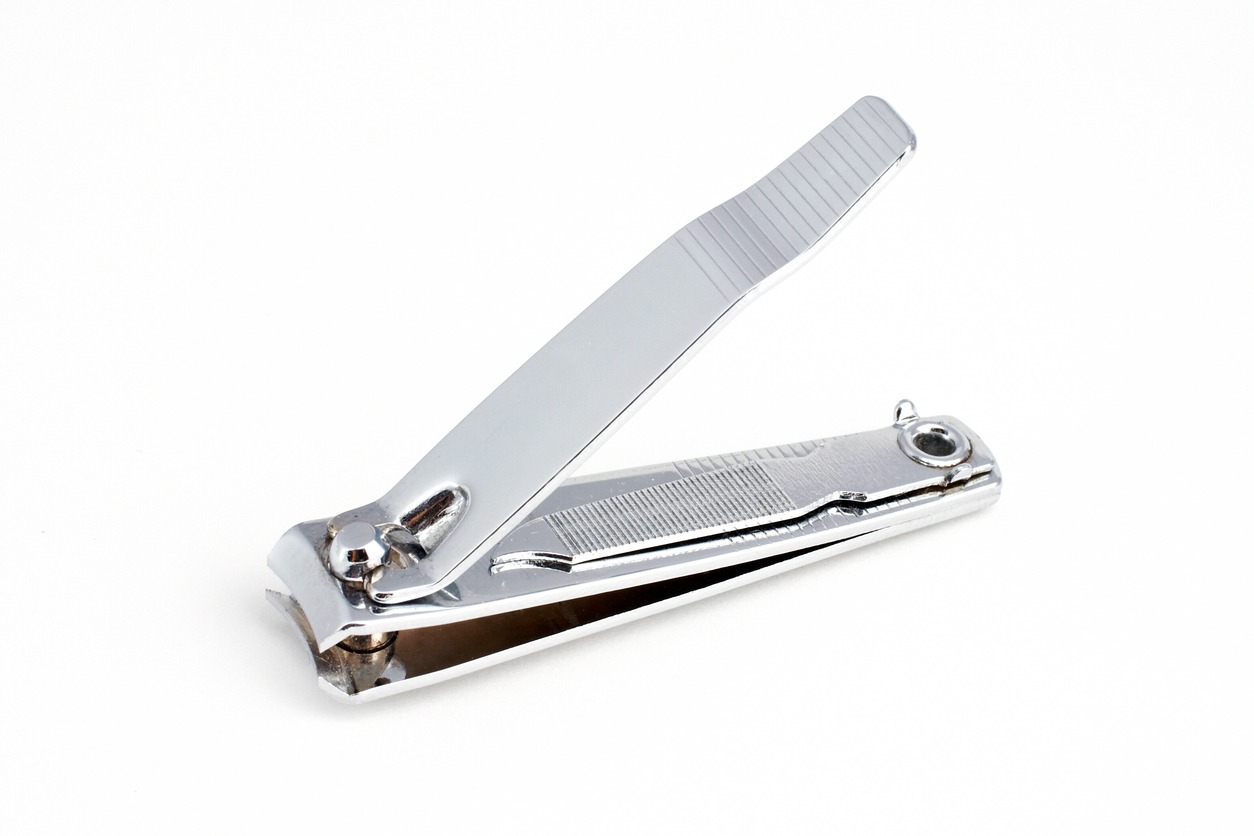
Understanding the individual components of toenail clippers is essential for their proper use and maintenance. Toenail clippers are typically larger than standard clippers to manage thicker toenails, providing enhanced control and efficiency. They often feature a straight or slightly curved cutting edge to ensure precise cuts without splitting the nail.
To maintain your toenail clippers and prevent infections, it is important to recognize their parts and know how to clean them:
- Blades: Regularly inspect the blades. Dull blades can damage nails and increase infection risk. Keep them sharp and clean by soaking them in a cleaning solution.
- Nail Catcher: Many clippers include a built-in nail catcher. Empty it frequently to prevent debris build-up that can harbor bacteria.
- Pivot: This component holds the blades together. Ensure it is free from dead skin and other debris. Soaking can help loosen any stuck particles.
- Handle: Disinfect the handle thoroughly to eliminate bacteria and prevent infection spread.
Maintaining these parts will keep your toenail clippers in optimal condition, ensuring both effective grooming and hygiene.
Usage and Function
Toenail clippers are essential tools designed to manage the thickness and toughness of toenails, ensuring precise and clean cuts. Unlike fingernail clippers, toenail clippers have a straight cutting edge to reduce the risk of ingrown nails and typically feature a wider opening to handle thicker nails. Some models even include a built-in catcher for easy disposal of clippings, aiding in proper foot care.
Regular use of sanitized toenail clippers is crucial for preventing infections, particularly fungal infections. Contaminated tools can transfer pathogens directly to your nails, compromising both hygiene and health. Understanding the components of your nail clippers, such as the blades and handles, is vital for effective cleaning and maintenance. This knowledge helps keep your tools in optimal condition, reducing the risk of spreading pathogens.
To maintain proper foot care, always sanitize your toenail clippers after each use. This practice not only helps prevent infections but also extends the lifespan of your clippers. By prioritizing hygiene and maintenance, you ensure that your toenail clippers remain reliable tools in your foot care routine.
Cleaning Supplies Needed
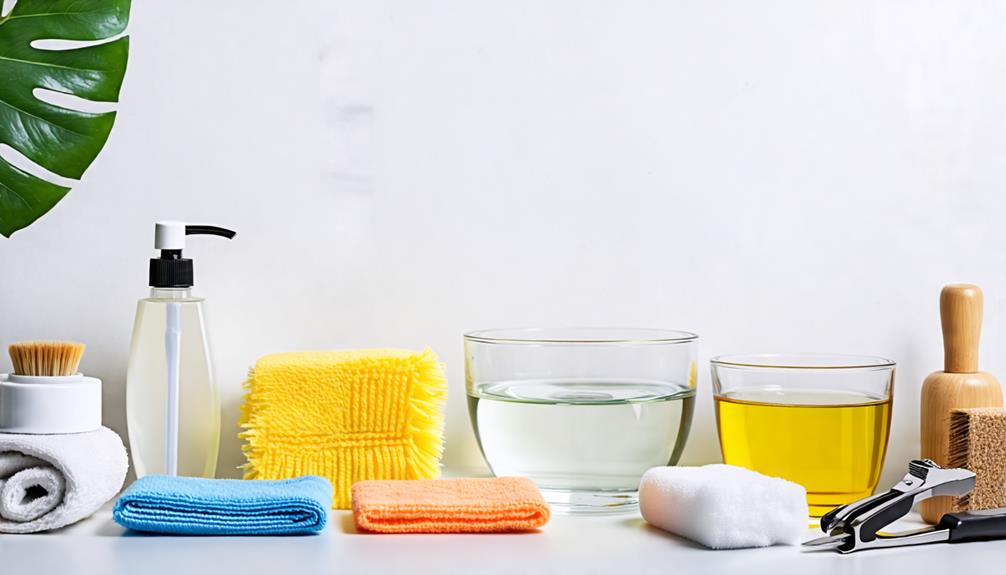
To effectively sanitize your toenail clippers, you will need the following essential cleaning supplies. Having the right tools ensures proper sanitation and infection prevention.
- Cleaning Solution: Prepare a cleaning solution in a glass container or bowl for soaking the clippers. This step removes dirt and debris effectively.
- 70% Isopropyl Alcohol: Essential for disinfection, this solution kills bacteria and pathogens efficiently, ensuring your clippers are thoroughly sanitized.
- Soft Bristle Brush: An old toothbrush can be used to scrub away dirt from hard-to-reach areas on the clippers, ensuring a clean surface before disinfection.
- Clean Dry Cloth: After cleaning and disinfecting, use a clean, dry cloth to wipe down the clippers. This prevents rust and further contamination.
Additionally, prepare cotton pads or balls to apply the 70% isopropyl alcohol, ensuring all surfaces of the clipper are covered. With these supplies, you will be well-equipped to maintain clean and safe toenail clippers.
Step-by-Step Sanitization
Have you ever wondered how to properly sanitize your toenail clippers to ensure they are safe and hygienic? Start by disassembling the clippers if possible. This step is crucial to reach all the hard-to-clean areas. Rinse the clippers under warm water to remove any debris. Once rinsed, scrub them with a mild soap solution and a soft brush for a thorough cleaning.
Next, prepare a disinfectant solution using either 70% rubbing alcohol or a 10% bleach solution. Soak the clippers in this solution, making sure they are fully submerged for at least 30 minutes. This cleaning and disinfection process is essential to prevent the spread of infections.
After the soaking period, rinse the clippers again with warm water to remove any disinfectant residue. Dry them thoroughly using a clean towel or a hair dryer to prevent rust. Proper nail care and sanitization are vital to ensure your tools remain effective and safe to use.
Alternative Sanitization Methods
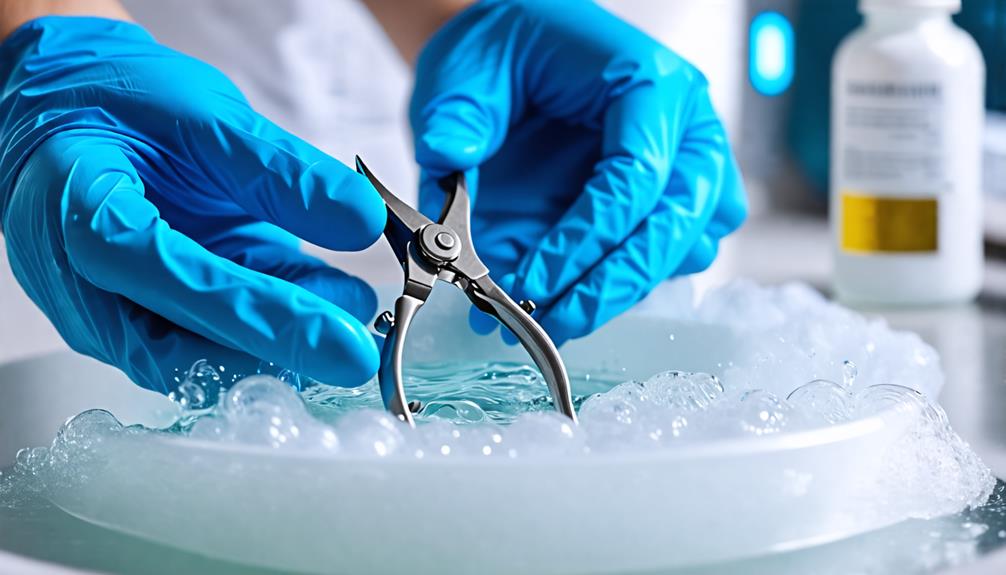
Alternative Sanitization Methods for Clippers
If you're seeking natural or chemical-free methods to sanitize your clippers, here are some effective alternatives:
- Vinegar Solution: Mix equal parts white vinegar and water, and soak your clippers for 15-20 minutes. Vinegar's natural disinfectant properties help sanitize the tools. After soaking, rinse and air dry them thoroughly.
- Heat Sterilization: Submerge your clippers in boiling water for 5-10 minutes. This method effectively kills microorganisms without chemicals. Ensure the clippers are completely air-dried before storage to prevent rust.
- UV Sterilizers: Utilize a UV sterilizer to eliminate up to 99.9% of bacteria and viruses. This chemical-free method exposes the clippers to ultraviolet light for thorough sanitization without any residue.
- Essential Oils: Soak your clippers in a diluted solution of tea tree or lavender oil for 10-15 minutes. These oils have antimicrobial properties that help disinfect the tools. Rinse and air dry them after soaking.
For those preferring commercial products, hospital-grade disinfectant sprays are also effective. Simply spray the clippers after each use and allow them to air dry to ensure proper sanitation and infection prevention.
Nail Care and Maintenance
Maintaining your toenails with regular care is essential for preventing infections and promoting overall foot health. Begin by trimming your toenails every 4-6 weeks to avoid ingrown nails and reduce the risk of nail infections. Proper nail care involves using clean and sanitized nail clippers; otherwise, you might introduce harmful bacteria or fungi, leading to infections.
To ensure you're maintaining healthy nails, always disinfect your nail clippers before and after use. This simple step can prevent infections and keep fungal issues at bay. Additionally, avoid using the same clippers for both your toenails and fingernails to minimize cross-contamination.
Moisturizing your cuticles and the skin around your nails with cuticle oil or a rich moisturizer is another crucial part of nail care. This practice prevents dryness and hangnails, thereby contributing to overall nail health.
Inspect your nail clippers regularly for rust or corrosion, as damaged tools can harbor harmful bacteria, compromising your nail care routine. By following these steps and keeping your nail clippers clean and sanitized, you'll be well on your way to maintaining healthy nails and preventing infections.