How to Relieve Sore Bum With the Right Cushion
If you've ever experienced discomfort from sitting too long, you know how debilitating it can be. Choosing the right cushion can significantly improve both comfort and health. Options like memory foam and gel-infused cushions conform to your body and provide essential pressure relief. Ergonomic designs, such as coccyx or donut cushions, effectively target specific pain areas. However, it's crucial that your cushion fits your chair properly to maintain good posture and avoid further discomfort. Let's explore the key factors to consider for making an informed choice.
Understanding Buttock Pain

Comprehending the underlying causes of buttock pain can significantly aid in its treatment and prevention. Buttock pain may arise from various factors, including prolonged sitting, muscle strain, and conditions such as sciatica and piriformis syndrome. Extended periods of sitting, particularly with poor posture, exert pressure on the piriformis muscle, potentially causing irritation and pain that radiates down the leg—a hallmark of piriformis syndrome.
To mitigate this, it is crucial to adopt proper posture and ergonomic seating. Maintaining a neutral spine and evenly distributing weight across the pelvis can substantially reduce the risk of buttock pain. Regular movement and stretching are also essential home care strategies. These activities help alleviate pressure on the affected muscles and enhance overall mobility.
Supportive cushions are integral to home care strategies. They offer necessary support to the lower back and buttocks, promoting proper posture even during extended sitting periods. Integrating these practices into your daily routine can alleviate discomfort and prevent the recurrence of buttock pain. By understanding and addressing these causes and solutions, you are on the path to a pain-free life.
Choosing the Right Cushion
Choosing the right cushion to relieve your sore bum involves several key considerations. First, evaluate materials such as memory foam for its pressure-relieving properties and gel for cooling effects. Next, consider the shape of the cushion; options like donut or coccyx cushions are designed to alleviate tailbone pain and target specific areas. Additionally, ensure the cushion's height and thickness are compatible with your chair to maintain proper posture and prevent further discomfort.
Types of Cushion Materials
Choosing the right cushion to relieve a sore bum is essential for your comfort and well-being. Various materials offer different benefits, so it's crucial to find one that meets your specific needs for pressure relief and support.
- Memory Foam: This material contours to your body shape, offering excellent pressure relief and support. Ideal for prolonged sitting, memory foam cushions help reduce buttock soreness.
- Gel-Infused Cushions: These cushions provide cooling properties and enhanced comfort, preventing overheating during extended sitting sessions. They are particularly beneficial for those with sensitive skin.
- Orthopedic Foam: Ergonomically designed, orthopedic foam cushions maintain proper alignment and reduce pressure on the coccyx, making them perfect for individuals with tailbone pain.
- Honeycomb Design: Cushions with a honeycomb structure promote air circulation and reduce heat retention. This design distributes weight evenly, enhancing overall comfort.
Additionally, inflatable cushions offer adjustable firmness levels, allowing you to customize the support to your preference. They effectively relieve pressure points, providing targeted comfort where needed most.
Ergonomic Cushion Benefits
An ergonomic cushion can significantly improve comfort for those experiencing discomfort in the buttocks or lower back. These cushions are meticulously crafted to enhance spinal alignment and distribute body weight evenly, thereby minimizing pressure on the buttocks and lower back for extended periods of sitting.
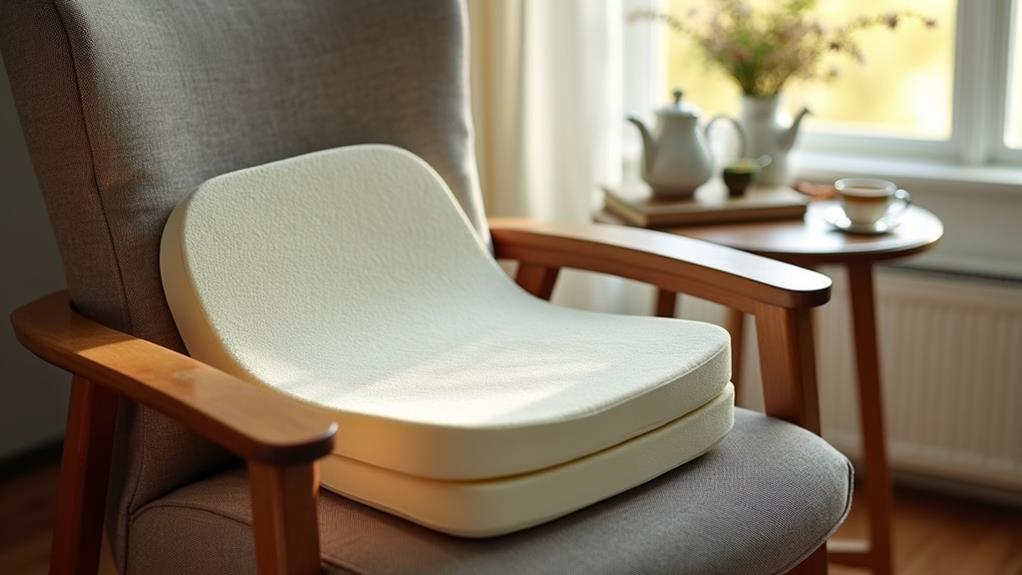
Materials such as memory foam or gel are commonly used in ergonomic cushions to conform to your body's unique shape. This customization provides tailored support, enhancing comfort and preventing soreness. Additionally, many cushions feature a contoured design or a cutout for the tailbone, specifically addressing issues like coccyx pain or sciatica.
A non-slip base is a critical feature to ensure that the cushion remains securely in place, offering consistent support without frequent adjustments. When selecting an ergonomic cushion, consider factors such as thickness, firmness, and shape to meet your specific needs and chair dimensions. This thoughtful selection process will ultimately enhance your overall sitting experience.
Investing in an ergonomic cushion not only alleviates immediate discomfort but also promotes long-term well-being by encouraging better posture and reducing the risk of chronic pain.
Benefits of Memory Foam
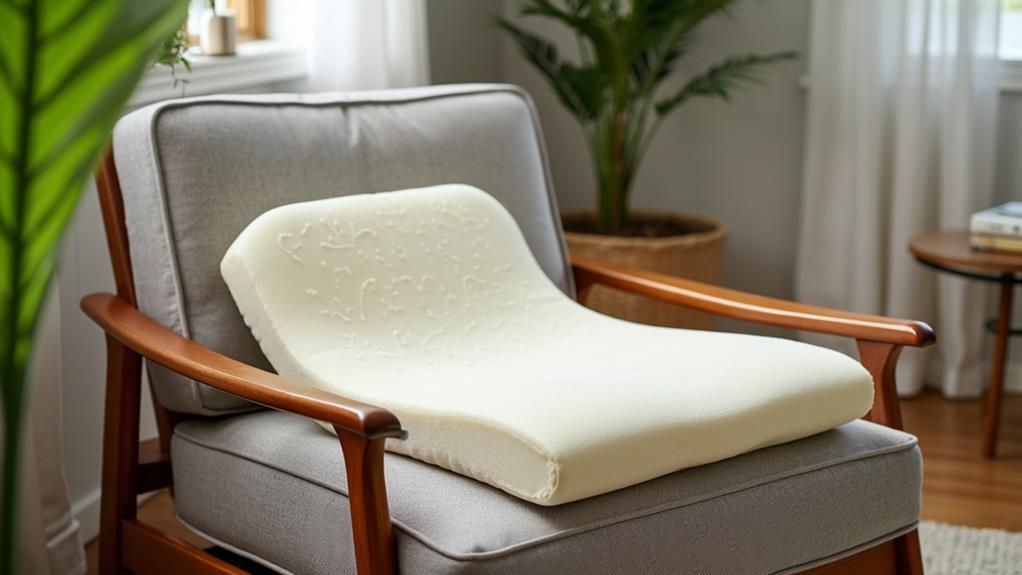
Memory foam cushions offer significant benefits for relieving discomfort. They adapt to your body's shape, providing pressure relief and support. Features like cooling gel technology and non-slip bottoms enhance comfort and stability.
Pressure Relief Properties
Memory foam cushions provide exceptional pressure relief due to their adaptive support and viscoelastic properties. These cushions contour to your body, effectively distributing weight and alleviating pressure points on your buttocks, thereby enhancing comfort during prolonged sitting and reducing stiffness.
The viscoelastic properties of memory foam also absorb shock, minimizing the impact on your sit bones. This feature is particularly beneficial for individuals with conditions like sciatica and coccyx pain. By conforming to your body's shape, memory foam cushions offer targeted relief precisely where it is needed.
Benefits of memory foam cushions:
- Pressure relief: The material distributes your weight evenly to prevent any single point from bearing excessive pressure.
- Enhanced comfort for extended sitting: Ideal for long work hours or leisure activities like movie marathons, ensuring sustained comfort.
- Improved blood circulation: The heat retention properties of memory foam can enhance blood flow, reducing stiffness and promoting muscle recovery.
- Breathable covers: Many memory foam cushions come with covers that improve airflow, preventing overheating and maintaining comfort during extended use.
Incorporating a memory foam cushion into your seating arrangement can significantly enhance your daily comfort and well-being.
Adaptive Support Features
Memory foam cushions provide adaptive support by conforming to your body's unique shape, alleviating pressure on your sit bones and coccyx. This personalized cushioning helps relieve pain by evenly distributing your weight and reducing pressure points. The viscoelastic properties of memory foam enhance circulation, preventing soreness in your buttocks, especially during prolonged sitting.
Additionally, many memory foam cushions incorporate cooling gel technology for temperature regulation, preventing overheating and ensuring comfort over extended periods. The shock-absorbing qualities of memory foam make it ideal for those who experience discomfort from hard seating surfaces or need to sit for long durations.
Regular use of a memory foam cushion can also promote proper spinal alignment, reducing the risk of chronic pain conditions associated with poor posture. By encouraging correct posture, these cushions help maintain your spine's natural curve, thereby improving overall comfort and well-being.
| Feature | Benefit |
|---|---|
| Conforming shape | Alleviates pressure points |
| Weight distribution | Improves circulation |
| Cooling gel technology | Regulates temperature |
Using a memory foam support cushion is a proactive step towards achieving a more comfortable and healthier sitting experience.
Long-Term Comfort Benefits
The long-term comfort benefits of memory foam cushions stem from their exceptional ability to conform to your body's unique shape, providing customized support and balanced weight distribution. These cushions are designed to alleviate pressure on your sit bones and coccyx, making them ideal for individuals suffering from buttock pain, tailbone pain, or sciatica. The viscoelastic properties of memory foam absorb shock and minimize stress on your lower back and buttocks, enhancing comfort during extended periods of sitting.
Key benefits of memory foam cushions include:
- Customized Support: Adapts to your body's contours for individualized comfort.
- Pressure Relief: Distributes weight evenly, reducing pressure on sensitive areas.
- Pain Alleviation: Helps relieve buttock pain, lower back pain, tailbone pain, and sciatica.
- Durability: Retains shape and supportive qualities over time, ensuring long-term use.
Research indicates that memory foam cushions significantly reduce discomfort and pain, making them a preferred choice for many users. Additionally, many cushions feature breathable covers that promote airflow and prevent overheating during extended use. Investing in a memory foam cushion ensures lasting comfort and pressure relief, even during prolonged sitting sessions.
Ergonomic Cushion Options
Ergonomic Cushion Solutions for Sore Bum Relief
Ergonomic cushions can significantly relieve a sore bum and enhance comfort during prolonged sitting. Memory foam cushions conform to your body's shape, providing pressure relief and support for your sit bones and coccyx, thereby alleviating discomfort. Gel-infused cushions, equipped with cooling technology, promote air circulation and reduce heat buildup, making them ideal for extended periods of use.
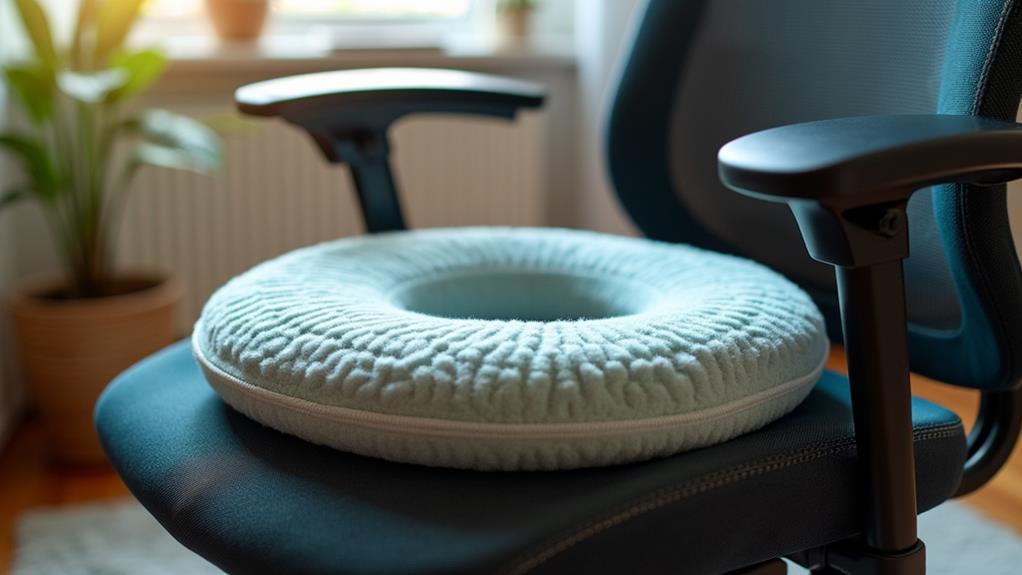
For those experiencing tailbone pain, donut ring cushions are an excellent choice. These orthopedic cushions feature a central hole that alleviates pressure on the tailbone, offering significant relief for coccydynia sufferers. Honeycomb design cushions ensure effective weight distribution and support while allowing airflow to prevent overheating.
Many ergonomic cushions also come with additional features such as non-slip bases and designs that promote proper spinal alignment. These elements help prevent chronic pain conditions associated with poor seating posture. Selecting an ergonomic cushion tailored to your specific needs can provide optimal comfort and pressure relief, making a sore bum a thing of the past.
Proper Sitting Posture
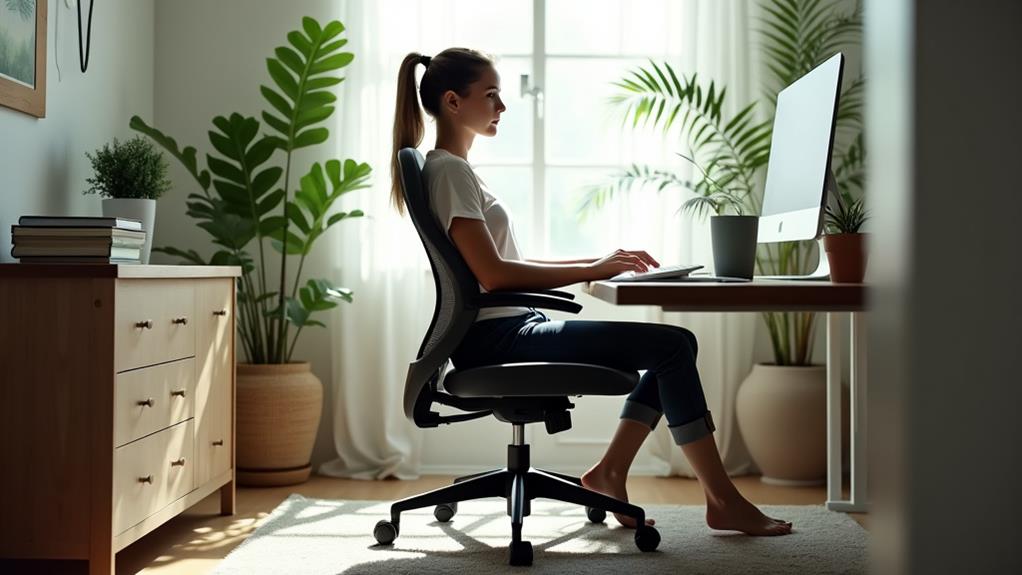
Achieving proper sitting posture is crucial for reducing discomfort in your buttocks and lower back. To maintain a neutral spine, keep your feet flat on the ground and your thighs parallel to the floor, ensuring even weight distribution and proper alignment. Slouching or leaning forward can increase pressure on the piriformis muscle and surrounding areas, potentially worsening pain.
Lumbar support cushions can be highly effective in preserving the natural arch of your lower back, thereby reducing strain on your buttocks. Key points to remember:
- Ensure your feet are flat on the ground.
- Keep your thighs parallel to the floor.
- Use lumbar support to maintain the natural arch of your lower back.
- Regularly adjust your sitting position to avoid prolonged pressure.
This comprehensive approach will help you maintain a healthy sitting posture and minimize discomfort.
Movement and Activity Tips
To effectively relieve a sore bum, incorporate regular movement and activity into your daily routine. Prolonged sitting can worsen soreness and discomfort, so it's important to move around frequently. Taking short walks every 30-60 minutes can alleviate pressure and improve blood flow to the affected area, providing immediate relief and contributing to long-term comfort.
Alternating between sitting and standing throughout the day minimizes discomfort and promotes better posture. Regular movement reduces stiffness and tension in the piriformis muscle and surrounding areas. Engaging in specific stretching exercises targeting the glutes and hips can improve flexibility and alleviate soreness. Stretching routines focused on the lower body help keep muscles loose and reduce the risk of pain recurrence.
Consistent physical activity strengthens muscles and improves endurance, helping to prevent buttock pain from recurring. By incorporating these activities into your routine, you can sit more comfortably for extended periods. The key is to stay active and avoid prolonged immobility to maintain overall health and comfort.
Additional Pain Relief Methods
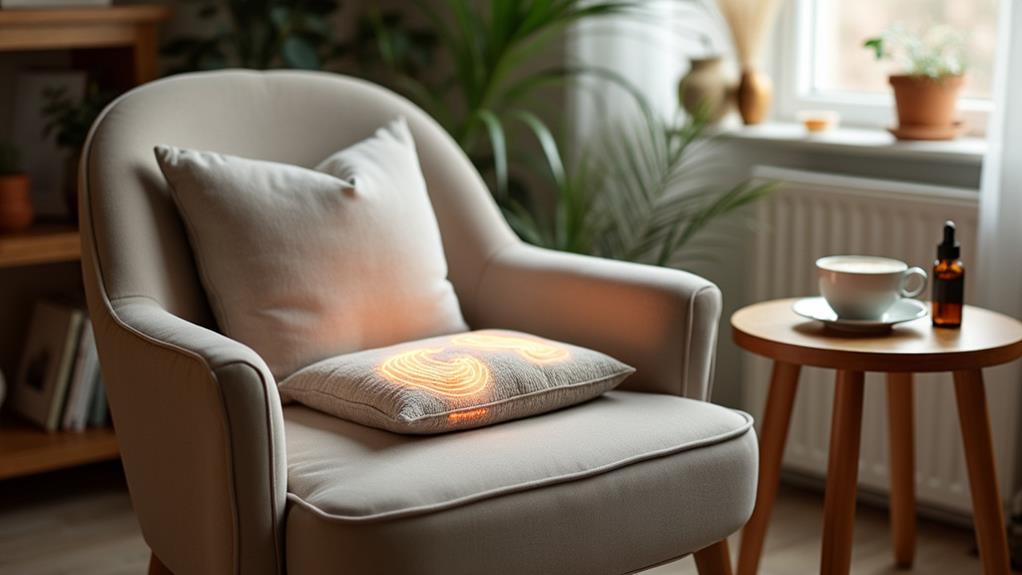
When dealing with a sore bum, several supplementary pain relief methods can help you find comfort. Besides using an ergonomic seat cushion, these strategies can reduce discomfort and promote healing.
- Heat and Cold Therapy: Apply heat therapy for 15-20 minutes to increase blood flow and aid in healing sore muscles. Alternatively, use cold therapy with ice packs for 10-15 minutes to reduce swelling and inflammation.
- Stretching and Exercise: Incorporate regular movement and stretching exercises into your daily routine to improve blood flow and reduce stiffness, which can alleviate discomfort in the buttock region.
- Over-the-Counter Pain Relievers: Medications like ibuprofen or acetaminophen can provide effective pain relief when used as directed.
- Mindfulness and Relaxation Techniques: Engage in deep breathing or meditation to reduce stress-related tension, contributing to comprehensive pain management.