How to Safely and Effectively Clip Thick Fungal Toenails
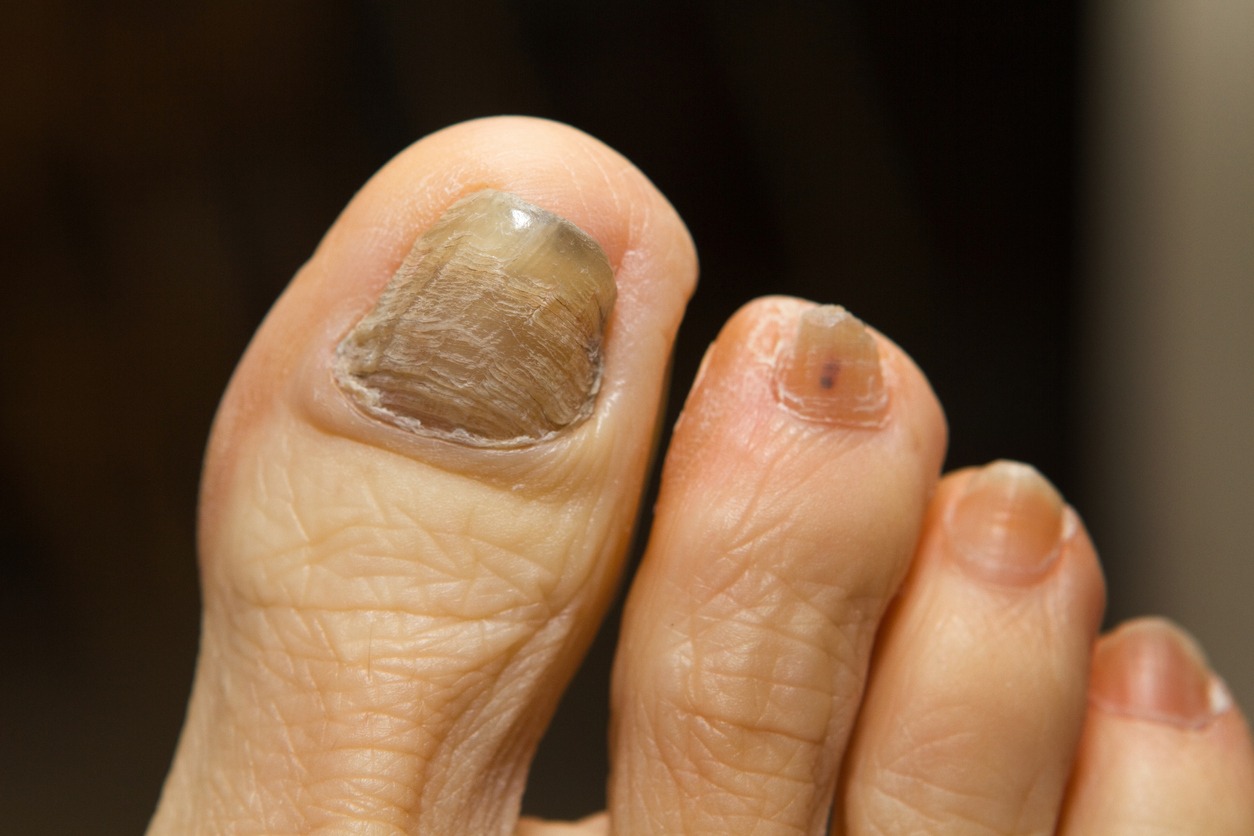
When dealing with thick fungal toenails, the task might seem intimidating, but it's crucial for maintaining foot health. First, understand the underlying fungal issue and ensure you have the right tools. Begin by softening the nails to prevent additional problems. Soak your feet in warm, soapy water for about 20 minutes to achieve this. Once the nails are softened, use a clean, sharp nail clipper designed for thick nails. Clip straight across to avoid ingrown toenails and further infection. Consistency and proper technique are essential for safety and effectiveness.
Understanding Toenail Fungus
Toenail fungus, often caused by onychomycosis, is a common issue, particularly among older adults. This condition can lead to discoloration, thickening, and foul odor of the toenails. You might notice your nails turning yellow, brown, or even green, which can be both distressing and uncomfortable. Fungal infections thrive in warm, moist environments, making places like pools and locker rooms common sources of infection.
Thickened toenails are a prominent sign of toenail fungus. This thickening, along with discoloration, makes the infection easily recognizable. Maintaining proper foot hygiene is crucial to prevent these infections. Keeping your feet clean and dry, and wearing breathable footwear can significantly reduce your risk.
Early diagnosis is vital. If you catch the symptoms of toenail fungus early, you can explore treatment options before the infection worsens. Treatments range from topical antifungal creams to oral medications. Ignoring the problem can lead to more severe complications, including pain and permanent nail damage. Consulting a healthcare professional at the initial sign of symptoms ensures effective management of the infection. Understanding toenail fungus and its impact on your nails is the first step toward maintaining healthy feet.
Preparing Your Toenails
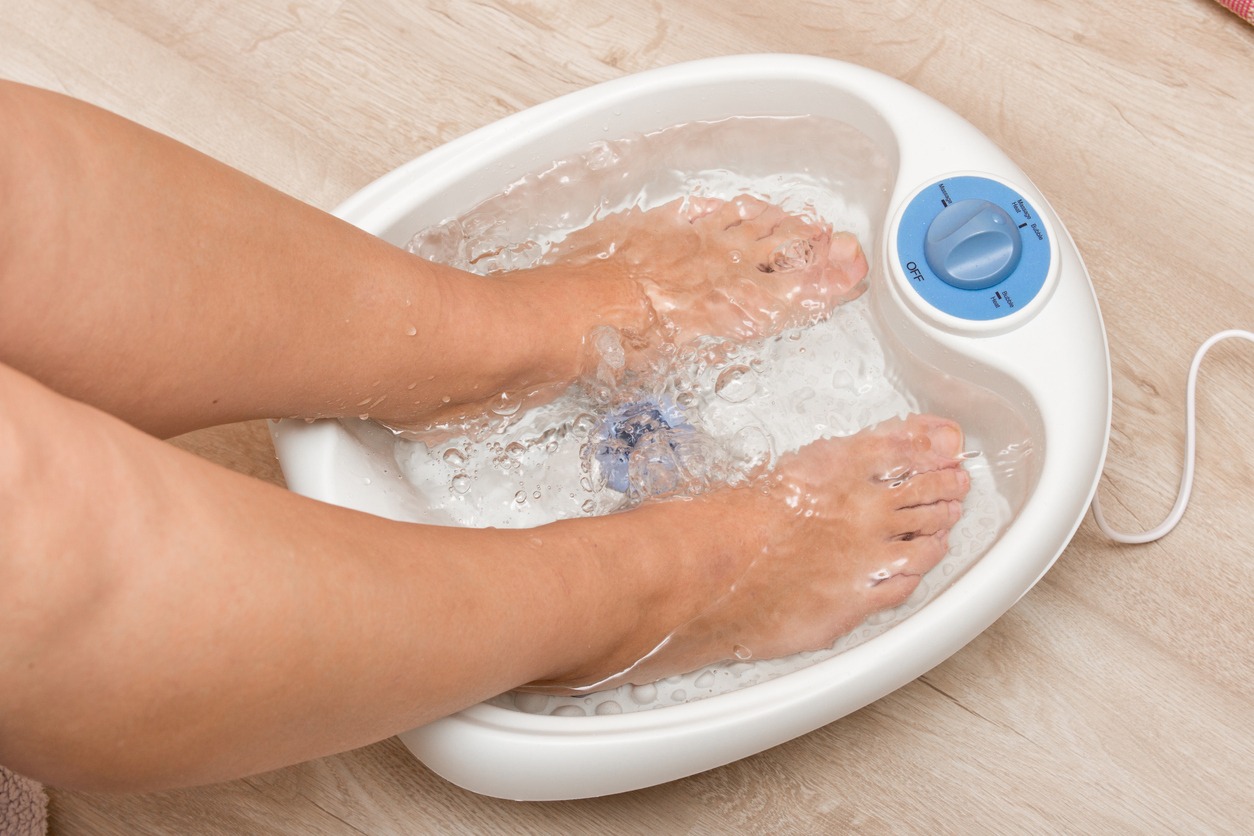
To prepare your toenails, begin by soaking your feet in warm water for 5-10 minutes to soften the nails. Adding salt to the soak can enhance its effectiveness, making the nails easier to trim. After thoroughly drying your feet, ensure you have the appropriate tools, such as nail nippers designed for thick nails, to achieve a clean and precise cut.
Softening Techniques
Warm water is invaluable for softening thick fungal toenails before trimming. Start by soaking your toenails in warm water for 10-30 minutes to make them more pliable and easier to trim. Adding salt to the soak can enhance its effectiveness. Once softened, your nails are less likely to crack or break when using nail clippers.
For a deeper softening effect, apply urea cream to your nails and leave it on for up to 24 hours. This cream helps to soften even the thickest toenails, facilitating smoother trimming. Always ensure your nails are thoroughly dried after soaking or using the cream, as wet nails can harbor fungus and lead to further complications.
Here's a quick reference to guide you through the softening process:
| Method | Duration | Benefits |
|---|---|---|
| Warm Water Soak | 10-30 minutes | Softens nails, easy trimming |
| Salt Addition | During soak | Enhances softening effect |
| Urea Cream | Up to 24 hours | Deep softening, facilitates trimming |
For optimal results, consider trimming your toenails after a shower when they are naturally softened. This ensures a cleaner cut and promotes healthy toenails.
Essential Tools
After softening your nails, gather the appropriate tools to ensure a safe and effective trimming process. Start by selecting specialized nail nippers or heavy-duty clippers designed specifically for thick toenails. Standard nail clippers often lack the necessary cutting power, making the task more difficult and less effective.
Next, ensure all your tools are sanitized to prevent the spread of fungal infections. Thoroughly disinfect your nail nippers using rubbing alcohol. This step is crucial for maintaining hygiene and preventing any further complications.
Have a soft towel handy to catch nail clippings and keep your workspace clean. When trimming your nails, cut them straight across to avoid ingrown toenails. This technique helps keep your toenails straight and reduces the risk of discomfort or additional issues.
After trimming, use a nail file or emery board to smooth out any rough edges. This prevents snagging and ensures a more comfortable fit in your shoes. Filing also helps maintain the overall health of your toenails.
Recommended Tools
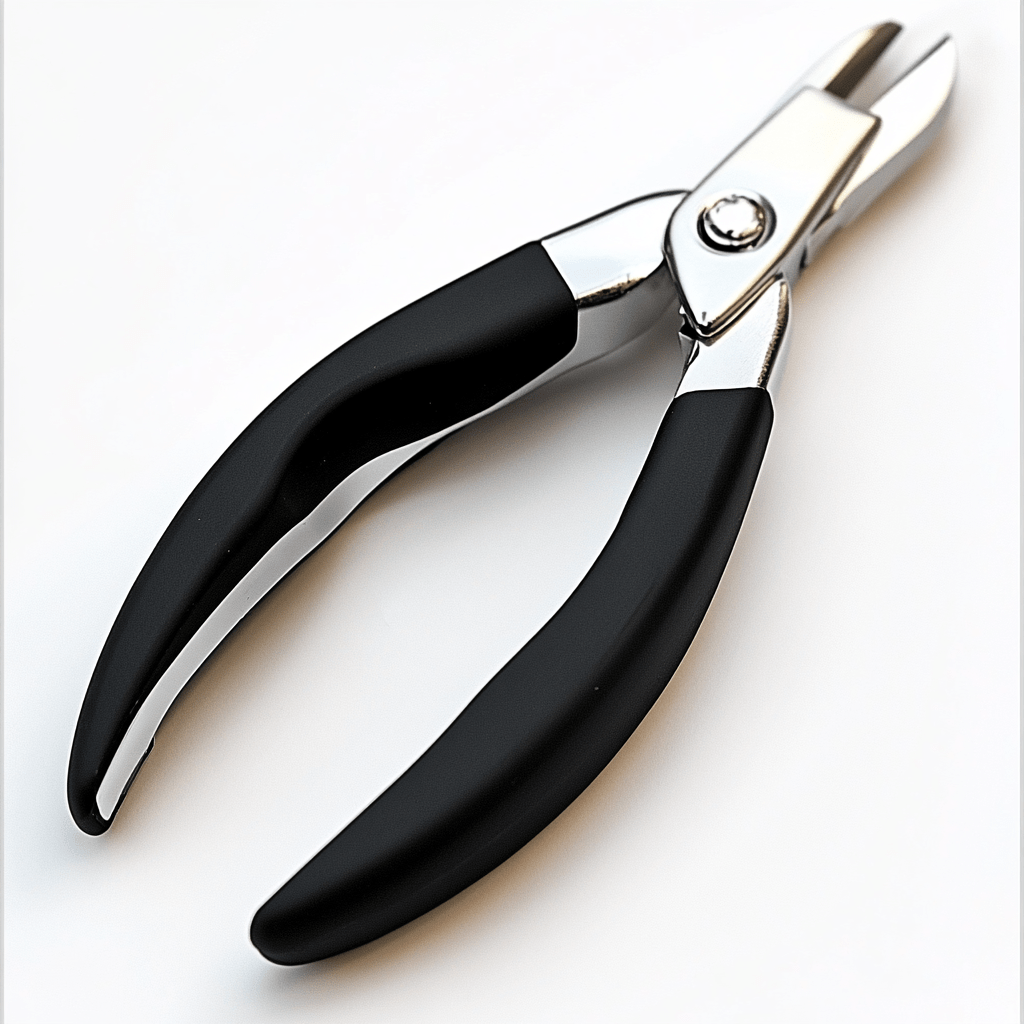
When dealing with thick fungal toenails, specialized tools are essential for effective and safe trimming. Standard toenail clippers often fall short. For optimal foot care, consider using nail nippers specifically designed for toenails, which provide better control and leverage, making it easier to cut through thick nails.
Electric nail grinders are another excellent option. They can thin out thick nails without requiring excessive pressure, thereby reducing the risk of injury. Heavy-duty clippers, like ClipPro nail clippers, are built to handle the strength and irregularities of thick toenails.
To prevent fungal infections from spreading, always sanitize tools with rubbing alcohol before and after use. Keeping separate clippers for fingers and toes is also crucial to minimize cross-contamination.
Here are the recommended tools:
- Nail nippers: Designed for better control and leverage.
- Electric nail grinders: Effectively thin nails without excessive pressure.
- Heavy-duty clippers: Built for thick, irregular toenails.
- Sanitizing supplies: Rubbing alcohol for disinfecting tools.
Softening Techniques

To ensure specialized tools work effectively, start by soaking your toenails in warm water for 10-30 minutes to soften them. This step is crucial because thick nails, especially those affected by nail fungus, can be tough and challenging to trim. Adding a bit of salt to the warm water can enhance the softening process, making your nails more manageable.
After soaking, thoroughly dry your nails to prepare them for cutting and prevent slipping during trimming. If your nails remain particularly thick, consider applying urea cream. This cream can penetrate deeply into the nails, significantly softening them when left on for up to 24 hours.
For extremely stubborn thick nails, using an electric file after soaking can be helpful. This tool thins the nails, reducing the pressure needed during trimming. Remember, the goal is to make the trimming process as smooth and safe as possible, especially when dealing with nail fungus. By following these softening techniques, you are setting yourself up for a more effective and less painful toenail trimming experience.
Clipping Your Toenails
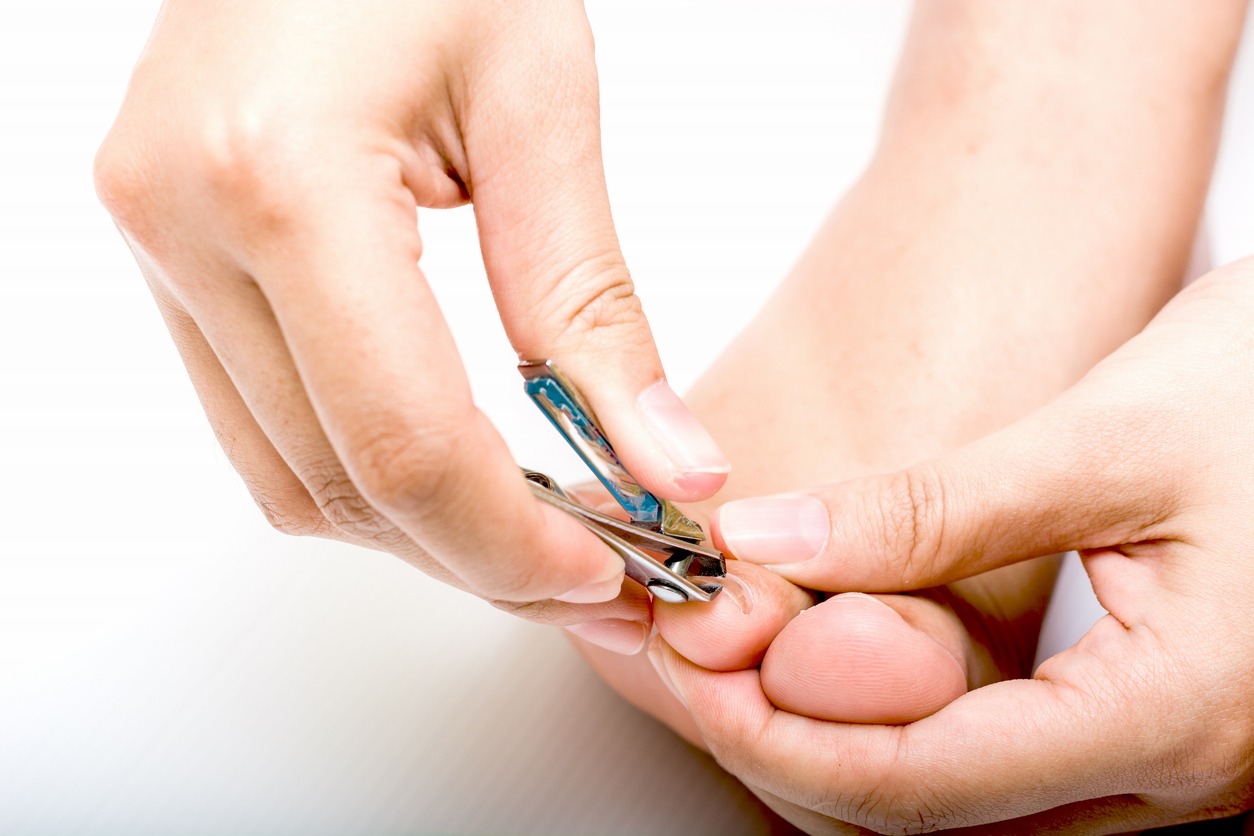
Before you start clipping, make sure you have the right tools ready and sanitized. Proper preparation is key to effectively managing thick fungal toenails and preventing further issues like ingrown nails. Here's a quick checklist of crucial items:
- Nail nippers specifically designed for toenails
- Rubbing alcohol for sanitizing your tools
- Warm water to soak and soften your nails
- Emery board for smoothing edges
Start by soaking your feet in warm water for 5-10 minutes to soften the nails, making them easier to cut. Once your nails are softened, dry your feet thoroughly to avoid slipping.
Using your sanitized nail nippers, trim your toenails straight across. Make short, horizontal cuts starting from the outer corners and working your way inward. This method helps prevent ingrown nails, which can be especially painful and troublesome if you already have a fungal infection.
After trimming your toenails, use an emery board to smooth out any sharp edges. This step reduces the risk of cuts or snagging on your socks and shoes, ensuring your nails are well-trimmed, safe, and comfortable.
Post-Clipping Care
After clipping your thick fungal toenails, apply an antifungal treatment to prevent recurrence and promote healing. Keep your feet clean and dry to avoid moisture, which can worsen fungal growth. Regularly monitor your nails for any signs of infection and maintain a trimming schedule every 4-6 weeks.
Apply Antifungal Treatment
To enhance the effectiveness of your antifungal treatment, ensure your toenails are thoroughly clean and dry before application. After trimming thick toenails, immediately apply a reputable topical antifungal treatment to combat the infection. Consistency is crucial, so adhere to the prescribed regimen, typically involving daily applications over several weeks. This ensures the treatment penetrates the thick fungal toenails effectively.
To maximize the effectiveness of your treatment, consider these tips:
- Clean and dry: Always confirm your toenails are clean and dry before applying the treatment.
- Topical antifungal: Use a reputable topical antifungal treatment to target the infected areas.
- Monitor toenails: Regularly check your toenails for any signs of recurrence or worsening.
- Antifungal nail polish: Consider using antifungal nail polish for added protection and improved nail appearance.
If you notice any signs of recurrence, such as discoloration or thickening, consult your healthcare provider. By diligently following these steps, you'll create an environment conducive to healing and regaining nail health.
Moisturize and Protect
Moisturize and Protect
It's crucial to moisturize and protect your toenails after clipping to promote healing and prevent fungal growth. Apply a moisturizing lotion or cream containing urea to keep your nails and surrounding skin hydrated. This helps soften the nails and maintain the health of your feet. Additionally, using an antifungal foot powder or spray can inhibit fungal growth and prevent reinfection.
Protect your toenails by wearing breathable footwear that allows for air circulation. This helps keep your feet dry and reduces moisture accumulation, crucial for preventing fungal growth. Maintaining proper foot hygiene is also fundamental; wash your feet daily and dry them thoroughly to safeguard against fungal infections.
Regularly inspect your clipped nails for any signs of recurrence or infection, such as discoloration or odor. If you notice these symptoms, consult a healthcare professional immediately. By following these steps, you can effectively protect your toenails and promote their recovery. Consistency in moisturizing, using antifungal products, and maintaining good foot hygiene is key to healthier toenails.
Monitor for Recurrence
Regular inspection of your toenails is essential to detect any signs of fungal recurrence early and ensure timely treatment. After clipping thick fungal toenails, be vigilant about changes in their appearance and health. Regularly check for discoloration, thickening, or other changes that might indicate a return of the fungal infection.
Maintaining a consistent hygiene routine is crucial. Thoroughly wash and dry your feet to minimize moisture, which can encourage fungal growth. Use antifungal treatments as prescribed by your healthcare provider to prevent reinfection and monitor for adverse reactions.
Scheduling follow-up appointments with a podiatrist allows for professional assessment of your nail health and adjustment of your treatment plan if necessary. Be alert to symptoms like swelling, pain, or foul odor, as these could indicate a recurrence that requires immediate attention.
Key steps to monitor for recurrence include:
- Inspecting nails for discoloration and thickening.
- Maintaining a thorough hygiene routine.
- Applying prescribed antifungal treatments.
- Scheduling regular check-ups with your podiatrist.
Preventing Fungus Spread
To prevent the spread of fungal infections, always trim healthy nails before addressing infected ones. This practice minimizes the risk of cross-contamination. Use separate clippers for fingernails and toenails to prevent transferring the fungus between different areas. After each use, thoroughly sterilize your tools. Proper sterilization involves soaking your clippers and other trimming tools in rubbing alcohol or a disinfectant like Barbicide to kill any lingering bacteria and fungi.
Never share your nail tools with others. Fungal infections are highly contagious, and sharing clippers, files, or other equipment can easily lead to transmission. If you use wood or cardboard files, discard them after each use since they can harbor fungal spores and cause reinfection.
To further prevent the spread of the fungus, maintain good hygiene practices. Wash your hands and feet regularly, and keep your nails clean and dry. Wearing breathable footwear and moisture-wicking socks can help create an environment less conducive to fungal growth. By following these steps, you will effectively reduce the risk of spreading the infection and promote overall nail health.