How to Use a Gait Belt for Elderly Care
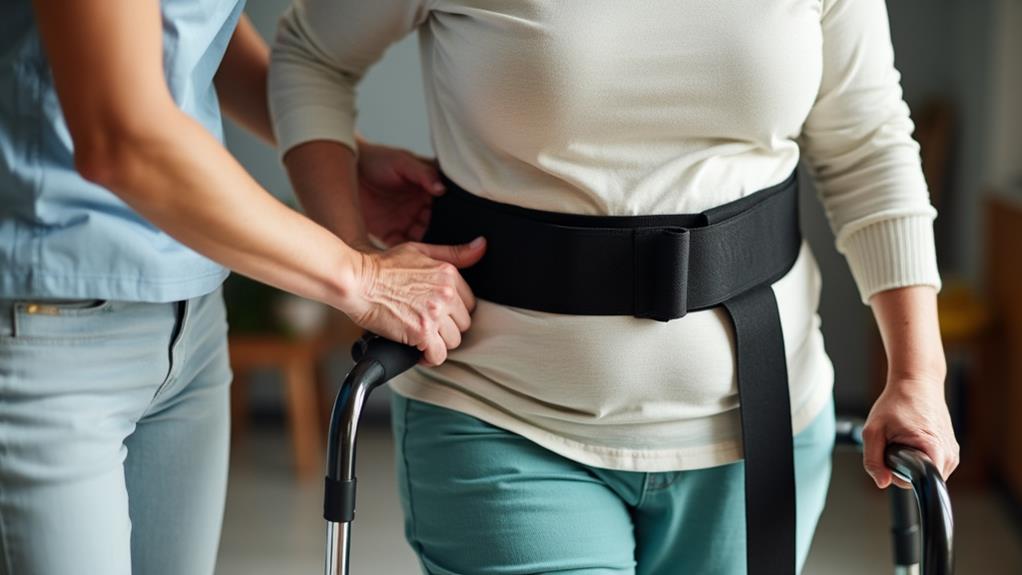
Using a gait belt for elderly care can significantly enhance safety and comfort during transfers and mobility assistance. Initially, you must understand the various types of gait belts and their specific applications. Ensuring the belt fits properly and is securely fastened is crucial to preventing accidents and providing necessary support. Involving the patient and employing proper body mechanics can make the process smoother and more effective. Here are the key steps to ensure correct and safe use of a gait belt every time:
- Select the Appropriate Gait Belt: Choose a gait belt that suits the patient's needs and the type of assistance required.
- Ensure Proper Fit: Wrap the belt around the patient's waist, making sure it fits snugly but comfortably. It should be tight enough to provide support but not so tight that it causes discomfort.
- Secure the Belt: Fasten the belt securely, ensuring it won't come loose during use. Check the buckle or fastening mechanism for proper closure.
- Use Proper Body Mechanics: Stand close to the patient, keeping your back straight and knees slightly bent. Use your legs, not your back, to lift and support the patient.
- Involve the Patient: Communicate with the patient throughout the process, encouraging them to participate as much as they are able. This can include holding onto the belt or using their arms to assist.
- Monitor and Adjust as Needed: Continuously monitor the patient's comfort and safety. Adjust the belt if it becomes loose or uncomfortable during use.
By following these steps, you can ensure that the gait belt is used correctly and safely, enhancing both the patient's and caregiver's experience.
Definition of Gait Belt
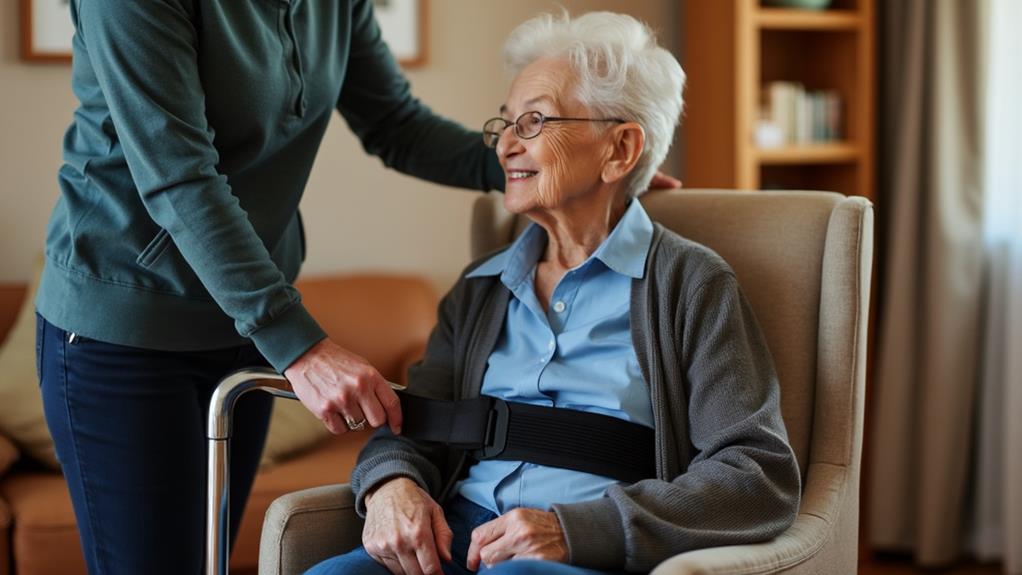
Understanding the importance of a gait belt can significantly enhance elderly care. A gait belt is a safety device designed to assist individuals with mobility challenges, particularly during transfers from bed to chair or while walking. By securing the gait belt around a patient's waist, caregivers provide essential support that helps prevent falls and ensures a safe and effective transfer process.
Using a gait belt benefits both the patient and the caregiver. It allows for safer, more controlled handling, reducing the risk of back injuries for the caregiver. Made from durable materials such as canvas, nylon, or leather, gait belts feature secure buckles to ensure they remain fastened during use. They are available in various sizes to accommodate different body types and needs.
Proper use of a gait belt is crucial for safety. It ensures that both the patient and caregiver experience a smoother and safer mobility process. Incorporating a gait belt into your care routine enhances overall mobility, making it safer and more effective for everyone involved.
Types of Gait Belts
Choosing the right gait belt for elderly care involves understanding the different types available to meet various needs. Gait belts generally range in width from 1½ to 4 inches and in length from 54 to 60 inches, accommodating different patient sizes. They are primarily categorized by the materials used, such as canvas, nylon, and leather. Canvas belts are popular for their durability and comfort, making them a reliable choice for everyday use.
Regarding buckles, metal options are often preferred for their enhanced security and durability, while plastic buckles can be suitable for lighter tasks or when ease of use is a priority.
Some gait belts feature additional elements like padded handles or multiple straps, providing extra support and improved usability during patient transfers. Consulting a healthcare provider is advisable to determine the most suitable gait belt for specific needs. They can guide you in selecting a belt that addresses individual patient requirements and mobility challenges, ensuring safety and comfort for both the patient and caregiver.
Importance of Gait Belts

Gait belts are essential tools in elderly care, significantly reducing the risk of falls and injuries during transfers and mobility assistance. By providing physical support, gait belts help individuals with limited strength or balance to move safely. This support is crucial for those with mobility issues, as it not only enhances their safety but also boosts their confidence.
The importance of using a gait belt extends beyond mere physical support. Proper use can help maintain a natural walking posture, which is vital for improving overall mobility and independence. When an elderly individual feels stable, they are more likely to engage in daily activities, thereby enhancing their quality of life.
For caregivers, gait belts are indispensable. They minimize the risk of back injuries by enabling the use of proper body mechanics while assisting patients. This is particularly important as caregivers often experience physical strain. Regular training and demonstrations on gait belt usage are essential to ensure the safety of both the caregiver and the patient. Understanding the correct use of gait belts can greatly improve the well-being of the elderly in your care while reducing the risk of accidents.
Benefits of Gait Belts
Using a gait belt enhances safety for both caregivers and elderly individuals. It facilitates lifting and transferring patients, reducing the risk of injury and promoting proper body mechanics. Additionally, gait belts assist with patient mobility, boosting their confidence and independence in daily activities.
Enhanced Caregiver Safety
Caregivers often face the dual challenge of ensuring their own safety and that of their elderly patients during transfers and mobility assistance. Utilizing a gait belt can significantly enhance safety in these scenarios. By providing a secure grip, gait belts effectively minimize the risk of slips and falls during transfers, ensuring both the caregiver and the patient remain safe. This straightforward tool allows for the maintenance of proper body mechanics, thereby reducing the likelihood of back injuries commonly associated with lifting and transferring patients.
A gait belt supports caregivers in maintaining a natural posture, which lessens the strain on muscles and joints. This is crucial for preventing injuries that could result from awkward or improper lifting techniques. Additionally, the use of gait belts does not require extensive training, making them accessible and easy to incorporate into daily care routines. By integrating gait belts into your caregiving practice, you create a safer environment, boosting the confidence of both you and your patients during mobility activities.
Ultimately, the use of gait belts is not solely about patient safety; it is also about ensuring the caregiver's well-being. Improved safety through the use of proper equipment leads to more efficient and effective care.
Patient Mobility Support
Ensuring caregiver safety is paramount, but supporting patient mobility is equally crucial. A gait belt is an indispensable tool that offers numerous benefits, enhancing the experience for both patients and caregivers.
Gait belts provide vital support during transfers, significantly reducing the risk of falls and related injuries—a necessity for patients with limited strength or balance. They also enhance patient mobility by allowing caregivers to assist with daily activities, promoting greater independence.
Additionally, using a gait belt minimizes caregiver strain, helping to prevent back injuries during lifting and transferring processes. This is essential for maintaining caregiver well-being and ensuring safe patient transfers. Gait belts also boost patient confidence and comfort by offering a secure grip, stabilizing the individual during movement.
Here are four key benefits of using a gait belt for patient mobility:
- Reduces the risk of falls and injuries.
- Promotes patient independence in daily activities.
- Minimizes caregiver strain and prevents injuries.
- Improves patient confidence and comfort.
With minimal training required, gait belts are a cost-effective solution that facilitates safe mobility in both home and healthcare settings, ensuring the well-being of all involved.
Preparing for Gait Belt Use
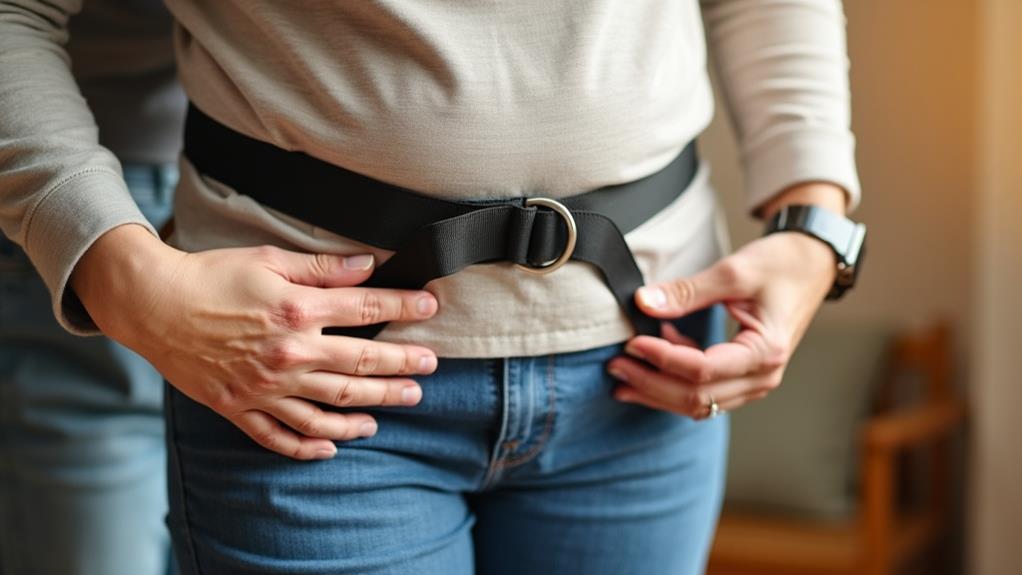
Before using a gait belt, ensure it fits the patient's size, generally between 54 to 60 inches in length and 1½ to 4 inches in width. Verify the belt is made from durable materials such as canvas, nylon, or leather, and that the buckle fastens securely. Always place the belt over a layer of clothing to prevent discomfort and inspect it for any signs of wear before each use.
Selecting Appropriate Gait Belt
Choosing the appropriate gait belt is crucial for ensuring both safety and comfort in elderly care. Several factors must be considered to ensure the gait belt meets the necessary standards.
- Length: The gait belt should be between 54 to 60 inches long to fit comfortably around the waist without excessive slack.
- Width: A width range of 1½ to 4 inches is advisable, with wider belts generally providing better stability and support.
- Material: Opt for durable materials like canvas or nylon for longevity and ease of cleaning. Leather is also an option for added comfort.
- Buckle: The buckle mechanism should be secure, preferably metal, to ensure reliable fastening during transfers and enhanced safety.
- Fit: The gait belt should accommodate waist sizes ranging from 22 to 60 inches for a snug yet comfortable fit.
Ensuring Correct Sizing
To ensure the gait belt provides optimal support and comfort, it is crucial to select the correct size from the beginning. The recommended dimensions for a gait belt are between 1½ to 4 inches in width and 54 to 60 inches in length, which accommodates most elderly patients comfortably.
Select the material based on the patient's specific needs: nylon for ease of cleaning and cotton for a more skin-friendly option. Once the appropriate gait belt is chosen, wrap it snugly around the patient's waist. To ensure the patient remains comfortable while receiving effective support, you should be able to fit two fingers between the belt and the patient's skin. This ensures a snug fit without causing constriction.
Always place the gait belt over the patient's clothing to prevent skin irritation or discomfort during transfers. Before using the gait belt, verify that it fits correctly around the patient. Adjust the tightness as needed, maintaining the two-finger allowance for comfort. Proper sizing and fit are essential to ensure that the gait belt functions effectively and safely during elderly care activities.
Securing the Buckle Properly
Securing the buckle properly is crucial for the effective use of a gait belt. Begin by positioning the buckle at the patient's front waist, ensuring it is easily accessible for adjustments. Thread the belt through the buckle teeth and lock the loops to prevent accidental release, which is essential for safety.
Ensure the belt fits snugly yet comfortably. You should be able to slide two fingers underneath the belt without it being too tight or too loose, which prevents slipping and ensures the patient's comfort.
Before assisting the patient, always verify that the buckle is securely fastened. A loose buckle can lead to falls or injuries, so double-checking this step is critical.
Regularly inspect the gait belt and buckle for any signs of wear or damage. Follow this quick checklist:
- Position the buckle at the patient's front waist.
- Thread the belt through the buckle teeth and secure the loops.
- Adjust tightness to fit two fingers underneath.
- Verify the buckle is securely fastened.
Proper Positioning Techniques
Proper positioning is crucial when using a gait belt for elderly care to ensure safety and comfort. Begin by fastening the gait belt around the patient's waist, aligning it with their center of gravity for optimal support during transfers.
Ensure the fit is snug but not overly tight; you should be able to slide two fingers between the belt and the patient's body. This prevents constriction while providing reliable support. Always place the belt over the patient's clothing to avoid skin irritation.
After the patient is upright, adjust the belt's tightness if necessary. It should stay secure but not restrict breathing. Maintain clear communication with the patient, offering reassurance and instructions to boost their confidence and cooperation during the transfer.
Usage Instructions
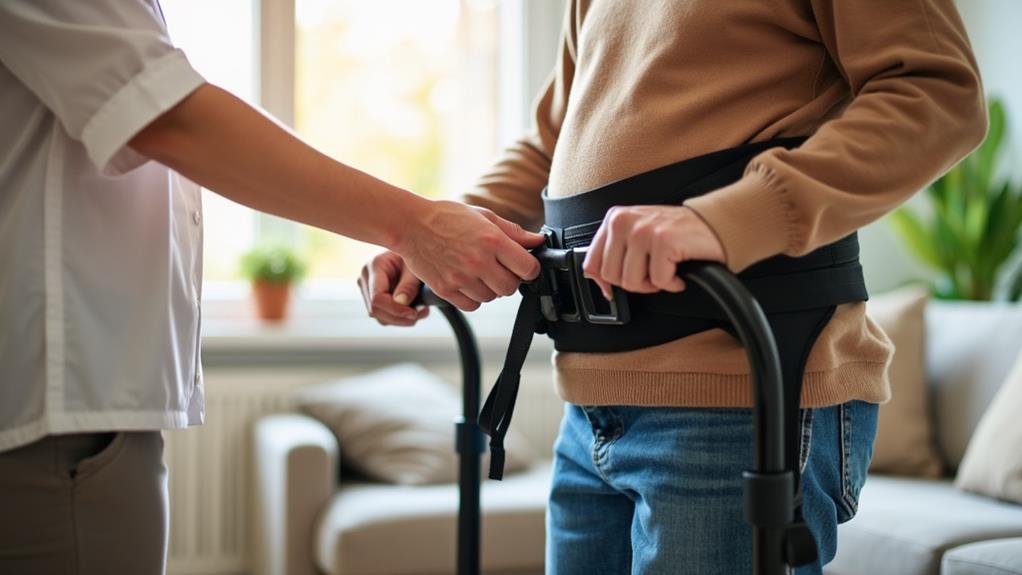
Proper use of a gait belt is crucial in elderly care. Follow these steps to ensure safe and effective assistance:
- Position the belt: Place the gait belt around the patient's waist over their clothing.
- Secure the buckle: Thread the belt through the buckle teeth and use the built-in loops to lock it securely.
- Check the fit: Leave enough space for two fingers to fit comfortably underneath the belt. This ensures necessary support without restricting breathing.
- Encourage patient participation: Ask the patient to use their arms to push down while you firmly grip the belt to assist with standing or moving.
- Use proper body mechanics: Engage your legs and arms, and avoid twisting motions to prevent injury during transfers.
Care Agreement
A care agreement is essential to ensure that both the patient and caregiver are aligned regarding the use of gait belts and other mobility aids. This agreement honors the patient's autonomy, allowing them to actively participate in decisions about their care. As a caregiver, you must ensure the patient understands their health conditions, the purpose of the gait belt, and how it aids mobility.
Encourage the patient to discuss various treatment options with their healthcare provider. This promotes an environment where informed consent is prioritized. Providing educational materials about gait belts can further enhance understanding but should complement, not replace, professional medical advice.
It is crucial to recognize that the patient has the right to refuse treatments, including the use of a gait belt. Always respect their decisions and maintain open communication to address any concerns they might have.
Creating a care agreement that includes these elements ensures transparency and trust between you and the patient. It empowers them while providing you with clear guidelines to follow, leading to more effective and compassionate care.
Additional Information
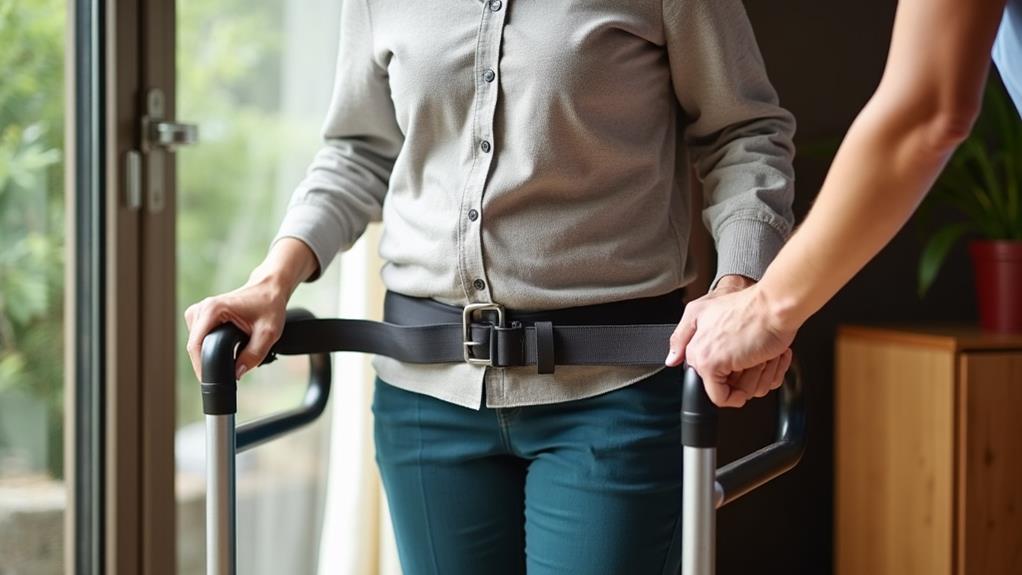
Gait belts are essential safety devices that significantly enhance elderly care by aiding mobility, preventing falls, and providing support during transfers. Proper use of a gait belt can also reduce the risk of back injuries for caregivers by promoting proper body mechanics.
When selecting a gait belt, consider its weight-bearing capacity and material. Gait belts are available in materials such as canvas, nylon, and leather, with widths ranging from 1½ to 4 inches and lengths from 54 to 60 inches. Consulting with a healthcare provider can help you choose the most suitable gait belt based on the patient's specific needs and mobility requirements.
Key points to remember:
- Consultation: Always consult with a healthcare provider to choose the right gait belt for the patient's needs.
- Proper Fit: Ensure the gait belt is fastened snugly around the patient's waist over clothing, allowing finger space underneath for comfort and security.
- Materials and Sizes: Select from various materials and sizes based on the patient's weight-bearing capacity and comfort.
- Environment: Gait belts are commonly used in nursing homes, hospitals, and home care settings.