Nurturing Soft Fruits for a Rewarding Garden
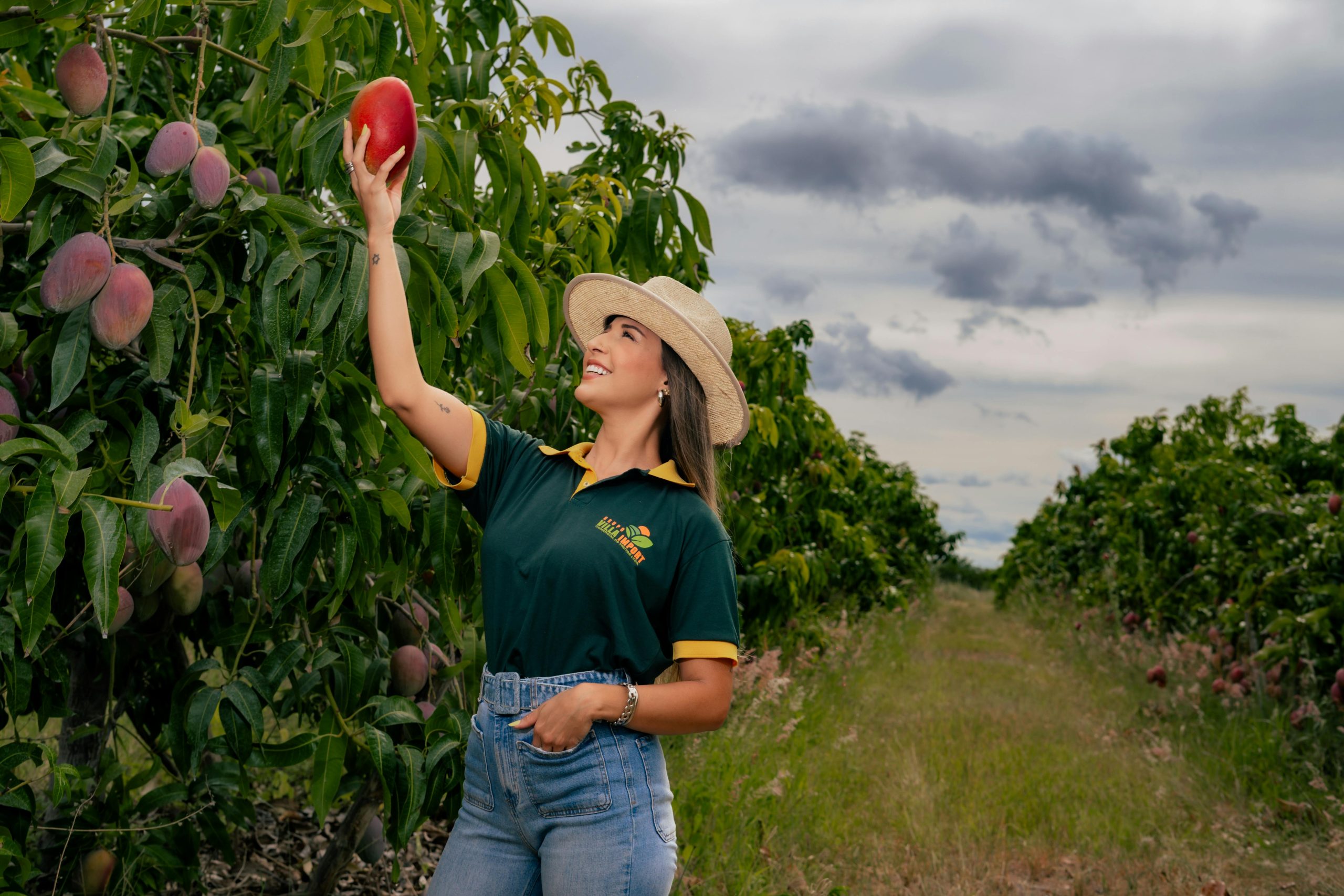
People appreciate the chance to harvest juicy berries, grapes, or plums straight from their own land rather than relying on supermarket produce. This sense of accomplishment, combined with the delight of a fresh harvest, continues to encourage gardeners to explore different varieties of soft fruit, as well as other options such as apple, pear, or cherry trees. Whether you are new to horticulture or hoping to expand your existing garden, there are plenty of reasons to develop your patch of land into a flourishing haven of raspberries, currants, and gooseberries. Alongside these soft-fruit favourites, more substantial choices exist, and gardeners often discover there are many fruit trees for sale that complement their ambitions.
According to a nursery specialist at ChrisBowers, paying attention to soil acidity and ensuring each plant receives ample sunlight are two of the most important steps to achieving a successful soft-fruit harvest. If either is overlooked, fruit quality and yield can suffer. For more guidance on how to cultivate soft fruits, good preparation and an understanding of each variety’s needs are key for long-term prosperity.
Below, this article offers a factual overview of soft-fruit cultivation, along with considerations for caring for various fruit-bearing plants. Although the practical steps outlined here can appear simple, consistent effort, observation, and a willingness to adapt your gardening approach are often the real foundations of success. With the right management, a home-grown harvest of soft fruits and orchard favourites can quickly become an annual highlight, bringing with it both nutritional benefits and a sense of accomplishment.
The Significance of Soft Fruit in British Gardens
Soft fruits such as strawberries, raspberries, blackberries, currants, and gooseberries have been part of British gardening traditions for centuries. These plants tend to be more compact than tree fruit and produce their harvest more quickly, often in the same year or the following season. The relative speed of payoff is one reason so many newcomers to gardening start with soft fruits. Another is that these crops generally do not require extensive orchard space, making them suitable for smaller gardens or even allotments.
Historically, soft fruits served as key elements in traditional British cooking, featuring in everything from preserves and desserts to sauces and beverages. Growing soft fruit at home has always been a practical way to ensure a fresh supply of highly nutritious produce. Strawberries and raspberries, for instance, require minimal care once properly established and regularly pruned. This manageable upkeep is appealing, as the plants, when tended well, can continue delivering delicious fruit year after year.
Considering Space and Garden Layout
Before deciding which soft fruits to plant, think about the available space in your garden. Different plants have varying spreading habits, growth forms, and support needs. Raspberries, for example, send out canes that can become tall and may require staking. Blackberries can be even more vigorous and need trellis training to keep growth in check. In contrast, strawberries remain relatively low but, given the right conditions, can multiply through runners. Gooseberries and currants form shrub-like plants that occupy a definite space, sometimes requiring a small cage for netting against birds.
Another consideration is sunlight exposure. While a handful of soft fruits tolerate partial shade (blackcurrants are generally more tolerant of limited light), most appreciate at least six hours of full sun daily to ensure the production of sweet, well-formed berries. Gardens that receive morning sun can help reduce disease risk by drying off morning dew quickly. This is a practical matter, as damp conditions encourage the spread of fungal spores and other pathogens.
Soil Preparation and Nutrient Management
Soil health lies at the core of soft-fruit cultivation. In areas prone to heavy rainfall, gardeners need to ensure good drainage to prevent waterlogging that can rot roots. Raised beds or ridges are commonly used for moisture control in wetter regions. On the other hand, gardens in drier parts of the country must look to retain moisture and supply extra irrigation during dry spells. Organic matter, such as compost or well-rotted manure, is invaluable in building healthy soil that can both drain effectively and hold enough water to sustain root growth.
The pH level of the soil also influences success. Most soft fruits, with the exception of blueberries, thrive in slightly acidic to neutral soils. Blueberries demand a more acidic environment (pH around 4.5 to 5.5), which means many gardeners grow them in containers with ericaceous compost if their native soil is not suitably acidic. Conducting a soil test before planting can prevent frustrations further down the line. Simple test kits are widely available, and they help determine pH and nutrient status, indicating whether you need to adjust the soil or apply specific fertilisers.
Selecting the Right Varieties
Variety choice is crucial when aiming for a bountiful soft-fruit garden. Strawberries, for instance, come in three main types: June-bearing, everbearing, and alpine. June-bearing plants produce a heavy flush in early to mid-summer, while everbearing varieties crop multiple times throughout the growing season. Alpine strawberries are smaller in fruit size but deliver a unique, aromatic flavour. Raspberries are also split into two main types: summer-fruiting and autumn-fruiting. Summer-fruiting raspberries typically bear fruit in June or July, while autumn-fruiters crop from late August to October.
With blackcurrants, gooseberries, and redcurrants, gardeners may prefer to choose cultivars bred for disease resistance, as these can reduce the risk of crop loss. A prime example is gooseberry varieties resistant to American gooseberry mildew, a common scourge that leads to stunted, mouldy fruits. Meanwhile, blackcurrants can fall victim to viral conditions such as reversion disease, so it is wise to pick modern cultivars that have shown good tolerance to these challenges.
Planting and Initial Care
When planting bare-root canes or bushes, timing is important. Autumn is generally the preferred planting season because the soil is still warm from the summer, meaning roots can begin to establish before winter arrives. If you purchase container-grown plants during spring or summer, you can plant them then, although it is often advisable to water them thoroughly and add mulch to maintain a stable moisture level until they become established.
Digging a hole that is wide and deep enough to accommodate the plant’s root system without cramping is a simple but often overlooked step. If the roots are too tightly packed, the plant may struggle to expand its system and access essential nutrients. If your soil is heavy clay, you might find it beneficial to break it up further and add compost. Conversely, if you are dealing with sandy soil, more organic matter helps improve the soil’s water retention.
Once planted, pay attention to watering habits. Overwatering can be as detrimental as failing to water enough, especially in poorly draining soil. For newly planted soft fruit, consistent but moderate watering is generally advised. Once established, many soft-fruit plants can withstand short dry spells, though yield can be compromised if you allow them to dry out completely.
Mulching Strategies
Mulch performs several valuable functions in a soft-fruit garden. It helps retain moisture in the soil, suppress weeds, and moderate soil temperature. Options for organic mulch include straw, bark chippings, and wood shavings, while some people use well-rotted manure or leaf mould. Straw is commonly placed around strawberries to keep ripening fruit clean and off the ground. For raspberries, a layer of bark chippings or wood shavings around the base of the canes can help reduce weed competition and maintain soil moisture.
You should be mindful of slugs and snails when mulching. These pests often find shelter beneath organic mulches, so keeping an eye on slug populations might be necessary. If pests become problematic, you could consider employing other strategies such as shallow cultivation or mechanical traps. However, the benefits of mulching frequently outweigh the downside of offering a potential hiding spot for garden critters.
Training and Pruning for Better Yields
Pruning soft-fruit plants can greatly influence the size, quality, and overall health of your harvest. Raspberries and blackberries require removal of spent canes after fruiting, while new canes are typically tied in to a support system to keep them upright. Summer-fruiting raspberries should have all old canes cut down to ground level once they have finished producing, making room for the new growth that will bear the following season’s crop. Autumn-fruiting raspberries fruit on new canes, so the usual approach is to cut back all canes to the ground in late winter, encouraging vigorous fresh stems when spring arrives.
Currant and gooseberry bushes also benefit from pruning to maintain an open centre. The goal is to allow sunlight and air to penetrate, reducing the likelihood of fungal diseases and promoting even ripening. Pruning in winter, when the plants are dormant, is most common, but a light summer pruning can also help shape the plant.
Strawberry plants are simpler in that only old foliage is usually removed after fruiting. Runners from healthy parent plants may be pinned down into pots of compost to form new plants, which can then be transplanted or used to replace older, less productive ones. Regularly refreshing your stock of strawberries is recommended because their yield declines significantly after about three years.
Dealing with Pests and Diseases
A variety of pests and diseases can affect soft fruits, so it is best to remain vigilant throughout the growing season. Birds are perhaps the most visible threat, particularly to ripening berries. Netting or fruit cages are a common solution. If you are using netting, ensure there are no gaps through which birds can become trapped. Some gardeners also choose to hang reflective materials or noise-making deterrents to dissuade persistent birds.
Small insects, such as aphids, can be controlled through natural means like encouraging ladybirds, which feed on them, or through targeted spraying with soapy water solutions. Sawfly larvae can ravage gooseberry leaves, so checking the undersides of leaves regularly is good practice. Powdery mildew and botrytis (grey mould) are two fungal diseases that appear in damp or over-crowded conditions, emphasising the importance of pruning, adequate air circulation, and removal of infected plant material.
Harvesting and Storing the Rewards
Timely harvest is crucial to capture the best flavour and texture of soft fruits. Strawberries develop their best taste when fully red, raspberries should slip easily off the receptacle, and gooseberries can be picked slightly under-ripe for cooking or left to sweeten on the bush for eating raw. Overripe fruit can quickly turn mushy, attracting pests and diseases, so picking regularly is advised.
Once harvested, many soft fruits are best enjoyed fresh or used in cooking, but proper storage can extend their shelf life by a few days. Berries keep longer in the fridge if they are spread out and not piled together. Freezing surplus fruit is another popular approach, especially for raspberries and blackcurrants, which freeze well and can be used later for jams, smoothies, or desserts.
Exploring Beyond the Basics
Many British gardeners are familiar with traditional favourites like strawberries, raspberries, and blackcurrants. Yet, the range of soft fruits available is far broader. Tayberries and loganberries, for instance, are hybrids of blackberries with raspberries that can offer unique taste experiences. Wineberries, native to East Asia, have a distinctive tang and bright red colour. Jostaberries, a cross between gooseberries and blackcurrants, promise a new flavour profile and some natural disease resistance to boot.
Adding less common soft fruits to your garden can be a fun project if you already have some experience with standard varieties. The principles of good soil health, adequate watering, and timely pruning remain the same, though you may have to look up specific details, such as the ideal pH or pruning methods for each variety. Cultivating more unusual types of soft fruit can also make your garden stand out and expose you to new flavours not often found in supermarkets.
Intercropping and Companion Planting
For those looking to maximise their space and improve overall yield, intercropping or companion planting can be beneficial. Shallow-rooted plants such as lettuce can sometimes be grown between rows of raspberries or currants to make use of unoccupied ground during early growth stages. Herbs like chives or marigolds can help deter certain pests. However, balancing the nutrient needs of different crops is critical; some companions compete heavily for resources like nitrogen or water.
Managing biodiversity is another route to a healthier ecosystem in the garden. Encouraging beneficial insects by planting pollinator-friendly flowers near soft-fruit rows can boost pollination rates and help reduce pest populations. Careful spacing and selection of companion plants lead to a more self-sustaining garden, although it requires an initial effort in planning and experimentation.
The Role of Pollination
Pollination is critical for fruit set in many plants, especially soft fruits. Strawberries typically self-pollinate, but insects such as bees help ensure better distribution of pollen, leading to more evenly shaped fruits. Raspberries and blackberries are also pollinated by insects, and having a good population of pollinators in your garden is enormously helpful in achieving full, abundant fruit clusters.
Gardeners can foster a pollinator-friendly environment by planting a range of flowering species that bloom at different times of the year. Early spring flowers can feed the first bees emerging from hibernation, while late-blooming varieties provide sustenance for pollinators before the colder months set in. Avoiding broad-spectrum pesticides helps maintain a healthy insect population, which benefits overall productivity.
Incorporating Fruit Trees Alongside Soft Fruits
While soft fruits are an excellent choice for quick rewards, fruit trees can complete the picture of a varied and productive garden. Apple trees are a classic option in Britain, offering numerous varieties suited to eating fresh or cooking. Pears, plums, and cherries also have their place. Including a few carefully chosen fruit trees can extend your harvest season and diversify the types of fruit you enjoy. Late-summer plums can follow the berry flush, and autumn apples or pears can carry your harvest well into the cooler months.
When thinking of planting fruit trees alongside soft fruits, consider the light requirements. Trees can cast shade, potentially limiting the growth of sun-loving soft fruits. If space is an issue, you might consider dwarf or cordon-trained fruit trees that occupy less ground area and cast less shadow. Many nurseries offer fruit trees for sale in dwarfing rootstocks specifically for smaller gardens. This approach allows you to combine the best of both worlds: ample soft fruits with the supplementary harvest of orchard favourites.
Water Conservation Methods
Given the variability of British weather, water conservation techniques can be very beneficial. Installing water butts to collect rainwater is a straightforward way to accumulate resources. Soft-fruit plants appreciate rainwater since it typically has a lower pH than tap water, which can be important if you live in a hard-water area. Drip irrigation systems or soaker hoses can reduce water waste by delivering moisture directly to the roots, and mulching continues to help maintain humidity in the root zone.
By carefully planning your watering schedule, you can avoid unnecessary runoff and evaporation. Early morning irrigation is generally more effective than midday watering, especially during hot spells. Evening watering can leave foliage damp overnight, inviting slugs or fungal diseases, so many gardeners prefer to water in the early morning. Such small steps go a long way in preserving the soil environment that soft fruits rely upon for strong growth.
Long-Term Maintenance and Renewal
Soft-fruit patches can produce for many years if they are properly maintained. However, plants like strawberries do decline in vigour with age, so renewing them every few years is standard. Raspberry canes, if pruned correctly, can remain productive for a decade or more, but eventually, you may notice declining yields. It might be wise at that point to establish a fresh raspberry bed in a different area of the garden to reduce the risk of soil-borne diseases.
If you are serious about long-term productivity, practising crop rotation can be beneficial. Moving your soft-fruit plots to new ground, or at least rotating annual crops around them, helps prevent disease and pest build-up. Keeping records of what you plant and how each crop performs can guide future decisions. Over time, these records can offer valuable insight into which plants thrive in particular microclimates of your garden.
Tackling Climate Variability
Climate variability, including unexpected frosts, heatwaves, or heavy rainfall, is an increasing challenge for British gardeners. Late frosts can damage blossoms on fruit bushes, leading to reduced or failed harvests, while prolonged wet weather can encourage fungal outbreaks. Being aware of local weather patterns and paying attention to forecasts can help you protect your plants.
In the event of a late frost, some gardeners cover vulnerable plants with horticultural fleece or cloches. Proper drainage is crucial for surviving heavy rains, and the presence of well-structured soil can mean the difference between a healthy root system and one struggling in waterlogged ground. Equally, planning for drought conditions, such as installing irrigation systems or employing more mulch, can safeguard your crops in times of low rainfall.
Incorporating Soft Fruit into Larger Landscapes
Not every gardener deals with a tiny back garden; some are fortunate enough to have enough land to establish a small orchard or fruit cage area. If you have the space, dedicating a specific section to soft fruits can help you manage them more effectively. Commercial fruit cages protect valuable crops from birds and can be built to a size that suits your needs. If you grow on a larger scale, adopting organic principles or integrated pest management strategies can create an environmentally friendly system that still yields generously.
With larger spaces, there is also the option of permaculture design, where soft fruits might be mixed in with other perennial plants to create a more natural, ecosystem-based approach. Bushes such as currants or gooseberries can serve as understory plants beneath taller fruit trees, replicating a forest garden environment. While this approach demands careful planning and knowledge, it can be rewarding in its emulation of natural processes that enhance biodiversity and reduce maintenance.
Embracing Seasonal Cycles
Gardening with soft fruits encourages an attunement to seasonal cycles. In late winter, pruning sets the stage for new growth, and early spring signals planting or dividing. As days lengthen, blossoms appear, and by early summer, the first strawberries or gooseberries may be ready to pick. Midsummer brings raspberries, redcurrants, and blackcurrants. By late summer to early autumn, blackberries and autumn-fruiting raspberries join the mix. This progression of fruiting times ensures variety in the kitchen and underscores the cyclical nature of horticulture.
Keeping a garden journal or simply making mental notes of when each crop is at its best helps plan your gardening tasks, from fertilising to pruning. In the depths of winter, you can reflect on what worked, which pests were troublesome, and how you might improve yields next season. These observations form the basis of gradual improvement, and over the years, your soft-fruit garden can evolve into a highly productive system that requires relatively little input aside from pruning, watering, and occasional feeding.
Conclusion
Soft fruits have long been a beloved component of British gardens. Their convenience, rewarding flavour, and ability to thrive in relatively small spaces make them an excellent choice for novices and experienced gardeners alike. With proper soil preparation, thoughtful variety selection, careful pruning, and vigilant pest management, it is entirely possible to secure impressive yields year after year. While any introduction to soft-fruit growing is incomplete without acknowledging the attention required—particularly around watering and pruning—the results typically justify the commitment.
By observing the fundamentals of location, soil health, plant care, and timely harvest, enthusiasts can establish a mini haven of vibrant berries ready to be enjoyed fresh, preserved, or baked into classic desserts. Adding a few well-chosen trees can broaden the harvest window and bring a new dimension to your gardening experience. There are numerous fruit trees for sale in dwarf or standard forms that integrate seamlessly with a bed or border of strawberries and currants. Over time, many gardeners discover that the synergy of soft fruits, fruit trees, and well-chosen companion plants fosters a dynamic and productive environment.
Adapting to changing climate conditions, staying vigilant for pests, and continually refining cultivation techniques all play a part in keeping a soft-fruit garden at its best. However, the pleasure of picking a bowl of fresh raspberries or a handful of strawberries on a sunny morning makes every bit of effort worthwhile. Whether you plan to focus solely on soft fruits or include them alongside apples, pears, and other orchard favourites, the path to a delicious harvest is open and awaiting your first steps. By following time-tested methods, learning from experienced nursery specialists, and staying patient, you will likely find that every season brings not only fresh fruit but also a deeper appreciation of the natural cycles in your own back garden.