Prevent Ingrown Toenails With These Proper Clipping Techniques
Ingrown toenails can be both painful and inconvenient, but proper clipping techniques can significantly reduce your risk. By trimming your toenails straight across and avoiding cuts that are too short, you can prevent them from growing into the surrounding skin. It's also essential to use sharp, clean clippers, as dull tools can leave jagged edges that contribute to the issue. Additionally, understanding the complete process and incorporating key preventive measures will help keep your toenails healthy and pain-free.
Ingrown Toenail Overview
Ingrown Toenail Overview
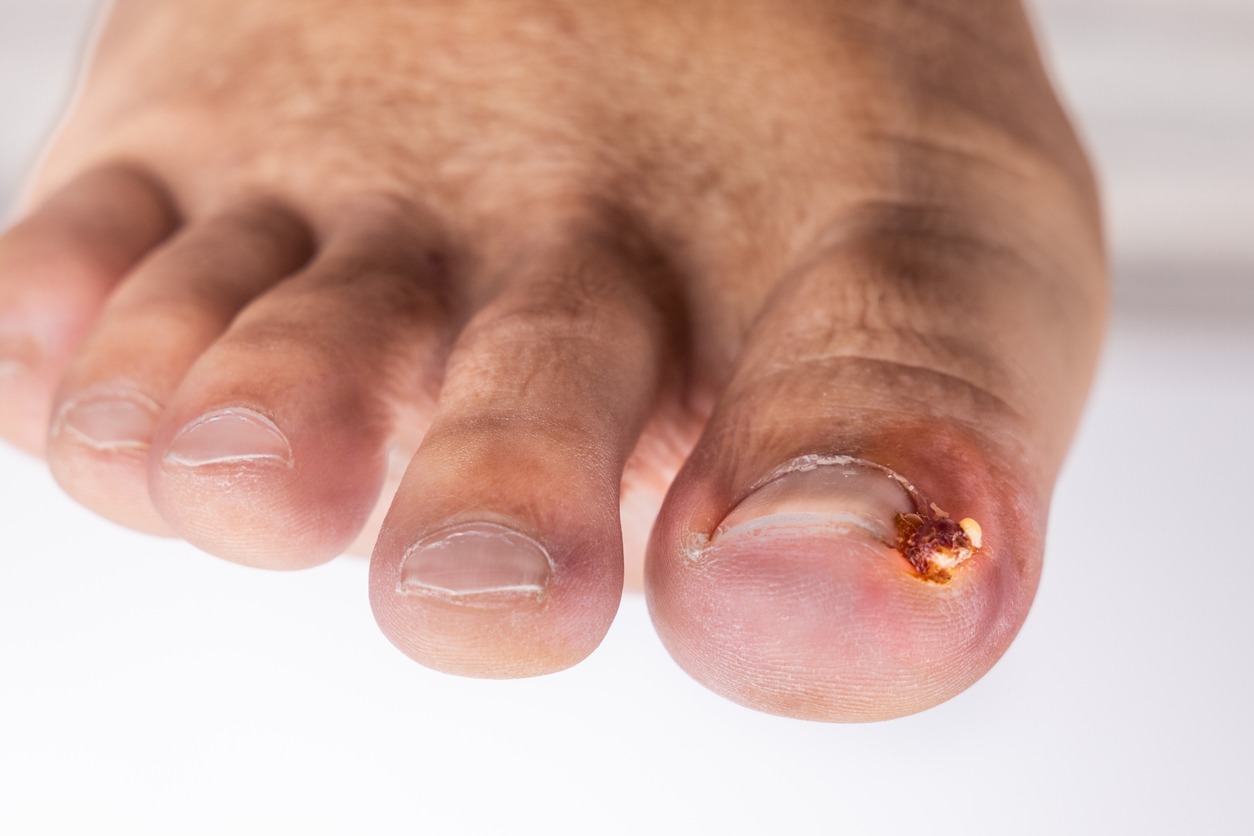
Ingrown toenails occur when the edges of your toenail grow into the surrounding skin, often resulting in pain and discomfort. This condition typically affects the big toe and can cause redness, swelling, and tenderness. Proper nail care is crucial for prevention.
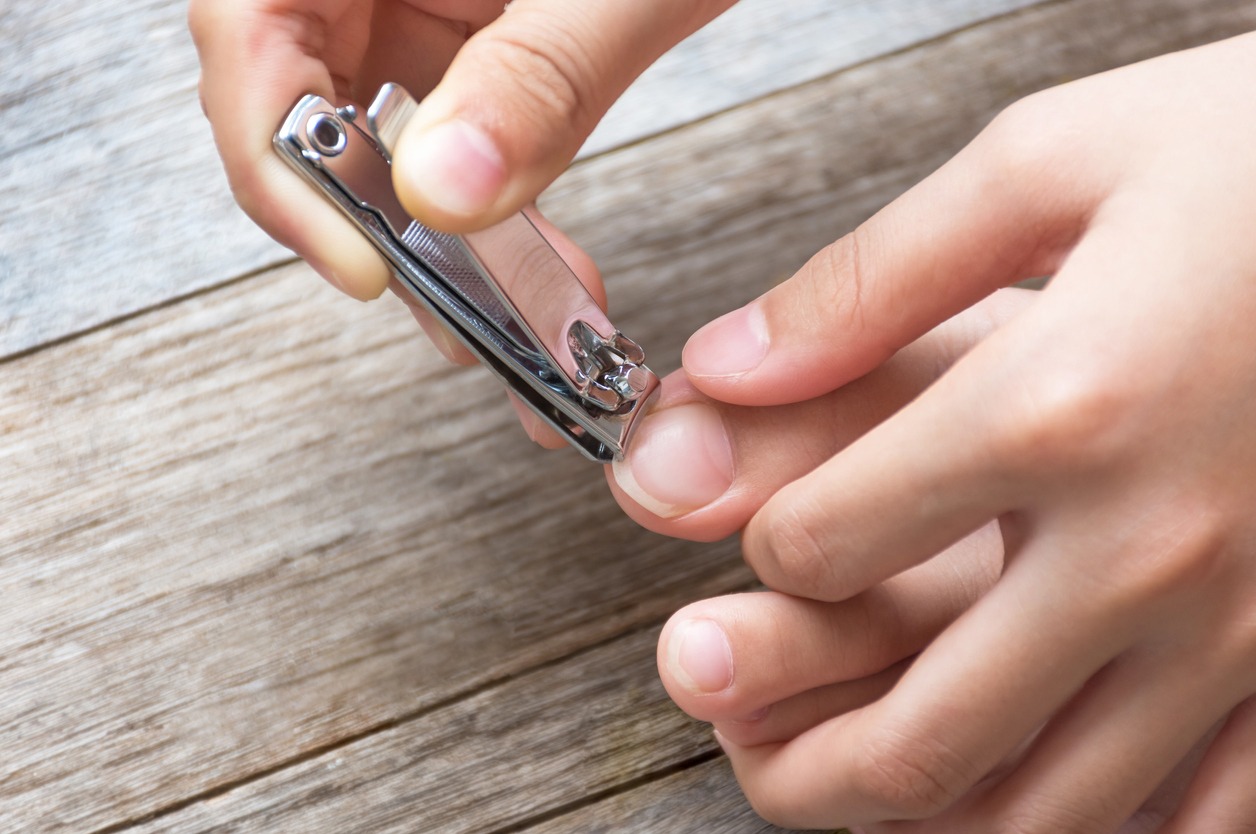
To prevent ingrown toenails, cut your toenails straight across rather than rounding the edges. This technique helps keep the nails from growing into the skin. Use clean, sharp nail clippers and avoid cutting the nails too short, as this can increase the risk of ingrowth. Leaving the corners of the nails slightly elevated above the skin can also help reduce the likelihood of developing an ingrown toenail.
Additionally, maintaining an appropriate nail length is essential. Overly long nails can press against your shoes, causing trauma and increasing the risk of ingrowth. By following these guidelines, you can significantly reduce your chances of developing an ingrown toenail and avoid related discomfort and complications. Prevention starts with proper nail trimming techniques.
Causes and Risk Factors
To prevent ingrown toenails, it's important to be aware of the common causes and risk factors. Wearing tight-fitting footwear can exert pressure on your nails, causing them to grow inward. Additionally, improper nail trimming techniques, such as cutting your nails too short or rounding the corners, significantly increase the risk.
Improper Nail Trimming
Improper toenail trimming, such as cutting them too short or rounding the corners, can lead to painful ingrown toenails by causing the nail to dig into the surrounding skin. When nails are trimmed incorrectly, jagged edges can result, increasing the risk of improper nail growth and subsequent ingrown toenails.
To prevent ingrown toenails, trim them straight across and avoid cutting them too short. Cutting toenails while they are wet can lead to uneven cuts, making them more prone to ingrowth as they dry and contract. Maintaining an appropriate nail length is crucial; the corners of your toenails should rest loosely against the skin rather than digging into it.
Individuals with genetic predispositions, such as thicker or curved toenails, are at a higher risk for ingrown toenails if proper trimming techniques are not used. By adhering to correct trimming practices, you can significantly reduce the likelihood of developing painful ingrown toenails.
Tight-Fitting Footwear
Wearing tight-fitting footwear frequently puts pressure on toenails, leading to painful ingrown toenails. Shoes that are too narrow or short force toes into a cramped position, increasing the risk of nail deformities. This constant pressure can cause toenails to dig into the surrounding skin, resulting in ingrown toenails.
High heels exacerbate this issue by altering the foot's natural positioning, placing extra stress on the toes. The raised angle pushes feet forward, cramming toes into the front of the shoes and increasing the likelihood of ingrown toenails. Even tight socks can contribute by creating friction and pressure around the toes, encouraging nails to grow inward.
For those with wider feet or bunions, finding properly fitting shoes can be particularly challenging. The additional width or deformity increases susceptibility to ingrown toenails, as ill-fitting shoes are often the only option. To prevent this, opt for footwear with a wide toe box and avoid high heels whenever possible. Properly cutting toenails straight across and keeping them at a moderate length can also help reduce the risk.
Proper Toenail Cutting
To prevent ingrown toenails, use sharp, clean clippers designed for toenails. Cut nails straight across and avoid trimming too short. Regularly inspect and trim them every four to six weeks to maintain a healthy length.
Use Correct Tools
Investing in the right tools is essential for proper toenail cutting to prevent ingrown toenails. Use sharp toenail clippers specifically designed for this purpose, as fingernail clippers can lead to uneven cuts and increase the risk of ingrown toenails. Opt for clippers with a slight curve to match the natural shape of your nails, ensuring a smooth cut that reduces the chances of nails growing into the surrounding skin.
Always clean your clippers before each use to minimize the risk of infection from bacteria on dirty tools. Avoid dull clippers, as they can tear your nails and create jagged edges, which are prime conditions for developing ingrown toenails. After cutting your nails, use a nail file to smooth out any sharp edges, further reducing the likelihood of improper nail growth.
Cut Nails Properly
Proper toenail trimming is essential to prevent ingrown toenails. Trim your nails straight across to avoid them growing into the surrounding skin. Avoid cutting them too short; leave a small portion of the white nail to reduce pressure from footwear and prevent the skin from curling around the nail.
Use clean, sharp nail clippers designed specifically for toenails to ensure smooth cuts and minimize the risk of tearing, which can lead to complications. Regular trimming every four to six weeks helps maintain proper nail length and prevents excessive growth that can result in ingrown nails.
Avoid rounding the corners of your nails excessively. While rounding edges might seem to prevent snagging, it encourages the nail to grow into the skin. By following these guidelines, you can effectively prevent ingrown toenails and keep your feet healthy and pain-free.
Essential Tools
Maintaining healthy feet requires the right tools, especially when it comes to preventing ingrown toenails. Essential tools for this task include high-quality toenail clippers designed specifically for toenails, as they are built to handle the thicker structure of toenails more effectively than fingernail clippers. Opt for sharp clippers with a slight curve that matches the natural shape of your nails. This design helps avoid tearing and promotes proper clipping techniques, reducing the risk of ingrown toenails.
Before trimming, ensure your clippers are clean to prevent introducing bacteria that could lead to infections. After clipping, use a nail file to smooth out any sharp edges, which helps prevent the nail from growing into the surrounding skin—a common cause of ingrown toenails.
Regularly check your clippers for dullness, as dull clippers can create jagged edges and increase the likelihood of developing ingrown toenails. By maintaining your tools in good condition, you ensure that each trimming session is both effective and safe, contributing to overall foot health.
Common Mistakes
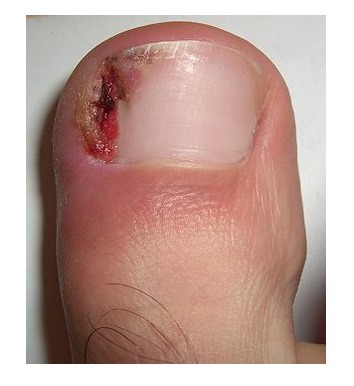
Avoiding common mistakes is essential in preventing ingrown toenails. One frequent mistake is cutting your toenails too short, which increases pressure on your toes and causes the skin to curl over the nail, leading to ingrowth.
Another common error is rounding the corners of your toenails excessively. This encourages the nail to grow into the surrounding skin, increasing the chances of developing an ingrown toenail. Instead, aim for a straight cut with slightly rounded edges.
Using improper tools, like fingernail clippers instead of specialized toenail clippers, can result in uneven cuts and jagged edges, promoting ingrowth. Always use the right tools to ensure a clean and even trim.
Trimming toenails when they're soft and wet, such as after a shower, can lead to tearing and create jagged edges that may grow into the skin. Finally, neglecting to regularly inspect and trim your toenails can allow them to grow too long, increasing the likelihood of injury and ingrown toenails. Regular maintenance is key to prevention.
Signs of Ingrown Toenails
Recognizing the early signs of an ingrown toenail can help you address the issue before it worsens. Initially, you may notice discomfort as the nail starts to penetrate the surrounding skin, leading to localized tenderness and pain when touching or putting pressure on the affected toe.
Visual cues include redness and swelling around the toenail, signaling potential inflammation and irritation. If not addressed, this can escalate, causing further complications. Additionally, discolored skin, especially a darker hue around the toe, may indicate a developing infection, particularly if there is drainage.
More severe indicators include the presence of pus and noticeable warmth around the nail area, suggesting an active infection that requires immediate medical attention. Persistent pain and swelling are also key signs that need prompt attention. Early recognition and swift action are crucial in managing these symptoms effectively, preventing severe infections and the need for more invasive treatments. Pay close attention to these signs to maintain your foot health.
Preventive Measures
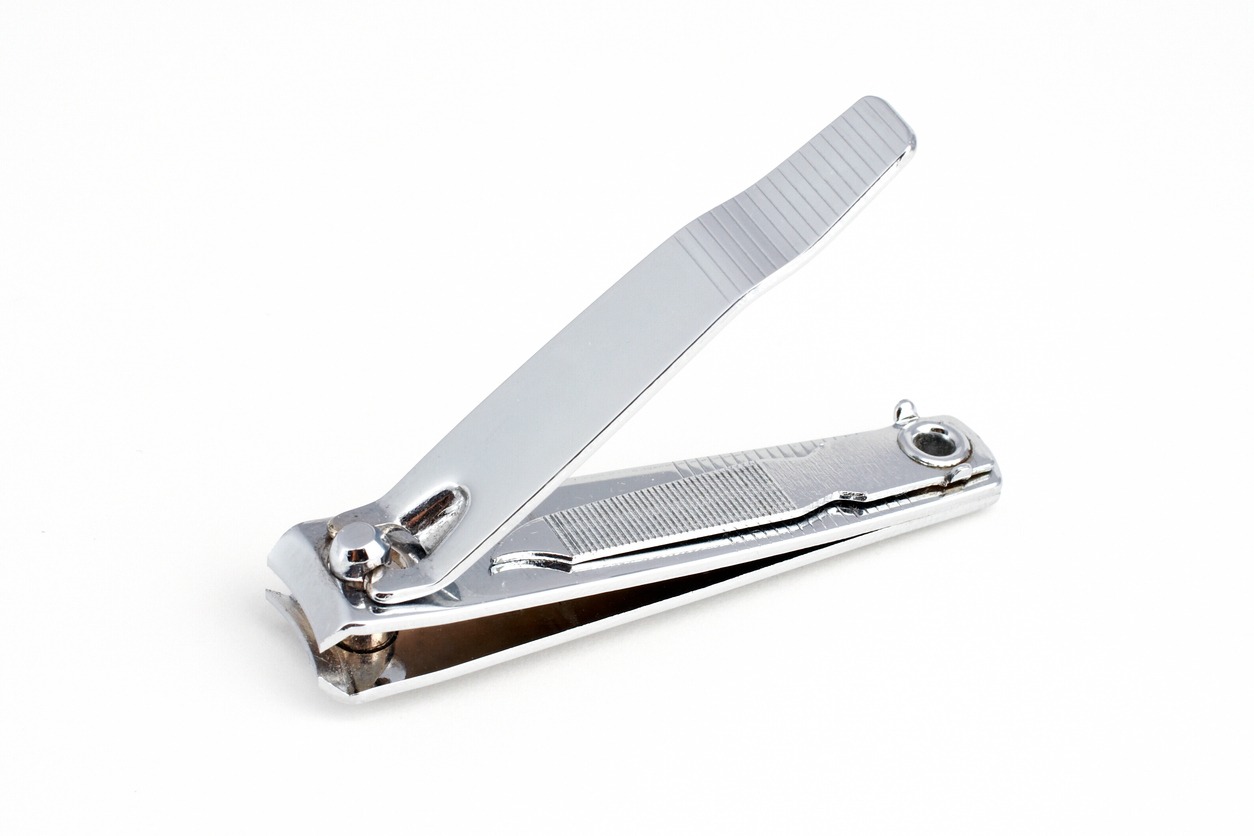
Preventing ingrown toenails requires adopting proper foot care habits and paying attention to how you trim your nails. To avoid ingrown toenails, trim your toenails every four to six weeks. Always cut them straight across to prevent downward growth and ensure the corners don't dig into the surrounding skin. Keeping the corners of your nails slightly above the skin prevents overly short cuts that can lead to ingrown toenails.
Using clean and sharp toenail clippers is essential for smooth cuts, preventing jagged edges that can promote ingrowth. Additionally, wearing well-fitting shoes that don't exert pressure on your toenails is important, as tight footwear is a common cause of ingrown toenails. Here's a quick reference table to help you remember these tips:
| Preventive Measure | Why It Helps |
|---|---|
| Trim toenails every 4-6 weeks | Prevents nails from becoming too long |
| Cut toenails straight across | Avoids downward growth |
| Maintain moderate nail length | Prevents corners from digging in |
| Use clean, sharp clippers | Provides smooth cuts |
| Wear well-fitting shoes | Reduces pressure on toenails |
When to See a Doctor
If you experience persistent redness, swelling, or tenderness around your toenail, it's important to consult a doctor. These symptoms could indicate an ingrown toenail, an uncomfortable condition that may require professional care. Don't wait until it worsens.
Additionally, if you notice drainage or pus from the affected area, seek immediate medical attention. This could be a sign of infection needing prompt treatment. Especially for individuals with diabetes or circulatory issues, even mild symptoms shouldn't be ignored. Your health condition makes you more susceptible to complications, so timely consultation is crucial.
The good news is that making an appointment is now more convenient. Many clinics offer online booking, saving you time and hassle. If home care measures fail to alleviate the pain or if it worsens, don't hesitate to see a doctor. They can provide effective treatment options to resolve the issue.
Regular foot check-ups with a podiatrist can also help you stay ahead of potential problems. High-risk individuals should consider this preventive measure to manage any toenail issues before they escalate. Prioritize your nail health to avoid unnecessary discomfort.
Additional Resources
To deepen your understanding of ingrown toenails and effective prevention strategies, explore these additional resources:
- InformedHealth.org: Start here for educational content on toenail care, including expert tips on proper clipping techniques to significantly reduce your risk of ingrown toenails.
- Cochrane Database and American Family Physician: These platforms provide extensive evidence-based research and insights into the best management and treatment options for ingrown toenails.
- PubMed: For the latest studies and articles on foot health, PubMed offers a wide array of scientific articles, including up-to-date research on ingrown toenails.