Signs It's Time for Assisted Living: What to Look For
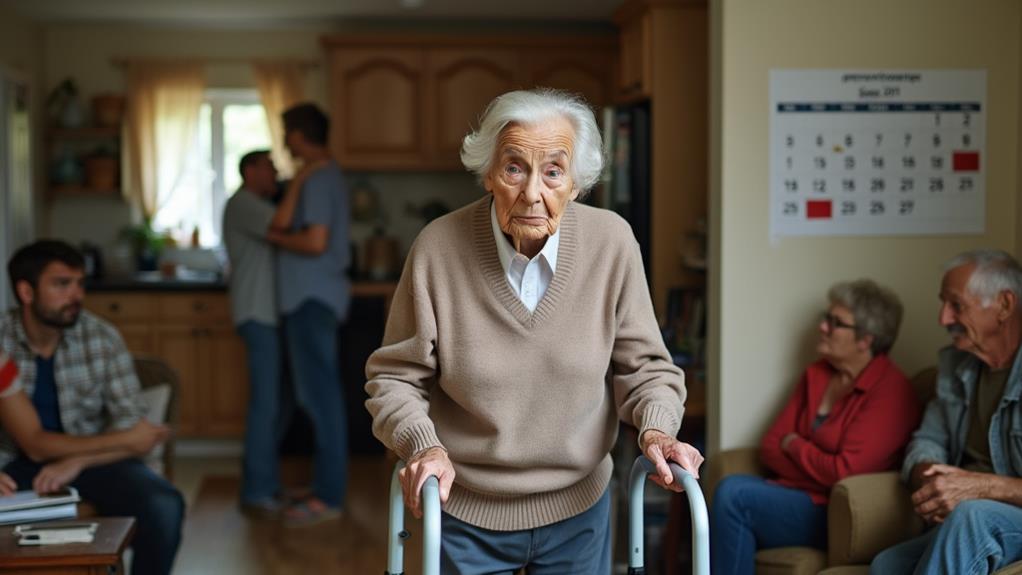
When your loved one struggles with daily activities and displays noticeable changes in health, hygiene, social engagement, and safety, it might be time to reflect on assisted living. Signs include difficulties with bathing, dressing, or meal preparation, poor personal hygiene, frequent falls, and social withdrawal. Watch for sudden weight loss, unkempt appearance, increased forgetfulness, and missed appointments. These indicators suggest they need more structured support to guarantee their well-being and maintain a better quality of life. If you're noticing these changes, you might want to investigate what assisted living can offer.
Declining Health
Recognizing the signs of declining health is vital for guaranteeing seniors receive the care they need. When your loved ones' health starts to deteriorate, it's imperative to identify the indicators that suggest it's time for assisted living. Many older adults face chronic health issues, with 80% having at least one chronic disease and 77% having two or more. These chronic conditions often lead to significant health decline, necessitating specialized care and assistance with daily living.
You might notice that your loved one is struggling with daily activities, such as bathing, dressing, or preparing meals. Mobility issues and increased fragility are also common signs that supplementary support is needed. If you observe sudden weight loss or other drastic changes in their physical condition, it could be a signal of underlying health problems that require prompt attention.
Moreover, memory care becomes increasingly significant as cognitive health declines. Partnering with trained caregivers in an assisted living setting can greatly improve the quality of life for seniors facing these challenges. Nearly 18 million older adults report needing help with daily tasks, emphasizing the widespread demand for such support. Keeping an eye on your loved ones' health and recognizing these signs guarantees they receive the appropriate care and assistance.
Changes in Hygiene
A noticeable decline in personal hygiene is often one of the initial signs that an elderly person may be struggling to care for themselves. You might observe changes in hygiene like body odor, unkempt hair, and dirty fingernails. These signs of self-neglect can be alarming and should prompt you to reflect on the overall wellbeing of your aging loved ones.
Self-neglect, defined as the inability to perform crucial self-care tasks, can manifest in multiple ways, including refusal of medications, considerable weight loss, and unsanitary living conditions. These factors not only indicate a decline in personal hygiene but also suggest potential health conditions that could worsen without proper hygiene management. Neglected personal care increases the risk of infections and emotional decline, exacerbating existing health issues.
It's critical to recognize these warning signs and contemplate the benefits of assisted living facilities. These facilities offer the necessary support for maintaining regular hygiene, which is especially important since over 80% of older adults have at least one chronic disease. Ensuring proper hygiene management can greatly enhance their quality of life and prevent further health complications. If you notice these changes, it might be time to investigate assisted living options for your loved ones.
Social Isolation

Social isolation, often exacerbated by factors like living alone or mobility issues, greatly impacts the well-being of older adults. When an older adult starts to withdraw from social activities and friendships, it can be a red flag for loneliness. This loneliness is not just a fleeting feeling; it's associated with cognitive decline and chronic diseases. Maintaining social connections is essential for their mental well-being and overall health.
Signs of social isolation might include poor nutrition, hoarding behavior, and neglect of personal care. These indicators often suggest that the person may need help. Roughly 18 million older adults report needing assistance with daily activities. This lack of support can further isolate them, creating a vicious cycle that affects their mental and physical health.
Community engagement and regular social interaction can dramatically improve an older adult's quality of life. AARP stresses the importance of these social connections for better health outcomes. If your loved one is showing signs of social isolation, it might be time to contemplate assisted living. These communities offer structured environments where older adults can engage in daily activities and build meaningful relationships, ensuring they don't face the dangers of loneliness and isolation alone.
Safety Concerns
While social isolation can greatly impact an older adult's health, safety concerns also play a vital role in determining the need for assisted living. If you're noticing frequent falls or difficulty with mobility, these are red flags that shouldn't be ignored. Every 11 seconds, an older adult is treated for a fall in emergency rooms, emphasizing the importance of addressing these safety concerns promptly.
Memory impairment can also raise considerable safety alarms. Seniors experiencing disorientation or forgetfulness are at a higher risk for falls and other accidents. Such issues may necessitate home modifications, but sometimes these aren't enough to guarantee their safety. In these cases, shifting to an assisted living facility can provide the necessary support and reduce these risks.
Assisted living facilities are equipped to handle these challenges effectively. They offer careful monitoring and support that can greatly mitigate the risks associated with falls and other safety issues. For seniors struggling with mobility or memory-related disorientation, the structured environment of assisted living can provide peace of mind for both them and their families. It's essential to recognize these signs early and take action to guarantee their well-being.
Daily Task Management

Managing daily tasks can become increasingly challenging for older adults, and this struggle often signals a need for extra support. When an aging loved one has difficulty managing daily tasks like cooking and cleaning, it's a clear sign they may require supplementary care. Nearly 18 million older adults report this struggle, and their reliance on convenience foods and neglect of grooming are indicators they're overwhelmed by daily responsibilities.
Forgetting medications and missing appointments are critical red flags, as these lapses can lead to serious health consequences. It's crucial to recognize these signs that it's time for more structured assistance. Struggles with yard work and home maintenance also suggest that a supportive living environment could be advantageous.
The stress of handling daily chores doesn't just affect seniors; it also impacts their caregivers. Support systems become increasingly significant to maintain well-being for everyone involved. Assisted living communities can offer help with daily activities and provide much-needed social interaction, reducing the isolation that often accompanies aging.
Noticing these signs can help you determine when your loved one's care needs have changed and when it's time to reflect on assisted living options.