The Benefits of Intergenerational Programs for the Elderly
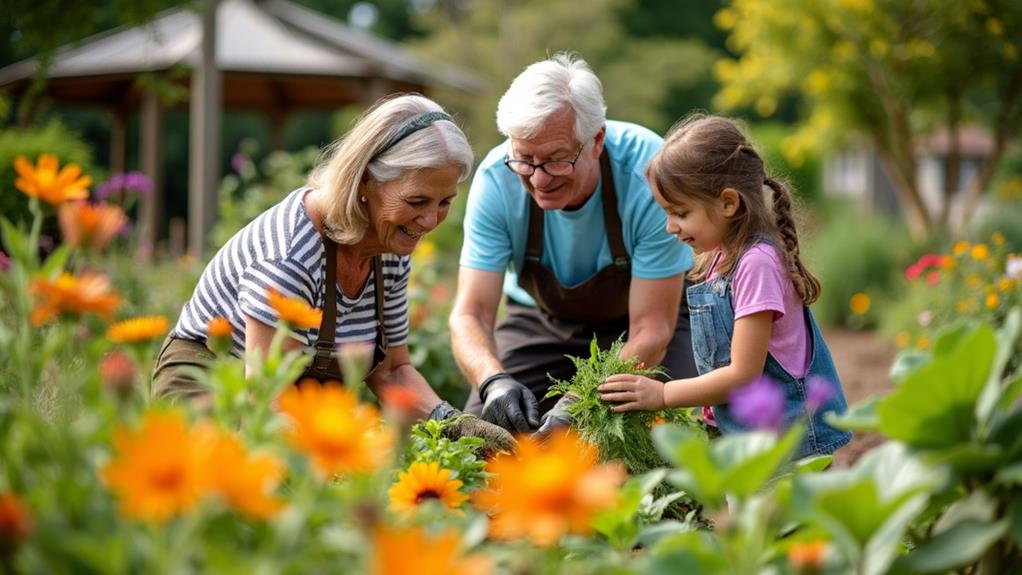
You'll find that intergenerational programs offer tremendous benefits for the elderly. These programs, involving structured activities with children, reduce feelings of isolation and loneliness while improving emotional well-being. You'll see increased physical activity, which helps manage chronic conditions and elevates overall fitness. Plus, teaching and mentoring children help older adults feel valued and uplift their self-esteem. Engaging in such stimulating events also sharpens memory and cognitive health. These connections foster a supportive community, enriching the lives of seniors. There's even more to uncover about how these interactions can positively impact the elderly's health and happiness.
Understanding Intergenerational Programs
Understanding intergenerational programs (IGPs) is key to appreciating their impact on both older adults and children. These programs create structured interactions between older adults over 60 and children between 5-12, promoting mutually beneficial relationships through shared activities. By participating in storytelling, arts and crafts, and game nights, both generations engage in meaningful exchanges that foster social cohesion and community engagement.
For older adults, IGPs offer an effective way to combat feelings of isolation and loneliness. Engaging in these activities provides mental stimulation, enhancing their emotional well-being and contributing to a higher quality of life. Children, on the other hand, benefit from the wisdom and experience of older adults, gaining valuable life skills and knowledge. This sharing of knowledge not only enriches the children's lives but also empowers the seniors, making them feel valued and significant.
Health and Well-Being
Participating in intergenerational programs greatly improves the health and well-being of older adults. When seniors engage in activities with young people, they experience a positive impact on their emotional well-being. Regular interactions reduce feelings of depression and loneliness, fostering a sense of purpose and life satisfaction. These meaningful relationships provide emotional support and a lively social life.
Engaging in intergenerational activities also raises physical activity levels. Research shows that older adults burn 20% more calories during active engagements, promoting better physical health. The interactions don't just keep them moving; they also keep their minds sharp. Teaching and storytelling opportunities with younger generations lead to improved memory function and cognitive health, offering valuable mental stimulation.
Moreover, the exchange of knowledge and skills between older adults and young people enriches both parties. Seniors feel valued and appreciated, which further improves their emotional well-being. This renewed sense of purpose contributes to their complete life satisfaction. By forming these intergenerational relationships, older adults not only improve their physical and mental health but also enrich their lives with meaningful connections and a stronger sense of community.
Boosting Self-Esteem

Engaging in intergenerational programs can greatly improve self-esteem among older adults. When seniors and youth come together, they learn from one another, creating a rich exchange of knowledge and experience. These interactions foster a sense of purpose and value in older adults' contributions to younger generations. By participating in meaningful activities, seniors often report higher life satisfaction and an improved sense of identity, counteracting feelings of loss associated with aging.
Mentorship plays a vital role in this dynamic. Older adults get the opportunity to impart wisdom and knowledge, which elevates their confidence and reinforces their self-worth within the community. Studies show that older adults who actively engage in intergenerational programs experience a significant increase in self-esteem. They feel more appreciated and valued by their younger counterparts, which is immensely rewarding.
The appreciation and positive feedback from youth further improve self-esteem for seniors. It's heartening for them to know that their life experiences and insights are respected and acknowledged. This mutual learning and respect between youth and seniors build a supportive community where everyone benefits, ultimately leading to better mental and emotional well-being for older adults.
Enhancing Physical Fitness
While improving self-esteem is a notable benefit of intergenerational programs, enhancing physical fitness is another essential advantage. Older adults participating in these programs experience a 20% increase in physical activity levels, which means they burn more calories during engaging activities. This increase in physical activity can greatly contribute to better physical health.
When you join intergenerational programs, you'll find that your reliance on mobility aids, such as canes, may decrease. Simple, enjoyable activities like nature walks or scavenger hunts not only help you achieve your fitness goals but also foster social connections with younger participants. This social interaction is fundamental in making physical activity feel more like fun than a chore.
Moreover, regular involvement in these programs helps you manage chronic conditions more effectively. Physical activities tailored to your abilities can lead to fewer falls and better mobility, which, in turn, can improve your performance on memory tests.
Improving Mental Health
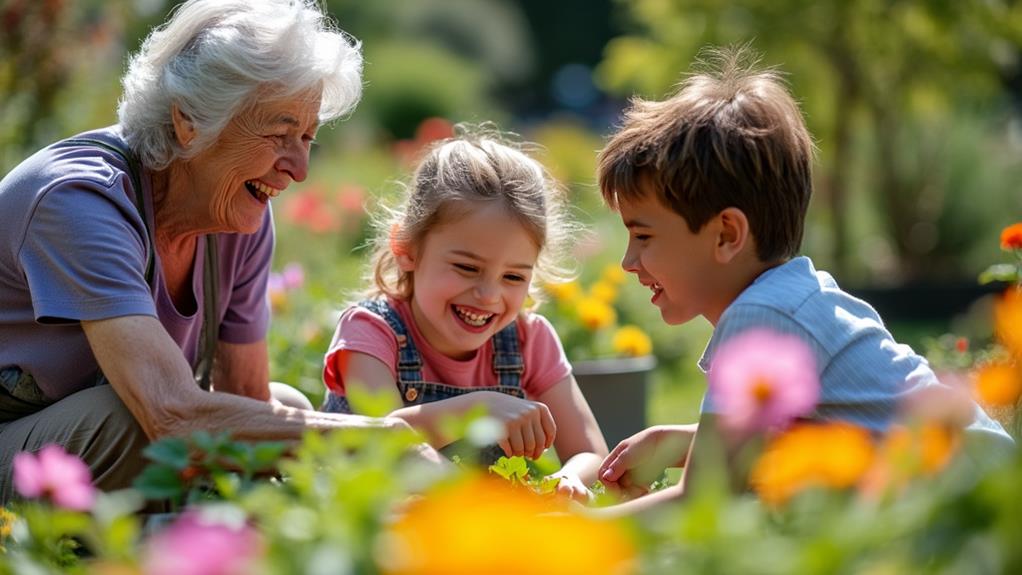
Intergenerational programs do wonders for your mental health. By engaging with young people, older adults can considerably improve their mental well-being. These interactions provide much-needed emotional support and combat feelings of isolation, which are common among older adults. The meaningful relationships fostered through intergenerational programming offer a renewed sense of purpose, making you feel valued and appreciated.
Participating in these programs can also elevate your cognitive function. Engaging in stimulating activities with younger generations helps keep your brain active and healthy, mitigating cognitive decline associated with aging. You'll find that these interactions not only keep your mind sharp but also promote better comprehensive brain health.
Moreover, regular involvement in intergenerational activities leads to increased life satisfaction and happiness. Older adults often report feeling more content and joyful after spending time with young people. The collaborative nature of these programs guarantees that you're not just a passive participant but an active, valued contributor, further improving your mental health.