The Evolution of Toenail Clippers: A Historical Perspective
Imagine living in ancient times, where trimming your toenails meant resorting to sharp stones or rudimentary knives. By the 10th century, the Chinese pioneered the first metal clippers, marking a significant leap forward. In the 19th century, inventors such as John H. Hollman and Eugene Heim made further advancements with steel and clamp-style designs. The advent of industrialization then made these tools widely accessible, revolutionizing personal hygiene practices. Curious about how these innovations have shaped modern toenail clippers and their cultural significance? There's much more to uncover about this everyday item.
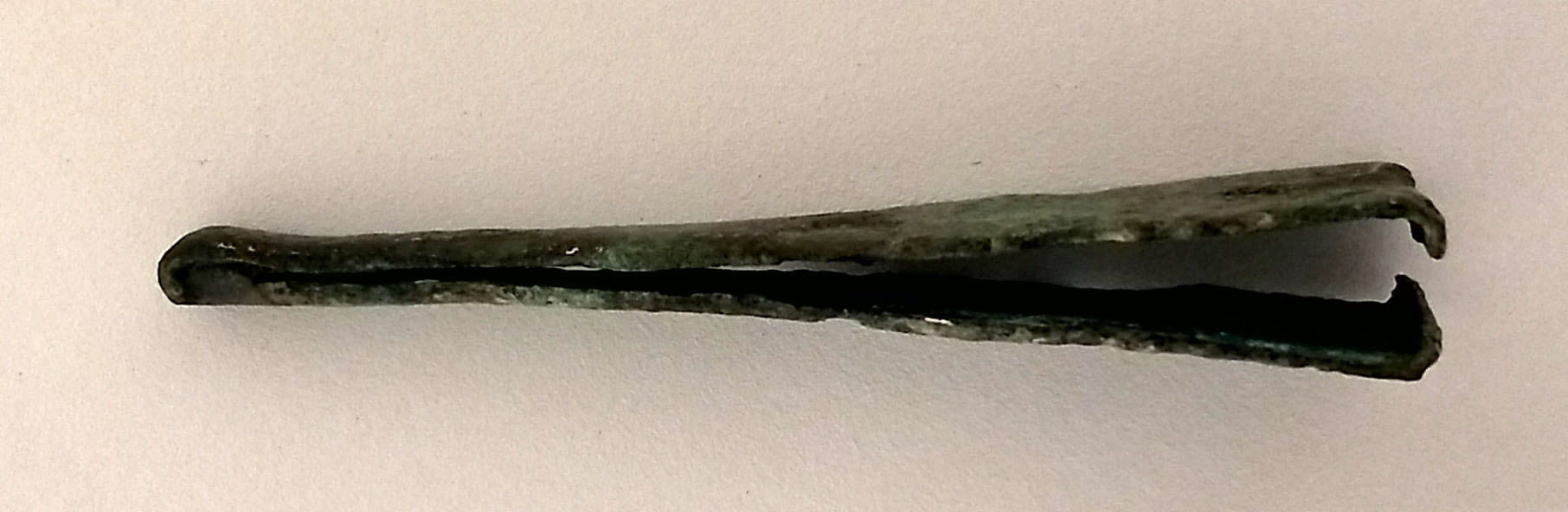
Photo: Roman nail clipper made of bronze, 3rd to 4th century AD.
Ancient Nail Care Practices
In ancient times, people used small knives or sharp objects to trim their nails, as modern nail clippers didn't exist. Nail trimming was a careful task and part of everyday life in different cultures. The ancient origins of nail care practices reveal a lot about the ingenuity and resourcefulness of early civilizations.
For instance, in the Ming Dynasty of China, long nails were symbols of beauty and social status. This led to specific grooming practices to maintain their appearance. Without modern nail clippers, people relied on manual methods. Historical records show that stones and rough surfaces were common tools to file and shape nails. This primitive yet effective approach underscores the dedication people had towards nail care even without advanced tools.
Early Nail Cutting Tools
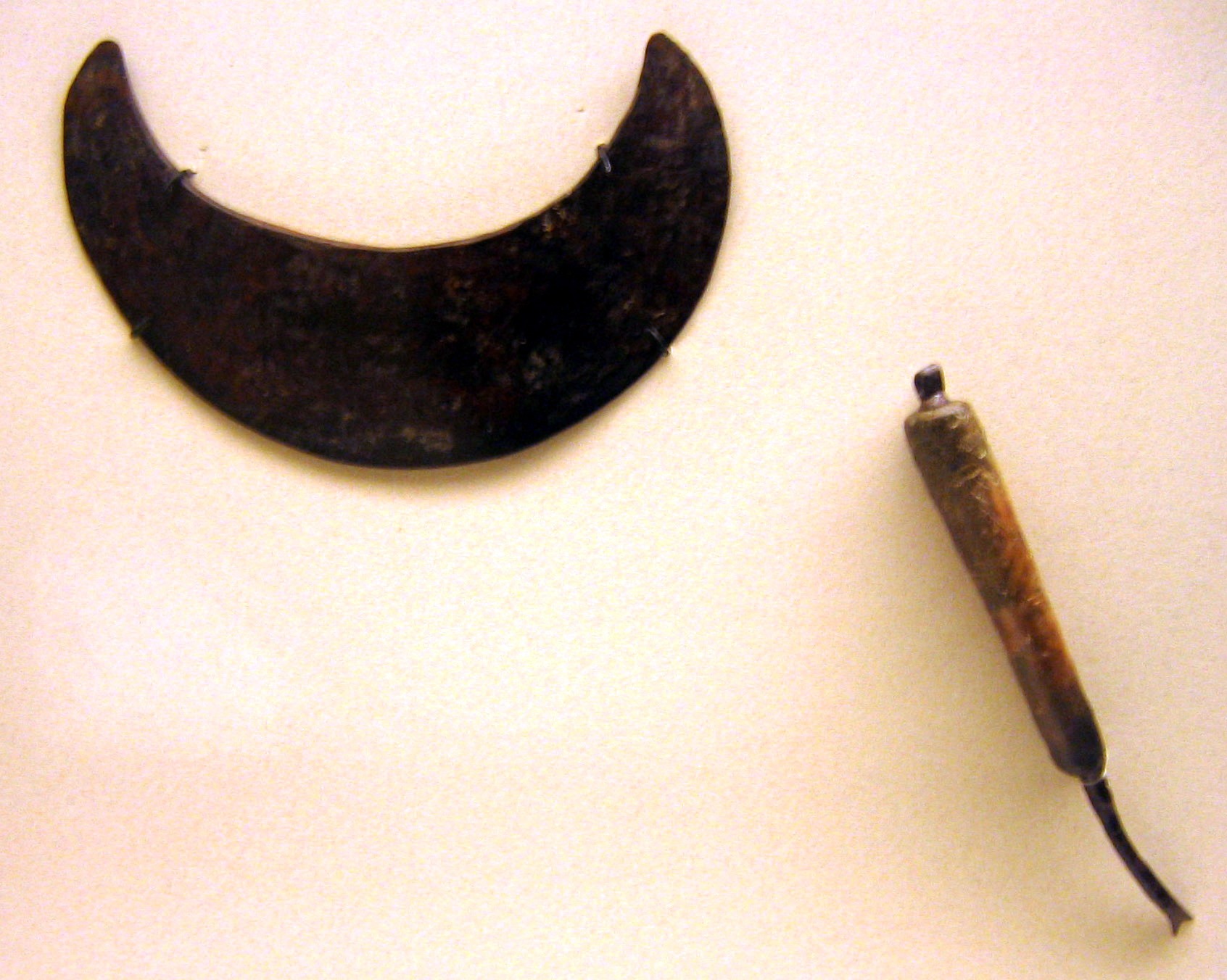
Early nail cutting tools were quite different from today's clippers. People used small knives and scissors for trimming nails, a practice known as 'paring.' These primitive instruments reflect the resourcefulness of ancient civilizations long before modern clippers were invented.
Ancient Trimming Techniques
Ancient civilizations utilized sharp stones, knives, and animal bones to trim their nails, establishing the foundation for more advanced tools. Before the advent of nail clippers, these rudimentary instruments were essential for nail care, despite being tedious and risky. These early methods paved the way for modern nail grooming tools, including basic versions of nail files to smooth rough edges after trimming.
Nail trimming practices date back to as early as the 8th century BC, as referenced in Deuteronomy, highlighting the long-standing concern for nail care. Although ancient tools lacked the efficiency and hygiene of contemporary nail clippers, they served their purpose effectively. By the 10th century in China, metal nail clippers resembling plier-type designs with two metal blades emerged, significantly improving trimming efficiency.
In 13th century Europe, nail trimming tools gained popularity among the aristocracy and clergy, who primarily used small knives or scissors for personal grooming. This period laid the groundwork for the sophisticated nail care tools we use today.
Primitive Cutting Instruments
Before the advent of modern nail clippers, early humans utilized sharp stones, knives, and animal bones to trim their nails. These primitive cutting instruments mark the inception of nail care, a practice that existed long before specialized tools were developed. The history of nail trimming is rich and can be traced back to ancient civilizations. The earliest recorded evidence appears in 8th century BC biblical texts, illustrating that nail care is an ancient and enduring practice.
| Time Period | Cutting Instruments | Notable Developments |
|---|---|---|
| Ancient Times | Sharp stones, animal bones | Earliest nail care practices |
| 8th Century BC | Knives | Initial recorded nail trimming |
| 10th Century | Metal clippers in China | Significant advancements in material |
| 13th Century | Scissors, small knives | Spread to Europe, used by the elite |
| 18th Century | Modern nail clippers | Emergence of specialized tools |
This timeline reflects the progression from rudimentary tools to more specialized instruments, highlighting the evolution of nail care throughout history.
First Metal Clippers
The introduction of metal nail clippers in China during the 10th century revolutionized nail care with their plier-like design and dual metal blades. This innovation provided a more precise and safer method for nail maintenance compared to the sharp objects or rudimentary tools previously used, marking a significant milestone in the history of personal grooming.
By the 13th century, the design had spread to Europe, where metal nail clippers became a symbol of refinement among the aristocracy and clergy. The ability to trim nails accurately and efficiently was highly valued, and these early clippers were considered a prized possession among the elite.
In 1770, a major advancement in nail clipper design emerged in England, featuring a single blade sliding along a groove, which simplified the process even further. The evolution of nail clippers continued when John H. Hollman was granted a patent in the United States in 1845. This solidified their status as essential tools in personal grooming, bridging the gap between ancient methods and modern nail care practices.
19th Century Innovations
Building on earlier advancements, the 20th century introduced pivotal innovations that transformed the toenail clipper into an essential grooming tool. The introduction of spring-loaded mechanisms in the 1920s significantly improved user comfort, enabling precise and effortless nail trimming. These enhancements quickly gained popularity, greatly improving the hygiene and grooming experience.
During this era, toenail clippers were designed with ergonomics in mind. Manufacturers began producing clippers tailored for various nail types and sizes, ensuring a suitable tool for everyone's specific needs. This marked a notable shift from the one-size-fits-all approach of earlier designs.
The widespread use of durable materials, such as stainless steel, ensured that toenail clippers were not only effective but also long-lasting. Consequently, nail clippers became indispensable items in personal grooming kits. By the end of the century, toenail clippers had evolved into highly specialized tools, reflecting the growing importance of personal hygiene and grooming standards in modern society.
Patent Milestones
How did the evolution of toenail clippers progress through key patent milestones that altered personal grooming tools? Let's explore some crucial moments that shaped the nail clippers we use today.
- John H. Hollman's 1845 Patent: This patent marked the advent of steel nail clippers, introducing a more durable material that set the foundation for future innovations in nail care tools.
- Valentine Fogerty's 1875 Patent: Known for his circular nail file, Fogerty's patent underscored the importance of specialized grooming tools, paving the way for subsequent advancements in nail care technology.
- Eugene Heim and Oelestin Matz's 1881 Patent: Heim and Matz revolutionized nail care with their clamp-style fingernail clipper, significantly enhancing the efficiency and ease of nail trimming, and establishing a new standard in personal grooming.
- 1920s Spring-Loaded Clippers: The introduction of spring-loaded mechanisms in the 1920s marked a pivotal development, improving user comfort and efficiency, and demonstrating that innovation in this field was ongoing.
Each of these patent milestones contributed to the evolution of nail clippers, ensuring they became more effective and user-friendly over time.
Industrialization Impact
Industrialization rapidly transformed the toenail clipper industry, making these essential grooming tools widely available and affordable to the general public. With the advent of mass production in the 19th century, toenail clippers were no longer exclusive to the wealthy. Technological advancements played a significant role in this transformation. The use of durable materials like steel during this period improved the longevity and effectiveness of toenail clippers, ensuring they could withstand frequent use without breaking or dulling.
In the 1920s, the introduction of spring-loaded mechanisms marked another leap forward in toenail clipper technology. These innovations made the clippers more efficient and easier to use, catering to a growing demand for reliable personal grooming tools. This period saw a surge in patent filings for different designs, reflecting the increased interest and innovation in nail care products. As hygiene and grooming standards evolved during industrialization, toenail clippers became essential tools in personal care routines. This shift highlighted changing societal attitudes towards nail grooming, making toenail clippers a staple in households worldwide. Industrialization not only made toenail clippers more available but also transformed their design and use.
Modern Design Improvements
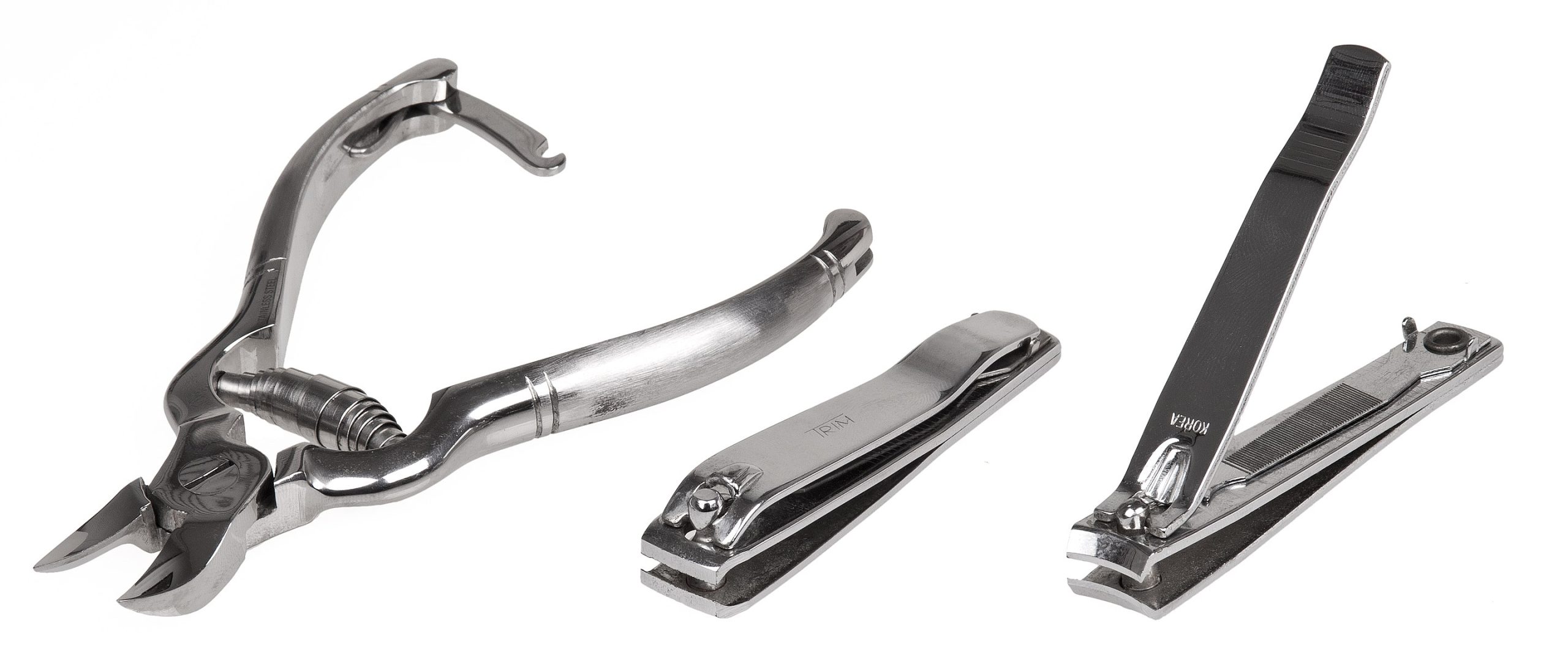
Toenail clippers have seen significant design improvements in recent years, enhancing both functionality and user comfort. Modern models incorporate ergonomic designs that make them easier and more comfortable to use. Essential features include wider jaw openings to accommodate thick or curved nails, ensuring hassle-free trimming.
Innovations such as contoured handles and non-slip pads offer better grip stability, providing more control and reducing the risk of slipping. Additionally, the use of high-quality materials, such as Japanese stainless steel, has increased the durability and performance of these tools, making them a long-lasting addition to your grooming kit.
Key features of modern toenail clippers include:
- Wider Jaw Openings: Accommodate various nail thicknesses and shapes, enhancing usability.
- Contoured Handles and Non-Slip Pads: Provide better grip and stability, minimizing accidental slips.
- Advanced Blade Technology: Sharp, slightly curved blades ensure clean cuts, reducing nail splitting.
- High-Quality Materials: Japanese stainless steel and other durable materials enhance longevity and performance.
These design improvements have made modern toenail clippers more efficient and user-friendly, addressing common issues found in older models.
Cultural Significance
Toenail clippers may seem mundane, but they play a role in highlighting societal values and social status through nail grooming rituals. In many cultures, well-groomed nails are a sign of cleanliness and self-respect, while long nails can signify beauty and high status. These practices reveal the cultural significance tied to the simple act of trimming nails.
Nail Grooming Rituals
Nail grooming rituals across diverse cultures not only emphasize personal hygiene but also reflect societal values and traditions deeply rooted in cultural beliefs and customs passed down through generations.
Consider these fascinating examples:
- Newborn Nail Trimming: In many cultures, trimming a newborn's nails is more than a safety measure. This ritual is believed to protect the child from harm, highlighting the importance of nail grooming in family traditions and child-rearing practices.
- Wedding Celebrations: Elaborate nail designs are often showcased during weddings. These intricate patterns not only enhance the bride's beauty but also symbolize cultural customs, reflecting the significant role of nail aesthetics in key life events.
- Annual Nail Health Rituals: Some cultures dedicate specific times of the year to nail health and beauty. These communal grooming practices underscore the shared expression of cultural identity and the collective nature of nail care traditions.
- Spiritual Beliefs: Clean and well-maintained nails are often thought to ward off negative energies. This spiritual significance links personal hygiene with cultural beliefs, making nail grooming a holistic practice in many traditions.
Understanding these nail grooming rituals enriches your appreciation of the diverse cultural beliefs surrounding nail care.
Symbolism and Social Status
Investigating the cultural significance of nail grooming reveals that well-maintained nails often symbolize cleanliness, self-care, and social status. Historically, nail care has reflected societal standards of hygiene and personal grooming across various cultures. For example, in ancient civilizations like Ming Dynasty China, long and elaborately decorated nails were associated with beauty and high social status among the elite.
Nail care rituals play a significant role in important life events, such as weddings, where intricate nail designs express cultural heritage and personal identity. In some societies, the maintenance and decoration of nails go beyond aesthetics to convey messages of strength, bravery, and social standing, underscoring their symbolic importance.
The following table illustrates the cultural aspects of nail care:
| Culture | Symbolism | Social Status Indicator |
|---|---|---|
| Ming Dynasty | Beauty, elite status | Long, decorated nails |
| Modern Weddings | Cultural heritage, identity | Intricate nail designs |
| Warrior Societies | Strength, bravery | Maintained, decorated nails |
| Contemporary | Cleanliness, self-care | Well-maintained nails |
The evolution of nail grooming practices throughout history mirrors shifts in cultural attitudes toward personal care. Modern interpretations continue to reflect the historical symbolism and significance of nail care.
Rituals and Traditions
Nail grooming rituals in many cultures transcend aesthetics, symbolizing care, protection, and spiritual well-being. Using nail clippers to trim your fingernails is a practice rich in tradition and cultural significance, reflecting deeper meanings and shared values within communities.
Consider these fascinating practices:
- Newborn Nail Trimming: In numerous societies, trimming a newborn's nails is seen as a protective act to ward off harm and ensure the child's well-being.
- Wedding Ceremonies: Elaborate nail designs are often a key part of wedding rituals, symbolizing beauty and social status. Brides may spend hours having intricate patterns applied to their nails.
- Annual Nail Care Rituals: Some cultures have yearly events focused on nail health and beauty, emphasizing well-groomed nails as markers of hygiene and identity.
- Communal Celebrations: During festivals and celebrations, communal nail painting events are common, highlighting the social aspect of nail care and strengthening community bonds.
Whether through the careful use of nail clippers or the communal joy of nail painting, these rituals underscore the profound importance of nail grooming in cultural traditions.
Modern Nail Clippers
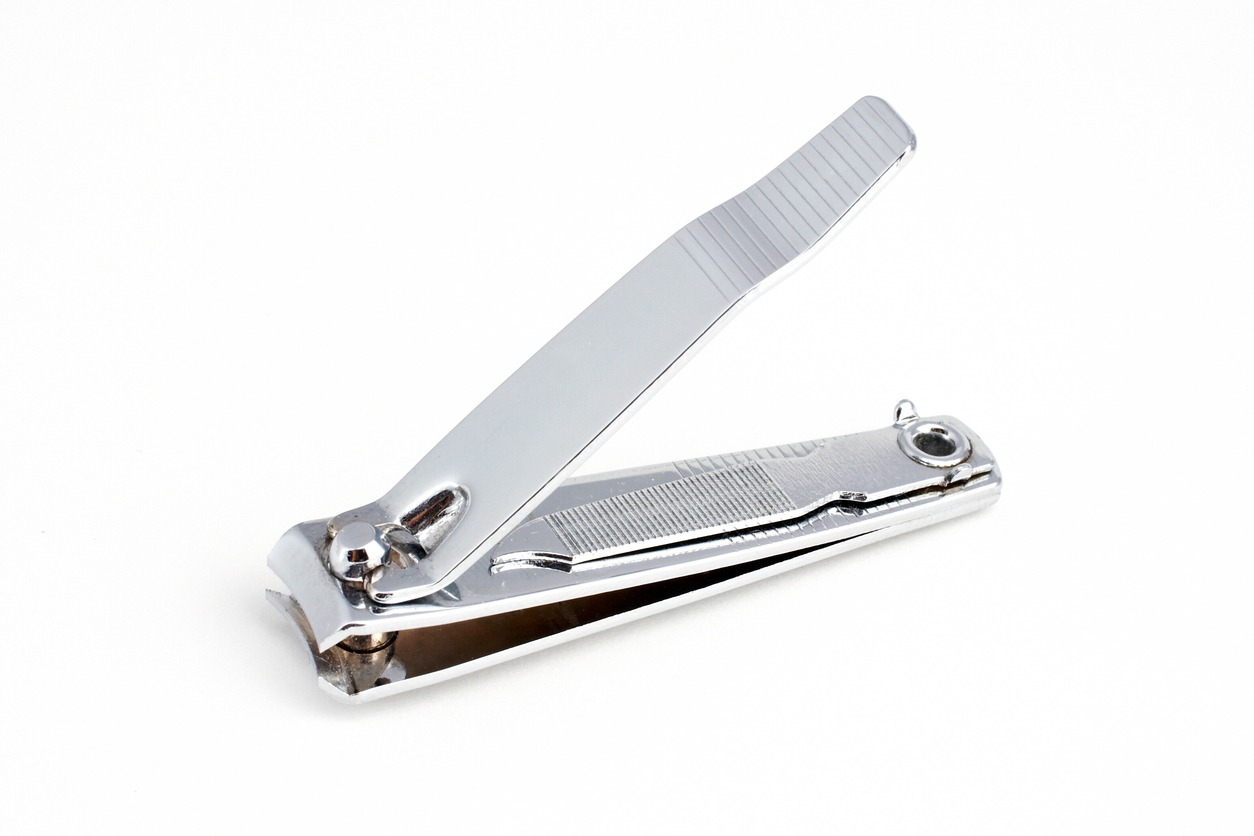
Modern nail clippers have significantly evolved since their inception, focusing on user comfort, efficiency, and specialized needs. Today's nail clippers are far more advanced than the simple blade-in-groove design first seen in 1770. With advancements in materials and technology, stainless steel has become the standard, providing durability and precision for both fingernail and toenail clippers.
Many modern nail clippers feature ergonomic designs that fit comfortably in your hand, reducing strain during use. Non-slip grips are common, giving you better control and preventing accidents. For those with thicker nails, updated designs now include larger jaw openings, making it easier to achieve a clean cut without excessive force.
Spring-loaded clippers, introduced in the 1920s, remain popular for their ease of use. These allow you to clip your nails with minimal hand strength, making nail care accessible to everyone. Whether you prefer plier-type or compound lever-type designs, there is a specialized tool to meet your grooming needs. Modern innovations ensure that you can maintain your nails efficiently and comfortably, reflecting ongoing advancements in personal grooming tools.