The Importance of Regular Toenail Clipping for Optimal Foot Health

Clipping your toenails may seem like a minor task, but it plays a crucial role in maintaining optimal foot health. Regular trimming helps prevent painful ingrown nails and reduces the risk of fungal infections, keeping your feet comfortable and hygienic. Maintaining an appropriate toenail length also helps avoid the discomfort caused by nails pressing against your shoes and can reduce foot odor. Establishing a routine every 6-8 weeks allows you to identify potential issues early. To incorporate this practice into your life, set reminders or align it with other routine activities to ensure you don't overlook this essential aspect of foot care.
Benefits of Regular Toenail Clipping
Regular toenail clipping is essential for preventing painful ingrown nails and potential medical complications. Keeping your toenails properly trimmed significantly enhances foot care. Ingrown toenails occur when the nail grows into the surrounding skin, causing pain and possibly requiring medical intervention if untreated. Regular trimming helps avoid this issue by ensuring your toenails remain at a manageable length and shape.
Consistent nail care also reduces the risk of fungal infections such as onychomycosis. Fungi thrive in warm, moist environments, and overgrown nails can create ideal conditions for these harmful microorganisms. By keeping your toenails short and clean, you reduce the likelihood of fungal growth.
Moreover, regular toenail trimming alleviates the discomfort caused by nails pressing against your shoes, improving overall foot comfort during daily activities. Proper foot health goes beyond avoiding pain; it also promotes better hygiene. Long, untrimmed nails can lead to foot odor and other hygiene issues. By establishing a regular clipping schedule every 6-8 weeks, you support overall health and wellness, ensuring your feet remain in optimal condition.
Preparing for Toenail Trimming
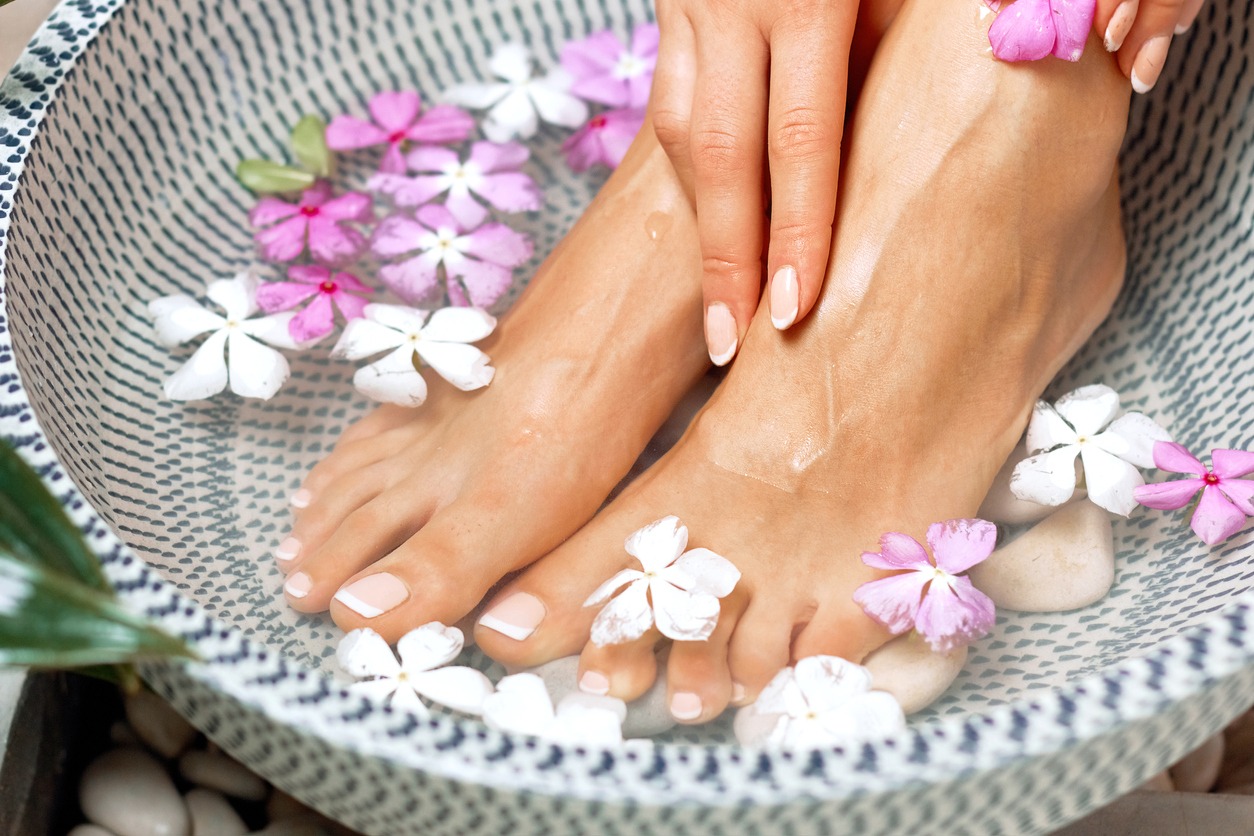
Start by washing and soaking your feet in warm, soapy water for about 10 minutes to soften the nails, making them easier to trim and reducing the risk of splitting. After soaking, thoroughly dry your feet to prevent slipping and potential injury during the trimming process.
Next, prepare your tools. Use a clean, sterilized pair of nail clippers or manicure scissors specifically designed for toenails. Using the right tools ensures a safe and effective trim, minimizing the risk of accidental cuts. Always disinfect your clippers before and after use with isopropyl alcohol to prevent the spread of bacteria and infection.
Set up a comfortable and well-lit workspace. Good lighting is crucial for precise trimming and helps you avoid cutting too close to the skin. Make sure you're sitting comfortably to maintain a steady hand while trimming.
These steps are essential for proper foot care. Clean feet and sterilized tools prevent infections and maintain foot health. Proper preparation makes the process smoother and ensures your feet stay healthy and well-maintained.
Essential Tools for Toenail Care
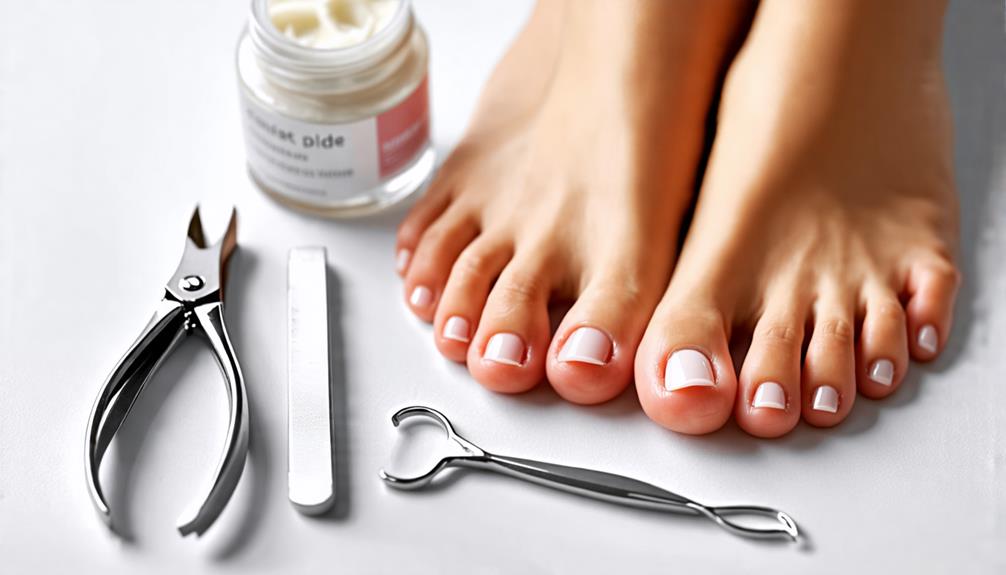
To ensure effective and safe toenail care, you'll need a few essential tools that facilitate the process. Firstly, a clean pair of nail clippers specifically designed for toenails is fundamental. These clippers help you trim your toenails correctly, avoiding jagged edges that could lead to discomfort or injury. After trimming, a nail file is indispensable for smoothing out any rough edges, ensuring they don't snag on socks or shoes.
A magnifying glass can be incredibly useful, particularly if you have impaired vision. It allows you to see your toenails clearly, ensuring precise trimming. Always remember to disinfect your nail clippers with isopropyl alcohol before and after each use. This step is crucial for proper foot care, as it helps prevent the spread of bacteria and infections.
Creating a comfortable, well-lit workspace can also greatly improve your toenail care routine. Good lighting and a comfortable setting ensure you can focus on the task at hand, promoting healthy feet. By using these essential tools, you're setting yourself up for successful toenail care, keeping your feet in excellent condition.
Proper Toenail Trimming Techniques
Start by soaking your feet in warm, soapy water for about 10 minutes to soften the toenails, making them easier to trim and reducing the risk of splitting. Once your nails are soft, follow these proper toenail trimming techniques to maintain healthy feet and avoid common issues.
- Trim Straight Across: Always cut toenails straight across rather than in a curved shape. This helps prevent ingrown nails, which can be painful and lead to infections.
- Leave a Margin: When cutting your toenails, leave a small margin of white nail at the tip. Avoid cutting too short to prevent discomfort and potential injury.
- Smooth Rough Edges: After trimming, use a nail file to smooth any rough edges. Work in one direction to prevent damage to the nail and ensure a clean finish.
- Inspect Regularly: Regularly inspect your toenails for any abnormalities before and after trimming. Early detection of issues can prevent complications and keep your feet in top condition.
Summary Checklist:
- Soak feet in warm, soapy water for 10 minutes.
- Trim toenails straight across.
- Leave a small margin of white nail.
- Use a nail file to smooth any rough edges.
Maintaining Toenail Health
Maintaining toenail health is crucial for preventing painful complications and promoting overall foot hygiene. Regularly clipping your toenails using proper techniques can prevent issues such as ingrown nails and fungal infections. By adhering to an appropriate clipping schedule, you can keep your feet comfortable and healthy.
Proper Clipping Technique
Begin by soaking your feet in warm, soapy water for about 10 minutes to soften the toenails, making them easier to trim without causing splits or tears. Once softened, it's vital to trim your toenails properly to maintain optimal foot health. Always cut the nails straight across to prevent ingrown toenails, which can lead to painful and sometimes serious conditions. Leaving a small margin of white nail at the tip helps avoid cutting too short, reducing the risk of skin injury and discomfort.
After trimming, use a nail file to gently smooth any rough edges. This ensures clean, even surfaces that won't snag on socks or shoes, keeping your feet comfortable and free from unnecessary irritation. Regularly inspecting your toenails for abnormalities or signs of infection is also crucial. Doing so allows you to catch potential issues early and seek professional guidance if needed.
To summarize:
- Soak your feet in warm, soapy water for 10 minutes.
- Cut the nails straight across.
- Leave a small margin of white nail.
- Use a nail file to smooth rough edges.
- Regularly inspect for abnormalities or signs of infection.
This routine will help maintain healthy toenails and prevent common foot problems.
Preventing Nail Complications
Regular toenail clipping is essential to prevent complications such as ingrown nails and infections. Proper toenail care significantly reduces the risk of ingrown nails, which can be painful and may require medical intervention. Maintaining nail health is crucial for overall foot well-being. Routine trimming keeps nails at an optimal length, reducing the likelihood of them pressing against shoes and causing blisters or pressure sores.
Trimming toenails also helps prevent nail-related infections. Overgrown nails can harbor fungi and bacteria, leading to conditions like onychomycosis, which thrive in long, unkempt nails. This is particularly important for individuals with diabetes, as neglecting toenail care can lead to severe foot complications and increase the risk of serious infections.
Incorporating toenail care into your regular foot hygiene routine ensures that your feet remain healthy and free from odor. Aim to trim your toenails every 6-8 weeks to maintain the ideal length and prevent potential issues. By prioritizing toenail care, you take a proactive step toward maintaining excellent foot health and preventing complications.
Ideal Clipping Frequency
Trimming your toenails every 6-8 weeks is essential for maintaining a healthy length and preventing discomfort. Regular toenail trimming supports overall foot health and helps prevent issues such as ingrown toenails, which can lead to infections if not properly managed.
For individuals with specific foot conditions or thicker nails, trimming every 2-4 weeks may be necessary to ensure proper maintenance. Establishing a consistent toenail care routine is crucial for promoting comprehensive foot hygiene and reducing the risk of fungal infections.
Key Points to Remember:
- Trim toenails regularly to keep them at a manageable length.
- Prevent ingrown toenails by cutting straight across and avoiding rounded edges.
- Monitor nail growth to detect any changes indicating potential foot conditions.
- Maintain personal care habits to minimize the risk of fungal infections.
When to Seek Professional Help
Individuals should seek professional help for toenail care if they have diabetes, persistent pain, difficulty reaching their toes, discoloration, or fungal infections. Consulting a podiatrist ensures that these issues are managed correctly, preventing painful and problematic conditions such as ingrown nails.
Regular check-ups with a podiatrist can prevent complications and maintain optimal foot health. Here are specific conditions and the recommended actions:
| Condition | Action Required |
|---|---|
| Diabetes | Regular check-ups with a podiatrist |
| Persistent pain | Immediate consultation |
| Difficulty reaching toes | Professional trimming and care |
| Discoloration | Podiatrist evaluation |
| Fungal infections | Specialized treatment |
Ignoring these signs can lead to serious complications, especially for those with a history of foot problems. Your podiatrist provides personalized care, ensuring that any abnormalities are promptly and effectively managed. Regular visits not only keep your toenails in excellent shape but also help catch potential issues early. Taking these steps is vital for maintaining comprehensive foot health and preventing more severe problems down the line.