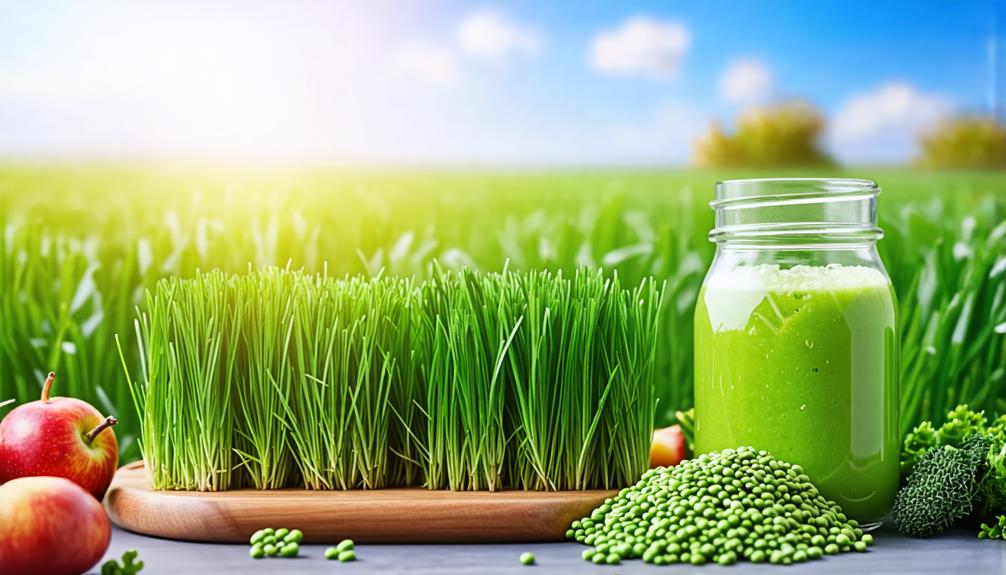
The Nutritional Profile of Wheatgrass: What’s Inside This Superfood?
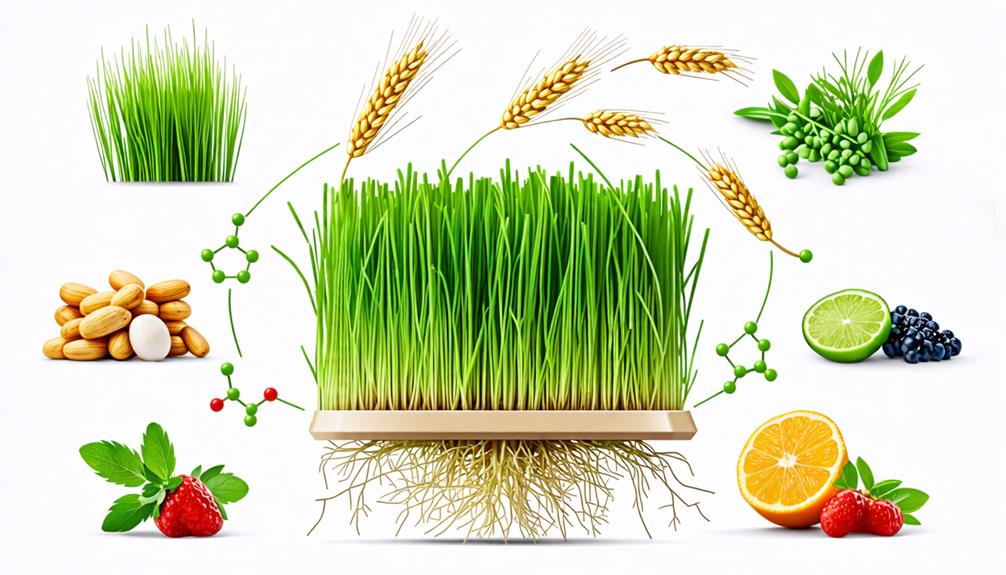
When you think of superfoods, wheatgrass might not be the first to come to mind, but its nutritional profile is impressive. Packed with essential vitamins such as A, C, E, and K, along with a variety of B vitamins, wheatgrass offers numerous health benefits. It is also rich in calcium, magnesium, and iron, which support bone health and energy levels. Additionally, its high chlorophyll content aids in detoxification. So, what makes this low-calorie, plant-based protein source so special? Let's explore its benefits and see how it can be incorporated into your diet.
Overview of Wheatgrass
Wheatgrass, derived from the young shoots of the Triticum aestivum plant, is a nutrient-dense superfood with multiple health benefits. It is particularly noted for its high chlorophyll content, which constitutes about 70% of its composition. Chlorophyll not only imparts a vibrant green color to wheatgrass but also assists in detoxification by efficiently eliminating toxins from the body.
Rich in essential vitamins such as A, C, E, and K, as well as a variety of B vitamins, wheatgrass supports a range of bodily functions from enhancing skin health to strengthening the immune system. It is also abundant in minerals like calcium, magnesium, and iron, which are vital for bone health, muscle function, and energy production.
The antioxidants present in wheatgrass are crucial for combating oxidative stress, thereby preventing cellular damage and slowing down the aging process. Additionally, wheatgrass contains 17 amino acids, the building blocks of proteins necessary for muscle repair and growth. Its dietary fiber content promotes digestive health by ensuring smooth and regular bowel movements.
Incorporating wheatgrass into your diet can provide a wide array of health benefits, making it a valuable addition to a balanced nutrition plan.
Key Nutrients in Wheatgrass
Wheatgrass boasts an impressive nutritional profile, rich in essential vitamins and minerals that support overall health. It contains vital vitamins such as A, C, E, and K, which are crucial for immune function, skin health, and blood clotting. Additionally, wheatgrass is a noteworthy source of plant-based protein, constituting about 30% of its weight, making it an excellent option for those seeking to boost their protein intake.
One of the most significant components of wheatgrass is its high chlorophyll content, which may aid in detoxification and enhance the body's natural cleansing processes. Wheatgrass is also abundant in key minerals like calcium, magnesium, and iron. These minerals are essential for maintaining bone health, muscle function, and efficient oxygen transport in the blood.
Despite its dense nutrient content, wheatgrass is low in calories, with only 25 calories per tablespoon (8g). This makes it an ideal choice for individuals looking to manage their weight while still benefiting from a nutrient-rich food. By incorporating wheatgrass into your diet, you can gain substantial health benefits without adding excessive calories.
Antioxidant Properties

Wheatgrass is renowned for its potent antioxidant properties, which help neutralize free radicals and combat oxidative stress in the body. The vitamins A, C, and E in wheatgrass are crucial for these effects, working synergistically to protect cells from damage and potentially slow the aging process.
A key component of wheatgrass is its high chlorophyll content. Chlorophyll not only gives wheatgrass its vibrant green color but also significantly enhances its antioxidant properties. This natural compound helps reduce inflammation and supports overall health by neutralizing free radicals that cause cellular damage.
The antioxidant benefits of wheatgrass include:
- Enhanced Immune Function: Antioxidants like selenium and zinc in wheatgrass boost the immune system, aiding faster recovery from illnesses.
- Reduced Inflammation: Wheatgrass can lower the risk of chronic diseases by curbing inflammation.
- Cancer-Fighting Effects: The antioxidants in wheatgrass protect against oxidative DNA damage, potentially reducing cancer risk.
- Protection from Chronic Diseases: Regular consumption of wheatgrass mitigates the effects of oxidative stress, a key factor in many chronic conditions.
Incorporate wheatgrass into your diet to leverage its powerful antioxidant properties.
Health Benefits
Reaping the health benefits of wheatgrass can significantly enhance your well-being and energy levels. This nutrient-dense superfood is rich in essential vitamins such as A, C, E, and K, along with B vitamins, which collectively boost overall health. Wheatgrass is also abundant in antioxidants, including vitamins C and E, selenium, and zinc, which help combat oxidative stress and reduce inflammation.
Incorporating wheatgrass into your diet can support immune function, particularly for cancer patients undergoing chemotherapy. Its high chlorophyll content aids detoxification processes, helping cleanse the body of toxins and improve oxygen supply. For individuals dealing with chronic conditions like ulcerative colitis, wheatgrass has shown promise in symptom management.
Additionally, wheatgrass may help regulate blood sugar levels, making it beneficial for those with diabetes. It also supports cardiovascular health by assisting in cholesterol management. By including wheatgrass in your daily routine, you can leverage its powerful combination of vitamins and nutrients to enhance your general well-being and address specific health concerns effectively.
Risks and Safety
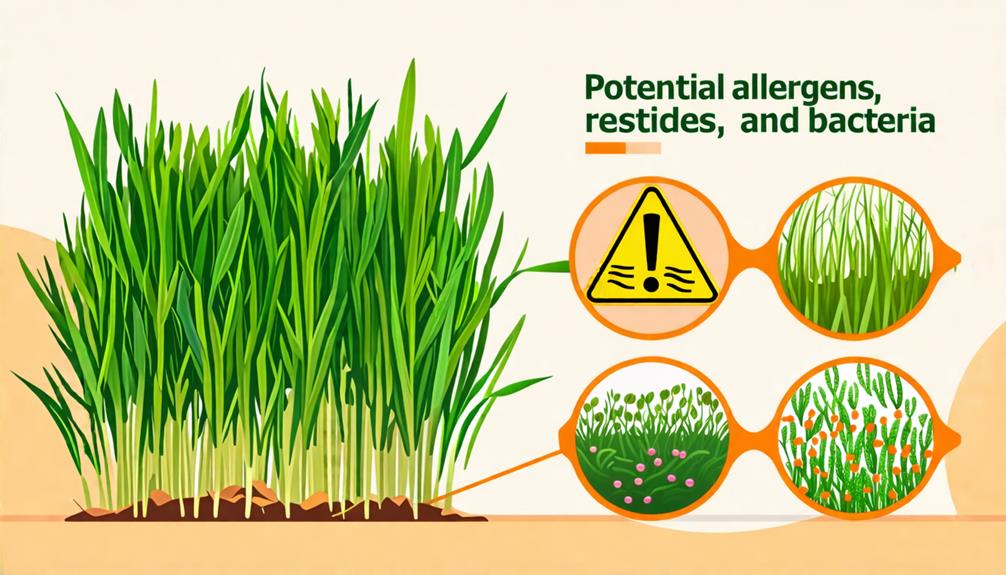
While wheatgrass offers numerous health benefits, it's crucial to be aware of potential risks and safety considerations. Although generally safe, some individuals may experience mild side effects such as headaches, nausea, or allergic reactions. Monitoring your body's response when introducing wheatgrass into your diet is essential.
Here are some key risks and safety tips to consider:
- Allergic reactions: Some people might be allergic to wheatgrass. If you experience symptoms like itching, swelling, or difficulty breathing, discontinue use immediately and consult a healthcare professional.
- Contamination: Raw wheatgrass can be contaminated with harmful bacteria from the soil, posing a risk to pregnant women and immunocompromised individuals. These groups should avoid consuming raw wheatgrass to prevent potential health issues.
- Gluten-free considerations: While wheatgrass itself is gluten-free, cross-contamination with gluten can occur. If you have gluten sensitivities, choose certified gluten-free sources to ensure safety.
- Tolerance and side effects: Begin with small amounts of wheatgrass and gradually increase your intake. This allows you to assess your body's tolerance and minimize side effects like nausea or headaches.
Consumption Methods
There are numerous ways to incorporate wheatgrass into your daily routine. You can consume it as a juice or smoothie, use powdered forms in various recipes, or add it to culinary dishes for extra nutritional benefits. Each method offers unique advantages, allowing you to choose the best option to meet your health goals.
Juice and Smoothies
Incorporating wheatgrass into juices and smoothies offers a convenient and tasty way to enjoy its numerous health benefits. Wheatgrass juice is typically consumed in small 1-2 oz shots, providing a concentrated source of vitamins and minerals. Its strong, grassy flavor might be intense on its own, but blending it into smoothies can help mask the taste while enhancing the drink's nutritional value. Fresh wheatgrass juice retains maximum nutrients and enzymes, making it an ideal choice for health enthusiasts who aim to fully utilize this superfood.
To make adding wheatgrass to your diet enjoyable, consider these methods:
- Blend with Fruits: Combine wheatgrass with fruits like pineapple or bananas in smoothies to balance its earthy taste.
- Use Fresh Wheatgrass: Fresh wheatgrass juice ensures you receive the most chlorophyll, vitamins, and minerals for optimal health benefits.
- Try Wheatgrass Powder: If fresh wheatgrass isn't available, wheatgrass powder is a versatile alternative that can easily be added to your smoothies.
- Experiment with Recipes: Incorporate wheatgrass into various recipes like salad dressings or soups to enjoy its benefits without compromising on flavor.
Powdered Forms
Adding wheatgrass powder to your diet is an effective way to boost your nutritional intake without significantly altering your favorite foods. This superfood is rich in vitamins, minerals, and antioxidants, offering considerable nutritional benefits with just a small serving. Typically, one to two tablespoons of wheatgrass powder deliver a concentrated dose of these essential nutrients.
For those who find the taste of fresh wheatgrass unappealing, the powdered form provides a convenient and palatable alternative. Mixing it with strong flavors like pineapple or citrus can enhance its taste, making it more enjoyable to consume. This approach allows you to gain the health benefits of wheatgrass without compromising on flavor.
Additionally, wheatgrass powder is highly versatile. It can be easily incorporated into smoothies, juices, and even salad dressings, providing a simple way to enhance the nutritional value of your meals. The powder can also be added to desserts, such as chocolate truffles or cupcakes, boosting their nutritional content without significantly altering their flavor. By choosing wheatgrass powder, you can effortlessly integrate this nutrient-dense superfood into your daily routine.
Culinary Uses
Wheatgrass offers versatile culinary applications, whether you prefer it fresh, powdered, or in capsule form, to enhance your meals and boost your nutrition. Here are some popular ways to incorporate wheatgrass into your diet:
- Wheatgrass Juice: A common method is consuming it as juice. You can purchase wheatgrass juice at health food stores or make it at home using a juicer. Mixing 1-2 ounces of wheatgrass juice with other juices or smoothies helps balance its strong, grassy flavor.
- Powdered Wheatgrass: If you want versatility, opt for powdered wheatgrass. It's easy to add to salad dressings, soups, and even desserts, providing an effortless nutritional boost.
- Homegrown Wheatgrass: Growing your own wheatgrass ensures maximum freshness and nutrient retention. Fresh wheatgrass can be snipped and juiced or blended into smoothies, typically lasting about a week in the refrigerator.
- Wheatgrass Shots: For a quick and concentrated nutrient intake, wheatgrass shots are popular. These shots offer a convenient option for a quick health boost as part of a wellness routine.
These diverse culinary uses make it easy to integrate wheatgrass into your daily diet.
Future Research

Future research on wheatgrass aims to validate its cardiovascular benefits observed in animal studies and assess its potential impact on human health. Researchers are particularly focused on confirming its effects on cholesterol levels and overall cardiovascular health. If validated, wheatgrass could become a significant contributor to heart health improvement.
Another promising area of research is its neuroprotective properties. Scientists are investigating whether wheatgrass can enhance cognitive function and memory, particularly in older adults. Success in this field could lead to breakthroughs in treating age-related cognitive decline.
Additionally, ongoing studies are evaluating wheatgrass's impact on inflammation, a factor linked to many chronic diseases. Understanding how wheatgrass can mitigate long-term inflammation could pave the way for new treatments for inflammatory conditions.
Researchers are also examining wheatgrass's effects on metabolic conditions such as diabetes and obesity. Preliminary studies suggest it may help regulate blood sugar levels and support weight management, though more human research is needed to confirm these benefits.
Dietary Tips
Wheatgrass juice, often consumed in 1-2 oz shots, provides a concentrated source of vitamins, minerals, and antioxidants. To maximize its benefits, consider these dietary tips:
- Start Small: Gradually introduce wheatgrass juice into your diet to assess your tolerance and minimize potential side effects like nausea or headaches. Begin with smaller servings and increase gradually.
- Incorporate Varieties: Add wheatgrass powder to smoothies, salad dressings, or dips to enhance the nutritional profile of your meals without significantly altering their flavor.
- Maintain Balance: While nutrient-dense, wheatgrass juice should complement a diet rich in a variety of fruits and vegetables to ensure a broad range of essential nutrients and antioxidants for overall health.
- Opt for Gluten-Free: If you have gluten sensitivities, choose certified gluten-free wheatgrass products to avoid cross-contamination and enjoy the benefits without adverse reactions.