The Science Behind Wheatgrass and Its Immune-Boosting Properties

Wheatgrass is often celebrated for its health benefits, but what does science say about its immune-boosting properties? This nutrient-dense plant is rich in antioxidants, including vitamins A, C, and E, which help combat oxidative stress and reduce inflammation. Its chlorophyll content supports detoxification, enhancing the body's natural defenses. Additionally, the vital amino acids and minerals in wheatgrass contribute to better bone marrow function, essential for immune cell production. What does this mean for your overall health, and are there any risks? Let's explore further.
Nutritional Profile
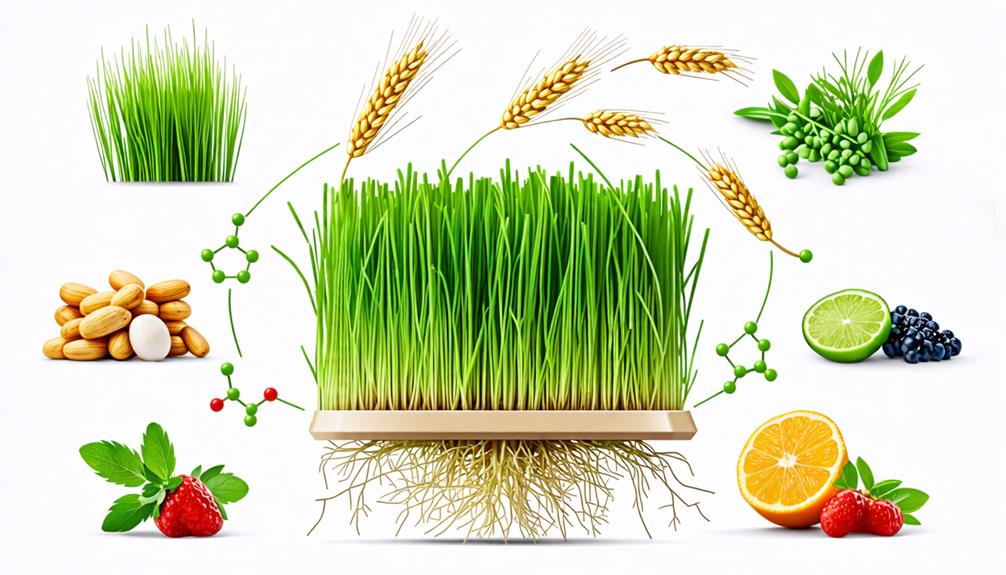
Wheatgrass offers a robust nutritional profile, rich in essential vitamins, minerals, and amino acids that can enhance overall health. This superfood is particularly high in vitamins A, C, and E, which serve as potent antioxidants to combat oxidative stress and potentially boost immune function. Additionally, wheatgrass provides key minerals such as iron, magnesium, and calcium, essential for various bodily functions, including bone health and energy production.
A significant feature of wheatgrass is its high chlorophyll content, comprising about 70% of its composition. Chlorophyll not only imparts wheatgrass its vibrant green color but also provides detoxification benefits and supports overall health. The nutritional profile further includes 17 amino acids, 8 of which are essential, making wheatgrass a valuable protein source for muscle repair and growth.
Moreover, wheatgrass is abundant in dietary fiber, promoting digestive health and aiding in weight management by helping you feel fuller longer. Incorporating wheatgrass into your diet offers a nutrient-dense option to support your comprehensive well-being and maintain energy levels.
Immune System Benefits
Packed with antioxidants like vitamins A, C, and E, wheatgrass helps protect your cells and bolster your immune system. Here's why wheatgrass is a powerhouse for enhancing immune function:
- Antioxidants: Wheatgrass is rich in antioxidants that combat oxidative stress, reducing cell damage and supporting overall immune health.
- Chlorophyll: High in chlorophyll, wheatgrass aids in detoxification, which can improve immune responses.
- Phytochemicals: These compounds help modulate inflammatory responses, potentially easing symptoms of conditions like arthritis.
- Bone Marrow Support: Regular consumption of wheatgrass juice has been linked to improved bone marrow function, essential for producing immune cells.
Cancer Prevention

Numerous studies suggest that the high levels of antioxidants in wheatgrass can significantly reduce the risk of cancer. These antioxidants, including vitamins A, C, and E, help combat oxidative stress, a major factor in cancer development. By neutralizing free radicals, wheatgrass protects cells from oxidative DNA damage, which is vital in cancer prevention.
Research indicates that wheatgrass can slow the growth of mouth cancer cells by up to 41% and leukemia cells by 65% within three days of treatment. The chlorophyll in wheatgrass, structurally similar to hemoglobin, enhances oxygen supply to tissues, supporting overall cellular health. This is crucial for maintaining a robust immune system capable of fighting cancer.
Wheatgrass may also improve the effectiveness of chemotherapy and reduce side effects like nausea and fatigue, making the treatment process more bearable. The enzymes in wheatgrass further contribute by preventing oxidative DNA damage, thereby reducing the likelihood of cancerous changes in cells. Incorporating wheatgrass into your diet could be a powerful strategy to bolster your immune system and protect against cancer.
Risks and Side Effects
Despite its many benefits, it's crucial to understand the potential risks and side effects of incorporating wheatgrass into your diet. While wheatgrass is generally safe, some individuals might experience mild side effects such as headaches, nausea, or gastrointestinal discomfort as their bodies adjust to this potent superfood.
For those with sensitivities or allergies, particularly to wheat or grasses, wheatgrass can trigger allergic reactions. It's important to note that even though wheatgrass is gluten-free, it still poses a risk for certain individuals.
Key risks to be aware of:
- Gastrointestinal discomfort: Initial consumption may cause nausea or digestive issues.
- Allergic reactions: Possible for those sensitive to wheat or grasses.
- Contamination risk: Raw wheatgrass can harbor harmful bacteria or mold.
- Immune response: Vulnerable populations, such as pregnant individuals or those with compromised immune systems, should exercise caution.
To minimize these risks, gradually introduce wheatgrass into your diet and consult healthcare professionals if you have any health concerns. While wheatgrass offers numerous health benefits, always prioritize your safety and well-being.
Consumption Tips
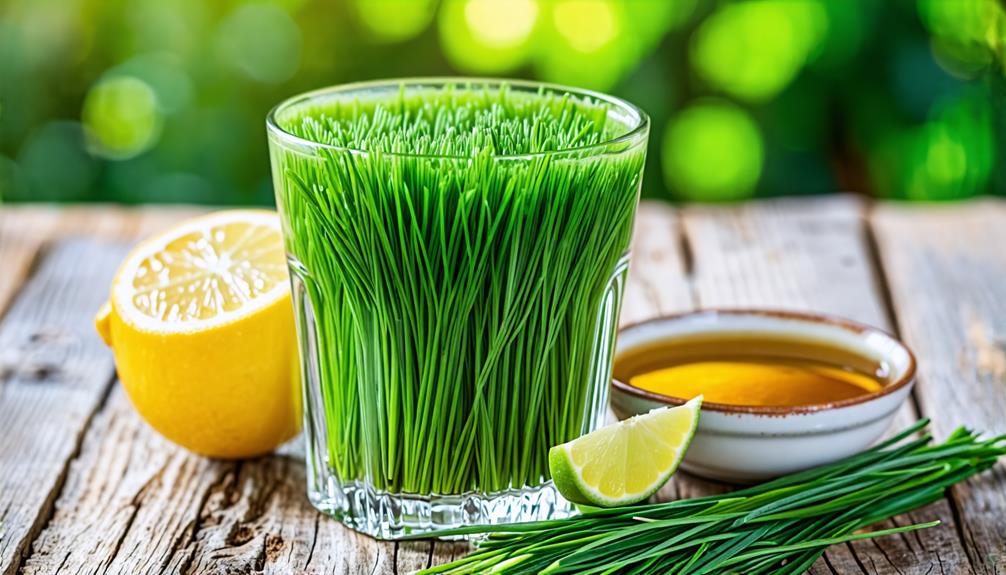
When incorporating wheatgrass into your diet, explore various forms such as fresh juice, powder, or tablets to match your preferences. Wheatgrass juice is a popular choice, often consumed as a 1-2 ounce shot for a quick nutrient boost. If you find the taste too strong, blend it into smoothies with fruits like pineapple to mask the flavor.
For added versatility, consider wheatgrass powder. It can be easily mixed into recipes, enhancing the nutritional content of salad dressings, dips, soups, and even desserts, allowing you to enjoy its benefits without significantly altering the taste of your favorite dishes.
Start with small amounts of wheatgrass to assess your individual tolerance, gradually increasing your intake as your body adjusts. This helps to avoid potential digestive discomfort and optimizes the health benefits.