Top 10 Toys for People With Dementia
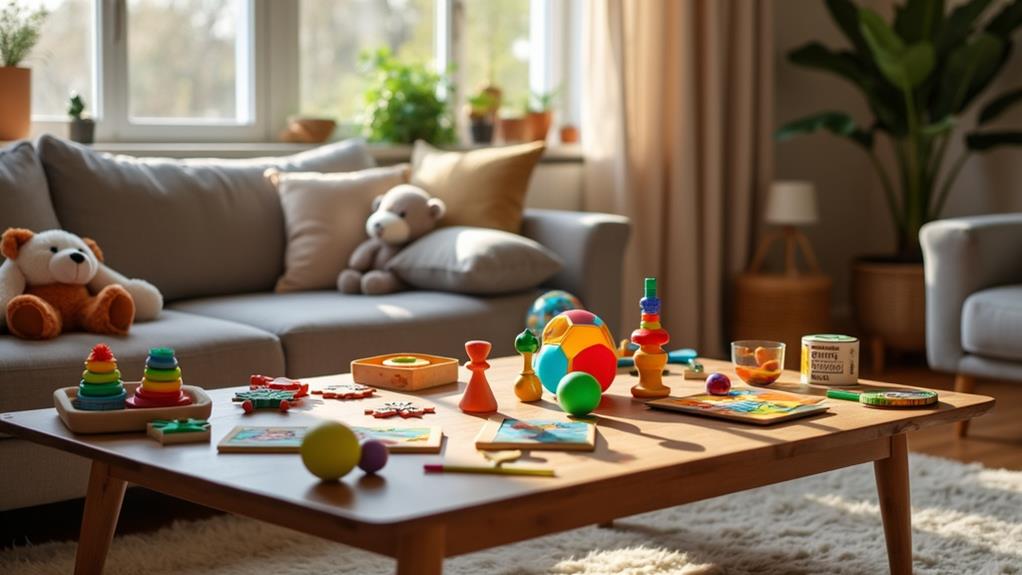
When selecting toys for people with dementia, it's essential to focus on items that enhance emotional well-being and cognitive function. Baby dolls and stuffed animals can create emotional connections, while realistic pet companions offer comfort. Sensory tools like fidget widgets and sensory cubes help alleviate anxiety and promote focus. Additionally, conversation games and creative art supplies provide mental stimulation and a sense of routine and purpose. Let's explore these options in more detail.
Baby Dolls and Stuffed Animals

Baby dolls and stuffed animals serve as powerful therapeutic tools for individuals with dementia, offering comfort and emotional connection through their lifelike designs. Introducing a baby doll or stuffed animal to a loved one with dementia can help them access positive memories and feelings of usefulness. These toys often elicit nurturing behaviors, akin to caregiving, which are soothing for dementia patients.
Engaging with a baby doll or stuffed animal has been shown to reduce agitation and enhance emotional well-being. This interaction is particularly beneficial during moments of distress, providing a comforting distraction. Memorable Pets offers a variety of high-quality baby dolls and stuffed animals, making it easier to find something within your budget and suited to your loved one's preferences.
Incorporating these toys into daily routines can help establish a sense of normalcy and predictability, which is crucial for dementia patients. Whether it's a baby doll that needs "feeding" or a stuffed animal that needs "cuddling," these activities can bring joy and a sense of purpose. Overall, these therapeutic tools are invaluable for enhancing the happiness and emotional well-being of those living with dementia.
Pet Companions
Pet companions, like the Grey and White Tiger Striped Cat Companion and Black Lab Companion from Memorable Pets, offer invaluable emotional support to dementia patients. Priced at $38.97 each, these realistic plush pets are designed to evoke positive memories and feelings of usefulness, encouraging nurturing behaviors akin to caregiving. This helps dementia patients feel more engaged and connected.
Interaction with pet companions significantly reduces agitation, providing a calming effect that enhances emotional well-being. The tactile experience of stroking these lifelike pets can induce feelings of happiness and comfort, helping to alleviate anxiety and distress. Consequently, pet companions are an excellent tool for promoting a sense of routine and stability.
Made from high-quality materials, these pet companions are durable and easy to maintain, ensuring long-term therapeutic use. Their realistic appearance and feel make them particularly effective in creating a comforting environment. Regular interaction with these plush pets serves as a gentle distraction during challenging moments, improving the overall quality of life for dementia patients. Incorporating pet companions into daily routines provides substantial emotional support and comfort.
Fidget Widgets
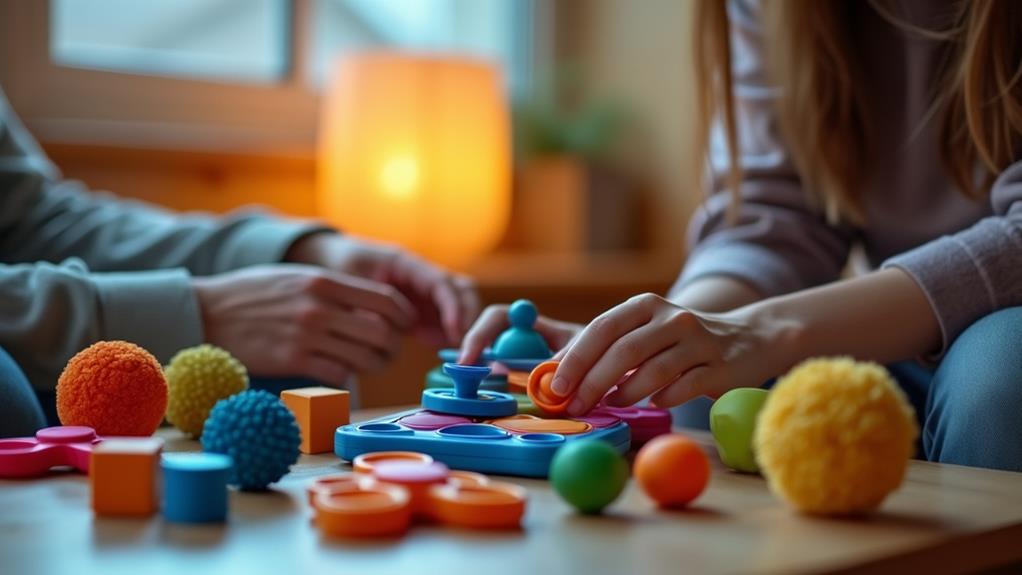
Many individuals with dementia benefit greatly from using Fidget Widgets, designed to provide essential sensory stimulation and promote focus. These innovative tools are excellent for reducing anxiety and helping users stay engaged. If you're considering introducing Fidget Widgets into your loved one's routine, reflect on these significant points:
- Versatile Options: The Fidget Widget Twin Pack is compact and portable, priced at $34.99, making it easy to use in diverse settings—from home to care facilities.
- Comprehensive Kits: The Fidget Widget Tool Kit, priced at $79.99, offers a full set of sensory tools, ideal for therapeutic use in professional care environments.
- Motor Skills: These sensory tools are beneficial for enhancing fine motor skills, crucial for maintaining physical dexterity.
- Social Interaction: Fidget Widgets encourage social interaction, which supports cognitive function and memory retention.
Sensory Blankets
Sensory blankets are a valuable tool for individuals with dementia, providing tactile stimulation and comfort that can help reduce anxiety and promote relaxation. These specialized blankets often feature a variety of textures, colors, and attachments, engaging users in soothing sensory exploration. This engagement helps improve fine motor skills and offers a calming activity during moments of agitation.
Priced between $12.27 and $15.46, sensory blankets are an affordable option for caregivers. They can significantly enhance the emotional well-being of dementia patients. The diverse textures and interactive elements on these blankets serve as effective tools for distraction, redirecting focus to calming activities when agitation arises.
Positive user feedback consistently highlights the effectiveness of sensory blankets in promoting a sense of security and engagement. These sensory tools are easy to incorporate into daily routines, making them a valuable addition to dementia care. Whether your goal is to provide comfort, improve engagement, or offer a soothing distraction, sensory blankets are a practical and beneficial choice for individuals with dementia.
Conversation Games

Engagement is crucial for supporting individuals with dementia, and conversation games offer an effective method to achieve this. These games are designed to enhance communication skills and cognitive function by providing prompts that stimulate memories and encourage dialogue, creating an environment that is both engaging and therapeutic.
Here are four benefits of conversation games for dementia patients:
- Memory Stimulation: Familiar topics and images resonate with the patient's past, making it easier for them to engage and share their thoughts.
- Mood Improvement: Research indicates that participating in conversation games can improve mood and reduce feelings of isolation.
- Social Interaction: These games promote social interaction, helping dementia patients feel more connected to their loved ones.
- Accessibility: Many conversation games are simple and easy to understand, ensuring they are accessible to those with cognitive challenges.
Caregivers often find conversation games to be effective tools for initiating meaningful interactions. Whether it's a game about recalling favorite childhood memories or discussing well-loved hobbies, these activities facilitate connections with loved ones. The sense of accomplishment patients feel from participating in these games further enhances their well-being.
Jigsaw Puzzles
Jigsaw puzzles provide a therapeutic and engaging activity tailored specifically for dementia patients. Designed with larger pieces and simpler patterns, these puzzles are both accessible and enjoyable. As one of the top recommended activities for dementia patients, jigsaw puzzles come in different piece counts, ranging from 12 to 100 pieces, allowing caregivers to select the appropriate difficulty level based on the individual's cognitive abilities.
Engaging with jigsaw puzzles can help dementia patients improve their memory and enhance problem-solving skills. Completing a puzzle fosters a sense of accomplishment, boosting emotional well-being. Many of these puzzles are themed around nostalgic images or familiar scenes, which can evoke positive memories and stimulate cognitive function. This thoughtful design is crucial for keeping dementia patients mentally active and connected to their past.
Research indicates that regular participation in puzzle activities can help maintain cognitive engagement and potentially delay the progression of dementia symptoms. When selecting activities for dementia patients, consider jigsaw puzzles as they offer a meaningful way to support mental health and emotional well-being. They are not just a pastime but a valuable tool for improving the quality of life.
Sensory Cubes
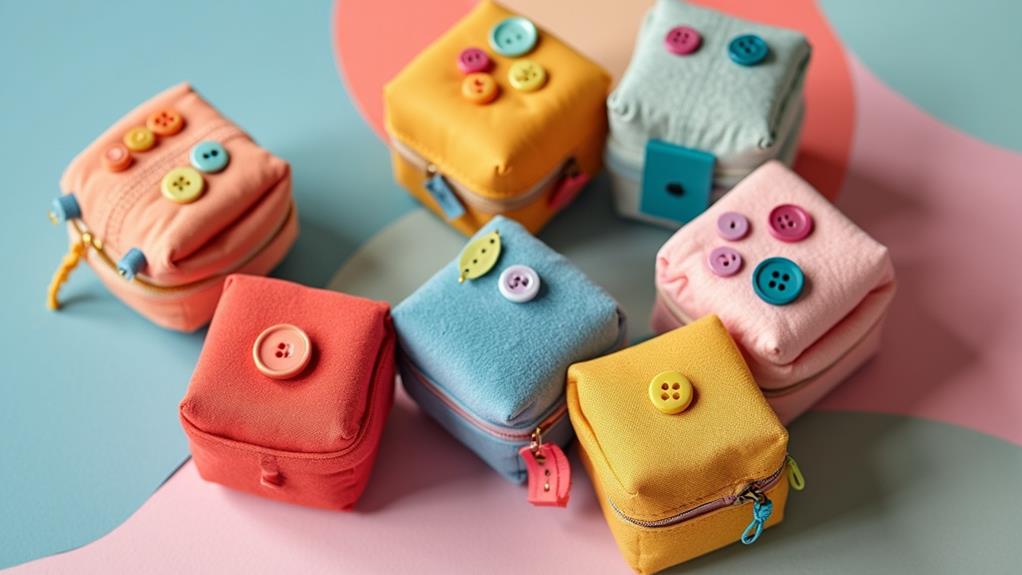
Sensory cubes are an excellent tool for engaging individuals with dementia through a variety of textures and colors, encouraging tactile exploration. These cubes can help alleviate anxiety by providing calming effects and serving as a distraction during moments of agitation. Their compact size makes them easy to handle, enhancing accessibility whether at home or in a care facility.
Enhancing Tactile Engagement
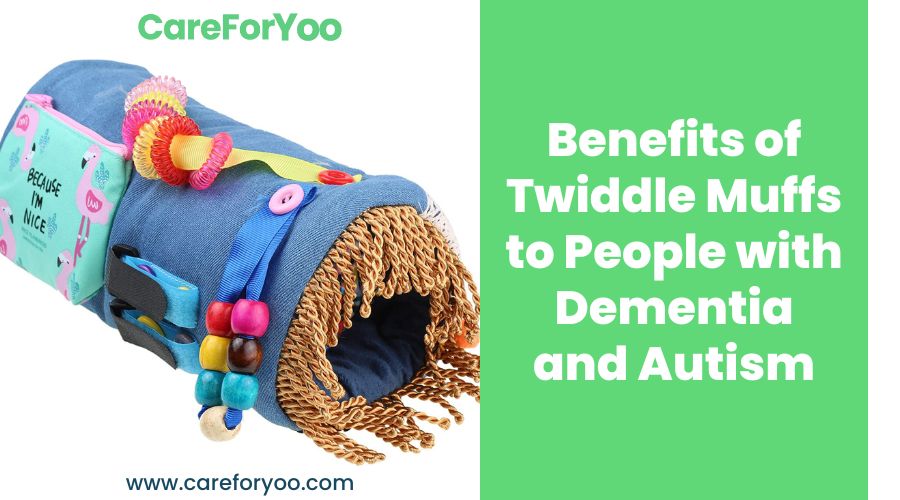
Amid the complexities of caring for someone with dementia, sensory cubes offer an effective way to enhance tactile engagement. These innovative tools are designed to stimulate the sense of touch, featuring diverse textures and materials that encourage exploration and tactile investigation. Sensory cubes often include elements such as buttons, zippers, and soft fabrics to provide a comprehensive multi-sensory experience, which can be highly beneficial for dementia patients.
Here's why sensory cubes are essential:
- Improves Fine Motor Skills: Regular use of sensory cubes can enhance hand-eye coordination and fine motor skills, contributing to overall cognitive health.
- Encourages Tactile Exploration: The varied textures and materials prompt users to explore and engage their sense of touch, offering a calming effect.
- Portable and Convenient: Sensory cubes are lightweight and easy to transport, making them suitable for use at home or in care settings.
- Supports Non-Verbal Communication: These cubes can help individuals express themselves non-verbally, providing comfort and improving emotional well-being.
Reducing Anxiety Levels
Managing anxiety in dementia patients can be challenging, but sensory cubes offer a practical and effective solution. Individuals with dementia often experience heightened anxiety, and sensory cubes are designed to provide a calming effect through tactile interaction. These cubes feature diverse textures, colors, and interactive elements that engage the senses, promoting relaxation and reducing anxiety.
Using sensory cubes can also encourage fine motor skills and hand-eye coordination, giving restless hands a productive outlet. The tactile stimulation helps focus their attention, which can decrease agitation. Research shows that sensory stimulation through tools like sensory cubes can lead to improved emotional well-being and reduced anxiety for dementia patients.
Regular interaction with sensory cubes can help establish a sense of routine, which further contributes to comfort and reduced anxiety. The familiarity and predictability of these cubes provide a soothing experience, making them a valuable tool in managing the emotional needs of people with dementia. By incorporating sensory cubes into their daily routine, you can help create a more peaceful and stable environment for your loved one.
Creative Art Supplies
Creative art supplies, such as crayons, watercolors, and coloring books, significantly stimulate memory and encourage self-expression in dementia patients. These tools foster cognitive engagement and elevate emotional well-being. Engaging your loved one in arts and crafts helps them recall past skills and experiences, providing a sense of accomplishment and purpose.
Tailoring creative art activities to an individual's abilities ensures they remain enjoyable and accessible, which is crucial for maintaining interest and motivation. Key benefits include:
- Memory Stimulation: Art supplies help dementia patients access long-term memories associated with creating.
- Emotional Expression: They offer a medium for expressing emotions that might be difficult to verbalize.
- Social Interaction: Group art sessions enhance social interaction, offering opportunities for connection and communication.
- Cost-Effective and Diverse: These supplies are affordable and versatile, suitable for home care and assisted living facilities.
Sorting and Folding Activities

Sorting and folding activities can significantly enhance motor skills and cognitive function for individuals with dementia. These tasks offer a comforting routine and a sense of purpose, which can help alleviate confusion and anxiety. Incorporating these activities into daily life promotes engagement and social interaction, making each day more meaningful.
Improving Motor Skills
Enhancing motor skills in dementia patients through sorting and folding activities offers a practical and effective method to improve dexterity and hand-eye coordination. These activities not only enhance fine motor skills but also provide a sense of achievement and purpose. By utilizing simple items like towels, socks, and clothing, you can create engaging and cost-effective exercises that are easily accessible.
Here are four key benefits of incorporating sorting and folding activities:
- Improved Dexterity: Handling objects strengthens hand muscles and improves coordination, essential for daily activities.
- Emotional Well-Being: Completing these tasks fosters a sense of accomplishment, boosting emotional health.
- Cognitive Stimulation: Sorting items can evoke memories, offering cognitive engagement.
- Stress Reduction: Repetitive actions like folding laundry can reduce agitation and promote relaxation.
Incorporating these activities into daily routines can significantly enhance the quality of life for dementia patients. Whether folding clothes or sorting socks, these simple tasks can create a calming environment and support overall well-being. Remember, consistent small efforts can lead to substantial improvements.
Promoting Routine Engagement
Engaging individuals with dementia in routine tasks like sorting and folding can provide structure and predictability, often reducing anxiety and agitation. These activities offer a sense of accomplishment and purpose by involving them in familiar tasks. Introducing sorting and folding into their routine helps maintain fine motor skills and hand-eye coordination, which are essential for daily independence.
To enhance these activities, use colorful and textured items to improve sensory stimulation, adding enjoyment and interaction. Establishing a consistent routine that includes sorting and folding can significantly improve emotional well-being by fostering predictability, reducing stress, and creating a sense of security.
Integrating sorting and folding tasks into their daily schedule promotes cognitive engagement and helps them feel useful and connected to past roles. By involving them in these meaningful activities, you contribute to their overall sense of purpose and well-being. This small step can have a significant positive impact on their daily life.
Enhancing Cognitive Function
Enhancing Cognitive Function
Engaging individuals with dementia in routine activities is essential, but incorporating sorting and folding tasks can significantly enhance cognitive function. These activities refine fine motor skills and engage cognitive processes by requiring focus and coordination. Here's how sorting and folding activities can make a positive impact:
- Stimulating Cognitive Engagement: Sorting items such as buttons or fabric swatches can enhance problem-solving skills as individuals categorize them by color, size, or type.
- Evoking Positive Memories: These tasks often remind individuals of past routines, providing a sense of familiarity and comfort that boosts emotional well-being.
- Fostering a Sense of Accomplishment: Folding laundry or organizing household items creates a structured routine, helping dementia patients feel purposeful and accomplished.
- Facilitating Social Interaction: When caregivers participate in these activities, it encourages social interaction and communication, enriching the overall experience.
Incorporating sorting and folding activities into daily routines can greatly improve cognitive function for dementia patients. These tasks not only promote mental engagement and coordination but also provide emotional and social benefits. By focusing on these purposeful activities, you can help create a more enriching and supportive environment for those with dementia.
DIY Fidget Items
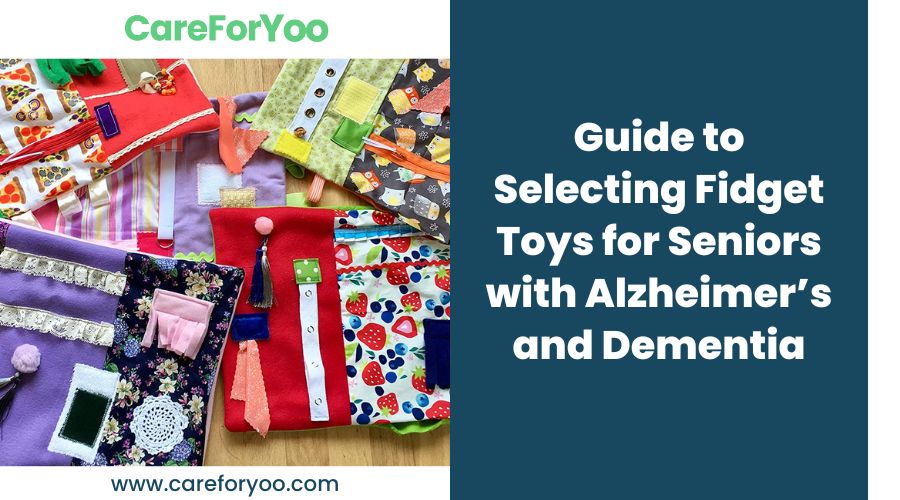
Creating DIY fidget items for individuals with dementia can be both cost-effective and highly beneficial. By using everyday household materials like ribbons, buttons, and zippers sewn onto fabric, you can design tactile engagement tools that provide sensory stimulation. These DIY fidget items not only save money but also offer a personalized touch that store-bought toys often lack.
Consider making fidget aprons. Incorporating different textures and interactive elements such as Velcro and pockets can keep hands busy and enhance fine motor skills. Another idea is to use empty plastic bottles filled with rice, beans, or colorful beads to create sensory bottles. These visually stimulating, noise-making items can promote focus and relaxation.
You can also create simple fidget mats using felt or fabric. Divide the mat into distinct sections, each featuring unique textures, to encourage exploration and engagement. Crafting personalized fidget toys allows you to tailor the items to your loved one's preferences, improving emotional connection and making the fidget items more effective in reducing anxiety. With a bit of creativity, you can make meaningful and engaging tools that significantly enhance the quality of life for someone with dementia.
Related posts