Top 5 Nutritional Needs for the Elderly

To keep elderly adults healthy, focus on five key nutritional needs. Initially, ascertain they get enough protein (1.0-1.2 grams per kg) to combat muscle loss. Next, prioritize calcium (1,200 mg) and vitamin D (800-1,000 IU) for bone health. Incorporate high-fiber foods (21-30 grams daily) to aid digestion and control blood sugar levels. Keep an eye on potassium intake (4,700 mg) to support heart health and regulate blood pressure. Ultimately, encourage hydration with six to eight cups of fluids daily to prevent dehydration. By addressing these needs, you'll greatly affect their well-being - there's more to uncover on this topic.
Protein for Muscle Maintenance
Maintaining muscle mass and strength is vital for older adults, and adequate protein intake plays a significant role in this process. To maintain muscle, it's recommended that older adults consume 1.0-1.2 grams of protein per kilogram of body weight daily. This daily allowance helps combat sarcopenia, a condition where muscle mass declines, increasing the risk of falls and frailty.
Including a variety of protein sources in your diet is important. Lean meats, fish, poultry, eggs, dairy products, and plant-based options like beans and lentils guarantee a complete amino acid profile, meeting your nutritional needs. High-quality protein sources such as low-fat dairy, eggs, and canned seafood are not only cost-effective but also easy to prepare.
For peak muscle protein synthesis, it's beneficial to spread your protein intake throughout the day rather than consuming it all in one meal. This approach helps maintain muscle and supports general muscle health. By focusing on these high-quality protein sources and meeting your daily allowance, you can effectively manage your protein intake, thereby supporting muscle mass and strength as you get older.
Calcium and Vitamin D
Calcium and vitamin D are fundamental nutrients for bone health, especially as you grow in years. Making sure you get enough of these nutrients can make a significant difference in your quality of life. For older adults, maintaining bone density is essential to avoid fractures and osteoporosis.
- Meet Your Daily Intake: Women over 50 should aim for 1,200 mg of calcium daily, while men under 70 need 1,000 mg, increasing to 1,200 mg at 71. Vitamin D is just as important, with a recommended daily intake of 800-1,000 IU for those 50 and older.
- Choose Calcium-Rich Foods: Incorporate dairy products like milk, cheese, and yogurt into your diet. If you're lactose intolerant or prefer non-dairy options, leafy greens like spinach and kale, along with fortified foods, can help you meet your calcium needs.
- Enhance Absorption with Vitamin D: Vitamin D aids in the absorption of calcium, making it significant for bone protection. You can get vitamin D from fatty fish, fortified dairy products, and sunlight.
- Prevent Fractures and Osteoporosis: Insufficient calcium and vitamin D intake can lead to weaker bones, increasing the risk of fractures and osteoporosis. Regular monitoring can help prevent deficiencies and maintain bone health.
Prioritize these nutrients to maintain strong bones and overall well-being.
Dietary Fiber
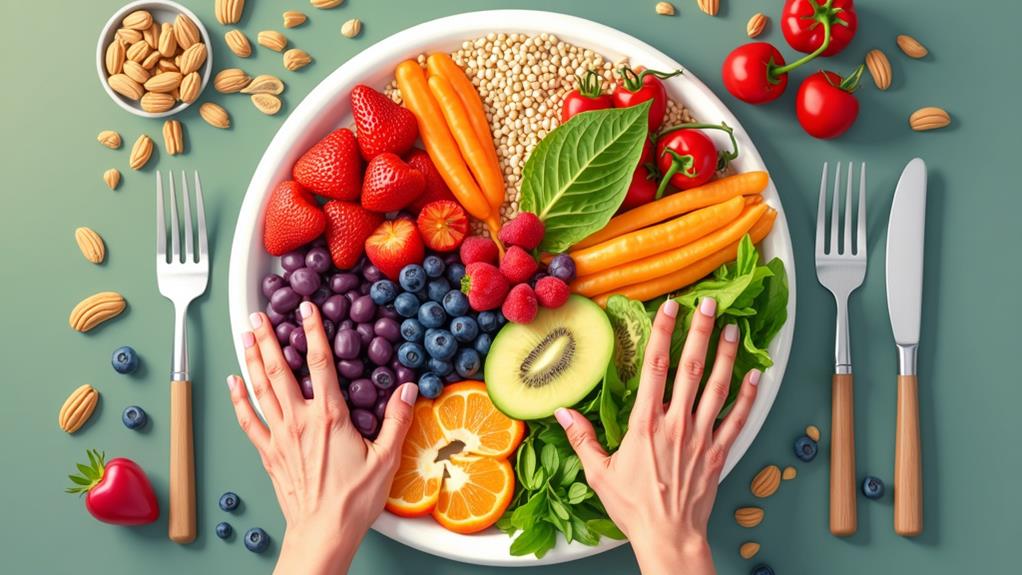
Ensuring you get enough dietary fiber is vital for maintaining digestive health and general well-being as you grow older. As an elderly adult, you should aim for daily intakes of 30 grams for men and 21 grams for women. Unfortunately, 95% of Americans fall short of these recommendations.
Incorporating high-fiber foods like fruits and vegetables, such as raspberries, apples, peas, and broccoli, into your diet can help prevent constipation and promote bowel regularity. Whole grains like quinoa and brown rice are also excellent sources. An adequate fiber intake is fundamental for reducing the risk of chronic diseases, including heart disease, diabetes, and certain cancers, by improving blood sugar control and lowering cholesterol levels.
Fiber-rich diets improve satiety, which can help you control weight by reducing total calorie intake, a significant factor since older adults often experience decreased appetite. To incorporate more fiber into your diet without discomfort, gradually increase your intake of high-fiber foods while also raising your fluid intake. This approach helps prevent gastrointestinal issues like bloating and gas. Embracing these healthy eating habits can notably improve your quality of life as you get older.
Potassium for Heart Health
Potassium plays a significant role in regulating fluid balance and maintaining healthy blood pressure levels, both of which are fundamental for heart health, especially as you get older. As an older adult, ensuring you get enough potassium is imperative to reduce the risk of cardiovascular issues. The recommended daily intake is 4,700 mg, but many older adults fall short, which can lead to unhealthy blood pressure and heart disease.
To enhance your potassium intake, include foods rich in potassium in your daily meals. Beet greens, yams, and white potatoes are excellent sources. Adequate potassium not only helps in regulating blood pressure but also counteracts the negative effects of sodium, further supporting heart health. Studies have linked higher potassium intake to a reduced risk of stroke, underscoring its significance in your diet.
Here's why you should focus on potassium:
- Reduces Risk of Heart Disease: By maintaining healthy blood pressure.
- Supports Heart Health: Fundamental for older adults to avoid cardiovascular issues.
- Counters Sodium Effects: Helps lower blood pressure naturally.
- Prevents Stroke: Higher intake is associated with a reduced risk of stroke.
Ensure you're getting enough potassium to keep your heart healthy as you grow older.
Hydration

As you grow older, maintaining proper hydration becomes increasingly important due to a diminished sense of thirst. Older adults often don't feel as thirsty, making it imperative to consciously maintain adequate hydration levels. Aim for six to eight cups of fluids daily to meet your nutritional needs and prevent dehydration.
Dehydration can lead to serious health complications like urinary tract infections, kidney stones, and confusion. To avoid these issues, guarantee regular fluid intake. Water is the best source of hydration, but low-fat milk and 100% juice can also contribute to your daily fluid needs while providing necessary nutrients.
While caffeinated and alcoholic beverages might be tempting, limit them because they can increase fluid loss and worsen dehydration. Instead, focus on consuming foods with high water content. Fruits like watermelon and oranges, and vegetables such as cucumbers and lettuce, can help supplement your fluid intake.