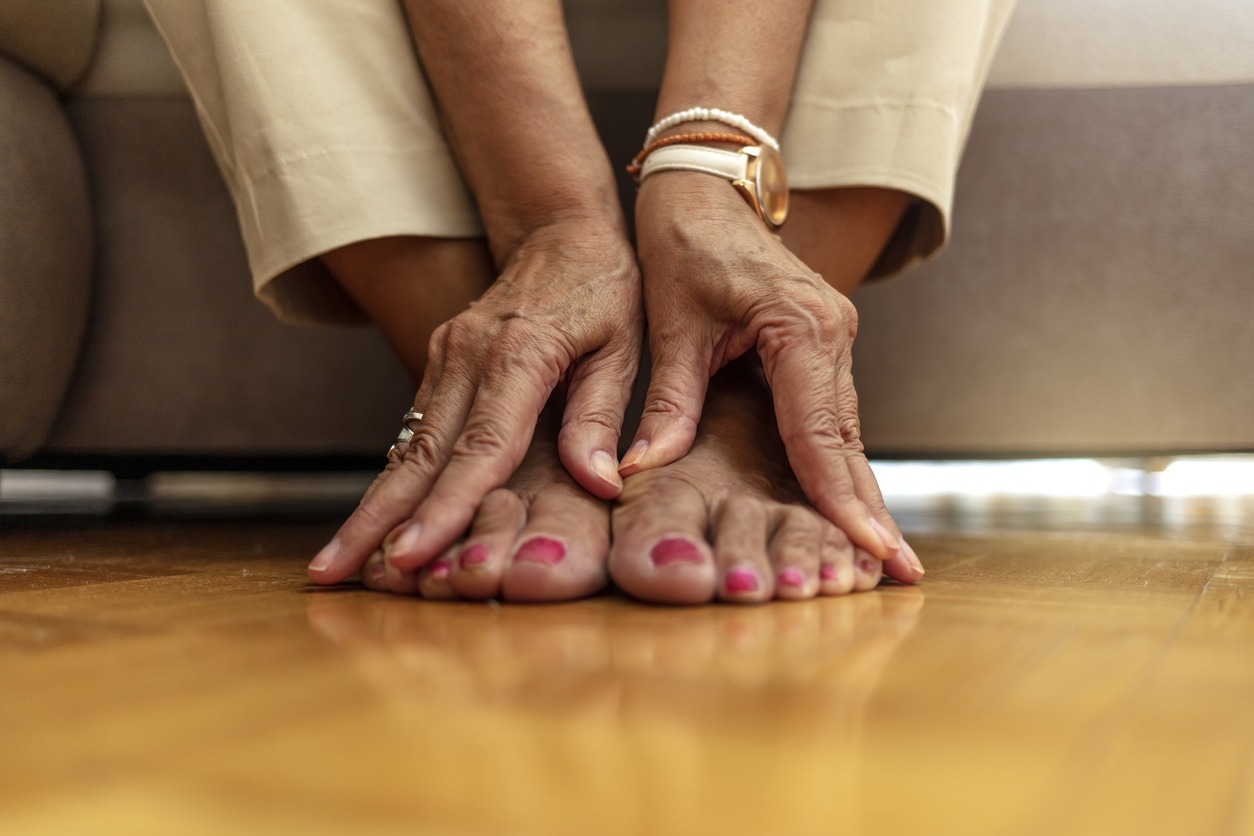
Understanding Clip Angle and Blade Sharpness for Healthy Toenails
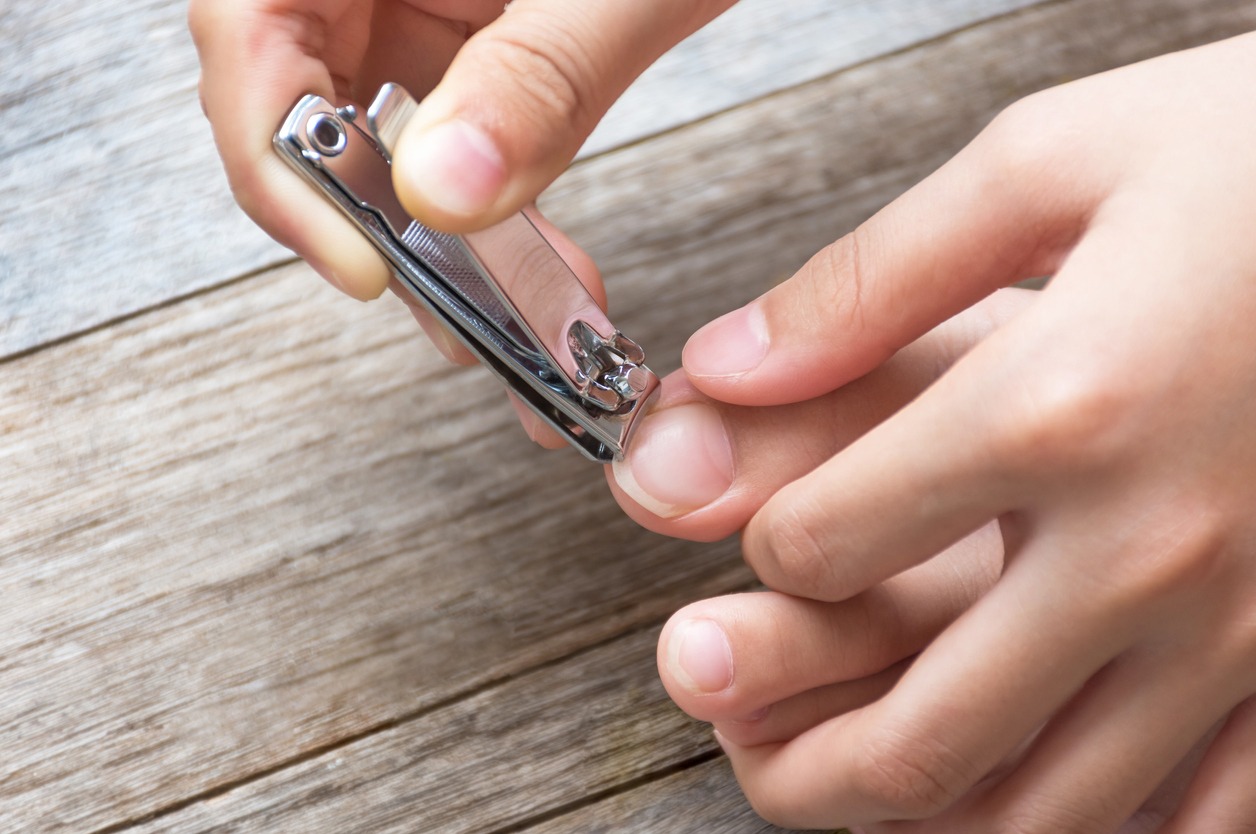
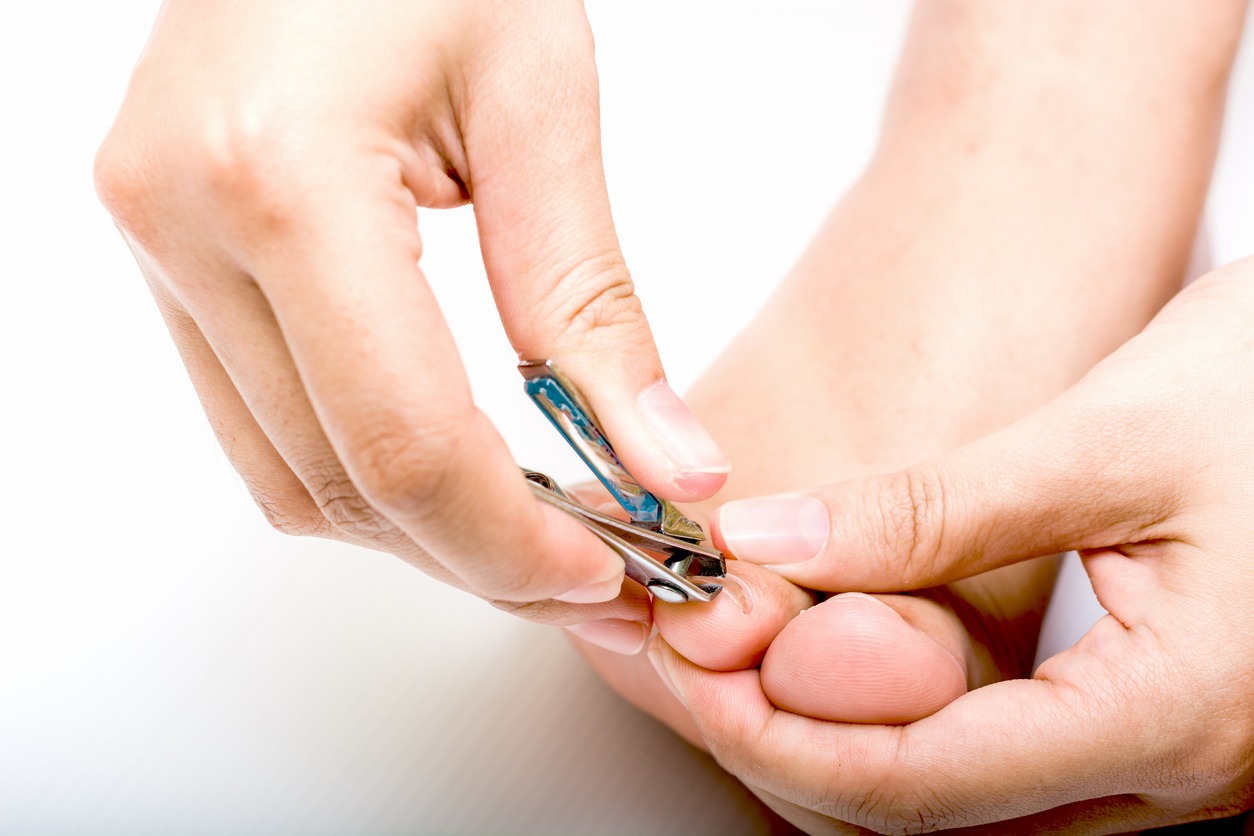
Maintaining healthy toenails involves paying attention to the angle of your clip and the sharpness of your blades. Clipping at the correct angle and using sharp blades can prevent issues like ingrown toenails and nail damage. This technique ensures cleaner cuts and smoother edges, promoting healthier nail growth. To achieve this consistently, it's important to use the right tools and approach. Here's how you can enhance your toenail care routine with proper techniques and equipment.
Importance of Proper Clippers
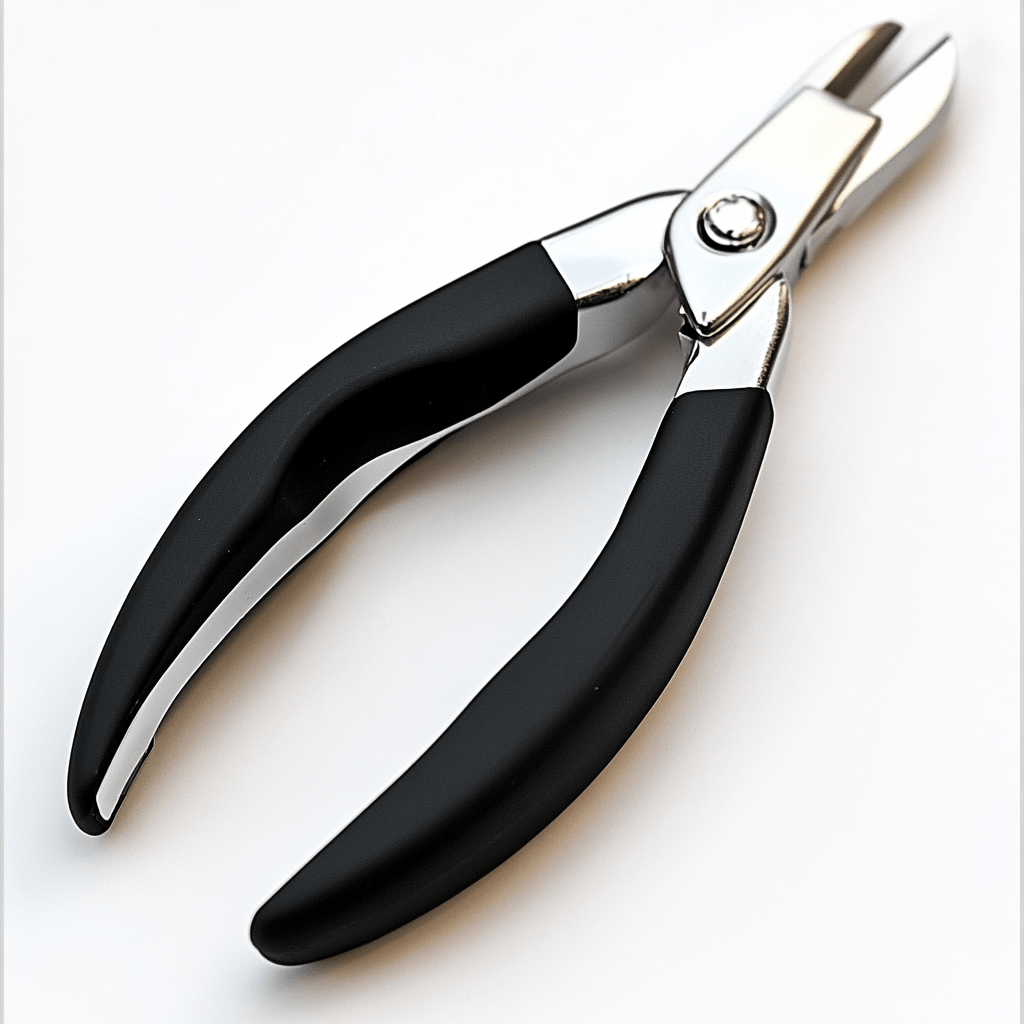
Maintaining healthy toenails requires the use of appropriate toenail clippers with sharp, precision blades. Selecting clippers that provide clean cuts is essential, as it significantly reduces the risk of nail breakage and injury. Sharp blades enable efficient trimming without tearing, which is crucial for overall nail health.
The angle of the clipper blades is another key consideration. Well-aligned blades allow for straight cuts, helping to prevent painful ingrown toenails. Additionally, clippers with ergonomically designed handles offer a comfortable grip, enhancing control during trimming and minimizing the risk of slips or accidents.
Regular maintenance of your clippers is essential for effective nail care. Keeping the blades sharp ensures smooth cuts every time. Opt for clippers made from high-quality materials like surgical-grade stainless steel to enhance both longevity and performance, thereby supporting long-term toenail health.
Anatomy of Toenail Clippers
Toenail clippers consist of two primary components: the blades and the handle. The blades are usually crafted from high-quality materials such as surgical-grade stainless steel or high-carbon steel, ensuring durability and precise cutting, which are essential for nail health. The blades' angle is crucial; a sharper angle allows for easier penetration into the nail, leading to cleaner and more precise cuts.
Equally important is the ergonomically designed handle, which offers a comfortable grip, reduces hand fatigue, and provides better control during use. Many toenail clippers feature a spring mechanism that automatically reopens the blades after each cut, enhancing ease of use and efficiency.
Some models include a locking mechanism to secure the blades when not in use, ensuring safety and preventing accidental cuts.
Here is a summary of the key features of toenail clippers:
| Feature | Description | Benefit |
|---|---|---|
| Blade Material | Surgical-grade stainless steel or high-carbon steel | Durability and precision |
| Blade Angle | Sharper angles for easier penetration | Cleaner and more precise cuts |
| Spring Mechanism | Automatically reopens the blades after each cut | Improved ease of use |
| Locking Mechanism | Secures the blades when not in use | Enhanced safety |
Understanding these components will help you select the right toenail clippers to maintain healthy nails.
Types of Toenail Clippers
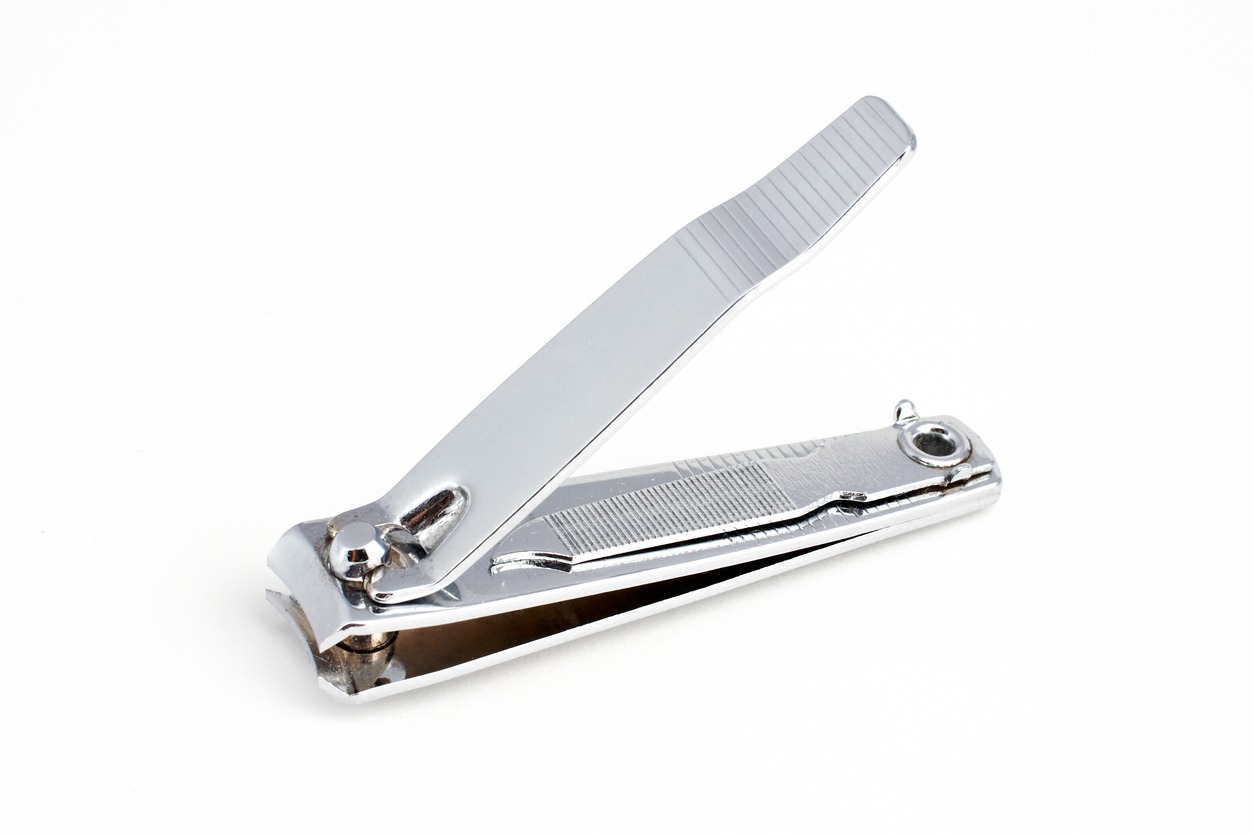
When selecting toenail clippers, understanding the various types and their specific advantages is essential. Standard toenail clippers are the most common, featuring a straightforward design suitable for general toenail trimming. They are widely available and come in various price ranges, making them a reliable choice for everyday use.
For those dealing with ingrown toenails, specialized ingrown toenail clippers are a must-have. These clippers are designed with a pointed tip and precision blades to effectively trim ingrown nails, alleviating discomfort and reducing the risk of infection.
Professional-grade nail nippers offer robust construction and sharper blades for controlled and precise trimming, making them a preferred option among podiatrists and nail technicians.
Electric nail clippers provide the convenience of battery operation, ideal for individuals with limited dexterity or mobility. They require minimal manual effort, making the trimming process simpler and more efficient.
Lastly, travel-sized clippers are compact and lightweight, designed for portability without compromising performance. They are perfect for on-the-go nail care, ensuring you can maintain healthy toenails wherever you are.
Criteria for Selecting Clippers
When selecting toenail clippers, prioritize the type and size that match your nail thickness and precision needs. Choose clippers made from surgical-grade stainless steel to ensure both durability and hygiene. Consider the design features, such as an ergonomic handle, for better comfort and control.
Type and Size
Selecting the appropriate type and size of toenail clippers is essential for effective and comfortable nail care. Begin by identifying the type of clipper that suits your needs. A standard large nail clipper typically suffices for most toenail trimming tasks, offering efficiency and ease of use. For those dealing with ingrown toenails, specialized ingrown toenail clippers are designed to reach and trim problematic areas with precision. Professional-grade clippers are an excellent choice if you seek superior performance and durability.
The size of the clipper is also critical. Larger clippers are ideal for thicker nails, providing the necessary leverage and strength to cut through tough nails effortlessly. Conversely, smaller clippers offer enhanced control and precision, making them suitable for individuals with smaller or more delicate toenails.
Pay attention to the blade configuration as well. Curved blades are beneficial for following the natural contour of your nails, while straight blades can deliver cleaner edges and more precise cuts. Choosing the right type and size of toenail clippers ensures your nail care routine is both efficient and comfortable.
Material and Design
Choosing toenail clippers made from surgical-grade stainless steel ensures durability, rust resistance, and longevity. These clippers retain their sharpness, providing clean cuts consistently. Ergonomic handle designs are crucial for comfort and a secure grip, which is particularly beneficial for individuals with limited hand strength or dexterity.
Consider the blade angle: straight blades offer precision, while curved blades align with the natural shape of toenails, reducing breakage and promoting healthier nails. For thicker toenails or those prone to ingrown nails, clippers with a larger jaw size are ideal, as they handle thicker nails more effectively and with less discomfort.
Safety features, like a locking mechanism, are essential to prevent accidental cuts by keeping the blades securely closed when not in use. By selecting toenail clippers with these attributes—surgical-grade stainless steel, ergonomic handles, appropriate blade angles, and safety locks—you ensure a safer and more efficient nail care routine.
Material and Durability
The durability and material quality of toenail clippers are crucial for their performance and longevity. When selecting clippers, prioritize those made from surgical-grade stainless steel. This material resists corrosion and retains sharpness over time, ensuring long-lasting effectiveness. High-quality carbon steel is another excellent option, known for its exceptional strength and durability, making it ideal for frequent use without significant wear.
Additionally, consider clippers with diamond dust coatings. These coatings enhance the clippers' lifespan and performance by providing additional resistance to wear. Investing in clippers made from these high-quality materials means less frequent replacements, promoting consistent nail care and better foot health.
Regular maintenance is essential for prolonging the durability of your toenail clippers. Clean them after each use and store them properly to prevent rust and damage, ensuring they remain in prime condition. By prioritizing material quality and durability, you extend the life of your clippers and maintain their optimal performance, which supports healthier toenails through consistent and precise trimming.
Maintaining Clipper Sharpness
To keep your toenail clippers in optimal condition, follow the recommended sharpening intervals and use appropriate sharpening tools. Regularly inspect the clippers and maintain a consistent sharpening angle for the best performance. After sharpening, clean the blades thoroughly and apply a suitable lubricant to ensure smooth and effective cutting.
Sharpening Frequency Guidelines
To maintain clean and effective cutting, everyone should sharpen their nail clippers every 3 to 6 months. The exact frequency depends on usage; more frequent use necessitates more frequent sharpening. Regular sharpening prevents dullness, which can cause uneven cuts and increase the risk of nail damage or ingrown toenails.
For heavy users, such as professional nail technicians, sharpening every month may be necessary to ensure precision and safety during nail care.
Indicators that your clippers need sharpening include difficulty cutting through nails, pulling or tearing instead of cleanly clipping, and visible nicks on the blade edges. Maintaining a consistent sharpening schedule not only extends the lifespan of your clippers but also promotes comprehensive nail health and hygiene. Clean and sharp clippers provide smooth and precise cuts, preventing issues like jagged edges and infections.
Proper Sharpening Tools
Using the right sharpening tools is essential for maintaining your nail clippers in optimal condition. You'll need proper tools like a sharpening stone or file to keep the clipper's blade sharp. These tools help you achieve a consistent sharpening angle, crucial for effective and even cutting.
To begin, apply a bit of mineral oil or sewing machine oil to the blades. This lubrication reduces friction and extends the life of your clippers. Next, use a soft cloth to clean the clippers before and after sharpening. Removing any debris ensures that your blades function at their best.
When sharpening, work on a steady surface to prevent accidental slips. This not only protects you from injuries but also prevents potential damage to the clippers. Adequate lighting is also important. Good visibility allows you to see precisely what you're doing, helping you maintain an even sharpening technique.
Post-Sharpening Care
Proper post-sharpening care ensures your toenail clippers remain sharp and effective for extended periods. First, always clean your clippers thoroughly after sharpening to remove any metal shavings or debris. This is crucial for both performance and hygiene. Next, apply a few drops of mineral oil or sewing machine oil to the blades. This step ensures smooth operation and prevents rust, keeping your blades in optimal condition.
Storing your clippers correctly is also essential. Place them in a dry, cool location and consider using a protective case to prevent accidental damage and maintain their sharpness. Regularly inspect your clippers for any signs of wear or damage. This proactive approach ensures they stay safe and effective for cutting.
Lastly, to maintain their sharpness, only use your clippers for cutting nails. Using them on other materials can dull the blades prematurely.
Here's a quick reference table for your post-sharpening care routine:
| Step | Action | Purpose |
|---|---|---|
| Clean | Remove metal shavings and debris | Ensure hygiene and performance |
| Oil | Apply mineral or sewing machine oil | Prevent rust and ensure smooth operation |
| Store | Use a dry, cool place and protective case | Avoid damage and maintain sharpness |
| Inspect | Regularly check for signs of wear | Maintain effectiveness and safety |
| Proper Use | Only cut nails, avoid other materials | Prevent premature dulling |
How to Sharpen Clippers
To sharpen your toenail clippers effectively, start by thoroughly cleaning the blades to remove any debris. This step is crucial for restoring your clippers to their optimal performance.
Follow these steps to sharpen your clippers:
- Prepare the Clippers: Apply a bit of lubricating oil to the blades to ensure smoother sharpening and prevent unnecessary wear.
- Hold the Angle: Maintain a consistent 20-degree angle between the clippers and a sharpening stone or file. This ensures even pressure is applied across the blades.
- Sharpen the Blades: Slide the blades across the sharpening surface multiple times. Check for nicks and ensure the edges are smooth, which is essential for restoring cutting effectiveness.
- Test the Sharpness: After sharpening, test the clippers by cutting through a piece of paper. If the cut is clean, your clippers are adequately sharpened.
Regularly inspecting and maintaining your clippers by sharpening them every few months will prolong their lifespan and improve their performance. Consistent care will ensure your toenails are trimmed effectively and safely.
Benefits of Sharp Blades
Sharp blades on your toenail clippers provide precise trimming, minimizing the risk of nail damage. They enhance cutting efficiency, making the process quicker and easier. This ensures healthier nails by promoting smoother edges and preventing issues like ingrown toenails.
Precision in Trimming
Using sharp blades on toenail clippers is crucial for a clean cut, minimizing the risk of splitting and breakage. Precision in trimming is essential for maintaining healthy toenails. Sharp blades decrease the likelihood of pain or injury, especially around sensitive areas like the cuticle. Additionally, well-sharpened clippers require less force, making the grooming process more comfortable.
Here are four benefits of using sharp blades for precision in trimming:
- Accurate Cuts: Sharp blades enable precise and even trimming along the natural contour of your nail, preventing ingrown toenails.
- Comfort: Less force is needed to cut through the nail, resulting in a smoother and more comfortable grooming session.
- Safety: Sharp blades reduce the risk of accidental nicks and cuts, protecting sensitive areas around the cuticle.
- Consistent Nail Growth: Regular use of sharp blades ensures a clean cut every time, promoting consistent nail growth and reducing the likelihood of fungal infections due to jagged edges.
Reduced Nail Damage
Maintaining sharp blades on your toenail clippers is essential for reducing nail damage by ensuring clean, precise cuts. Sharp blades minimize the risk of nail splits and tears, which can lead to painful injuries or infections. In contrast, dull blades require more pressure, increasing the likelihood of crushing the nail and damaging the nail bed and surrounding skin.
Using sharp clippers also helps prevent painful conditions like ingrown toenails. Precise cuts maintain the natural nail shape, reducing the chances of nails growing improperly. Additionally, research indicates that proper nail care with sharp tools reduces the incidence of fungal infections. Clean cuts prevent the accumulation of debris and moisture, which are breeding grounds for fungi.
To emphasize the benefits of sharp blades, consider the following:
| Benefit | Dull Blades | Sharp Blades |
|---|---|---|
| Nail Splits and Tears | High Risk | Low Risk |
| Nail Bed Damage | Likely | Unlikely |
| Ingrown Toenails | Common | Rare |
| Fungal Infections | Frequent | Infrequent |
Enhanced Cutting Efficiency
A well-honed clipper blade effortlessly slices through toenails, ensuring a swift and smooth grooming experience. Sharp blades provide enhanced cutting efficiency, leading to cleaner cuts and fewer complications. This reduces the risk of nail splitting or tearing, helping you avoid discomfort and issues such as ingrown toenails.
Benefits of Improved Cutting Efficiency:
- Minimized Injury Risk: The optimized blade angle allows for precise trimming without excessive pressure, reducing the likelihood of accidental cuts or injuries.
- Reduced Effort: Sharp blades require less force for effective cutting, making them particularly beneficial for individuals with limited hand strength or dexterity.
- Time-Saving: A well-maintained sharp blade speeds up your nail care routine, cutting down the time spent on grooming.
- Enhanced Nail Health: Efficient cutting prevents the buildup of dirt and bacteria from jagged or torn nail edges, promoting overall nail health.
Maintaining sharp clipper blades guarantees a more efficient and safer nail-trimming process. The sharpness of your blades significantly impacts your nail health and grooming routine.
Clip Angle Techniques
To achieve the ideal clip angle, position your clippers approximately 90 degrees to the nail bed for a straight cut. This angle helps minimize the risk of ingrown toenails and promotes healthier nail growth. As you trim, angle the clippers slightly towards the center of the nail. This slight angling helps create a gently rounded edge without over-curving the corners, which could otherwise lead to discomfort or potential nail issues.
Maintaining a consistent clip angle throughout the trimming process is vital. By doing so, you ensure a uniform nail length and shape, which not only looks better but also contributes to better nail health. A sharp blade is fundamental in this process, as a clean cut at the desired angle reduces the risk of nail splitting or tearing, which can be painful and lead to further complications.
Regularly check and adjust your clip angle as you trim. This practice can improve your precision, leading to healthier toenails and enhanced foot hygiene. Paying attention to these details guarantees that your toenails remain in peak condition and helps prevent common problems associated with improper trimming techniques.
Best Practices for Toenail Care
Proper toenail care is essential for preventing common issues like ingrown nails and fungal infections. By adopting a few best practices, you can ensure your toenails remain healthy and strong.
- Trim Straight Across: Always trim your toenails straight across. This reduces the risk of ingrown nails, which can be painful and lead to infections. Aim for a length that doesn't extend beyond the tip of your toe.
- Use High-Quality Clippers: Invest in high-quality toenail clippers with sharp blades. These tools make clean cuts, minimizing the chances of nail splitting and discomfort. Dull clippers can cause jagged edges, which are more prone to snagging.
- File the Edges: After trimming, use a nail file to smooth the edges. This step helps prevent your nails from catching on socks or footwear, which can cause tears or further damage.
- Regular Inspections: Make it a habit to inspect your toenails regularly. Look for signs of fungus, discoloration, or unusual growth patterns. Early detection of issues allows for more effective treatment and prevents complications.