Using Fidget Toys to Improve Fine Motor Skills in Children

You might be surprised to learn how fidget toys can significantly improve your child's fine motor skills. These engaging tools, such as stress balls and putty, promote repetitive hand movements that enhance dexterity and coordination. Beyond sensory stimulation, they also support cognitive development and focus, particularly for children with ADHD. But how do these toys work, and what's the best way to incorporate them into daily routines? Understanding these aspects can unlock new opportunities for your child's growth and independence.
Importance of Fine Motor Skills
Developing fine motor skills is crucial for children, enabling them to perform essential daily tasks with confidence and independence. Remarkably, children begin to develop these skills as early as three months of age. Fine motor skills involve the coordination of small muscles in the hands and fingers, which are vital for activities such as writing, buttoning clothes, and using utensils.
Engaging in activities that promote fine motor skills can significantly improve a child's dexterity and precision. This development unfolds over approximately six years, enhancing a child's ability to handle daily tasks independently. Mastery of these skills also plays a pivotal role in cognitive development and hand-eye coordination, empowering children with the confidence and self-sufficiency they need.
Research indicates that actively engaging the hands in fine motor skill activities can enhance information retention and overall academic performance. Thus, when children develop these skills through engaging tasks, they not only become more proficient in handling physical tasks but also boost their cognitive abilities. Encouraging activities that support fine motor skill development can make a substantial difference in a child's growth and learning journey.
Types of Fidget Toys
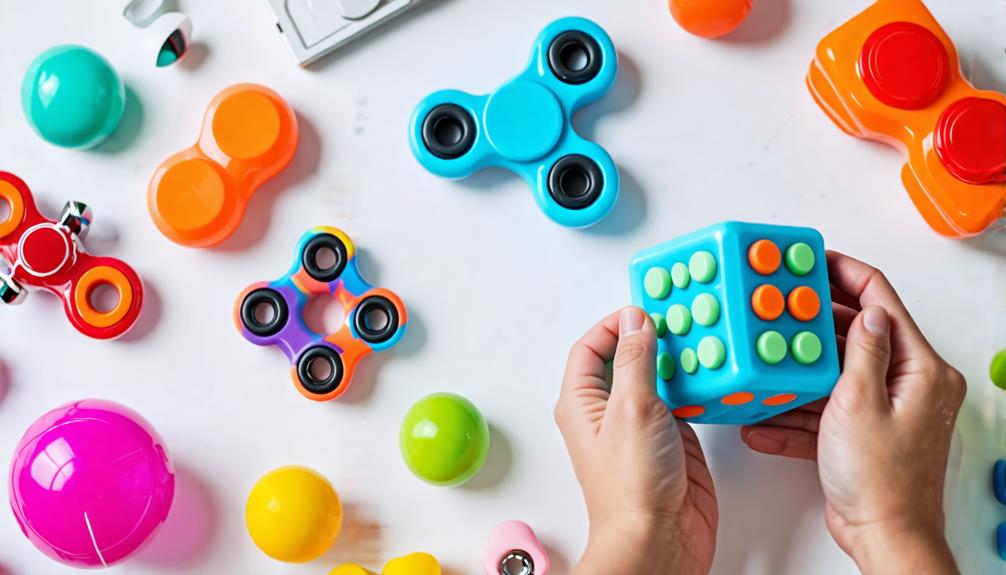
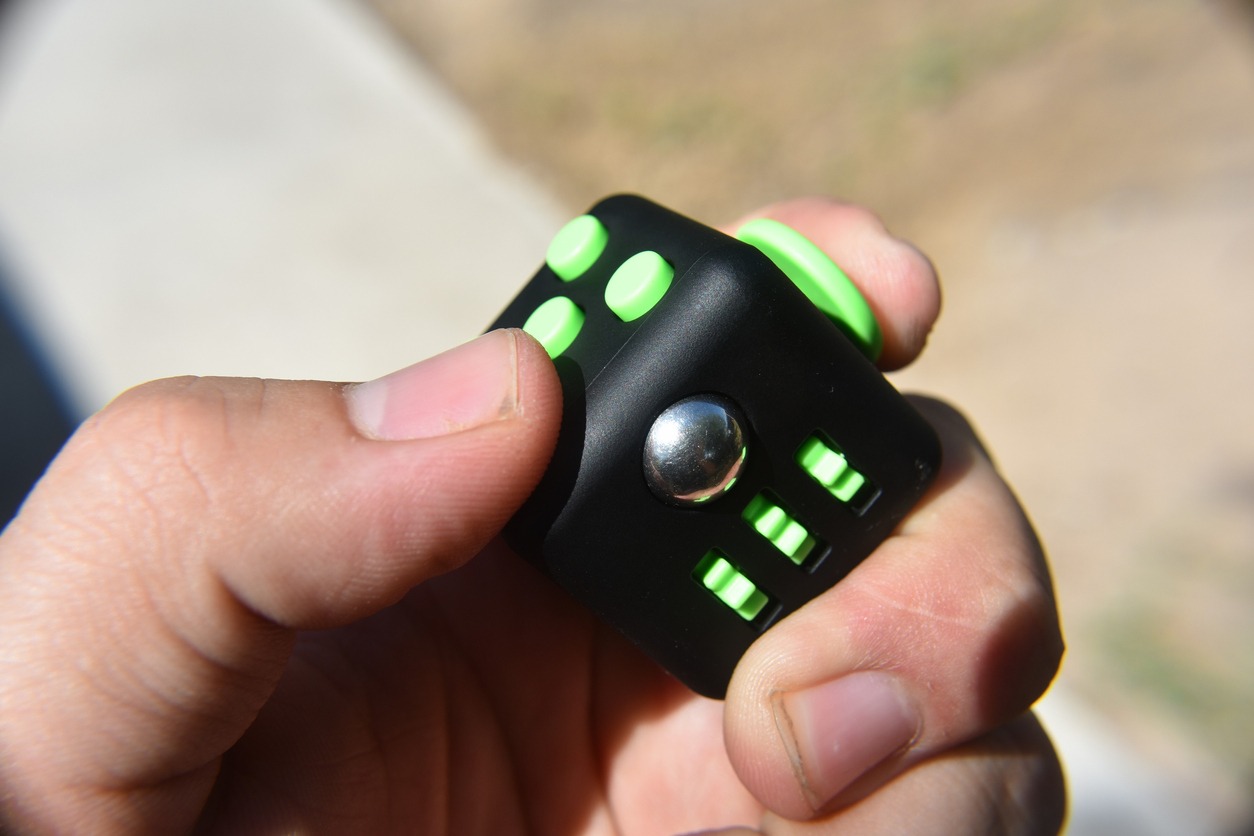
Diverse types of fidget toys, such as stress balls, fidget spinners, and malleable putty, offer unique sensory engagement benefits. These toys not only promote fine motor skills but also provide stress relief. By interacting with various textures and movements, children can enhance their dexterity and focus.
Sensory Engagement Benefits
Fidget toys, such as sensory squares and scented kneadable erasers, offer tactile engagement that enhances sensory input, aiding children in regulating their nervous systems and improving focus. These toys provide a hands-on approach to sensory engagement, which is crucial for overall development. Various types of fidget toys serve multiple functions, from strengthening hand muscles to refining fine motor skills.
Malleable putty is a popular choice for its dual benefits: stress relief and fine motor skill development through repetitive manipulation, essential for tasks like writing. Research indicates that children who use fidget toys during learning activities can improve information retention, with studies noting a 10% increase in academic performance.
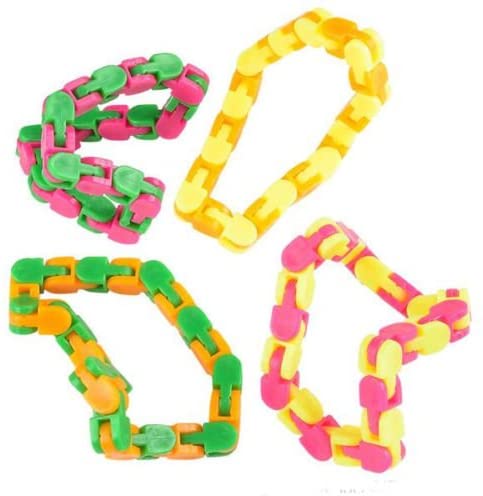
Other options include squeezable stress balls and bendable sticks, which allow for diverse hand movements, enhancing dexterity and coordination necessary for everyday activities like buttoning clothes. The wide variety of fidget toys ensures that all children, including those with learning disabilities, can find a toy that meets their sensory needs, facilitating engagement and skill development.
Stress Relief Mechanisms
Engaging in the repetitive manipulation of stress balls and fidget spinners provides a tangible method for alleviating anxiety and enhancing fine motor skills in children. These fidget toys offer sensory input that helps regulate the nervous system, making them effective for stress relief. By squeezing a stress ball or spinning a fidget spinner, children can channel their energy and reduce anxiety, leading to better concentration.
Beyond stress relief, these toys benefit fine motor skill development by engaging the small muscles in the hands. Malleable putty and other tactile fidgets are excellent examples. When kids knead putty, they strengthen the muscles needed for tasks like writing and buttoning clothes. This dual action of calming the mind and working the hands makes fidgets particularly valuable.
Research indicates that fidgeting can improve information retention. For instance, students with ADHD showed a 27% improvement in academic scores when using these tools. Scented fidget toys, such as kneadable erasers, add another layer of sensory engagement by combining calming scents with fine motor skill improvement.
Benefits of Fidget Toys
Fidget toys can significantly enhance fine motor skills in children by encouraging repetitive hand movements that improve dexterity and coordination. For example, using a fidget spinner requires continuous spinning, engaging the small muscles in the hands. This repetitive action not only builds strength but also enhances hand-eye coordination.
Additionally, fidget toys can improve focus and attention. Children with ADHD, for instance, may see up to a 27% increase in academic performance when using these toys. The tactile feedback they provide helps regulate the nervous system, making it easier for children to concentrate on learning tasks.
Fidget toys also support the development of essential skills needed for daily activities, such as writing, buttoning clothes, and using utensils. Strengthening the small muscles in the hands enables children to perform these tasks more independently and with greater ease.
Furthermore, incorporating fidget toys into learning environments can enhance focus and improve information retention. The act of fidgeting stimulates cognitive development, aiding children in processing and retaining new information more effectively. In summary, fidget toys offer numerous benefits that extend beyond simple distraction or entertainment.
How Fidget Toys Work
Understanding how fidget toys work can help you appreciate their impact on fine motor skills and cognitive development in children. Fidget toys engage children in repetitive manipulation, improving fine motor control by promoting dexterity and coordination through active use of the hands. When kids interact with various fidget toys, they receive valuable tactile feedback that enhances sensory processing, aiding in the development of small muscle strength and control in their fingers and hands.
Studies indicate that fidgeting with objects can sharpen focus and attention, leading to better engagement during tasks requiring fine motor skills. The use of fidget toys stimulates the brain by sending signals that regulate alertness, increasing the likelihood of sustained attention and improved motor performance.
Regular manipulation of fidget toys can lead to long-term improvements in fine motor skills. The repetitive actions involved reinforce muscle memory and coordination. By incorporating a variety of these toys, you can provide diverse sensory experiences that contribute to comprehensive motor skill development. Ultimately, fidget toys are more than just fun gadgets; they are essential tools that support the intricate development of a child's motor abilities and cognitive focus.
Classroom Implementation Tips

To effectively integrate fidget toys in the classroom, establish clear guidelines to ensure they serve as learning tools rather than distractions. Start by setting specific rules for their use, and make sure students understand that fidget toys should be kept out of sight when not in use to minimize distractions. Emphasize that these tools are designed to support fine motor skill development and enhance focus during lessons.
Encourage students to select fidget toys that meet their individual sensory needs, as personalizing their use can significantly improve engagement and concentration. Incorporate fidget breaks into the daily routine, designating specific times for their use to help students regulate energy levels and maintain attention during learning activities.
Monitor the impact of fidget toy usage on students' performance. Research indicates that effective use of fidget toys can improve information retention and academic performance, particularly for students with learning disabilities. By carefully implementing these strategies, you can create a supportive environment that leverages the benefits of fidget toys to enhance learning and fine motor skill development.
Choosing the Right Fidget Toys
Selecting the right fidget toys is essential for fostering fine motor skills in children. When choosing these toys, prioritize options that enhance dexterity and coordination. Here are key considerations:
- Variety of Textures and Movements: Choose fidget toys with diverse textures and movements, such as putty, squeeze balls, and fidget spinners. This variety aids in developing grip and coordination as children interact with different surfaces and motions.
- Developmentally Appropriate Selection: Ensure the toys match the child's developmental stage. Developmentally appropriate toys keep children engaged and maximize their skill-building potential. Toys that are too advanced or too simple won't be as beneficial.
- Safety and Material: Opt for fidget toys made from safe, non-toxic materials. Prioritizing safety alongside skill development ensures peace of mind.
Consider the child's individual preferences and needs. Personalized fidget toys can lead to greater interest and sustained use, significantly impacting their fine motor skill improvement. With the right selection, you can make a notable difference in enhancing their coordination and dexterity.
Success Stories and Testimonials

Parents and educators have consistently reported the significant benefits of fidget toys in enhancing children's fine motor skills and focus. For example, a case study demonstrated that students using fidget toys experienced a 27% increase in academic scores, underscoring their potential to boost concentration and engagement in learning activities.
Educator testimonials reveal that integrating fidget toys into classroom settings has led to notable improvements in students' fine motor skills and attention spans, particularly for those with ADHD. Parents have observed that children who regularly use fidget toys show enhanced dexterity and better hand coordination in daily tasks, such as writing and buttoning clothing.
Here are some key success stories:
| Parent Experiences | Educator Testimonials | Research Findings |
|---|---|---|
| Enhanced hand coordination | Increased attention spans | 27% increase in academic scores |
| Greater dexterity in tasks | Improved fine motor skills | Immediate benefits observed |
| Better self-regulation | Effective for children with ADHD | Supported by occupational therapists |
Research supports these observations, showing that children using fidget toys, such as fidget spinners, exhibit short-term improvements in fine motor skills. Occupational therapists also endorse these toys, noting significant gains in fine motor control and self-regulation in therapy sessions.
Related posts