Wheatgrass and Digestive Health: How It Supports a Healthy Gut

When it comes to supporting digestive health, wheatgrass can be transformative. Rich in enzymes, vitamins, and chlorophyll, it enhances gut functionality. Its high enzyme content aids in more efficient food breakdown, leading to improved nutrient absorption. Additionally, wheatgrass serves as a natural detoxifier, promoting regular bowel movements and reducing bloating and gas. Interested in how this nutrient-dense plant can be incorporated into your daily routine and what scientific research supports its benefits? Let's delve deeper into the impressive ways wheatgrass can nurture a healthy gut.
Wheatgrass Nutritional Profile
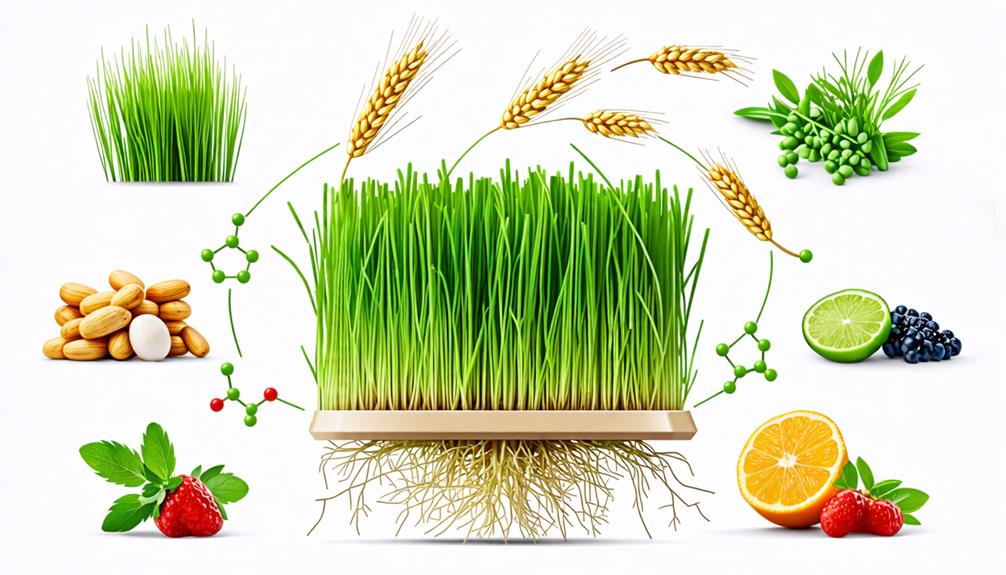
Wheatgrass boasts an impressive nutritional profile, rich in enzymes, dietary fiber, chlorophyll, and essential vitamins. Consuming wheatgrass introduces a powerhouse of nutrients into your diet, optimizing how your body processes food.
The enzymes in wheatgrass facilitate digestion and support nutrient absorption, ensuring efficient digestive system function. Dietary fiber, another key component, promotes bowel regularity and alleviates constipation, enhancing gut comfort.
Chlorophyll in wheatgrass acts as a natural detoxifier, helping to eliminate impurities and harmful byproducts from the digestive system. Additionally, wheatgrass is loaded with vitamins A, C, and E, which are crucial for maintaining a healthy gut lining. These vitamins serve as antioxidants, combating oxidative stress and reducing inflammation within the digestive tract.
Gut Health Benefits
Incorporating wheatgrass into your diet can significantly enhance gut health and improve digestive function. Wheatgrass is rich in fiber, which promotes regular bowel movements and alleviates constipation, ensuring your digestive system operates smoothly.
Moreover, wheatgrass aids in nutrient absorption, allowing your body to better utilize vitamins and minerals from the foods you consume. Its chlorophyll content acts as a natural detoxifier, cleansing the gut of toxins and fostering a healthier gastrointestinal environment.
Wheatgrass has also been linked to managing symptoms of gastrointestinal disorders like ulcerative colitis, contributing to improved digestive comfort. By detoxifying the digestive system and enhancing nutrient absorption, wheatgrass not only boosts digestive health but also supports a balanced gut environment. Including wheatgrass in your diet is an effective way to promote overall gut health.
Enzymes and Digestion

Wheatgrass, enriched with fiber and enzymes, significantly supports digestive health. These enzymes facilitate the breakdown of food, enhancing nutrient absorption and alleviating common digestive issues like bloating and gas. Efficient digestion promotes better nutrient uptake, contributing to overall intestinal health.
The high fiber content in wheatgrass aids in regular bowel movements, helping to relieve constipation and improve symptoms of irritable bowel syndrome (IBS). Additionally, the enzymes in wheatgrass work in harmony with prebiotics and probiotics to maintain a balanced gut microbiome, crucial for digestive well-being.
In summary, wheatgrass supports digestion by:
- Efficiently breaking down food
- Enhancing nutrient absorption
- Alleviating bloating and gas
- Promoting regular bowel movements
Incorporating wheatgrass into your diet can be transformative for your digestive system.
Prebiotics and Probiotics
Prebiotics and probiotics found in wheatgrass play a crucial role in promoting a healthy gut microbiome. The prebiotic compounds in wheatgrass support the growth of beneficial gut bacteria, essential for maintaining a balanced gut microbiome, which is vital for optimal digestive health and immune function. When you consume wheatgrass, its prebiotic properties nourish these beneficial bacteria, enhancing their ability to thrive in your digestive system.
Additionally, wheatgrass contains chlorophyll, which fosters an environment conducive to the proliferation of probiotics. This helps ensure a diverse gut flora, further supporting digestive health. The presence of probiotics in your diet, enhanced by wheatgrass, can lead to improved regularity and reduced gastrointestinal discomfort.
Moreover, the enzymes in wheatgrass aid in food digestion, promoting better nutrient absorption. By improving the effectiveness of probiotics, wheatgrass can help your digestive system function more efficiently, resulting in fewer digestive issues and better overall health. Incorporating wheatgrass into your routine is a simple yet effective way to support your gut microbiome and ensure your digestive system remains in peak condition.
Detoxification Support

Wheatgrass provides potent detoxification benefits due to its high chlorophyll content, which aids in eliminating impurities and toxins from the digestive system. This detoxifying effect enhances digestive health and contributes to a healthy gut by promoting the removal of harmful substances.
Rich in enzymes, wheatgrass aids in breaking down food, leading to improved nutrient absorption. This ensures the body can more effectively utilize consumed nutrients, thereby reducing digestive discomfort. For those experiencing bloating or constipation, wheatgrass can be particularly beneficial. Its capacity to alleviate these common digestive issues makes it a valuable addition to one's diet.
Regular consumption of wheatgrass also supports a balanced gut microbiome, fostering the growth of beneficial gut bacteria. A balanced gut microbiome is crucial for maintaining a robust digestive system and preventing various gastrointestinal troubles.
Key Benefits of Wheatgrass for Detoxification and Digestive Health:
- Eliminates impurities and toxins
- Enhances nutrient absorption through high enzyme content
- Reduces bloating and constipation
- Promotes a balanced gut microbiome
Consumption Methods
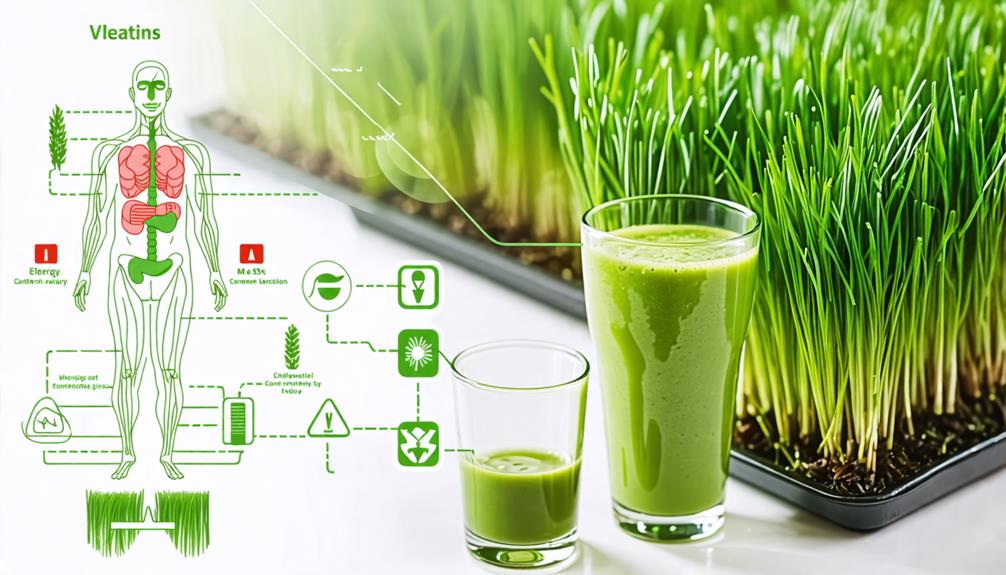
Wheatgrass can be enjoyed in various ways, with juice and powder being among the most popular forms. Fresh wheatgrass juice, typically consumed in 1-2 ounce shots, provides a concentrated source of nutrients that support digestive health. The high enzyme content in wheatgrass juice aids digestion, reducing gas and bloating while promoting overall digestive comfort. If the taste is too strong, mixing it with flavors like pineapple or citrus can improve its palatability without compromising its health benefits.
Wheatgrass powder is another versatile option that can be easily incorporated into your daily diet. It can be mixed into smoothies, sprinkled on salads, blended into dips, added to soups, or even used in desserts, enhancing the nutritional profile of these foods with minimal effort. This flexibility allows you to enjoy the digestive health benefits of wheatgrass without significantly altering your eating habits. The enzymes and nutrients in wheatgrass powder support gut health, improving digestion and reducing discomfort from gas and bloating. By integrating wheatgrass into your diet in these convenient forms, you can effortlessly support a healthy gut.
Safety and Allergies
Incorporating wheatgrass into your diet can offer various digestive benefits, but it's crucial to consider potential safety and allergy issues. While generally safe for most people, some may experience mild side effects such as nausea or headaches, particularly when first introduced. If you have allergies to wheat or grass, exercise caution. Although wheatgrass is inherently gluten-free, there is a risk of cross-contamination with gluten.
Certain groups should avoid wheatgrass due to the potential for bacteria and mold contamination, including pregnant and nursing women, young children, and immunocompromised individuals. Gradually introducing wheatgrass into your diet can help you assess your tolerance and reduce the risk of adverse reactions. Always consult a healthcare professional before adding wheatgrass to your diet, especially if you have existing health conditions or concerns about allergies.
Key points to keep in mind:
- Potential side effects: Nausea and headaches may occur initially.
- Allergy concerns: Be cautious if you have wheat or grass allergies.
- At-risk groups: Pregnant women, nursing mothers, young children, and immunocompromised individuals should avoid wheatgrass.
- Gradual introduction: Introduce wheatgrass slowly to gauge tolerance.
Future Research Directions
Ongoing research aims to uncover how wheatgrass can specifically improve gut health and influence the diversity and composition of gut microbiota. Scientists are keen to understand the precise mechanisms behind wheatgrass's benefits for digestive health. By examining its effects on gut microbiota, researchers hope to reveal how it helps maintain a balanced and diverse microbial environment.
Future studies could investigate how wheatgrass alleviates symptoms of digestive disorders like irritable bowel syndrome (IBS) and constipation, thanks to its high enzyme content. These enzymes play a significant role in boosting gastrointestinal health, potentially easing digestive discomfort and promoting overall digestive wellness.
Additionally, researchers are interested in evaluating the long-term impact of wheatgrass on gastrointestinal health and its role in preventing digestive diseases. By examining its prebiotic properties, they aim to understand how wheatgrass supports beneficial gut bacteria, which is vital for maintaining digestive health.
Future clinical trials will be important in validating anecdotal claims about wheatgrass's ability to improve digestive comfort and augment nutrient absorption. These trials will provide robust evidence on how wheatgrass can be effectively integrated into diets to promote optimal digestive health and wellness.