Wheatgrass and Skin Health: How It Can Improve Your Complexion
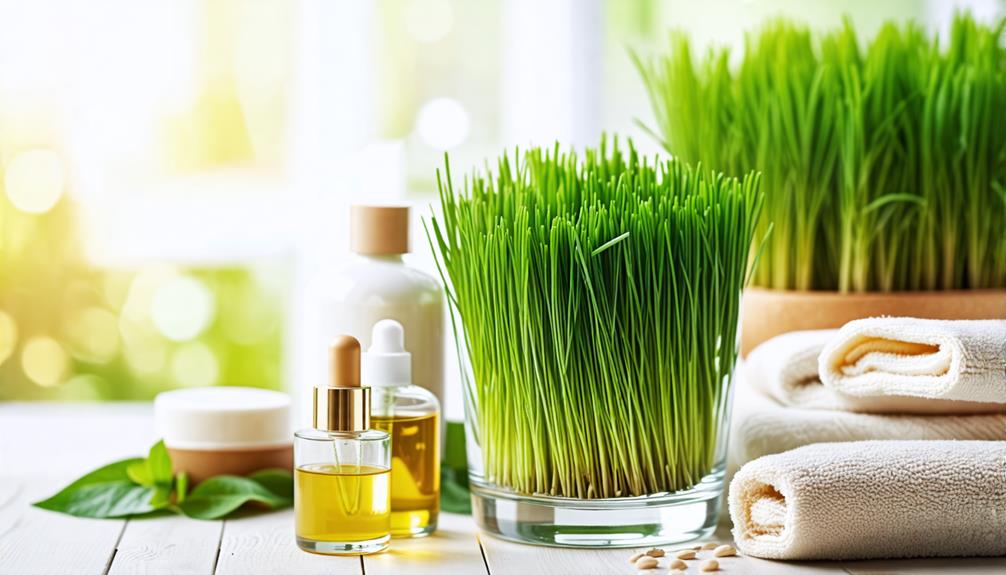
If you're looking for a natural way to enhance your complexion, wheatgrass could be the answer. Rich in essential vitamins like A, C, E, and K, and containing 17 amino acids, wheatgrass supports skin repair and regeneration. Its powerful antioxidants combat oxidative stress and boost collagen production, helping to keep your skin firm and youthful. Additionally, wheatgrass aids in detoxification, improves blood circulation, and provides anti-inflammatory benefits. Interested in incorporating it into your skincare routine? Explore the next steps to unlock its full potential.
Nutritional Profile
Wheatgrass is a nutritional powerhouse packed with essential vitamins, minerals, and amino acids that are crucial for healthy skin. By incorporating wheatgrass into your diet, you provide your skin with fundamental vitamins such as A, C, E, and K, which are vital for promoting a radiant complexion and maintaining overall skin health.
Wheatgrass contains 17 amino acids, the building blocks of proteins necessary for skin repair and general health. These amino acids aid in the regeneration of skin cells and tissue, contributing to a youthful appearance.
Additionally, wheatgrass boasts a high mineral content, including iron, magnesium, and calcium, which play significant roles in skin function and nourishment. These minerals support various skin processes, ensuring your skin remains well-nourished and functional. Consuming wheatgrass helps fortify your skin from within.
Moreover, wheatgrass is rich in antioxidants that combat oxidative stress and free radicals. These antioxidants protect your skin from environmental damage, safeguarding it from harmful pollutants. Overall, wheatgrass is a valuable addition to your daily routine, enhancing both your skin's and your general health.
Anti-Aging Benefits
Incorporating wheatgrass into your diet can significantly benefit your skin's anti-aging efforts. This superfood is rich in antioxidants that reduce oxidative stress and combat free radicals, which are known to accelerate skin aging, leading to fine lines and wrinkles. By neutralizing these harmful molecules, wheatgrass helps maintain a youthful complexion.
Additionally, wheatgrass is abundant in chlorophyll, which promotes skin hydration and elasticity, enhancing your skin's texture and suppleness. Here are the key ways wheatgrass can elevate your anti-aging skincare routine:
- Collagen Production: Regular consumption of wheatgrass stimulates collagen production, essential for maintaining skin firmness and reducing visible signs of aging.
- Anti-Inflammatory Properties: Wheatgrass's anti-inflammatory properties can soothe irritated skin and reduce redness, promoting a more even complexion.
- Dark Spot Reduction: Some evidence suggests that wheatgrass can diminish dark spots and blemishes, further improving skin radiance and clarity.
Incorporating wheatgrass into your daily regimen can be transformative for achieving youthful, radiant skin. Give it a try and experience the anti-aging benefits firsthand.
Detoxification Effects
Incorporating wheatgrass into your diet can naturally detoxify your body and skin, leading to a clearer and more radiant complexion. Wheatgrass juice is a potent detoxifier, primarily due to its high chlorophyll content, which enhances blood circulation. Improved circulation ensures that more oxygen and nutrients reach your skin cells, promoting overall skin health.
Wheatgrass contains over 100 essential elements, including antioxidants that combat free radicals and environmental toxins. By neutralizing these harmful substances, wheatgrass juice supports your skin's detoxification process, resulting in a clearer, more vibrant appearance. The antioxidants in wheatgrass also protect your skin from damage, contributing to a healthier look.
Additionally, the antibacterial and antiseptic properties of wheatgrass can help reduce skin blemishes. Regular consumption may also eliminate body odors as it detoxifies your system, creating a more pleasant overall body environment. By integrating wheatgrass juice into your daily routine, you are not only detoxifying your skin but also laying the foundation for a healthier and more glowing complexion.
Skin Healing Properties
Incorporating wheatgrass into your diet can significantly enhance your skin's healing process due to its high chlorophyll content. Wheatgrass is rich in antioxidants that repair damaged epidermal tissue, promote complete skin healing, and help inhibit acne breakouts while diminishing blemishes and scars, leading to clearer and healthier skin.
Regular consumption of wheatgrass can also alleviate symptoms of skin conditions such as eczema and psoriasis by boosting skin immunity. Its skin healing properties not only repair existing damage but also prevent future damage, contributing to a more radiant complexion.
Key benefits of wheatgrass for your skin include:
- Reduces Acne and Blemishes: The antioxidants in wheatgrass combat free radicals that cause acne and blemishes, helping maintain a clearer complexion.
- Soothes Skin Conditions: Wheatgrass has anti-inflammatory properties that can relieve the discomfort associated with skin conditions like eczema and psoriasis.
- Promotes Radiant Skin: Topical application of wheatgrass can result in a brighter and more luminous complexion, making it a valuable addition to your skincare routine.
Safety and Side Effects
While wheatgrass offers numerous benefits for your skin, it is crucial to be aware of potential safety concerns and side effects. For most people, wheatgrass is generally safe, but some might experience side effects like nausea, anorexia, and constipation. These side effects can be uncomfortable and may deter you from reaping its benefits.
If you have celiac disease or gluten intolerance, you should avoid wheatgrass due to its potential gluten content. Even though wheatgrass itself is gluten-free, cross-contamination can occur during processing, posing a risk to those with sensitivities.
Pregnant or breastfeeding women should avoid wheatgrass. The potential risks to maternal and child health are not yet fully understood due to the lack of comprehensive studies on its safety for this group.
For diabetics, wheatgrass can lower blood sugar levels, which may sound beneficial but poses risks if not monitored carefully. Always consult your healthcare provider if you have diabetes and are considering wheatgrass.
Its strong, earthy taste can be off-putting, but blending it with fruits or adding it to smoothies can make it more palatable, allowing you to enjoy its benefits without the unpleasant flavor.
Consumption Guidelines
When incorporating wheatgrass into your diet, start with small amounts to minimize digestive distress. Begin with about 1 ounce of juice or 3 grams of powder, allowing your body up to two weeks to adapt. Gradually increase your intake to the typical dosage of 1 to 4 ounces of juice or 3 to 5 grams of powder daily, depending on your health profile.
Here are some tips to ensure you get the most out of your wheatgrass consumption:
- Monitor Your Intake: Gradually increase the amount you consume to avoid overwhelming your digestive system.
- Consult a Healthcare Professional: If you have health conditions like diabetes or gluten intolerance, seek professional advice before starting.
- Mask the Taste: Wheatgrass has a strong earthy flavor. Blend it with fruits or add it to smoothies for a more enjoyable experience.
These guidelines will help you incorporate wheatgrass into your diet smoothly and effectively. Consistency is key to seeing improvements in your overall health and skin complexion. Stick with it, and you'll notice the benefits in no time.
Application Methods
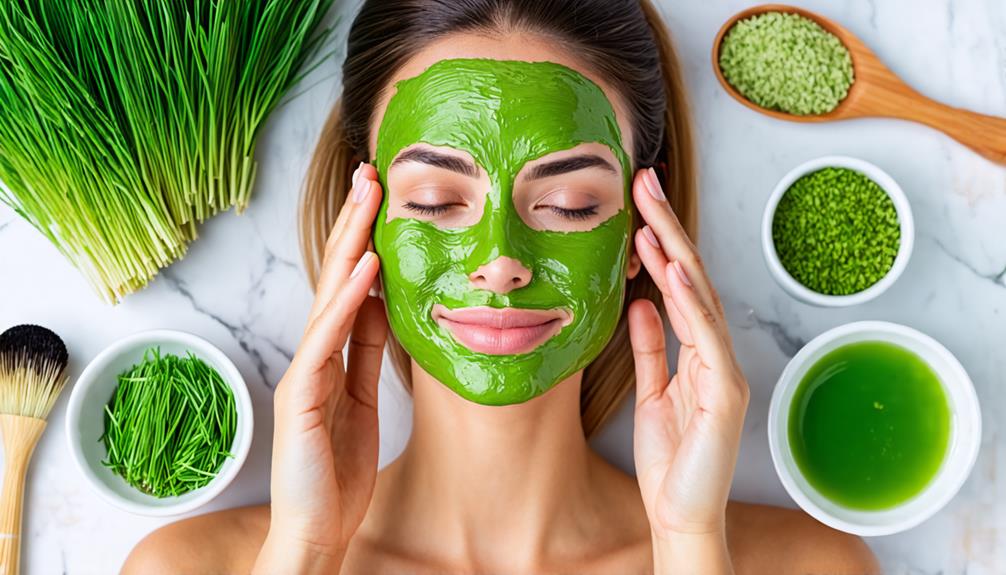
In the context of using wheatgrass for skin health, you can apply it topically or ingest it. Topical treatments such as serums and masks can directly nourish your skin, while consuming wheatgrass juice or powder can enhance your complexion from within. For optimal results, consider integrating both methods into your skincare routine.
Topical Wheatgrass Treatments
Applying wheatgrass juice directly to your skin for 20 minutes can significantly enhance nourishment and hydration. This topical application is an effective way to leverage wheatgrass's skin-repairing properties. Regular use can improve moisture retention and reduce signs of aging, leading to a healthier complexion.
Here are some methods you can try:
- Wheatgrass Juice Facial: Apply fresh wheatgrass juice to your face, leave it on for 20 minutes, and then rinse off. This helps improve skin texture and overall appearance.
- Wheatgrass and Egg White Mask: Mix wheatgrass juice with organic egg whites to create a firming mask. Apply evenly, let it sit for 20 minutes, then rinse with lukewarm water. This combination enhances the benefits of wheatgrass, offering a revitalizing treatment.
- Wheatgrass-Infused Skincare Products: Look for serums or masks that include wheatgrass as an ingredient. These products offer direct benefits such as hydration and anti-aging effects.
Dietary Wheatgrass Benefits
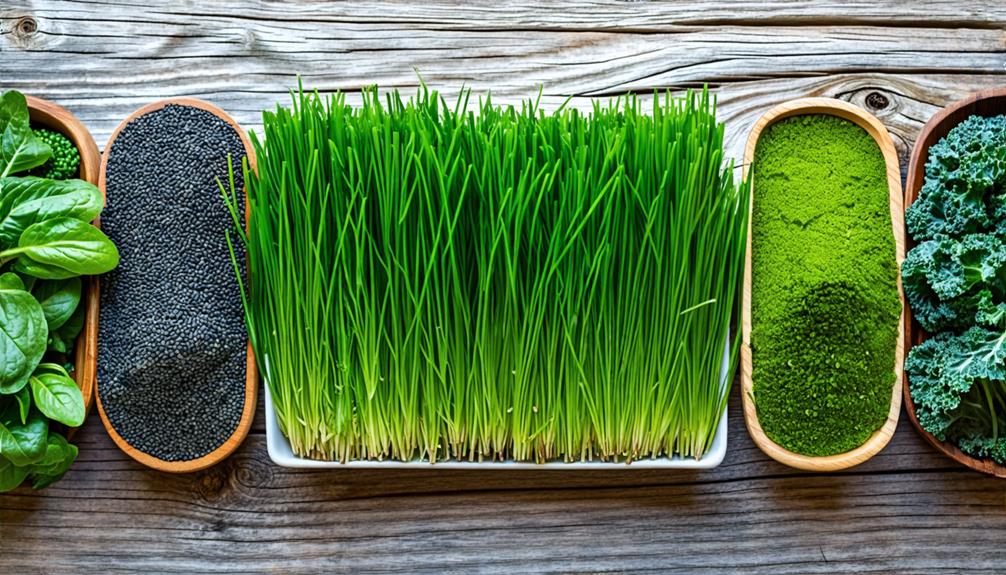
Incorporating wheatgrass into your diet can offer numerous skin health benefits due to its rich content of essential vitamins and antioxidants. Wheatgrass is available in various forms, including juice, powder, and capsules, making it convenient to integrate into your daily routine. Adding wheatgrass powder to your smoothies or juices not only enhances the flavor but also delivers vital vitamins A, C, and E, which are crucial for skin repair and hydration.
Here's a quick comparison of how you can incorporate wheatgrass into your diet:
| Method | Description |
|---|---|
| Juice | Freshly juiced wheatgrass |
| Powder | Mix with smoothies or water |
| Capsules | Convenient and easy to swallow |
Regular consumption of wheatgrass, with typical dosages ranging from 1 to 4 ounces of juice or 3 to 5 grams of powder daily, ensures a steady supply of these beneficial nutrients. Wheatgrass is rich in amino acids that aid in skin cell regeneration, promoting a youthful glow. By integrating wheatgrass into your diet, you provide your skin with the nutrients it needs to stay healthy, hydrated, and radiant. Don't underestimate the power of this green superfood; your complexion will thank you!
Quality Supplements
Choosing high-quality wheatgrass supplements requires careful label reading to avoid harmful fillers and ensure purity. When searching for the best options, prioritize those labeled as organic wheatgrass. Organic wheatgrass absorbs up to 90% of the minerals in the soil, maximizing the nutritional benefits of your supplement.
To ensure you're getting quality supplements, look for these key features:
- Purity and Ingredients: Examine the ingredient list for any unnecessary fillers or additives. High-quality supplements should primarily contain wheatgrass, ensuring you're not consuming anything harmful or that could reduce the product's effectiveness.
- Nutrient Density: Select supplements rich in phytonutrients, live enzymes, and antioxidants. These components are essential for providing energy-boosting and alkalizing benefits, which can significantly improve your overall health.
- Reputable Brands: Choose brands known for their quality. For instance, Brightcore Nutrition offers organic wheatgrass supplements that meet these high standards.
Professional Skin Care
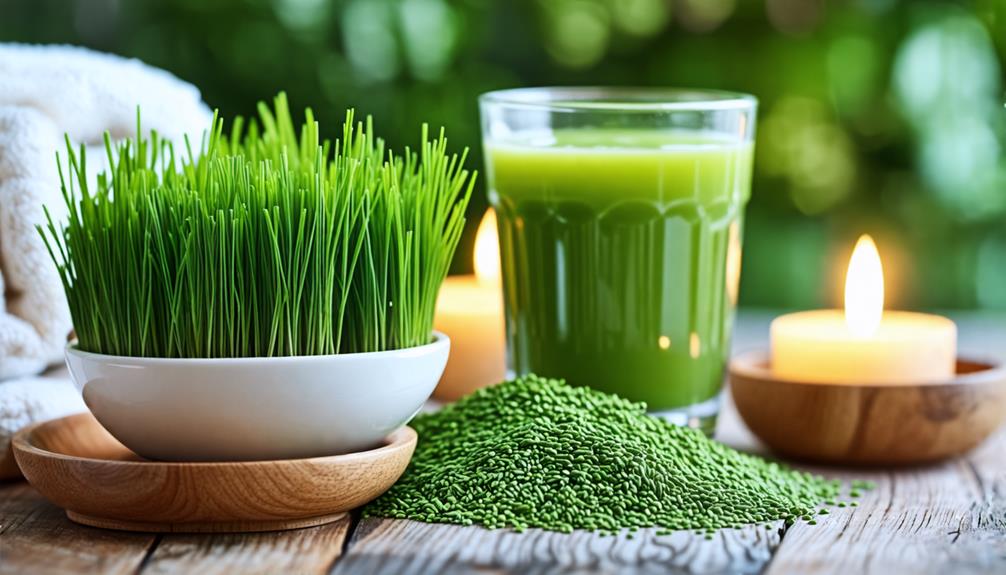
Professional skin care treatments leverage the powerful benefits of wheatgrass to effectively nourish and rejuvenate your skin. Specialized centers, such as the GW Center for Laser and Cosmetic Dermatology, use advanced techniques in their facials to enhance the natural properties of wheatgrass. Rich in antioxidants, wheatgrass helps combat free radical damage, significantly improving skin texture and radiance.
For those dealing with conditions like eczema and psoriasis, professional treatments can be especially beneficial. Dermatologists often recommend incorporating wheatgrass into personalized skin-care routines due to its regenerative and healing properties. Its nourishing and hydrating elements can soothe irritated skin, providing relief and promoting healing.
Brands like Joanna Vargas incorporate wheatgrass into their skincare lines, ensuring optimal skin care. Regular professional treatments can transform your complexion, reducing symptoms of eczema and psoriasis while enhancing overall skin health. Many dermatologists use social media to educate patients about the benefits of natural ingredients like wheatgrass. By following their advice, you can fully harness the potential of wheatgrass for a healthier, more radiant complexion.