Wheatgrass for Energy and Vitality: Boost Your Daily Performance
Feeling sluggish and struggling to maintain your daily energy levels? Wheatgrass might be the natural solution you've been searching for. This superfood boasts an impressive nutritional profile, packed with essential vitamins, minerals, and amino acids. Not only does it help combat fatigue, but it also aids in detoxification and enhances oxygen transport in your body. Imagine adding wheatgrass to your morning smoothie or juice and experiencing a noticeable boost in energy and overall performance. Curious about how it can fit into your routine and any potential risks?
Causes of Low Energy
Low energy frequently stems from poor sleep, inadequate nutrition, and a sedentary lifestyle, all of which contribute significantly to fatigue. Medical conditions such as anemia, diabetes, and heart problems can also lead to chronic exhaustion, exacerbating feelings of low energy. Additionally, mental health issues like depression and anxiety often co-occur with low energy levels, creating a cycle of fatigue and emotional distress.
Addressing low energy involves evaluating your nutrition. Nutrient-dense greens, such as those found in wheatgrass juice, are rich in essential vitamins and minerals that support immune function and mental health. Including these greens in your diet can help alleviate fatigue and boost energy levels.
Fatigue may also present with other symptoms like memory problems, pain, and digestive issues, indicating a more complex underlying health concern. Seeking medical advice is crucial for a comprehensive diagnosis and treatment plan. By addressing lifestyle factors and understanding potential medical conditions, you can take significant steps toward improving your overall well-being and restoring your energy levels.
Wheatgrass Benefits
Wheatgrass is a nutrient-dense superfood rich in essential vitamins and minerals. It bolsters your immune system, aiding in maintaining health and vitality. Even a small amount can provide a significant boost, making it a valuable addition to your daily regimen.
Nutrient-Dense Superfood
Wheatgrass: A Nutrient-Dense Superfood
Wheatgrass is a powerful superfood, packed with over 100 essential nutrients that significantly enhance your diet and overall health. This nutrient-rich food contains vital vitamins such as A, C, E, and K, and minerals like iron, calcium, and magnesium. Just one ounce of wheatgrass equates to approximately 2.5 pounds of vegetables, providing a concentrated source of nutrients that boost energy and improve holistic well-being.
The high chlorophyll content in wheatgrass aids in detoxifying the body and balancing pH levels, which enhances oxygen transport in the bloodstream. Rich in antioxidants, wheatgrass helps combat free radical damage, potentially reducing the risk of chronic diseases. Regular consumption of wheatgrass has been linked to increased metabolism, better digestion, and enhanced endurance, making it particularly beneficial for athletes and those looking to improve daily performance.
Key benefits of adding wheatgrass to your diet include:
- Boosts energy levels
- Enhances digestion
- Detoxifies the body
- Improves endurance
Incorporating wheatgrass into your daily routine can help elevate your overall health and vitality.
Immune System Support
Wheatgrass provides notable immune system support by enhancing red blood cell production and optimizing oxygen transport throughout the body. The chlorophyll in wheatgrass boosts red blood cell production, essential for maintaining energy and vitality. Improved oxygen transport ensures that organs and tissues function effectively, forming a robust foundation for the immune system.
Rich in antioxidants, wheatgrass combats oxidative stress, a significant contributor to inflammation and compromised immune function. It is abundant in vitamins A, C, and E, which are crucial for a strong immune system and help protect against infections. These vitamins work synergistically to strengthen immune defenses, reducing susceptibility to illnesses.
Regular consumption of wheatgrass can also help regulate blood sugar levels. Stable blood sugar is vital for immune health, as imbalances can increase vulnerability to infections and other health issues. Additionally, wheatgrass has detoxifying properties that aid in eliminating heavy metals and toxins from the body, further supporting immune health and enhancing natural defense mechanisms. Incorporating wheatgrass into your daily routine promotes overall wellness and strengthens your immune system.
Nutritional Profile

Wheatgrass is a nutritional powerhouse, loaded with over 100 essential nutrients, including vitamins, minerals, and amino acids, making it an excellent choice for boosting energy and overall health. Its rich chlorophyll content not only gives it its vibrant green color but also enhances its detoxifying properties, aiding in body cleansing and alkalization.
Key components that contribute to wheatgrass's nutrient density include:
- Vitamins: Abundant in vitamins A, C, E, K, and B-complex, wheatgrass supports various bodily functions and enhances vitality.
- Minerals: Rich in essential minerals such as iron, magnesium, and calcium, it helps maintain strong bones and overall health.
- Amino Acids: Containing 20 essential amino acids, wheatgrass aids in muscle repair and energy regulation.
- Chlorophyll: Making up about 70% of wheatgrass, chlorophyll supports detoxification and improves digestion.
Incorporating wheatgrass into your diet can significantly boost your vitality and well-being, making it an excellent choice for enhancing your nutritional intake.
Consumption Methods
Wheatgrass can be seamlessly integrated into your diet through various forms, each offering unique benefits and convenience. One of the most popular ways to consume wheatgrass is in juice form. A small shot of freshly juiced wheatgrass (about 30 ml) can provide a potent energy boost and maximize nutritional intake due to its rich enzymes and nutrients.
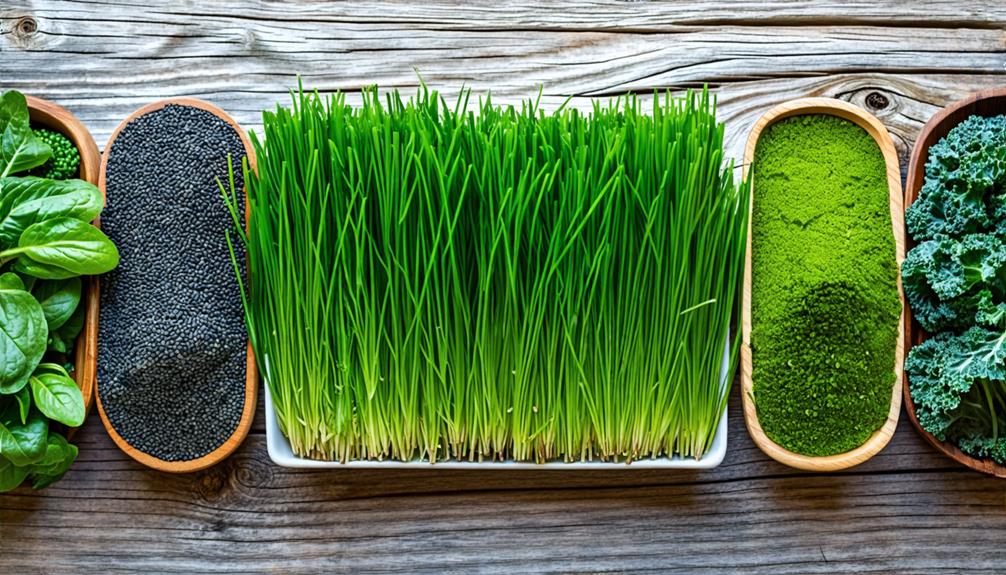
For those seeking versatility, wheatgrass powder is an excellent option. It can be easily mixed into smoothies, juices, or even baked goods, enhancing both flavor and health benefits with minimal effort.
If the taste of wheatgrass juice or powder doesn't appeal to you, capsules are a convenient alternative. They deliver the same nutritional benefits in a tasteless, easy-to-swallow form, making it simple to include in your daily routine without any hassle.
These consumption methods ensure you reap the energy boost and health benefits of wheatgrass in a way that fits your lifestyle. Whether you choose the immediate impact of wheatgrass juice, the flexibility of powdered wheatgrass, or the convenience of capsules, you'll find a method that works for you.
Detox and Weight Loss
Incorporating wheatgrass into your diet can significantly aid in detoxifying the body and supporting weight loss efforts. Its high chlorophyll content helps remove heavy metals and toxins, promoting improved overall health and vitality. By including wheatgrass powder in detox programs, you can enhance your metabolic rate, making it easier to maintain or lose weight. Additionally, wheatgrass helps regulate blood sugar levels, which is essential for preventing cravings and managing weight.
Here's how wheatgrass can benefit your detox and weight loss journey:
- High chlorophyll content: Acts as a natural detoxifier, cleansing your system of toxins.
- Boosts metabolic rate: Supports faster metabolism, aiding in weight loss.
- Regulates blood sugar levels: Helps prevent unhealthy cravings and maintain steady energy levels.
- Nutrient-dense: Provides the equivalent of 2.5 lbs of vegetables per ounce, ensuring your body receives essential vitamins and minerals.
Risks and Side Effects
While wheatgrass offers numerous health benefits, it's essential to be aware of potential risks and side effects. Generally safe for most people when consumed in moderation, wheatgrass can nonetheless cause allergic reactions, especially if you have sensitivities to grasses. Symptoms such as rash, itching, or breathing difficulties warrant discontinuation and medical consultation.
Excessive intake of wheatgrass may lead to digestive issues, including nausea and appetite loss. To minimize these effects, start with a small amount and gradually increase your intake. Pregnant or nursing individuals should consult their healthcare provider before incorporating wheatgrass into their diet due to insufficient research on its safety during these periods.
Long-term use of wheatgrass requires caution. Limited studies exist on its long-term effects and potential allergies, so monitor your body's response over time. Additionally, the quality of wheatgrass products can vary, affecting safety. Always choose high-quality sources to avoid contaminants and ensure optimal benefits. Remember, moderation and quality are key to safely incorporating wheatgrass into your routine.
Interesting Facts

Wheatgrass, despite its potential risks, is renowned as a superfood with several notable attributes. One ounce of wheatgrass offers the nutritional equivalent of 2.5 pounds of vegetables, making it an efficient choice for those seeking to boost their energy and overall health without consuming large amounts of food.
Wheatgrass is composed of over 70% chlorophyll, a compound celebrated for its detoxifying properties and its role in enhancing oxygen transport within the body. This can improve general performance, particularly beneficial for athletes aiming for a natural advantage.
Additionally, wheatgrass is rich in essential vitamins such as A, C, E, and K, as well as important minerals like iron, calcium, and magnesium. These nutrients are crucial for maintaining high energy levels and metabolic health.
Key facts about wheatgrass include:
- One ounce provides the nutritional value of 2.5 pounds of vegetables.
- Contains over 70% chlorophyll, known for detoxifying properties.
- High in essential vitamins (A, C, E, K) and minerals (iron, calcium, magnesium).
- Popularized in the 1930s by agricultural chemist Charles Franklin Schnabel.
Incorporating wheatgrass into your daily routine can significantly enhance both health and performance.