Wheatgrass for Weight Loss: Can It Help You Shed Pounds?
You might wonder if wheatgrass could be the secret weapon for your weight loss journey. With its impressive nutrient density and fiber content, wheatgrass has the potential to help control appetite and reduce cravings. But how exactly does it work, and what makes it different from other weight loss aids on the market? Understanding its nutritional profile and benefits could unlock more effective weight management strategies. Curious about how to incorporate it into your diet and any possible health precautions? Let's explore further.
What Is Wheatgrass?
Wheatgrass is the young shoot of the wheat plant, celebrated for its dense nutritional profile and potential health benefits. It's rich in essential vitamins such as A, C, E, and K, as well as key minerals like magnesium, calcium, and iron. Consuming wheatgrass allows you to benefit from a nutrient-dense superfood that provides more than just your daily dose of vitamins and minerals.
One of wheatgrass's notable features is its high chlorophyll content, which gives it a vibrant green color and supports detoxification and oxidative stress reduction, thereby enhancing overall health. For those targeting weight management, wheatgrass can be particularly beneficial. The presence of thylakoids in wheatgrass promotes a feeling of fullness, which can help reduce cravings and snacking, thus supporting weight management goals.
Incorporating wheatgrass into your diet, whether in juiced or powdered form, can significantly boost your nutrient intake. Just 1 oz of wheatgrass juice can fulfill a substantial portion of your daily vitamin requirements, providing 240% of the Recommended Daily Allowance (RDA) for vitamin A and 93% for vitamin C.
Nutritional Profile
Wheatgrass offers a nutrient-dense profile ideal for supporting weight loss. Rich in essential vitamins like A and C, and minerals such as iron, it helps maintain energy levels and overall health. Its high protein and fiber content also promote feelings of fullness, making it easier to adhere to a balanced diet.
Rich Nutrient Content
An ounce of wheatgrass is a powerhouse of essential nutrients, offering a beneficial mix of protein, fiber, and vitamins that can enhance any weight loss plan. This nutrient-dense superfood provides 8 grams of protein and 8 grams of dietary fiber per ounce, all within just 120 calories. These features make wheatgrass a low-calorie, filling addition to your meals, helping you feel fuller for longer and reducing unhealthy cravings.
Wheatgrass is abundant in key vitamins, providing 240% of your recommended daily allowance (RDA) of vitamin A and 93% RDA of vitamin C. These vitamins not only bolster your immune system but also contribute to overall well-being, making your weight loss journey more manageable and sustainable.
In addition to vitamins, wheatgrass is rich in essential minerals such as iron, calcium, and magnesium, which are crucial for muscle function and energy metabolism. Its high chlorophyll content (70%) may also aid in detoxification and enhance nutrient absorption from other foods you consume.
Loaded with antioxidants, wheatgrass combats oxidative stress, promotes cellular health, and may improve metabolic efficiency—all important factors for effective weight loss.
Essential Vitamins and Minerals
Loaded with essential vitamins and minerals, wheatgrass offers a potent nutritional profile beneficial for weight loss and overall health. This green superfood is rich in protein and dietary fiber, each providing 8 grams per 1 ounce (28 grams). These nutrients promote satiety, help manage calorie intake, and support weight management goals.
Here's a breakdown of key vitamins and minerals in wheatgrass:
| Nutrient | Percentage of RDA per 1 oz (28g) | Benefits |
|---|---|---|
| Vitamin A | 240% | Supports immune health |
| Vitamin C | 93% | Enhances immune function and overall health |
| Iron | 356% | Boosts energy levels and reduces fatigue |
| Magnesium | High | Supports muscle function and metabolism |
| Calcium | High | Crucial for bone health and metabolic processes |
Furthermore, wheatgrass is rich in chlorophyll, making up 70% of its content. Chlorophyll aids in detoxification and enhances nutrient absorption, maximizing the effectiveness of your diet. The high iron content, which is more readily absorbable than many supplements, plays a crucial role in maintaining energy levels, essential for adhering to a weight loss routine. Incorporating wheatgrass into your daily regimen can provide a comprehensive array of vitamins, minerals, and other nutrients that support overall health and weight management.
Key Vitamins
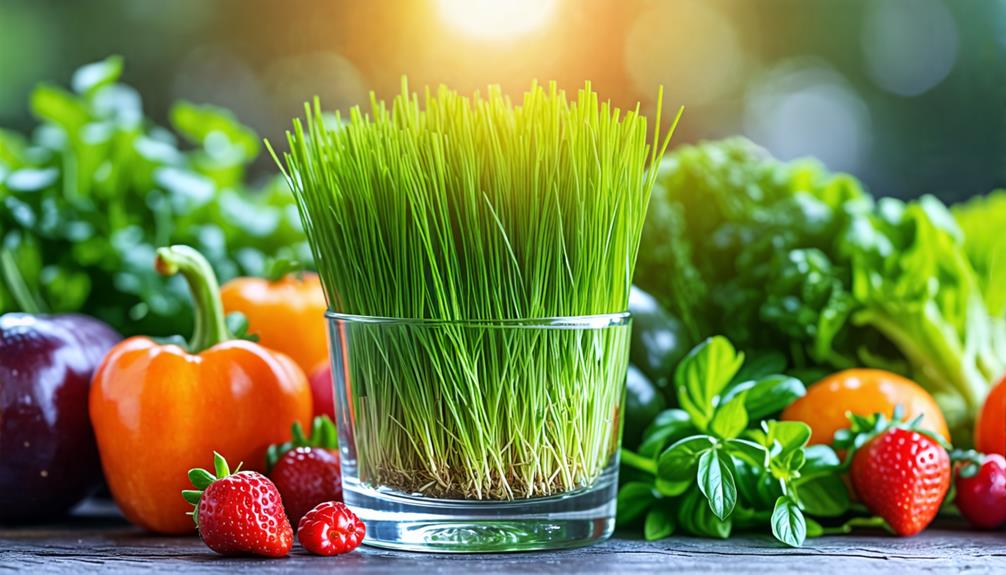
Incorporating wheatgrass into your diet enriches your intake of essential vitamins A, C, and E. These vitamins serve as potent antioxidants, shielding your body from oxidative stress and promoting overall health. By boosting your immune function, wheatgrass can also support your weight loss efforts.
Immune System Boost
Incorporating wheatgrass into your diet can significantly enhance your immune system due to its rich content of essential vitamins such as A, C, E, and K. Wheatgrass is particularly high in vitamin C, offering 93% of the recommended daily allowance (RDA) in just 1 oz. This vitamin not only bolsters your immune system but also serves as a potent antioxidant, protecting your cells from damage. Vitamin A, another key nutrient in wheatgrass, supports healthy mucous membranes and overall immune function, providing 240% of the RDA per ounce.
Vitamin E in wheatgrass promotes healthy skin and hair while also supporting immune function. It acts as an antioxidant, protecting your cellular health from free radicals. Additionally, the vitamin K content in wheatgrass is crucial for healthy blood clotting, reducing the risk of excessive bleeding, and contributing to complete immune health. The synergy of these vitamins enhances your immune response and may contribute to faster recovery from illnesses. By integrating wheatgrass into your diet, you not only gain these health benefits but also support your body's natural defenses, making it easier to maintain overall wellness.
Antioxidant Powerhouse
Ever wonder how incorporating wheatgrass into your diet could boost your health and support weight loss? Wheatgrass is an antioxidant powerhouse rich in essential vitamins that enhance overall well-being. Here's why:
- Vitamin C: Just one ounce of wheatgrass juice provides 93% of your daily vitamin C needs. This vitamin is crucial for immune function and collagen formation, which supports metabolic processes and can aid in weight loss.
- Vitamin A: Wheatgrass is packed with vitamin A, delivering 240% of the RDA per ounce. Vitamin A supports cell growth and immune function, contributing to a healthier metabolism.
- Glutathione: This potent antioxidant in wheatgrass aids in detoxification. By enhancing metabolic efficiency, it can help with effective weight management.
- Chlorophyll: Abundant in wheatgrass, chlorophyll offers antioxidant benefits and may reduce inflammation. Lower inflammation levels can be advantageous for weight loss.
Essential Minerals
Wheatgrass is rich in essential minerals such as iron, magnesium, and calcium, which are vital for overall health. These minerals significantly contribute to the health benefits of wheatgrass, which can aid in your weight loss journey. Iron improves metabolic health by enhancing oxygen transport in the blood. A single 1-ounce serving of wheatgrass provides an impressive 356% of the Recommended Dietary Allowance (RDA) for iron, making it a potent addition to a nutritious diet.
Magnesium in wheatgrass supports muscle and bone function, crucial for weight loss through exercise. Additionally, magnesium promotes relaxation and can alleviate symptoms of depression, helping you maintain a positive outlook during your weight loss efforts.
Calcium, another essential mineral in wheatgrass, helps maintain strong teeth and bones, reducing the risk of osteoporosis. With just a 1-ounce serving containing 12% of the RDA for calcium, incorporating wheatgrass into your diet can significantly boost your overall health.
Weight Management
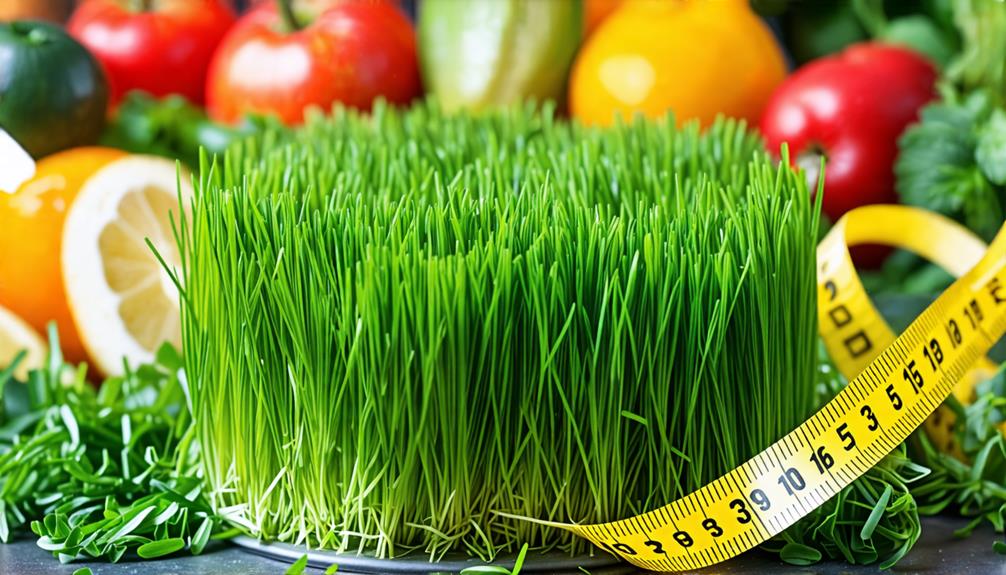
Enhancing your weight loss journey, wheatgrass offers a potent blend of nutrients and properties that support effective weight management. Rich in essential nutrients yet low in calories, wheatgrass can be an excellent addition to your diet, aiding various aspects of health and weight loss.
Here's how wheatgrass can benefit your weight management efforts:
- Nutrient Density: Just 1 oz of wheatgrass provides a concentrated dose of vitamins and minerals with only about 30 calories. It's an efficient way to boost your nutrient intake without significantly increasing your calorie consumption.
- Metabolism Boost: Regular consumption of wheatgrass may stimulate your thyroid gland, potentially improving your metabolism and helping you burn calories more efficiently, thus aiding in weight loss.
- Appetite Control: High in fiber, wheatgrass can help you feel fuller for longer, assisting in appetite control and reducing overall calorie intake, which can support your weight loss goals.
- Blood Sugar Regulation: The fiber in wheatgrass also helps regulate blood sugar levels, preventing spikes and crashes that can lead to cravings and overeating.
Incorporate wheatgrass into smoothies or juices to easily enhance the nutrient density of your meals while supporting your weight management efforts.
Satiety and Thylakoids
Harness the power of thylakoids found in wheatgrass to enhance feelings of fullness and effectively curb hunger. Thylakoids have been shown to elevate satiety by reducing hunger hormone levels, aiding in better appetite management—crucial for weight control. When you feel fuller for longer, you're less likely to snack frequently, leading to a lower total calorie intake.
Research indicates that thylakoids can slow down stomach emptying, prolonging the sensation of fullness. This effect is especially beneficial after high-carb meals, as it can help manage post-meal hunger spikes. Incorporating wheatgrass into your diet, particularly with high-carb foods, enhances this satiety effect, making it easier to adhere to weight loss goals.
Additionally, wheatgrass is rich in dietary fiber, which works synergistically with thylakoids to promote satiety. This combination can be a powerful tool in weight management, helping you control your appetite and reduce overall calorie intake. Adopt wheatgrass to support your journey toward effective weight loss.
Antibacterial Properties

Wheatgrass extracts are renowned for their potent antibacterial properties, making them an effective natural remedy against bacterial infections, including those resistant to antibiotics. This efficacy is largely attributed to its high chlorophyll content, which not only imparts a vibrant green hue but also provides powerful antibacterial effects.
Incorporating wheatgrass into your daily routine can significantly enhance your immune system, aiding in maintaining overall health while supporting weight loss efforts. Here's how wheatgrass's antibacterial properties can benefit you:
- Fighting Bacterial Infections: Wheatgrass extracts have demonstrated effectiveness against stubborn bacteria like Yersinia enterocolitica and Listeria, offering a natural alternative for combating infections.
- Enhancing Oral Health: Regular use of wheatgrass can inhibit the growth of harmful bacteria in the mouth, promoting better oral hygiene and reducing the risk of dental problems.
- Strengthening the Immune System: By bolstering the body's defense against bacterial infections, wheatgrass contributes to better overall health, facilitating a more active and focused lifestyle conducive to weight loss.
- Natural Antibiotic Alternative: The antibacterial properties of wheatgrass underscore its potential role in alternative medicine, providing natural solutions for bacterial strains resistant to conventional antibiotics.
Incorporating wheatgrass into your health regimen could be transformative, offering numerous benefits that extend beyond weight loss.
Dietary Integration
Incorporating wheatgrass into your diet is straightforward, thanks to its versatility in various forms like juice, powder, and shots. Adding 1 to 2 ounces of wheatgrass juice to your smoothies or salads can enhance their nutritional profile while promoting satiety due to its fiber content. This can help you feel fuller for longer, which is beneficial for weight management.
You can also mix wheatgrass powder into soups and dressings. It's a convenient way to boost nutrition without significantly altering the flavors of your favorite recipes. Starting with small amounts and gradually increasing your intake can help you assess tolerance and optimize benefits without causing digestive discomfort.
Regular consumption of wheatgrass, combined with a balanced diet and exercise, can support your weight management goals. Wheatgrass is known to reduce cravings and promote feelings of fullness, thanks to its thylakoid content. This can make adhering to a balanced diet easier, as you're less likely to overeat.
Health Precautions

Before incorporating wheatgrass into your weight loss regimen, it is crucial to consider several health precautions. Begin with a small dose to monitor for any adverse effects, and always consume it fresh. If you are pregnant, nursing, or have any medical conditions, consult your healthcare provider beforehand.
Potential Side Effects
When starting with wheatgrass, begin with small amounts to gauge your body's tolerance and avoid potential digestive discomfort. While wheatgrass offers numerous health benefits, it's important to be aware of its potential side effects. Some individuals may experience digestive issues like nausea or bloating, particularly if consumed in large amounts or introduced too rapidly into the diet.
Consider the following key points:
- Assess Tolerance: Start with a small dose, around 1 oz, to see how your body reacts. This can help avoid digestive discomfort and other adverse reactions.
- Consult Your Doctor: If you have existing health conditions, are pregnant, or breastfeeding, consult your doctor before adding wheatgrass to your diet.
- Allergies and Gluten Sensitivity: Although wheatgrass is low in gluten, those with wheat allergies or gluten sensitivity should exercise caution, as it may still trigger allergic reactions.
- Moderation: Consuming too much wheatgrass can lead to digestive issues such as bloating or gas. Moderation is key to enjoying its benefits without discomfort.
Recommended Dosage Guidelines
Starting with a daily intake of 1 oz of wheatgrass juice allows you to assess your body's tolerance and gradually ease into its benefits. If you aim for weight loss support, you can increase the intake to 2 oz as your body adjusts. For powdered wheatgrass, the recommended dosage is 1 tablespoon (3-5 grams) daily. Mixing it into smoothies or other foods can provide added nutrition without overwhelming your system.
Consuming wheatgrass on an empty stomach, ideally in the morning, improves nutrient absorption and minimizes the risk of nausea. Freshly made wheatgrass juice should be consumed within 10 minutes for maximum nutrient retention, while powdered forms offer a longer shelf life.
Consult your healthcare provider for personalized dosage recommendations, especially if you have underlying health conditions or are pregnant.
| Wheatgrass Form | Dosage |
|---|---|
| Wheatgrass Juice | Start with 1 oz, increase to 2 oz |
| Powdered Wheatgrass | 1 tablespoon (3-5 grams) |
| Consumption Timing | On an empty stomach |
Following these guidelines ensures you get the ideal benefits from wheatgrass juice or powdered wheatgrass. Consistency and listening to your body's signals are key.
Consultation With Professionals
Consulting a healthcare professional is essential to ensure wheatgrass can be safely integrated into your diet, particularly if you have underlying health conditions or are on medication. Wheatgrass may interact with certain treatments, so expert advice is crucial. Here's how consulting a professional can enhance your weight loss journey:
- Personalized Guidance: A healthcare professional or nutritionist can offer customized advice to help you incorporate wheatgrass into your diet, ensuring balanced nutrition.
- Monitoring Your Response: Starting with small servings, such as 1 oz of wheatgrass juice, allows both you and your healthcare provider to monitor your body's response and adjust the dosage as needed.
- Identifying Risks: Professionals can identify potential allergic reactions or gastrointestinal discomfort, ensuring prompt management of any adverse effects.
- Special Circumstances: If you are pregnant or breastfeeding, consulting a healthcare provider is essential, as the effects of wheatgrass during these periods are not well-studied.
Lifestyle Tips
Incorporate wheatgrass into your daily routine by adding it to your morning juice or smoothie for a nutrient-rich start to the day. This can aid in weight management by promoting satiety, reducing cravings, and potentially lowering overall calorie intake. Consuming wheatgrass juice on an empty stomach enhances nutrient absorption, ensuring you receive a full spectrum of vitamins and minerals that support overall health. Regular intake of wheatgrass may also stimulate thyroid activity, boosting metabolism and energy levels, which are essential for a healthy lifestyle.
To seamlessly integrate wheatgrass into your diet, use fresh juice or mix wheatgrass powder into smoothies or soups. A daily intake of 1 to 2 ounces of fresh wheatgrass juice is recommended for optimal benefits. This small yet potent addition can support your weight management goals by providing essential nutrients without significantly altering your meal plans.
Related posts