Wheatgrass Juice: The Ultimate Guide to Benefits and Preparation
Wheatgrass juice is renowned for its exceptional health benefits, but what exactly makes it so special? Packed with a dense nutritional profile and known for its potential to enhance immune function, this vibrant green elixir offers numerous advantages. Whether you're interested in its benefits, how to grow and juice it, or ways to incorporate it into your diet, there's a plethora of valuable information to explore. Ready to elevate your daily routine with the power of wheatgrass juice? Let's delve into how you can maximize its potential.
What Is Wheatgrass
Wheatgrass is the young, nutrient-dense shoots of the common wheat plant, typically harvested 7-10 days after planting. These tender shoots have gained popularity in the health community due to their rich nutritional profile and potential health benefits.
One of the key features of wheatgrass is its high chlorophyll content, comprising about 70% of its composition. Chlorophyll is renowned for its detoxification properties, helping to cleanse the body of toxins and promote overall health. Thus, consuming wheatgrass acts as a powerful, natural detoxifier.
Additionally, wheatgrass is packed with essential nutrients, including vitamins A, C, E, and K, as well as vital amino acids and minerals like calcium, magnesium, and iron. Juicing wheatgrass provides a concentrated source of these nutrients, which can bolster immune function and offer antioxidant properties.
Incorporating wheatgrass into your diet can enhance overall well-being, thanks to its impressive nutrient profile and detoxifying capabilities.
Nutritional Profile
Wheatgrass juice is a nutrient-dense beverage, offering a rich supply of essential vitamins such as A, C, E, and K, as well as a healthy amount of B vitamins. It also contains a diverse range of minerals, including calcium, magnesium, iron, and potassium, making it a robust addition to a balanced diet.
Key Nutrients Overview
Wheatgrass juice is a nutrient-dense beverage, offering a wealth of vitamins, minerals, amino acids, and chlorophyll in just a single shot. Each 188 kcal shot is derived from approximately 300g of fresh wheatgrass, making it a concentrated source of essential nutrients.
This potent drink is rich in key vitamins, including A, C, E, and K, as well as an array of B vitamins, which are crucial for various bodily functions. Additionally, wheatgrass juice is loaded with important minerals like calcium, magnesium, iron, and potassium, all of which support overall health and well-being.
Beyond vitamins and minerals, wheatgrass juice contains all eight essential amino acids, making it a complete protein source. Its high chlorophyll content aids in detoxification and provides antioxidant benefits, further enhancing its nutritional value.
In summary, the key nutrients found in wheatgrass juice are:
- Vitamins: A, C, E, K, and B vitamins
- Minerals: Calcium, magnesium, iron, potassium
- Amino Acids: All eight essential amino acids
- Chlorophyll: Supports detoxification and offers antioxidant properties
Vitamin and Mineral Content
Wheatgrass juice is a nutrient-dense beverage that supports overall health due to its rich blend of vitamins and minerals. It is packed with essential vitamins such as A, C, E, and K, which enhance the immune system, improve skin health, and act as powerful antioxidants.
In addition to its vitamins, wheatgrass juice contains significant minerals, including calcium, magnesium, iron, and potassium. These minerals are vital for maintaining strong bones, regulating blood pressure, and supporting general metabolic processes. Iron is crucial for oxygen transport in the blood, while magnesium and potassium assist with muscle function and nervous system regulation.
A typical shot of wheatgrass juice provides approximately 188 kcal, 45 g of carbohydrates, 8 g of protein, and 30 g of fiber. It contains 17 types of amino acids, which are essential for muscle repair and immune support. Additionally, its high chlorophyll content, around 70%, aids in detoxification, offering further health benefits.
Health Benefits
Wheatgrass juice is a nutrient-dense supplement that can significantly enhance your overall health. It is rich in vitamins A, C, E, and K, as well as essential minerals like calcium, iron, and magnesium. Here are some key health benefits:
- Detoxification: The high chlorophyll content in wheatgrass juice aids in detoxifying the body by eliminating harmful toxins and impurities.
- Anti-Inflammatory: Research indicates that wheatgrass juice can help reduce inflammation, benefiting conditions such as ulcerative colitis and other inflammatory diseases.
- Immune Support: With its antibacterial and antiseptic properties, wheatgrass juice can boost immune function, aiding in the prevention of infections.
- Antioxidant Properties: Abundant in antioxidants, wheatgrass juice helps combat oxidative stress, potentially reducing the risk of chronic diseases like cancer.
Safety Considerations
When consuming wheatgrass juice, ensure proper harvesting and thorough washing to prevent contamination. Start with small amounts to monitor your body's reaction, particularly if you are pregnant, nursing, or have allergies.
Proper Harvesting Techniques
To ensure optimal nutrient content and flavor, harvest your wheatgrass when it reaches a height of 4-6 inches. Proper harvesting techniques are essential to preserving the health benefits of your wheatgrass juice. Follow these steps for a successful harvest:
- Timing: Harvest in the morning after the dew has dried to avoid moisture-related spoilage and ensure the freshest juice.
- Tools: Use sharp scissors or a knife to cut the wheatgrass just above the root level. A clean cut promotes regrowth and maintains plant health.
- Cleanliness: Wash your hands and ensure your tools are clean to prevent contamination, minimizing the risk of harmful bacteria.
- Inspection: Check for signs of spoilage, such as discoloration or an off smell, to ensure the wheatgrass is safe for consumption.
Potential Health Risks
While wheatgrass juice offers numerous health benefits, it is essential to be aware of potential risks and take appropriate safety measures. Generally safe, some individuals might experience mild side effects such as headaches, nausea, or allergic reactions. These adverse reactions underscore the importance of gradually introducing wheatgrass juice into your diet, beginning with small servings to gauge your tolerance.
One significant concern is the risk of bacterial contamination from the soil, which can introduce harmful bacteria and mold into raw wheatgrass. To mitigate this risk, always wash wheatgrass thoroughly before consumption. Pregnant and nursing women, young children, and immunocompromised individuals should avoid wheatgrass juice due to the potential health risks and the lack of sufficient safety data for these groups.
If you have allergies to wheat or grass, exercise caution, as cross-contamination is possible. For those with gluten sensitivities, opting for certified gluten-free wheatgrass is advisable. By considering these safety measures, you can enjoy the benefits of wheatgrass juice while minimizing potential health risks.
Growing Wheatgrass
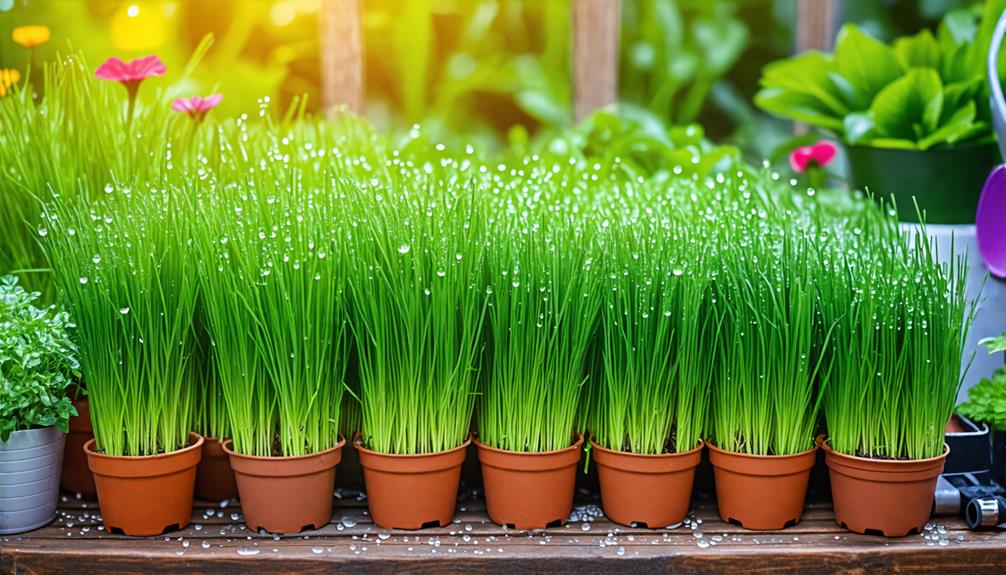
Growing wheatgrass at home is straightforward and rewarding when you follow a few key steps. As a popular health food, wheatgrass offers numerous benefits and can be easily grown with minimal effort. Start by selecting organic seeds and planting them in a well-drained soil setup. Here's how you can get started:
- Prepare Your Seeds: Soak the seeds in water for 8-12 hours, then rinse and drain them to initiate the germination process.
- Planting: Spread the pre-soaked seeds evenly over a tray filled with soil. Lightly cover them with more soil, ensuring they are not buried too deep.
- Watering: Keep the soil moist but avoid overwatering to prevent mold growth. Watering once or twice a day should be sufficient.
- Sunlight: Place the tray in a spot with adequate sunlight. Wheatgrass needs around 4-6 hours of sunlight per day to thrive.
Within 7 to 10 days, your wheatgrass should reach an ideal height of 4 to 6 inches, ready for harvesting. Ensuring a clean growing environment free from contaminants and pests will promote healthy growth. By following these steps, you can enjoy fresh, nutritious wheatgrass juice at home.
Harvesting Wheatgrass
To harvest your wheatgrass, wait until it reaches a height of 4-6 inches for optimal flavor and nutrition. Using sharp scissors or a knife, cut just above the root level to allow for potential regrowth. For the freshest juice, harvest in the morning when nutrient levels peak.
Optimal Harvest Timing
To maximize flavor and nutrient content, harvest your wheatgrass when it is between 4 to 6 inches tall, typically 7 to 10 days after planting. At this stage, the young grass is tender and nutrient-rich, ensuring that your juice will be both delicious and beneficial.
Timing your wheatgrass harvest is crucial for optimizing its nutritional value and ensuring a plentiful yield. Consider the following key points:
- Monitor Growth Regularly: Check your wheatgrass daily, especially as it nears the 7-day mark, to catch it at its peak nutritional level.
- Measure Height: Use a ruler to measure the wheatgrass. Harvest when it reaches 4 to 6 inches tall for ideal flavor and nutrient content.
- Harvest Early Morning: Cut your wheatgrass in the early morning when it is most hydrated to improve juice quality.
- Encourage Regrowth: Cut just above the root level to promote healthy regrowth, allowing for a second harvest from the same planting.
Cutting Techniques
Cutting Techniques for Wheatgrass Harvesting
To ensure a healthy regrowth and maximize your yield, use sharp scissors or a knife to make a clean cut just above the root level. For optimal quality and nutrient retention, harvest your wheatgrass when it reaches a height of 4-6 inches.
Timing is crucial; harvesting in the early morning ensures the plant's nutrient levels are at their peak. A proper cutting technique not only promotes a second crop but also maintains the quality of the juice extracted.
Here's a quick guide to effective cutting techniques:
| Tip | Description | Benefit |
|---|---|---|
| Sharp Tools | Use sharp scissors or a knife | Ensures a clean cut, healthy regrowth |
| Height | Cut at 4-6 inches tall | Maintains ideal nutrient retention |
| Timing | Harvest in the morning | Enhances nutrient levels |
| Technique | Cut just above the root level | Promotes regrowth |
| Yield | Aim for a second crop | Increases overall output |
Following these guidelines will help you achieve the best results in both yield and quality.
Freshness Maintenance
Maintaining the freshness of harvested wheatgrass is essential for preserving its nutritional value and ensuring a high-quality juice. Follow these key steps to keep your wheatgrass at its best:
- Harvest at the right height: Ensure your wheatgrass is between 4-6 inches tall before cutting. This height offers optimal nutrient density.
- Cut above the roots: Use sharp scissors or a knife to make a clean cut just above the roots, promoting regrowth for a potential second crop.
- Harvest at the right time: Timing is crucial. Harvest your wheatgrass at its peak growth to maximize the quality and nutrient content of the juice.
- Juice immediately: For optimal results, juice your freshly harvested wheatgrass right away to preserve its nutritional value and freshness.
Juicing Methods

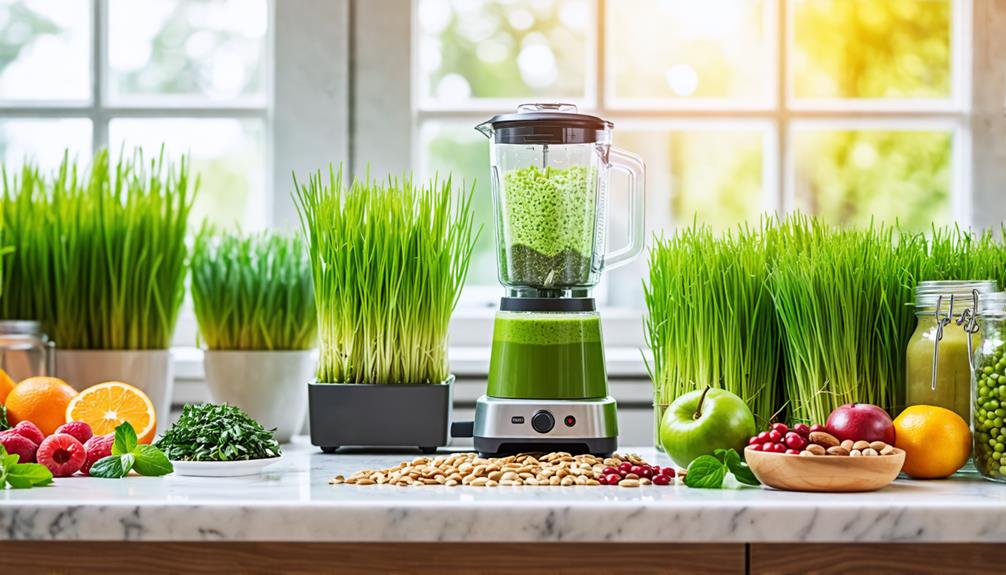
There are two primary methods to extract wheatgrass juice: using a juicer or a blender. Each method offers distinct benefits, allowing you to choose based on your preferences and available equipment.
Using a Juicer
A juicer optimizes juice yield and minimizes pulp. Start by processing small bunches of fresh wheatgrass, ensuring any jammed pulp is removed during extraction. This method is straightforward and efficient, providing a concentrated wheatgrass juice.
Using a Blender
Using a blender requires adding water, resulting in a more diluted juice. Blend the wheatgrass with sufficient water to create a liquefied mixture, then strain it through a nut milk bag to separate the pulp. This method is convenient if you do not have a juicer but still wish to enjoy wheatgrass juice.
Comparison Table
| Method | Juicer | Blender |
|---|---|---|
| Juice Yield | High | Moderate |
| Pulp | Minimal | Requires straining |
| Water Addition | No | Yes |
| Concentration | High | Diluted |
Regardless of the method you choose, ensure you wash your freshly harvested wheatgrass thoroughly and juice it immediately to retain the maximum nutrients. Start with about 30ml to gauge your tolerance.
Storage Tips
Proper storage is essential to retain the nutrients and freshness of your wheatgrass juice. Follow these tips to ensure your juice remains beneficial:
- Refrigerate Immediately: Consume fresh wheatgrass juice promptly for maximum nutrition. If storing, use an airtight container and refrigerate. It can last up to one week, but monitor for changes in appearance, smell, or taste that indicate spoilage.
- Freeze for Long-Term Storage: For extended storage, freeze the juice in ice-cube trays. This method provides convenient portions that can be easily thawed and added to smoothies or other recipes.
- Use Dark Glass Containers: To minimize nutrient degradation from light exposure, store your juice in dark glass containers.
- Add Natural Preservatives: Enhance storage life and flavor by adding a few drops of lemon juice. The natural acidity acts as a preservative, helping to keep your wheatgrass juice fresh longer.
Using Wheatgrass Pulp

Instead of discarding wheatgrass pulp, you can repurpose it to enhance its nutritional benefits and reduce waste. By creatively reusing the pulp, you'll not only be eco-friendly but also add value to your diet. One effective way to use the pulp is by blending it into smoothies. This method allows you to consume the high fiber content that remains in the wheatgrass pulp, enriching your smoothie's nutritional profile.
Another option is to dehydrate the wheatgrass pulp. Once dried, you can grind it into a powder that retains vital nutrients. This powder can then be used as an ingredient in soups or baked goods, providing an extra nutritional enhancement.
Here's a quick reference table for repurposing wheatgrass pulp:
| Method | Benefits | Applications |
|---|---|---|
| Blending | High fiber, improved nutrients | Smoothies |
| Dehydrating | Retains nutrients | Soups, baked goods |
| Composting | Eco-friendly, enriches soil | Gardening |
| Freezing | Preserves for future use | Multiple recipes |
| Raw Consumption | Minimal processing | Direct consumption |
Repurposing wheatgrass pulp not only helps minimize kitchen waste but also supports sustainable practices in juicing. By incorporating these methods, you contribute to a balanced diet, gaining extra fiber and nutrients without needing additional ingredients.
Recipe Ideas
Elevate your culinary creations with these inventive and nutritious wheatgrass juice recipes. Whether you're aiming to improve flavors, boost nutrients, or simply add a touch of green, these ideas will help you integrate wheatgrass juice seamlessly into your diet.
- Fruit Fusion Delight: Combine wheatgrass juice with apple or pineapple juice. The natural sweetness of the fruit balances the earthy taste of wheatgrass, creating a delicious and healthful drink.
- Green Smoothie Enhancement: Add a shot of wheatgrass juice to your morning smoothie. Blend it with banana and spinach for a nutrient-packed, vibrant green concoction that's both tasty and energizing.
- Refreshing Hydration: Mix wheatgrass juice with coconut water and a splash of lime juice. This hydrating beverage is perfect for a revitalizing pick-me-up, especially on hot days.
- Nutritious Baked Goods: Incorporate wheatgrass powder into your muffin or pancake batter. You'll get an extra nutritional kick without altering the delightful taste of your favorite baked treats.
Experimenting with these recipe ideas will not only make your meals more exciting but also help you reap the numerous health benefits of wheatgrass juice. Give them a try and discover your new favorite!