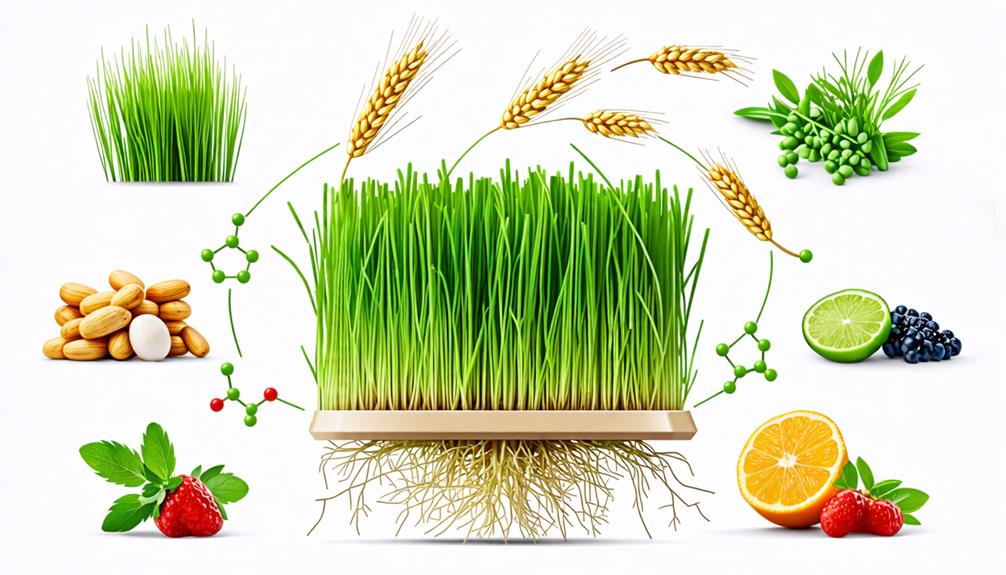
Wheatgrass Vs. Barley Grass: Which Is Better for You?
Wheatgrass and barley grass are both nutrient-dense and antioxidant-rich, but they offer different health benefits. Wheatgrass is higher in protein and contains more superoxide dismutase (SOD), which is crucial for cellular protection. Conversely, barley grass is rich in dietary fiber, supporting digestive health. Which one is better? It depends on your specific health goals. Let's explore the unique benefits of each to help you make an informed decision.
Similarities
Wheatgrass and barley grass are young grasses known for their high nutrient and antioxidant content. Both are rich in chlorophyll, which aids in energy conversion, detoxification, and immune support, making them beneficial for overall health.
These grasses are abundant in essential vitamins and minerals, including vitamins A, C, E, and K, as well as calcium and iron. Their nutrient profile contributes to their alkalizing properties, helping to balance body pH levels. Additionally, their antioxidant capabilities protect cells from oxidative stress, promoting longevity and overall well-being.
You can consume wheatgrass and barley grass in various forms such as powders, juices, and tablets, offering flexibility to seamlessly incorporate them into your diet. Including these nutrient-dense grasses in your daily regimen enhances your intake of vital vitamins, minerals, and antioxidants, thus supporting your health comprehensively.
Nutritional Profiles
When comparing the nutritional profiles of wheatgrass and barley grass, several differences become apparent in their protein, fiber, and fat content. Wheatgrass is a higher protein source, offering 28.0 g of protein per 100 g, while barley grass provides 22.1 g. For those seeking more dietary fiber, barley grass is preferable, providing 56.5 g per 100 g compared to wheatgrass's 34.0 g.
In terms of fat content, wheatgrass has a slightly higher amount at 5.8 g per 100 g, while barley grass contains 4.3 g. Both grasses are rich in vitamins and minerals. However, wheatgrass has a higher concentration of superoxide dismutase (SOD), an enzyme known for its antioxidant properties, with 303,000 units per 100 g compared to barley grass's 146,000 units.
Key points to consider:
- Protein Source: Wheatgrass provides more protein.
- Dietary Fiber: Barley grass is higher in fiber.
- Fat Content: Wheatgrass has slightly more fat.
- Antioxidant Enzyme: Wheatgrass contains more SOD.
Understanding these differences can help you choose the one that best aligns with your nutritional needs and health goals.
Health Benefits of Chlorophyll

Chlorophyll, abundant in both wheatgrass and barley grass, offers numerous health benefits due to its potent antioxidant properties. By neutralizing harmful free radicals, chlorophyll supports overall health and enhances detoxification processes. It binds to toxins and heavy metals, aiding in their elimination and promoting liver health, thereby reducing the body's toxic load.
Additionally, chlorophyll exhibits potential anti-inflammatory effects by inhibiting pro-inflammatory cytokines, thereby bolstering the immune system. This makes it a valuable asset in maintaining the body's natural defenses. Chlorophyll also contributes to improved skin health by promoting cell regeneration, leading to a healthier complexion and potentially alleviating skin disorders.
Moreover, research indicates that chlorophyll can combat bad breath and internal odors due to its antibacterial properties, making it beneficial for oral health. The high chlorophyll content in wheatgrass and barley grass makes both excellent choices for enhancing overall well-being.
Here's a quick comparison of their benefits:
| Benefit | Description |
|---|---|
| Antioxidant Properties | Neutralizes harmful free radicals |
| Immune System Support | Inhibits pro-inflammatory cytokines |
| Detoxification | Binds to and eliminates toxins and heavy metals |
This comprehensive overview underscores the significant health advantages of incorporating chlorophyll-rich foods into your diet.
Alkalizing Properties
Wheatgrass and barley grass, celebrated for their high chlorophyll content, are also known for their significant alkalizing properties. These properties are quantified by their PRAL scores: wheatgrass at -63 and barley grass at -38. Their alkalizing effects are crucial in maintaining the body's pH balance, leading to various health benefits.
Incorporating these grasses into your diet can greatly improve your overall health by promoting a more alkaline internal environment. Specifically, they help to:
- Boost energy levels: A balanced pH can enhance energy and reduce fatigue.
- Improve skin health: Alkalizing foods support a clearer, healthier complexion.
- Strengthen bones and muscles: Their rich mineral content aids in skeletal and muscular health.
- Support detoxification: An alkaline environment enhances the body's ability to eliminate toxins.
The nutrient density and alkalizing properties of wheatgrass and barley grass make them valuable for promoting a balanced pH and overall well-being. By including these greens in your diet, you can foster better health and vitality.
Digestibility and Taste

Understanding the digestibility and taste of wheatgrass and barley grass can help you decide which one to include in your diet. Wheatgrass, with its high fiber and cellulose content, may be harder to digest for some people. Its strong, grassy flavor is often consumed as a shot or mixed into beverages, which can be off-putting for those not accustomed to it. However, its potent taste might become more palatable over time.
In contrast, barley grass is generally gentler on the stomach. It tends to have a higher dietary fiber content, which can support better bowel health and improve digestibility. Its milder taste makes it more versatile and easier to incorporate into dietary supplements such as powders and tablets. It blends smoothly into smoothies or health drinks without overpowering other flavors.
Both wheatgrass and barley grass have distinct taste profiles depending on their form—fresh juice or powdered—and brand. Therefore, personal preference will likely dictate which is easier to consume. By considering both digestibility and taste, you can make a more informed decision about which grass best fits your dietary needs.
Allergen Considerations
When choosing between wheatgrass and barley grass, it is crucial to evaluate potential allergens. Both grasses are generally considered gluten-free, but cross-contamination with gluten-containing grains can occur, posing a risk for individuals with celiac disease or gluten sensitivity. Here's a closer look at allergen considerations:
- Wheatgrass: Typically gluten-free, but may be contaminated with gluten, making it problematic for those with wheat allergies.
- Barley grass: Usually gluten-free but can be contaminated due to its close relationship with barley grain.
- Digestive discomfort: Both grasses can cause digestive issues, especially for those sensitive to high fiber or not accustomed to green foods.
- Pregnancy and breastfeeding: Limited research exists on the safety of these grasses during pregnancy and breastfeeding. Consult a healthcare provider before consumption.
Making Your Choice
Choosing between wheatgrass and barley grass depends on your specific nutritional needs and health goals. For higher protein intake, wheatgrass is preferable with 28.0 g of protein per 100 g, compared to barley grass's 22.1 g per 100 g. This makes wheatgrass ideal for those looking to build muscle or maintain a high-protein diet.
If digestive health is your priority, barley grass is more beneficial due to its superior dietary fiber content of 56.5 g per 100 g, aiding in digestion and promoting gut health.
For improved cellular protection and antioxidant benefits, wheatgrass excels with a higher concentration of superoxide dismutase at 303,000 units per 100 g, compared to barley grass's 146,000 units per 100 g.
Both wheatgrass and barley grass are excellent for alkalizing the body, helping to balance pH levels. Wheatgrass has a higher alkalizing effect with a PRAL score of -63, while barley grass scores -38.
To optimize health benefits, consider alternating between wheatgrass and barley grass or combining them in smoothies or supplements. Each offers distinct advantages that can complement your overall health strategy.