Wheatgrass Vs. Other Superfoods: What Makes It Stand Out?
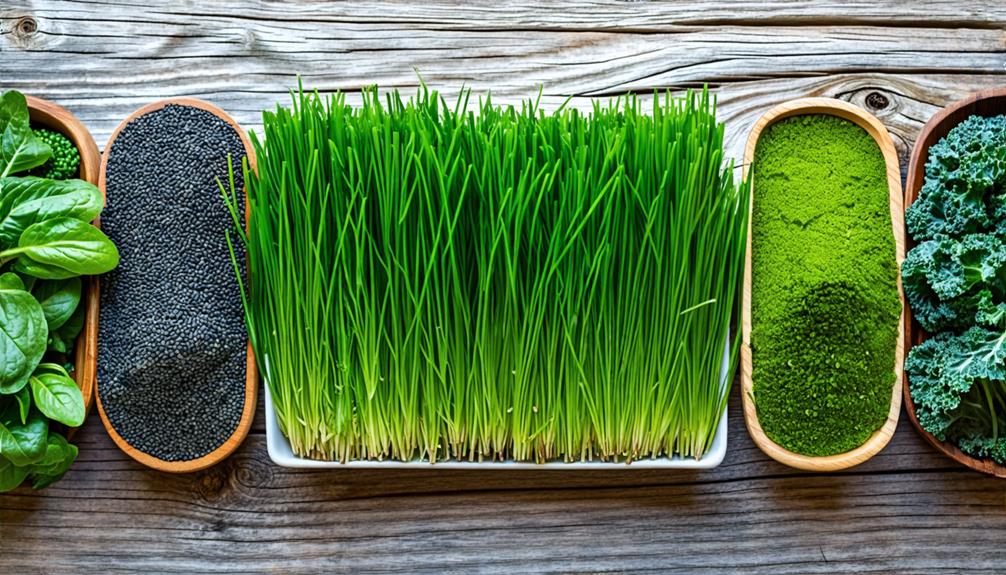
Wheatgrass stands out among superfoods due to its high chlorophyll content, complete protein profile, and rich array of vitamins and minerals. Unlike chlorella or spirulina, which are rich in specific nutrients, wheatgrass offers a broader spectrum of health benefits, including detoxification, immune support, and improved digestion. Its antioxidant properties also set it apart from matcha and barley grass. Additionally, wheatgrass is easy to grow at home, providing fresh, nutritious food at your fingertips. These qualities collectively place wheatgrass in a league of its own.
Overview of Wheatgrass

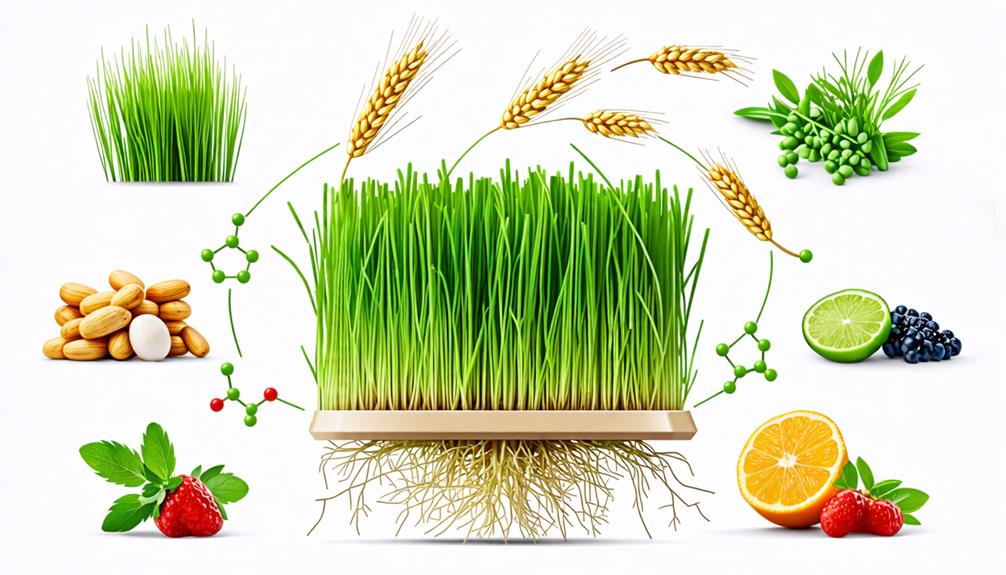
Wheatgrass, derived from the young shoots of Triticum aestivum, is harvested 7-10 days after sprouting to maximize its nutritional content. This vibrant green superfood is notable for its high chlorophyll content, constituting approximately 70% of its structure. Chlorophyll plays a crucial role in detoxifying the body and promoting healthy blood flow, thereby supporting overall wellness.
Historically, wheatgrass has been esteemed by ancient Egyptians and Mesopotamians for its potent health benefits. Today, its nutrient density and antioxidant properties make it a popular addition to fresh juices and smoothies. Although its slightly bitter taste may require an adjustment period, the health advantages it offers are significant.
Wheatgrass is easy to cultivate both indoors and outdoors, providing a convenient method to enhance your nutrient intake. Incorporating it into your diet can help boost your body's natural detoxification processes and improve overall health. In the realm of superfoods, the nutrient-rich profile and detoxifying properties of wheatgrass make it a standout choice.
Nutritional Profile
When examining the nutritional profile of wheatgrass, it becomes evident that this vibrant green plant is a powerhouse of vitamins, minerals, and antioxidants. Rich in vitamins A, C, E, and K, wheatgrass serves as a nutrient-dense addition to any diet. Key minerals such as calcium, magnesium, and iron further enhance its nutritional value.
Wheatgrass is also notable for being a complete protein source, containing all nine essential amino acids required for various bodily functions. This makes it an excellent choice for those seeking plant-based protein. Additionally, its high antioxidant content supports its anti-inflammatory properties, aiding in the reduction of oxidative stress and promoting overall health.
Key aspects of wheatgrass's nutritional benefits include:
- Vitamin-rich: Abundant in vitamins A, C, E, and K.
- Complete protein source: Contains all nine essential amino acids.
- Detoxification: High chlorophyll content helps detoxify the body.
- Immune support: High levels of antioxidants bolster immune function.
Health Benefits

Wheatgrass offers numerous health benefits, including enhanced immune function and improved digestion. Rich in vitamins A, C, E, and K, wheatgrass delivers a concentrated source of essential nutrients that bolster your immune system and overall well-being. This superfood is abundant in antioxidants like flavonoids and phenolic acids, which help reduce oxidative stress by neutralizing free radicals and lowering inflammation.
Its high fiber content aids digestion, regulates bowel movements, and promotes a feeling of fullness, which can curb cravings and support weight management. Additionally, wheatgrass is a complete protein source, containing all nine essential amino acids necessary for muscle repair and overall bodily functions.
A standout feature of wheatgrass is its high chlorophyll content, which aids in detoxifying the body by binding to and removing toxins and heavy metals, thereby improving liver health. Furthermore, wheatgrass can help regulate blood sugar levels, making it a useful dietary supplement for managing diabetes or maintaining steady energy levels throughout the day.
Incorporating wheatgrass into your diet can significantly enhance your nutritional intake, offering a multitude of health benefits.
Comparison With Other Superfoods
Compared to other superfoods, wheatgrass stands out for its unique blend of nutrients and detoxifying properties. With its rich content of chlorophyll, vitamins A, C, E, and K, along with all nine essential amino acids, wheatgrass offers a comprehensive nutritional profile. This distinguishes it from superfoods like chlorella and spirulina, which have different nutrient compositions.
When compared to barley grass, wheatgrass provides higher levels of vitamins and minerals per serving. Here's why wheatgrass excels in the superfood arena:
- Nutritional Profile: Wheatgrass is a complete protein source and is packed with vital vitamins, making it a nutrient-dense option.
- Detoxification: Its high chlorophyll content aids in detoxifying the body, whereas matcha focuses more on antioxidants and caffeine.
- Health-Boosting Properties: The chlorophyll and antioxidants in wheatgrass are linked to potential anti-cancer benefits.
- Digestive Health: Known for improving digestive health, wheatgrass supports a healthier gut.
Unlike other superfoods, wheatgrass is caffeine-free and easy to cultivate at home, providing fresh nutrition on demand. Its unique health-boosting properties make wheatgrass a standout choice for those looking to enhance their overall well-being.
Research and Studies
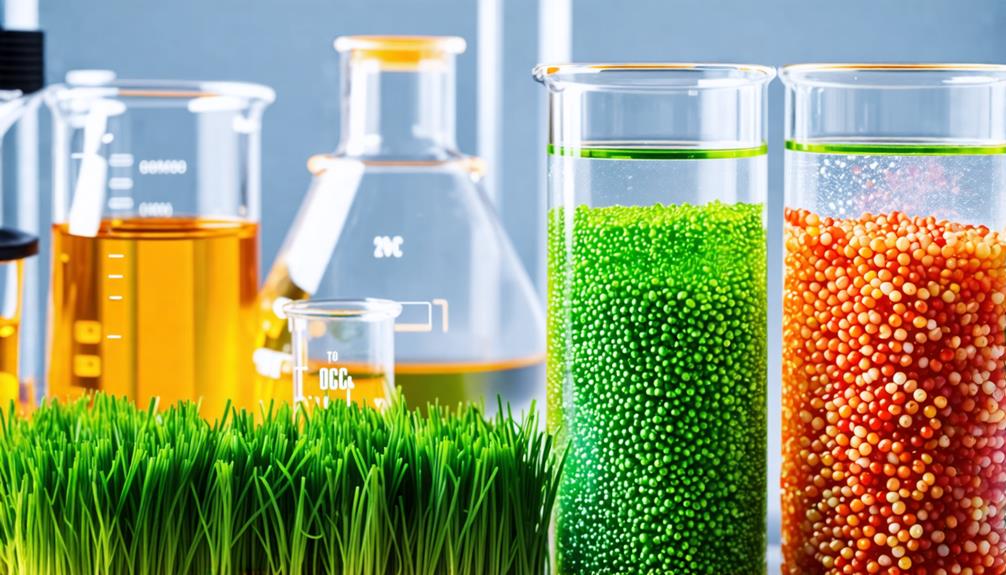
Extensive research underscores the health benefits of wheatgrass, particularly its high chlorophyll content and potent antioxidant properties. Chlorophyll aids in detoxification by binding to heavy metals and toxins in the body, a process fundamental for maintaining optimal health and ensuring efficient bodily functions.
Wheatgrass boasts an impressive nutritional profile, rich in vitamins A, C, E, and K. These essential vitamins play vital roles in enhancing the immune system, promoting skin health, and supporting other bodily functions. Clinical studies highlight wheatgrass's antioxidant properties, which help reduce oxidative stress and may lower the risk of chronic diseases.
Research also indicates that wheatgrass can improve hemoglobin levels, enhancing oxygen transport in the blood, which can be particularly beneficial for athletes. Additionally, emerging studies suggest wheatgrass may positively impact digestive health, especially for those with ulcerative colitis, due to its anti-inflammatory properties.
Moreover, wheatgrass has been found to help manage cholesterol levels, adding to its array of health benefits. With substantial research backing its numerous advantages, wheatgrass stands out as a noteworthy superfood.
Related posts