10 Tips for Caring for a Senior With Limited Mobility
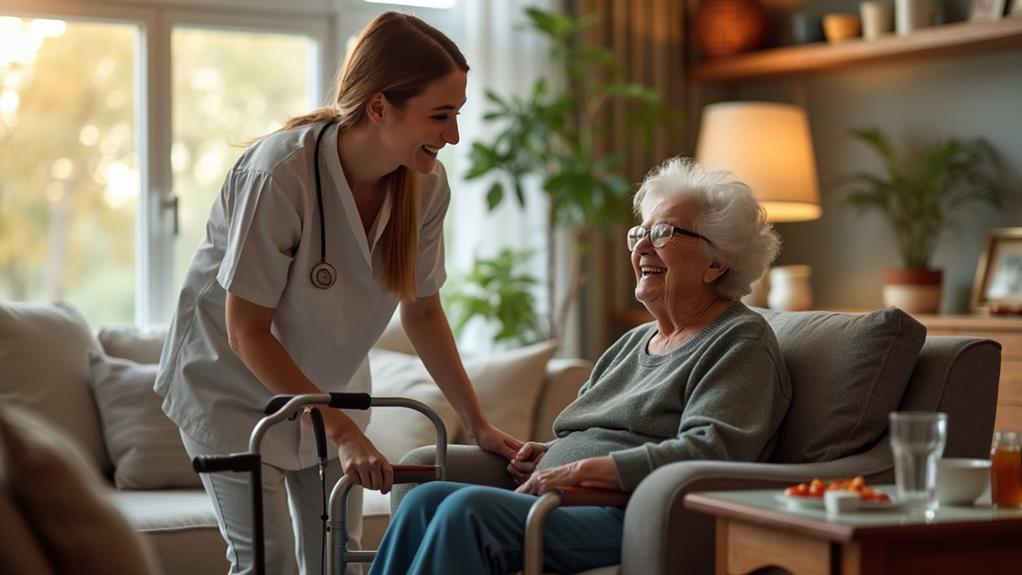
To care for a senior with limited mobility, focus on several key areas. Understand their mobility issues and encourage regular exercise like chair yoga. Guarantee home safety by installing grab bars and good lighting. Use mobility aids like walkers and canes appropriately. Maintain open communication with healthcare providers and manage their medications effectively. Implement balance techniques such as toe and heel rises to improve stability. Adapt daily tasks with assistive tools and foster social interaction to combat isolation. Don't forget to contemplate professional help for personalized support. Following these tips can greatly enhance their quality of life and independence.
Understand Mobility Issues
Understanding mobility issues in seniors is vital as aging often brings about decreased elasticity and flexibility. Conditions like arthritis, cardiovascular diseases, and osteoporosis can severely impact your aging loved one's mobility. These issues not only limit movement but also increase the risk of falling, a leading cause of serious injuries in older adults.
Seniors with limited mobility often face a combination of mild mobility problems, which can greatly affect their ability to move independently and safely. The fear of falling can lead to decreased physical activity, creating a vicious cycle that further exacerbates mobility issues, resulting in declining health and increased frailty. As a caregiver, you can help break this cycle by encouraging safe physical activity tailored to their abilities.
It's also important to maintain regular communication with healthcare providers. This proactive approach can lead to early diagnosis and management of underlying conditions, thereby reducing fall risks and enhancing overall mobility. Remember, the health benefits of addressing mobility issues extend beyond just physical well-being; it can greatly improve their overall health and quality of life. By understanding and addressing these mobility challenges, you can help your aging loved ones maintain their independence and safety.
Encourage Regular Exercise
Incorporating regular exercise into a senior's routine is essential for improving their mobility and general well-being. For seniors with limited mobility, engaging in simple exercises like high steps, side steps, and sit-to-stand movements can greatly enhance their strength and stability. These activities help strengthen bones and muscles, which reduces the risk of falls and improves overall health.
Low-impact activities such as chair yoga, water aerobics, and resistance band workouts are perfect for older adults. These exercises don't overstress the body but still offer considerable benefits in maintaining physical health. By including these activities in their daily routine, you can help seniors with mobility issues stay active and independent.
It's crucial to consult with healthcare providers to get tailored exercise recommendations. This guarantees that the seniors are engaging in safe and effective physical activities that match their abilities. Consistent practice of these exercises, ideally on a daily basis, leads to gradual improvements in mobility. This not only helps seniors maintain their independence but also enhances their overall health. Regular exercise is a key component in supporting seniors with mobility issues, allowing them to enjoy a better quality of life.
Ensure Home Safety
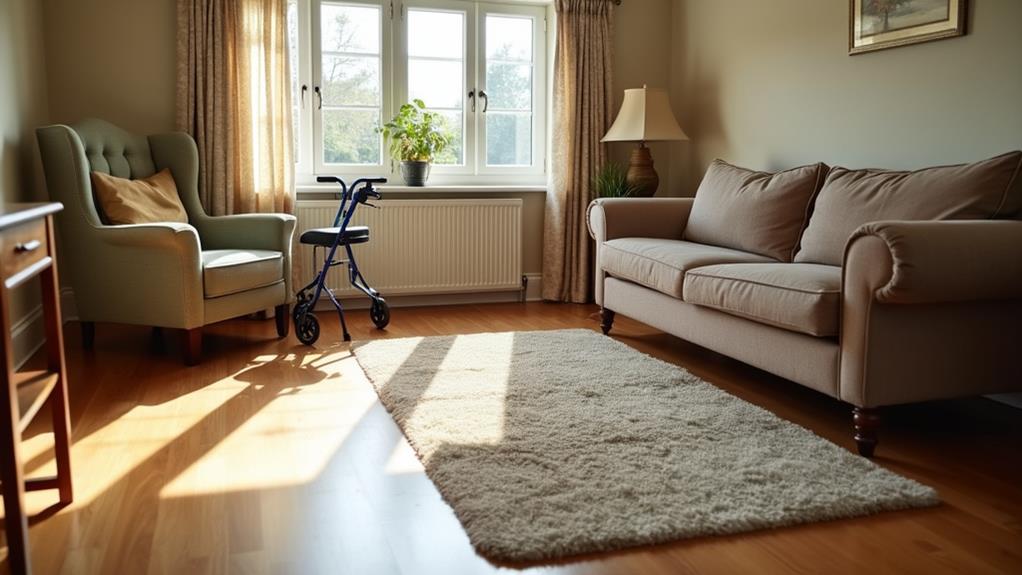
While regular exercise is vital for maintaining mobility and independence, creating a safe home environment is just as important for seniors with limited mobility. To guarantee home safety, start by installing grab bars in bathrooms and near stairways. These can help your senior maintain balance and prevent falls. Adequate lighting throughout the home, especially in hallways and staircases, is imperative. It improves visibility and helps avoid accidents.
Clear walkways by removing clutter and using non-slip mats to minimize tripping hazards. Raised toilet seats and shower/tub seats provide extra support and stability for seniors during daily activities. Regular safety assessments by caregivers or healthcare professionals can identify and address potential hazards, enhancing overall safety.
If you need extra help, consider reaching out to a care agency or local charities for support and activity ideas to make the home safer. They can offer valuable insights and resources. Remember, a safe home environment contributes greatly to the well-being of a senior with limited mobility, allowing them to live more comfortably and independently. Taking these steps guarantees your senior's home is a secure and welcoming place.
Utilize Mobility Aids
Mobility aids like canes, walkers, and wheelchairs are vital for seniors with limited mobility, offering stability and independence while greatly reducing the risk of falls. It's imperative to guarantee these mobility aids are properly adjusted to the senior's height and comfort needs. This not only improves their effectiveness but also enhances the user's confidence.
Engage with healthcare providers to get recommendations on the most suitable mobility aids. They can offer personalized solutions tailored to the senior's specific needs and conditions. Consistently using canes or walkers when moving around can provide the necessary support and help prevent accidents.
Regular practice with mobility devices is similarly important. Encourage seniors to build strength and coordination by maneuvering curbs and uneven surfaces. This maneuvering practice can make a significant difference in their ability to move around safely.
Communicate With Healthcare Providers

Effective communication with healthcare providers is vital for managing a senior's limited mobility. You should regularly report any mobility issues or changes in their physical condition to healthcare providers. Early diagnosis can greatly reduce fall risks and lead to better treatment outcomes. Keeping a detailed log of the senior's mobility challenges, including falls or near-misses, will provide extensive information to the healthcare providers, aiding in better assessment and recommendations.
Discuss the medications they are taking, both prescription and over-the-counter, to guarantee there are no interactions that could worsen mobility issues or impair balance. Regularly scheduled check-ins with healthcare providers are important. These appointments allow for reviewing the senior's health status and adjusting treatment plans as necessary to optimize mobility and general well-being.
Encourage open communication about the senior's fears or concerns regarding mobility. Addressing these issues can result in targeted interventions and improved mental health outcomes. Suggesting seniors exercise as part of their routine, if appropriate, can also be beneficial. Effective communication with healthcare providers isn't just about managing physical health; it's about enhancing the quality of life for seniors facing loss of mobility.
Manage Medications Effectively
Managing medications effectively is vital for seniors with limited mobility to maintain their health and independence. Regularly review all medications, including prescriptions and over-the-counter drugs, with a healthcare provider to verify they're safe and to minimize adverse interactions. For seniors taking multiple medications, this step is important.
Utilize pill organizers or medication management apps to simplify tracking dosages and times. These tools reduce the likelihood of missed or double doses, ensuring adherence to medication regimens. Also, schedule routine medication check-ups to monitor effectiveness and adjust prescriptions as needed. This proactive approach helps prevent complications related to limited mobility.
Keep an updated medication list on hand, including dosage instructions and potential side effects. This list can be invaluable for facilitating communication with healthcare providers during appointments or emergencies. It guarantees everyone involved in the senior's care is on the same page.
Encourage adherence to medication regimens by setting reminders or creating a daily routine that incorporates taking medications at the same time each day. This consistency helps seniors manage their medications effectively and maintain their overall well-being. By taking these steps, you can greatly improve the quality of life for seniors with limited mobility.
Implement Balance Techniques
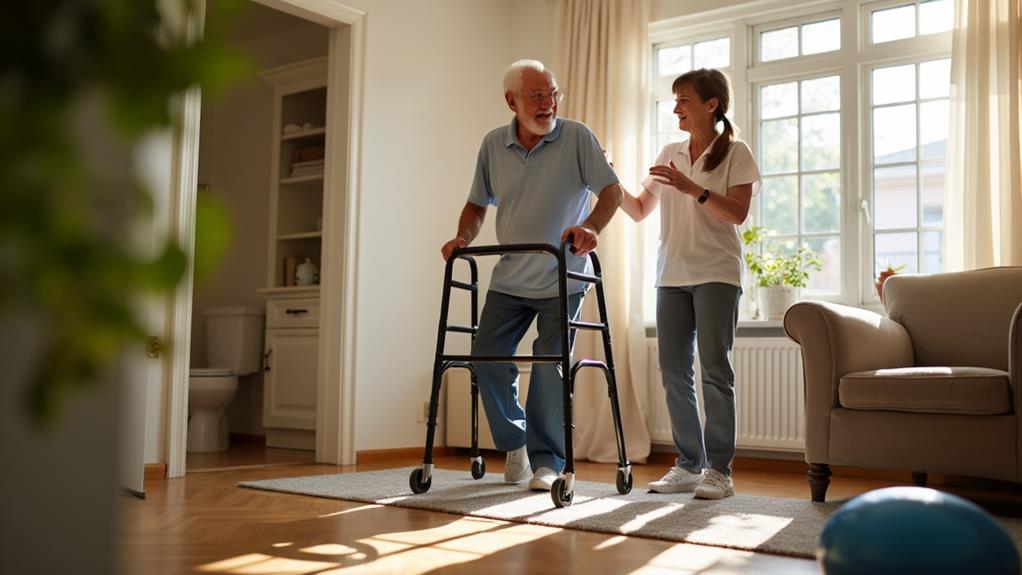
Incorporating advanced balance techniques can greatly improve stability and coordination for seniors with limited mobility. Simple exercises like toe and heel rises can notably improve their balance. Practicing these helps develop core strength and strengthen the muscles needed to prevent falls.
Another effective method is to perform eyes-closed balance exercises. These drills improve proprioception, allowing seniors to better control their body movements. It can be as simple as standing on one foot with eyes closed, which forces the body to rely on internal cues rather than visual input.
Half-circle sways are another excellent technique. By gently swaying in a controlled half-circle motion, seniors can boost their core strength and balance. This exercise helps maintain mobility and reduces the risk of falls.
Don't forget the importance of stretching and cool-down exercises after any physical activity. These can prevent injuries, promote flexibility, and further support balance efforts. Consistently practicing these balance techniques, ideally under the guidance of a healthcare provider or physical therapist, can lead to measurable advancements in mobility and confidence. Consult with them to develop a personalized plan that fits the specific needs of the senior you're caring for.
Adapt Daily Tasks
Simplifying daily tasks can greatly improve the quality of life for seniors with limited mobility. Start by incorporating assistive tools, like long-handled reachers, jar openers, and ergonomic kitchen utensils. These tools can make cooking and household chores easier and safer, helping seniors maintain their independence.
You can also adapt daily tasks by organizing them into smaller, manageable steps. This reduces fatigue and makes it simpler for seniors to complete routines without feeling overwhelmed. Consider using pre-prepared meals or meal delivery services to guarantee they get proper nutrition without the strain of extensive cooking.
Technology plays a vital role too. Voice-activated devices can help seniors manage tasks such as setting reminders, making phone calls, or controlling home appliances, further enhancing their independence.
Lastly, regularly assess the home environment for potential hazards. Make necessary home modifications to improve safety and accessibility. Rearrange furniture to allow easier navigation, guaranteeing clear pathways and minimizing the risk of falls.
Foster Social Interaction
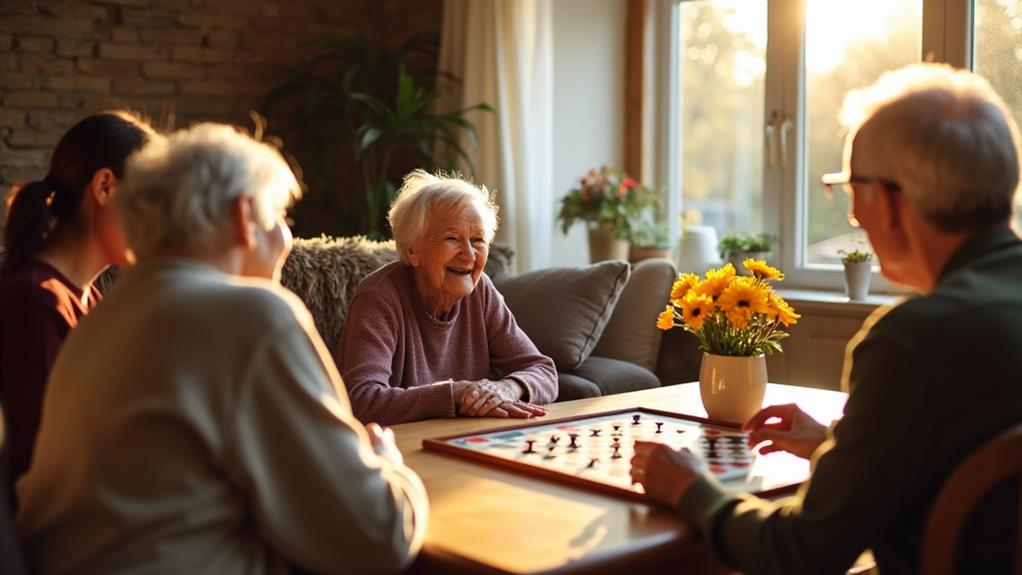
Beyond adapting daily tasks, fostering social interaction is essential for seniors with limited mobility. Engaging your senior loved one in social activities can considerably reduce feelings of isolation and combat negative emotions like depression and anxiety. Simple activities for seniors, such as board games or community classes, are excellent ways to promote mental well-being and guarantee they feel connected.
Organize regular family gatherings or video calls to foster meaningful connections. These interactions provide a sense of belonging and emotional support that's crucial for their mental health. If your senior loved one is able, participating in volunteer opportunities or community service can give them a sense of purpose, encouraging interaction and the sharing of life experiences.
Encourage them to join online groups or forums where they can connect with peers, share interests, and engage in enjoyable activities and hobbies. This can be particularly beneficial for those with limited mobility, as it allows social interaction from the comfort of home. Moreover, scheduling outings like nature walks or picnics with family and friends can create enjoyable social experiences, encouraging both mobility and emotional well-being, effectively helping seniors combat loneliness and improve their overall quality of life.
Consider Professional Help
When caring for a senior with limited mobility, considering professional help can be a vital step in enhancing their quality of life. Professional caregivers offer important assistance with daily tasks, companionship, and medication management, tailored to meet specific needs. This personalized care guarantees that your loved one gets the support they need to live comfortably and safely.
Professional caregivers can also conduct home safety assessments to identify potential hazards and suggest modifications to reduce fall risks and improve overall security. These assessments are invaluable, providing peace of mind that your home environment is as safe as possible.
Engaging professional help allows you to focus on building emotional connections with your loved one rather than being consumed by caregiving responsibilities. This shift can alleviate stress and help prevent caregiver burnout, improving the well-being of both you and your senior family member.
Additionally, organizations like Visiting Angels offer no-cost home care consultations to assess specific mobility needs. These consultations provide families with valuable resources and personalized care options, guaranteeing that seniors receive the appropriate support and services.
Incorporating professional caregivers into your care plan can make a significant difference, providing vital assistance while allowing you to maintain strong emotional bonds with your loved one.