BMI and Calorie Calculators: Simple Health Tools for Everyday Wellness

If you've ever searched online to find out whether you're at a healthy weight or wondered how many calories you should eat each day, you've probably come across a BMI or calorie calculator. These tools have become some of the most widely used health resources because they're quick, accessible, and easy to understand. While they don't provide a complete picture of your health, they offer useful starting points for setting realistic wellness goals.
The key is knowing how to interpret the numbers they provide. Rather than treating a single result as a diagnosis, think of these calculators as planning tools that help you make informed decisions about nutrition, exercise, and long-term habits. Used alongside regular medical advice and healthy lifestyle choices, they can support a more balanced approach to everyday wellness.
What BMI Actually Measures (and What It Doesn't)
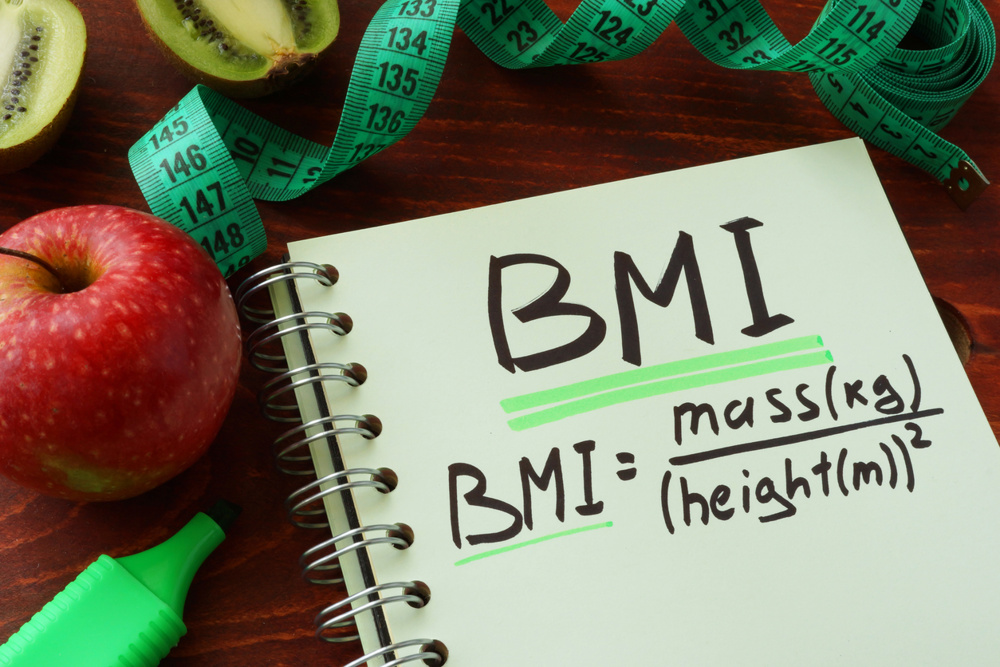
Body Mass Index (BMI) estimates whether your weight falls within a range generally considered healthy for your height. The calculation is simple, using only your height and weight, which makes it one of the most widely used screening tools by healthcare providers around the world. Because it's fast and inexpensive, BMI remains a practical way to identify people who may benefit from further health evaluation.
However, BMI does have important limitations. It cannot distinguish between muscle and body fat, meaning athletes and people with higher muscle mass may receive results suggesting they are overweight despite having low body fat percentages. Likewise, older adults, pregnant individuals, and people with certain medical conditions may require additional measurements to better understand their overall health.
Instead of viewing BMI as a final answer, consider it the beginning of a broader health assessment. Combining it with waist circumference, blood pressure, physical activity levels, and regular medical checkups provides a much more complete understanding of your overall well-being. One number alone never tells the whole story.

How Calorie Calculators Estimate Your Daily Energy Needs
Calorie calculators estimate how much energy your body requires each day by first calculating your basal metabolic rate (BMR), which represents the calories your body burns while at complete rest. Most calculators use established formulas such as the Mifflin-St Jeor or revised Harris-Benedict equation, combining your age, sex, height, and weight to estimate your daily energy needs before factoring in physical activity.
The next step involves estimating your Total Daily Energy Expenditure (TDEE). Activity multipliers account for how much you move throughout the day, ranging from sedentary lifestyles to highly active routines. This process helps estimate how many calories you need to maintain your current weight, while adjustments above or below that number can support weight gain or gradual weight loss goals.
Although these calculations are based on well-established research, they remain estimates rather than guarantees. Individual metabolism, hormones, genetics, medications, and medical conditions all influence how your body actually uses energy. The calculator provides a practical starting point that should be adjusted over time based on your real-world progress and professional guidance when necessary.
Which BMI Calculator Is Right for Your Situation?
Not every BMI calculator is designed for the same purpose, so choosing the right one depends on your age and individual circumstances. Standard adult calculators work well for most healthy adults by comparing height and weight to established BMI categories. They offer a quick way to screen for potential weight-related health risks without requiring specialized equipment.
Children and teenagers require different measurements because their bodies are still developing. Pediatric BMI calculators use age- and sex-specific growth charts instead of adult ranges, allowing healthcare professionals and parents to evaluate growth patterns more accurately. If you're an adult looking for a quick assessment, an online BMI calculator can provide a useful starting point, while children should use tools specifically designed for BMI-for-age percentiles. Resources such as Baylor College of Medicine's Healthy Me! Calculator offer results that reflect normal developmental changes rather than relying on adult standards.
Some calculators also combine BMI with calorie estimates or activity recommendations, making them useful for people beginning a fitness program or managing long-term wellness goals. Before selecting a calculator, make sure it matches your age group and intended purpose so the information you receive is as relevant and helpful as possible.
How Accurate Are BMI and Calorie Calculators?
Like any estimation tool, BMI and calorie calculators have strengths as well as limitations. BMI offers a quick screening method but cannot directly measure body fat percentage, muscle distribution, or overall fitness. Similarly, calorie calculators rely on population-based formulas that may not perfectly reflect an individual's metabolism or daily energy expenditure.
Research has shown that wearable fitness devices and calorie estimation methods can vary significantly from actual energy use. Small differences in activity levels, body composition, or metabolism may lead to results that differ from real-life calorie requirements. This doesn't make the tools unreliable—it simply means they should be interpreted with reasonable expectations rather than absolute certainty.
The best approach is to use these numbers as reference points while paying attention to longer-term trends. If your weight, energy levels, or fitness goals aren't progressing as expected after several weeks, adjusting your calorie intake or activity level is often more useful than relying on a single calculation. Consistent monitoring provides much more meaningful information than any one measurement alone.
The Math These Calculators Actually Use
Although online calculators deliver instant results, they're built on mathematical formulas developed through decades of nutritional research. The Mifflin-St Jeor equation, introduced in 1990, has become one of the most widely recommended methods because it generally produces reliable estimates for modern populations. The older Harris-Benedict equation remains common as well, particularly in many long-standing nutrition resources.
These formulas begin by calculating your basal metabolic rate using measurements such as weight, height, age, and biological sex. Most websites automatically convert pounds into kilograms and inches into centimeters before completing the calculation, ensuring the equations work correctly regardless of which measurement system you enter.
Once your BMR has been calculated, an activity multiplier estimates your total daily energy expenditure. This final value becomes the basis for calorie recommendations related to weight maintenance, gradual weight loss, or healthy weight gain. Understanding this process helps users recognize that calculators are applying scientific formulas—not making random guesses.
How to Read Your BMI Results Without Overreacting
Seeing your BMI result for the first time can trigger unnecessary concern, especially if the number falls outside the "normal" range. It's important to remember that BMI is a screening tool, not a diagnosis. A higher or lower result simply suggests that it may be worth looking more closely at your overall health rather than jumping to conclusions based on a single calculation.
Context matters just as much as the number itself. Your activity level, family history, medical conditions, and body composition all influence your health in ways BMI cannot measure. Someone who trains regularly may receive the same BMI as someone with much higher body fat, even though their health profiles are completely different.
Instead of focusing on one result, pay attention to long-term trends. If your BMI changes gradually alongside improvements in nutrition, physical activity, and overall well-being, those patterns provide more useful information than one isolated measurement. Discussing your results with a healthcare professional can also help you interpret them within the context of your individual health.
Why Kids Need Different BMI and Calorie Standards
Children grow rapidly, and their nutritional needs change continuously as they develop. Because of this, adult BMI categories don't accurately reflect a child's health. Pediatric BMI assessments compare children with others of the same age and sex, recognizing that healthy growth patterns vary throughout childhood and adolescence.
Daily calorie needs also shift considerably during growth. Active children may require substantially more energy than less active peers, while periods of rapid development often increase nutritional requirements even further. These changes make it essential to use calculators specifically designed for children rather than relying on adult formulas.
Parents and caregivers should view these tools as guides that support healthy development rather than strict targets. Regular pediatric checkups, balanced nutrition, physical activity, and steady growth over time provide far better indicators of a child's well-being than any single number alone.
How to Build a Weekly Wellness Plan Using BMI and Calorie Targets
Once you've calculated your BMI and estimated your daily energy needs, the next step is turning those numbers into practical habits. Start by setting a realistic calorie target based on your goal, then spread your meals and snacks throughout the day in a way that fits your schedule. Consistency is often easier to maintain than dramatic dietary changes.
Exercise should also become part of your weekly plan. Combining regular cardiovascular activity with strength training supports healthy weight management while improving overall fitness. Scheduling workouts ahead of time, preparing meals in advance, and monitoring your progress each week can make healthy habits easier to maintain over the long term.
Review your progress every few weeks instead of every day. Small changes in weight are normal, but broader trends reveal whether your plan is working. If necessary, make gradual adjustments to your calorie intake, activity level, or meal planning rather than making sudden, restrictive changes.
What These Calculators Can't Tell You About Your Health
BMI and calorie calculators provide useful information, but they cannot measure every aspect of your health. They don't evaluate blood pressure, cholesterol, blood sugar, fitness level, sleep quality, stress, genetics, or existing medical conditions. Those factors often play just as important a role in long-term wellness as body weight or calorie intake.
They also cannot determine how you feel physically or emotionally. Two people with identical BMI values may have very different lifestyles, medical histories, and overall health profiles. Likewise, calorie estimates cannot account for every metabolic difference between individuals or predict how your body will respond to dietary changes.
These tools work best when combined with regular healthcare, balanced nutrition, physical activity, and routine monitoring. Used appropriately, they provide valuable guidance without replacing individualized medical advice or comprehensive health assessments.
Healthy Habits Matter More Than Any Calculator
Although calculators provide helpful guidance, long-term wellness depends far more on consistent daily habits than on achieving a perfect number. Eating a balanced diet rich in whole foods, staying physically active, drinking enough water, managing stress, and getting adequate sleep all contribute to better health regardless of what a calculator reports.
Healthy routines also tend to reinforce one another. Regular exercise improves sleep, better sleep supports healthier food choices, and consistent nutrition provides the energy needed to stay active. These everyday habits create sustainable progress that no calculator alone can deliver.
Think of BMI and calorie estimates as navigation tools rather than final destinations. They can point you in the right direction, but lasting success comes from building routines you can maintain for years instead of chasing short-term results based solely on numbers.
Conclusion
BMI and calorie calculators have become valuable resources because they make complex health information easier to understand. They provide quick estimates that can help you set realistic goals, monitor progress, and better understand how your body uses energy. When interpreted correctly, these tools encourage informed decisions rather than quick judgments.
The most effective wellness plans combine these calculations with healthy habits, regular physical activity, balanced nutrition, quality sleep, and guidance from qualified healthcare professionals. Numbers can help measure progress, but they don't define your health. Consistent habits, thoughtful adjustments, and a long-term perspective remain the strongest foundation for lasting well-being.