Why Clean Eating Became a Wellness Trend and a Pop Culture Aesthetic
Walk through Instagram, TikTok, or Pinterest for just a few minutes, and you'll likely see colorful smoothie bowls, neatly organized meal-prep containers, fresh produce arranged on marble countertops, and influencers sharing their daily routines. These images aren't simply about food—they represent a lifestyle that combines nutrition, productivity, self-care, and personal identity into a single visual package.
That's why clean eating became much more than a dietary trend. It evolved into a cultural movement shaped by social media, celebrity influence, branding, and modern wellness culture. While the nutritional principles behind it often emphasize whole foods and balanced eating, its popularity grew because people embraced the lifestyle, aesthetic, and sense of community that surrounded it.
What Clean Eating Actually Means
Despite its popularity, "clean eating" has never had one universally accepted definition. For some people, it means choosing minimally processed foods and cooking more meals at home. Others associate it with eating organic produce, avoiding refined sugar, or eliminating artificial ingredients. Because there is no official regulatory definition, the phrase has remained flexible enough to fit many different dietary philosophies.
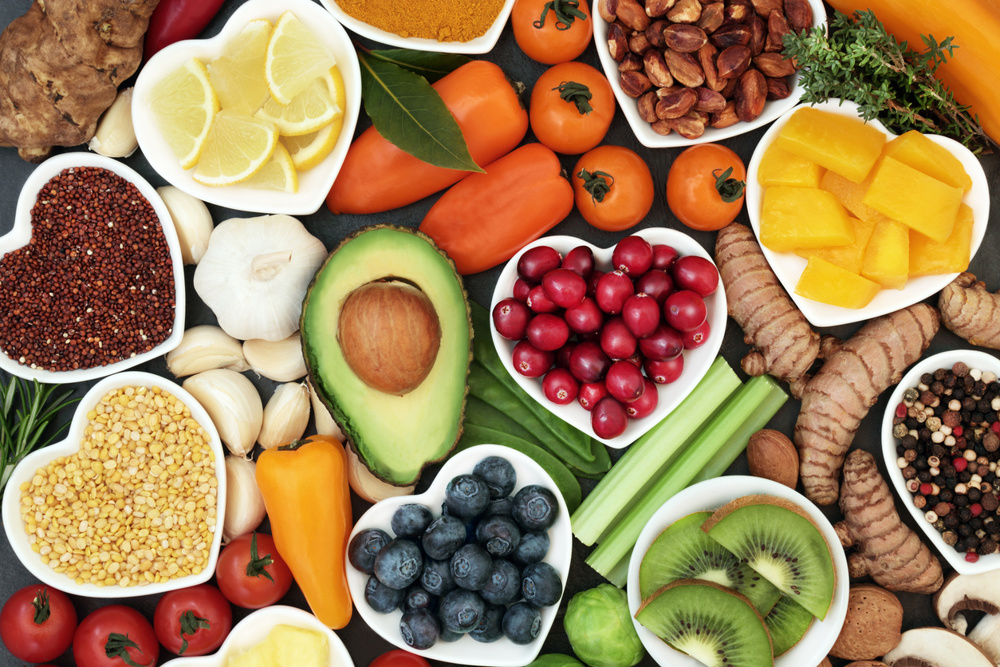
At its core, the movement encourages eating more fruits, vegetables, whole grains, lean proteins, legumes, nuts, and healthy fats while reducing heavily processed foods. Many advocates also emphasize simple ingredient lists and home cooking, believing that fewer processed ingredients often lead to more nutritious meals. These ideas appeal to people looking for straightforward ways to improve their eating habits without following highly restrictive diets.
That flexibility has also created confusion. Since no government agency or major medical organization formally defines what qualifies as "clean," companies, influencers, and consumers often interpret the concept differently. As a result, the term has become both a nutritional guideline and a marketing phrase, allowing it to evolve alongside changing wellness trends.
Where Clean Eating Actually Came From
Although clean eating gained widespread attention during the 2010s, its roots stretch back much further. Earlier nutrition movements—including macrobiotics, natural foods, vegetarianism, organic farming, Paleo, and whole-food diets—all encouraged people to think more carefully about where their food came from. These philosophies laid the groundwork for the modern movement by promoting less processed ingredients and greater awareness of nutrition.
The rise of digital media accelerated this evolution. Food bloggers, wellness websites, Pinterest recipe collections, and early Instagram creators introduced colorful recipes that made healthy meals appear both accessible and visually appealing. Brands like Whole Foods Market also helped popularize ideas surrounding organic produce, minimally processed ingredients, and ingredient transparency, giving consumers a recognizable place to explore these products.
Rather than introducing completely new nutritional ideas, clean eating repackaged familiar concepts for a new generation. It combined traditional healthy eating advice with modern branding, attractive photography, and social sharing, making it easy for people to adopt the lifestyle while adapting it to their own personal preferences.
Why Clean Eating Made Whole Foods Feel Revolutionary
The foods themselves weren't new. Fruits, vegetables, oats, beans, fish, and fresh herbs had always been part of balanced diets around the world. What changed was the story surrounding them. Instead of presenting whole foods as ordinary ingredients, clean eating framed them as symbols of intentional living and modern wellness.
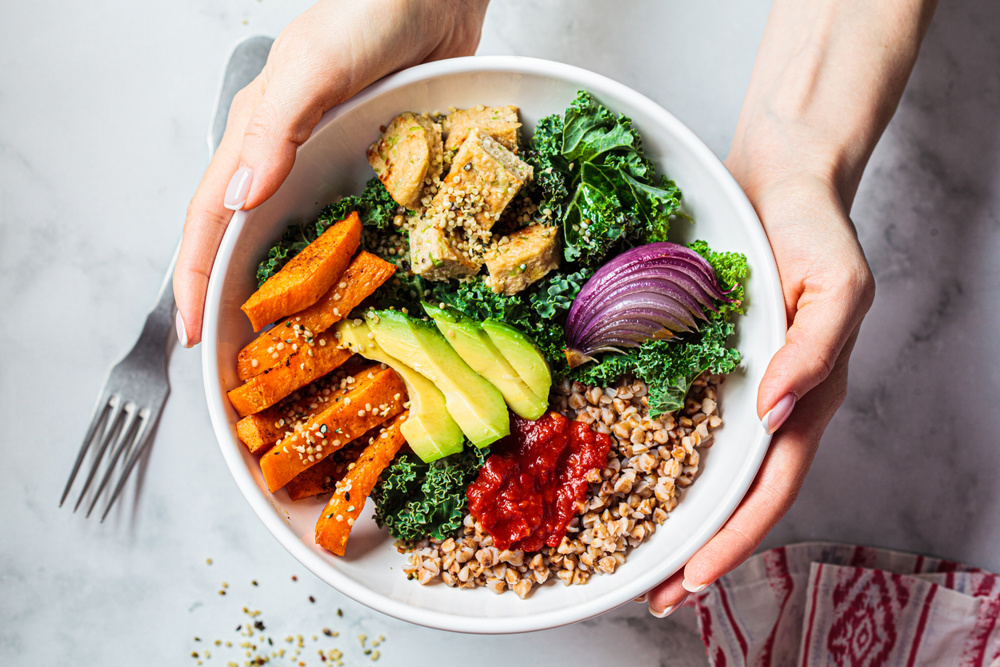
Visual presentation played an enormous role in this transformation. Bright berries, sliced avocados, colorful grain bowls, and carefully arranged salads photographed beautifully, making them ideal for blogs and social media feeds. Fresh ingredients became associated with calm mornings, productive routines, and healthy lifestyles, giving everyday meals an aspirational quality that extended beyond simple nutrition.
This new framing also tapped into nostalgia. Many campaigns emphasized traditional cooking, local farms, seasonal produce, and homemade recipes, suggesting a return to simpler eating habits. By combining modern aesthetics with familiar foods, clean eating made ordinary ingredients feel exciting, contemporary, and worthy of sharing.
How Social Media Turned Clean Eating Into an Identity
Social media transformed clean eating from a personal habit into a public identity. Platforms like Instagram, Pinterest, YouTube, and later TikTok allowed people to document recipes, grocery hauls, meal preparation, and daily routines for millions of viewers. Healthy eating became something people didn't simply practice—it became something they performed and shared.
Hashtags such as #EatClean, #HealthyLifestyle, and #MealPrep connected people with similar interests across the world. These online communities encouraged recipe exchanges, fitness challenges, grocery recommendations, and wellness discussions that fueled clean eating as a pop culture trend, transforming everyday food choices into a widely recognized lifestyle. Followers weren't just collecting cooking ideas—they were joining communities centered around shared values and lifestyles.
The movement also remained highly adaptable. Some creators focused on plant-based recipes, others highlighted high-protein meals, while many combined fitness, mindfulness, and nutrition into a broader wellness philosophy. This flexibility allowed clean eating to appeal to diverse audiences while maintaining a recognizable visual identity across different digital platforms.
The Instagram Aesthetic That Turned Clean Eating Into a Lifestyle Brand
As the movement grew online, visual presentation became just as important as the meals themselves. Neutral kitchens, wooden cutting boards, ceramic bowls, linen napkins, glass containers, and carefully arranged ingredients created an instantly recognizable style that spread across Instagram before expanding to Pinterest, TikTok, and YouTube.
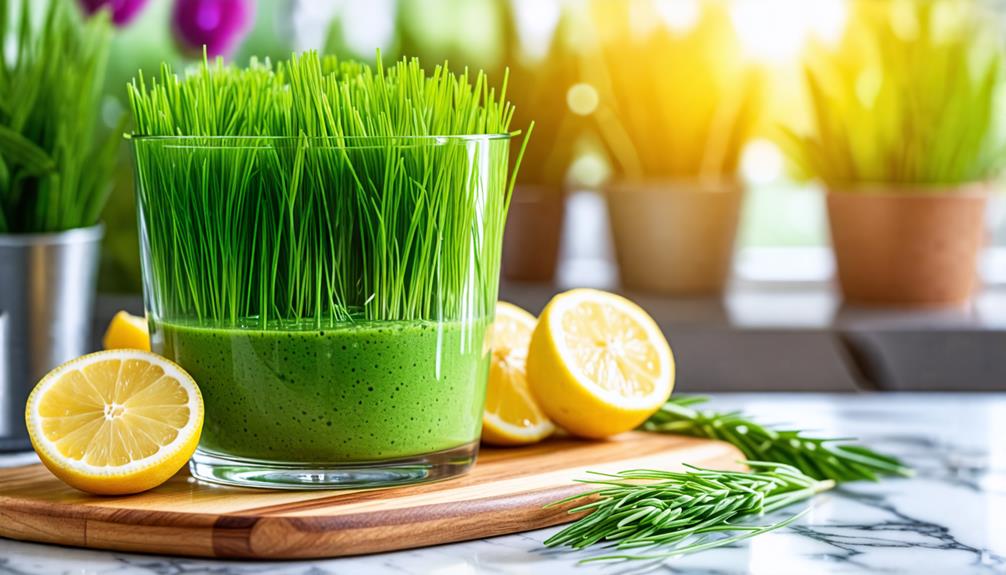
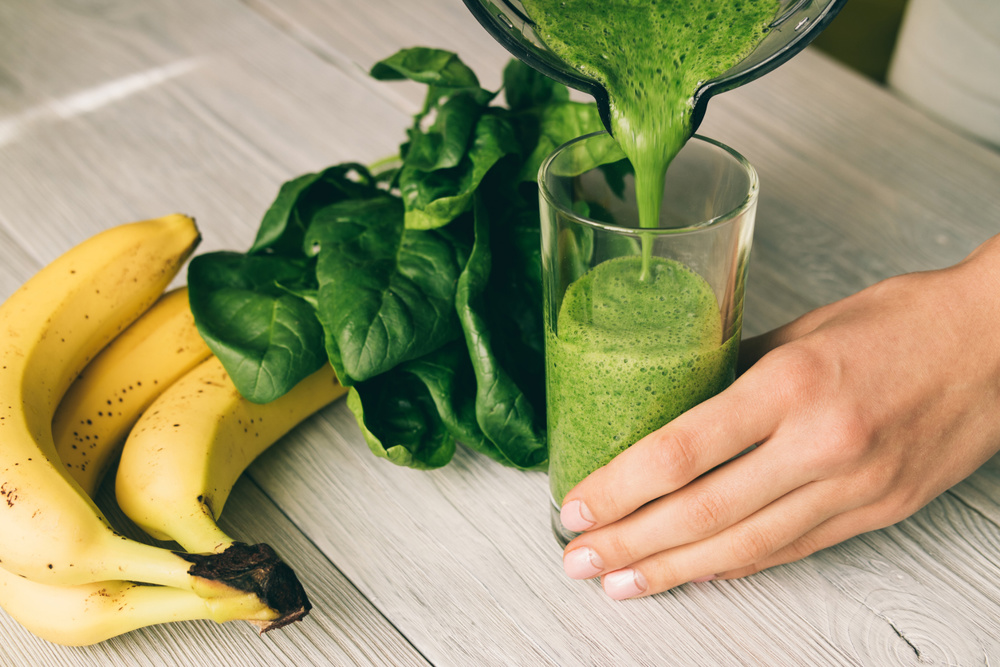
The aesthetic soon became closely tied to lifestyle branding. Morning smoothies, overnight oats, colorful grain bowls, herbal teas, and neatly packed lunches appeared repeatedly across influencer accounts, creating familiar rituals that audiences could easily recreate. Companies quickly recognized that consumers weren't only buying food—they were buying an image of organization, productivity, and balance.
Restaurants and retailers embraced this trend as well. Cafés designed highly photogenic menu items specifically for social sharing, while premium grocery stores emphasized minimalist packaging and natural ingredients. More recently, destinations such as Erewhon gained attention for elaborate smoothies and wellness products that blurred the line between nutrition, luxury, and internet culture.
How Clean Eating Turned Food Into a Moral Statement
As clean eating became more visible, conversations about nutrition gradually shifted into conversations about values. Foods were increasingly described as "clean," "pure," or "natural," while other choices were labeled as "processed," "cheat meals," or "bad." Those descriptions often carried emotional weight, making everyday food decisions feel like reflections of personal discipline rather than simple dietary preferences.
Social media amplified this effect by rewarding routines that appeared highly organized and intentional. Carefully prepared meals, perfectly stocked refrigerators, and ingredient-focused grocery hauls created the impression that successful, healthy people all ate in similar ways. Over time, many people began connecting their food choices with productivity, self-control, and even personal success, blurring the line between nutrition and identity.
That mindset also attracted criticism. Dietitians and mental health professionals have pointed out that assigning moral value to food can encourage guilt and unnecessary anxiety. While choosing nutritious foods is beneficial, framing meals as indicators of personal worth risks creating unhealthy relationships with eating instead of promoting balanced wellness.
Why Food Brands Loved the "Clean" Label
Food companies quickly recognized that "clean" appealed to consumers looking for healthier lifestyles. Because the term had no legal definition, brands could highlight simple ingredient lists, recognizable foods, or minimal processing while allowing shoppers to interpret the message in their own way. The word itself became a powerful marketing tool that suggested quality without requiring a universal nutritional standard.
As consumer demand grew, grocery stores expanded shelves filled with products emphasizing transparency and ingredient simplicity. Protein bars, granola, nut butters, snacks, frozen meals, and beverages frequently adopted packaging featuring earthy colors, recycled materials, and phrases such as "made with real ingredients" or "nothing artificial." Companies including RXBAR, Simple Mills, Hu Kitchen, and numerous organic food brands benefited from shoppers seeking products that aligned with their wellness values.
Restaurants also adapted. Cafés introduced grain bowls, avocado toast, fresh juices, and smoothie menus designed to appeal to health-conscious diners while looking highly photogenic online. The popularity of these offerings demonstrated that consumers were often purchasing not only food but also the lifestyle and identity associated with it.
What the Science Actually Says About Clean Eating
Behind the branding, scientific research offers a more balanced perspective. Nutrition experts generally agree that diets emphasizing fruits, vegetables, whole grains, legumes, healthy fats, and lean proteins are associated with better long-term health. At the same time, research does not support the idea that foods are inherently "clean" or "dirty," nor does it validate many popular detox claims circulating online.
Research consistently supports several core principles:
- Diets rich in whole foods are associated with improved heart health and better overall nutrition.
- Limiting highly processed foods may reduce the risk of certain chronic diseases.
- Long-term eating patterns matter far more than occasional indulgences.
- The body already has highly effective organs, including the liver and kidneys, that naturally remove waste without requiring commercial detox products.
Rather than encouraging rigid food rules, most nutrition professionals recommend flexibility and moderation. Sustainable eating habits consistently produce better long-term outcomes than highly restrictive plans built around perfection.
When Clean Eating Becomes Harmful
For many people, choosing more nutritious foods is a positive step toward better health. Problems arise when healthy eating becomes increasingly restrictive or begins dominating daily life. Instead of supporting well-being, the pursuit of perfect nutrition may create stress, social isolation, or fear surrounding ordinary foods.
Mental health professionals have increasingly discussed orthorexia, a pattern characterized by an unhealthy obsession with eating foods perceived as healthy or pure. Although not everyone following clean eating develops these behaviors, excessive concern over ingredients, food preparation, or perceived dietary mistakes can negatively affect emotional well-being and relationships with food.
Maintaining flexibility is essential. Enjoying celebrations, dining with family, or occasionally eating highly processed foods does not erase the benefits of an otherwise balanced diet. A healthy relationship with food allows room for both nutritious choices and life's everyday moments without unnecessary guilt.
Why Clean Eating Still Shapes Wellness Trends Today
Although the phrase "clean eating" isn't used as frequently as it was a decade ago, many of its ideas continue influencing today's wellness culture. Meal-prep videos, protein bowls, green juices, overnight oats, smoothie recipes, functional foods, and high-protein breakfasts all reflect principles that became popular during the movement's rise.
Digital platforms continue evolving these ideas. TikTok creators regularly share grocery hauls, healthy snack ideas, realistic meal planning, and "what I eat in a day" videos that attract millions of views. Rather than focusing on strict rules, many creators now emphasize balance, affordability, and sustainability while still celebrating colorful, minimally processed meals.
This evolution demonstrates how cultural trends adapt over time. The terminology may shift, but the visual language and lifestyle associated with clean eating continue influencing restaurants, grocery stores, product packaging, recipe development, and online wellness communities around the world.
Conclusion
Clean eating became far more than a collection of nutritional recommendations. Through social media, influencer culture, celebrity endorsements, and thoughtful branding, it evolved into a recognizable lifestyle that blended food, identity, design, and self-expression. What people placed on their plates increasingly became part of how they presented themselves online and connected with broader wellness communities.
While the movement continues to evolve, its influence remains visible throughout modern food culture. From meal-prep videos and grocery shopping trends to premium wellness brands and beautifully styled recipes, many of today's habits still reflect ideas that helped clean eating capture the public's imagination. Its lasting legacy lies not only in encouraging people to eat more whole foods but also in showing how nutrition itself became an enduring part of contemporary pop culture.