How to Help Seniors Stay Engaged in Their Community
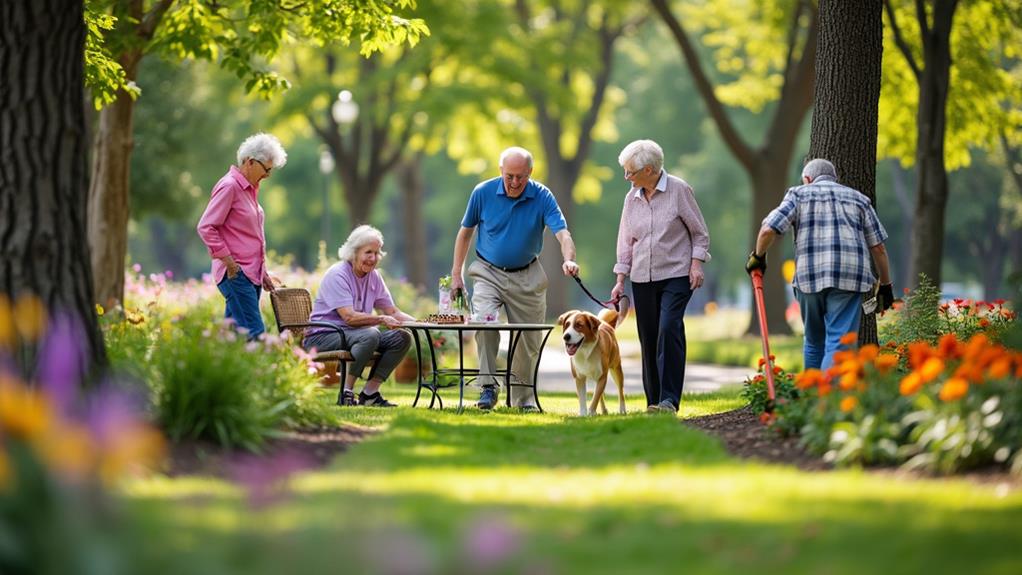
To help seniors stay engaged in their community, encourage them to join local exercise groups, volunteer organizations, and lifelong learning programs. These activities foster social connections, promote physical and emotional well-being, and provide a sense of purpose. Utilizing technology, such as video chats and social media, also keeps seniors connected with family and friends. Local senior centers offer diverse recreation and health programs tailored to older adults, which combat loneliness and support comprehensive wellness. By exploring these options, you'll uncover more effective strategies to improve their life quality and community involvement.
Understanding Loneliness and Isolation
In terms of understanding loneliness and isolation among seniors, it's important to recognize how deeply these feelings can impact their well-being. Over one-third of adults over 45 years old report experiencing loneliness, which can greatly affect their emotional well-being. For seniors, nearly 25% face social isolation—a lack of social connections that can lead to adverse outcomes. These feelings aren't just a minor inconvenience; they can lead to increased risks of depression, anxiety, and even suicide.
Community engagement plays a key role in mitigating these issues. When seniors are actively involved in their communities, they build social networks that offer emotional support and improve their general health benefits. Engaging in social activities can stave off cognitive decline and improve emotional well-being. Social connections act as a buffer against the negative impacts of loneliness and isolation.
Programs and tools like the Connect2Affect self-assessment can identify those at risk and guide them toward interventions that foster social engagement. By doing so, you can help create environments where seniors thrive, bolstering their social networks and improving their quality of life. This proactive approach is significant for the health and happiness of our aging population.
Health Risks of Social Disconnection
Loneliness and social disconnection among seniors aren't just emotional hardships—they're serious health risks. Social isolation in older adults can lead to a range of severe health issues, affecting both mental and physical health. Without strong social connections, seniors are more vulnerable to depression and anxiety, with prolonged loneliness even increasing the risk of suicide.
Here are some alarming health risks associated with social disconnection:
- Stroke and Heart Disease: Social isolation is linked to a 29% higher chance of stroke and a 32% higher risk of heart disease in older adults.
- Dementia: Chronic social isolation can escalate the risk of developing dementia, greatly impacting cognitive function and memory.
- Premature Death: Studies indicate that socially isolated individuals face a 50% higher risk of premature death compared to those with strong social connections.
- Immune Function: Older adults with active social lives tend to have better immune function, leading to fewer chronic diseases and improved general health.
Engaging in community events and fostering social connections can greatly improve a senior's well-being. Promoting activities that improve cognitive function and mental health is vital for maintaining the general health and longevity of older adults.
Exercise and Fitness Groups
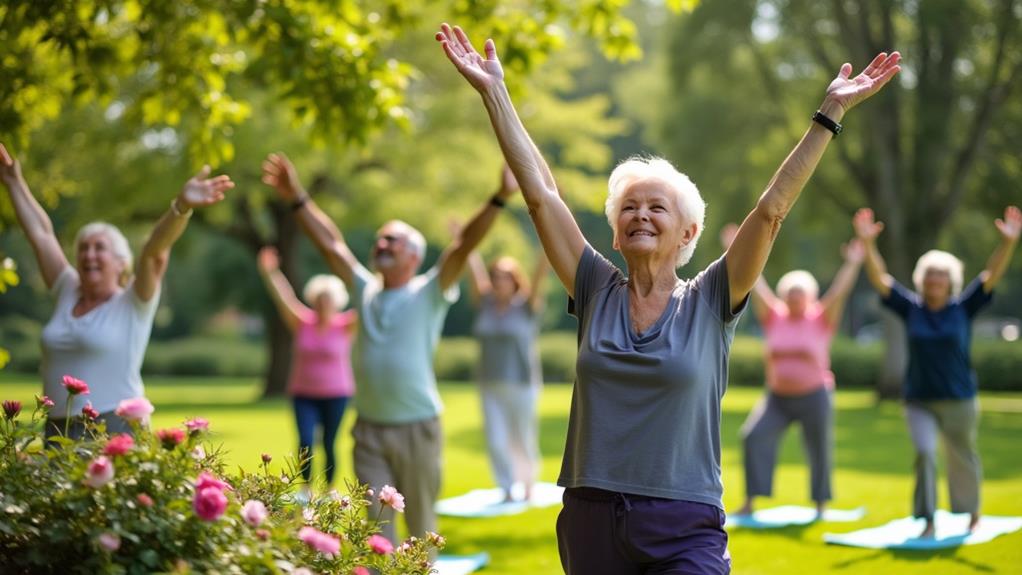
Exercise and fitness groups tailored for older adults offer more than just physical benefits—they're a lifeline for mental well-being through social interaction and camaraderie. Participating in these exercise groups helps seniors stay active, while simultaneously fostering a sense of community. Regular involvement in fitness programs not only improves physical health but also greatly boosts emotional health by reducing feelings of loneliness and isolation.
These fitness programs are specifically designed to cater to the needs of older adults, making it easier for them to find suitable options that promote both fitness and social engagement. When seniors engage in group exercises, they build friendships and create a routine that provides a sense of accountability. This routine is essential for maintaining both physical and mental health.
Research shows that older adults who consistently participate in such activities report better general health, including lower risks of chronic illnesses and improved cognitive function. By joining these groups, seniors can enjoy a more fulfilling and connected life. Social interaction in a fitness context offers a dual advantage: it keeps you physically fit and mentally sharp, while also improving your emotional health and sense of belonging within the community.
Volunteer Opportunities
Beyond staying physically active, finding ways to engage mentally and socially is key to a fulfilling life for seniors. Volunteering offers excellent opportunities for local seniors to stay actively involved and combat social isolation. Here are some benefits and options for getting started:
- Sense of Purpose: Volunteering provides a sense of purpose, greatly improving emotional well-being by offering meaningful community service roles.
- Social Connection: It helps build social connections, reducing feelings of loneliness and promoting mental health.
- Intergenerational Volunteering: Participating in programs that involve different generations fosters understanding and improves community bonds.
- Virtual Volunteering: For those who can't travel, virtual options allow seniors to contribute from home, keeping them engaged and connected.
Websites like VirginiaNavigator.org list local volunteer opportunities, helping you find roles that match your skills and interests. Regardless of it's mentoring young people, assisting at a food bank, or participating in environmental projects, there's something for everyone. Actively involved seniors report lower levels of depression and anxiety, leading to higher satisfaction in life. By engaging in community service, you can make a positive impact while improving your own emotional well-being. Take the step today to investigate volunteer opportunities and enrich your life and community.
Lifelong Learning Programs
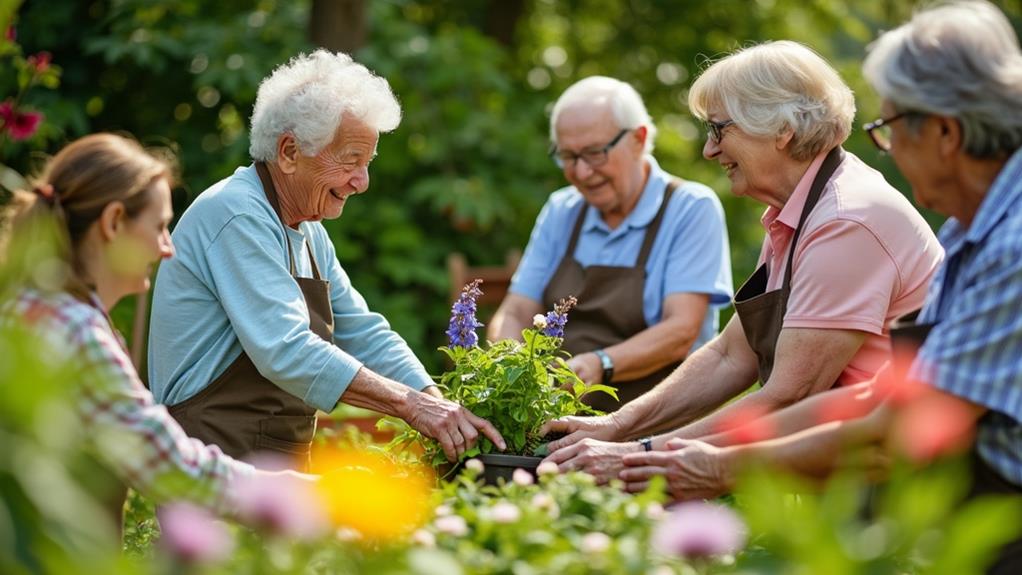
Lifelong learning programs offer seniors an incredible chance to stay mentally sharp and socially active. Engaging classes on a variety of subjects provide opportunities for social interaction, allowing seniors to learn alongside peers and foster friendships. This social connectedness is essential for maintaining community ties and combating feelings of isolation.
Participating in lifelong learning promotes cognitive health by stimulating the brain and keeping it active. Seniors who engage in these programs often report improved mental health, with lower levels of stress, anxiety, and depression. The sense of purpose derived from acquiring new skills and knowledge contributes considerably to overall well-being.
Platforms like SeniorNavigator offer seniors a range of classes that cater to diverse interests. These platforms not only provide in-person classes but also utilize social media to keep participants informed and engaged. By staying updated on class schedules and interacting with fellow learners online, seniors can maintain a robust social network.
Utilizing Technology for Connection
In the current technological age, leveraging technology for connection offers seniors numerous opportunities to stay engaged and socially active. By embracing digital platforms, seniors can maintain connections with distant friends and family, reducing feelings of isolation and loneliness. Utilizing social media and video chats, they can stay updated and involved in their loved ones' lives.
Online forums and discussion groups provide excellent avenues for seniors to engage with others who share similar interests. This fosters a sense of community and improves social interaction. Moreover, participating in support groups online can be particularly beneficial for seniors, offering emotional support and camaraderie.
Here are some effective ways for seniors to stay connected through technology:
- Video chat apps: Tools like Zoom and Skype enable face-to-face conversations, bridging the gap with distant loved ones.
- Social media platforms: Staying active on Facebook or Instagram helps seniors keep up with family updates and community events.
- Online classes and webinars: These promote lifelong learning and keep seniors mentally stimulated.
- Senior-friendly apps: Apps designed for seniors make it easier to join virtual events and support groups, improving their overall well-being.
Seeking assistance from tech-savvy friends or family members can elevate digital literacy, making the shift smoother and more enjoyable.
Local Senior Centers and Activities
While technology offers excellent ways for seniors to stay connected, local senior centers also play a significant role in maintaining social engagement and general well-being. Over 150 senior centers in Virginia offer a variety of recreation, social, nutrition, and education programs tailored to older adults. These centers are essential for fostering community engagement and providing a space where seniors can participate in activities that improve social interaction.
Programs such as Friendship Cafes and telephone check-ins help reduce loneliness and isolation. Regular visits and participation in these activities can greatly enhance both physical and emotional health. Senior centers often provide fitness programs specifically designed for older adults, which can include exercise groups and wellness classes aimed at improving overall health and quality of life.
Moreover, senior centers serve as important hubs for information about local resources, support groups, and volunteer opportunities. These centers encourage seniors to stay connected with their community and engage in meaningful activities. By participating in these programs, seniors can maintain a higher quality of life, develop new friendships, and continue to contribute to their communities, ensuring a fulfilling and engaged lifestyle in their later years.